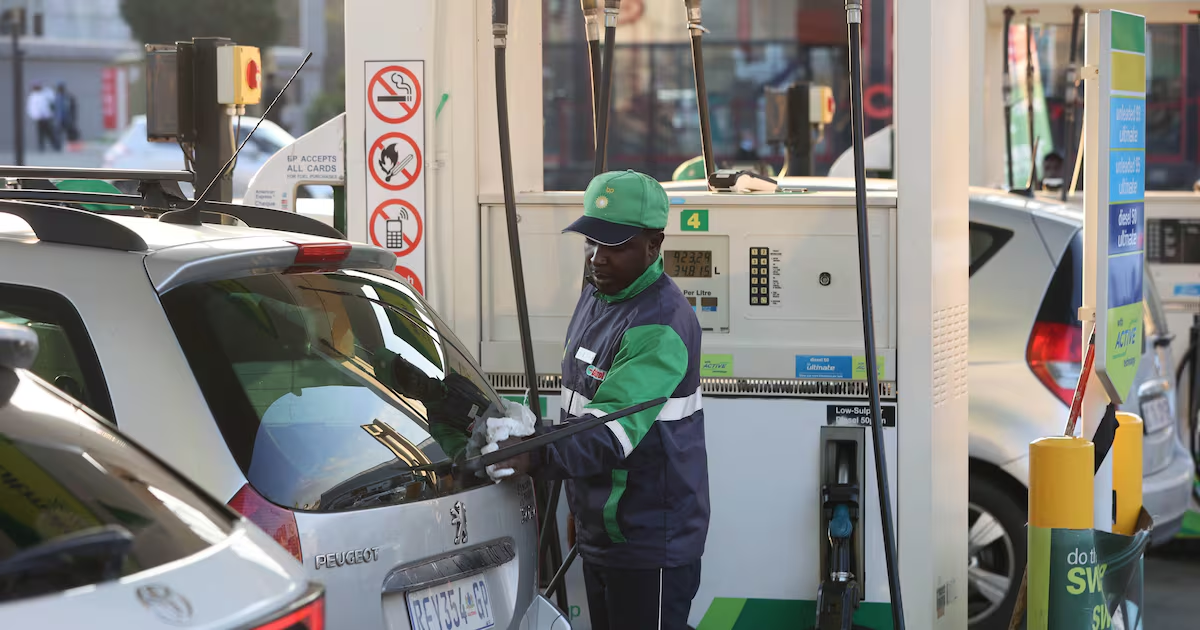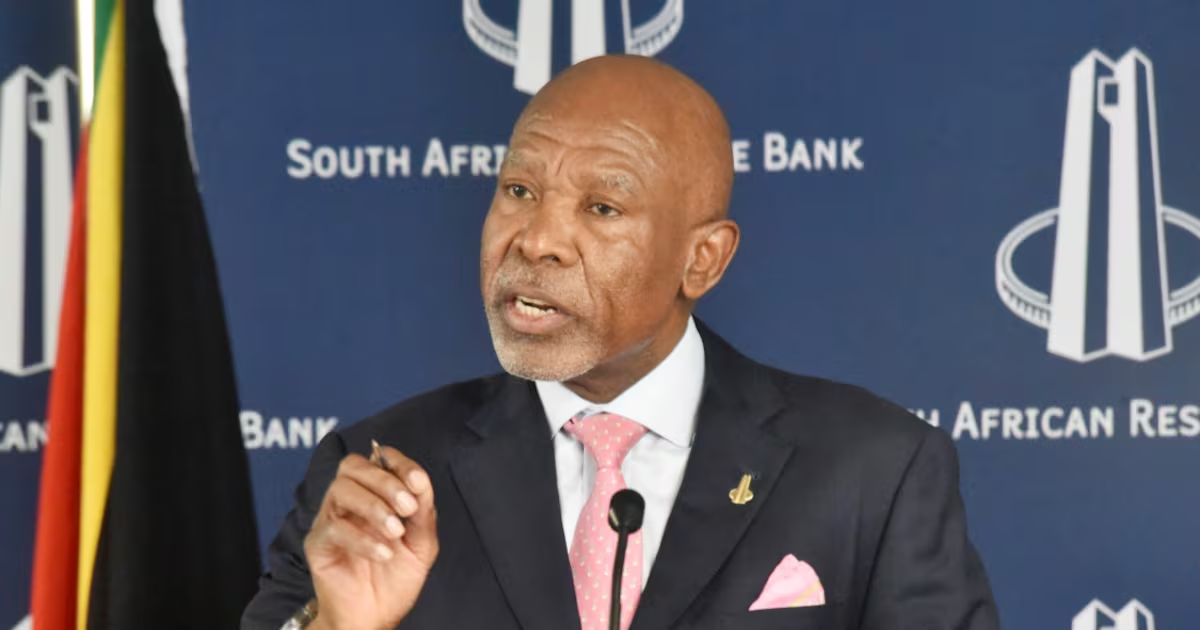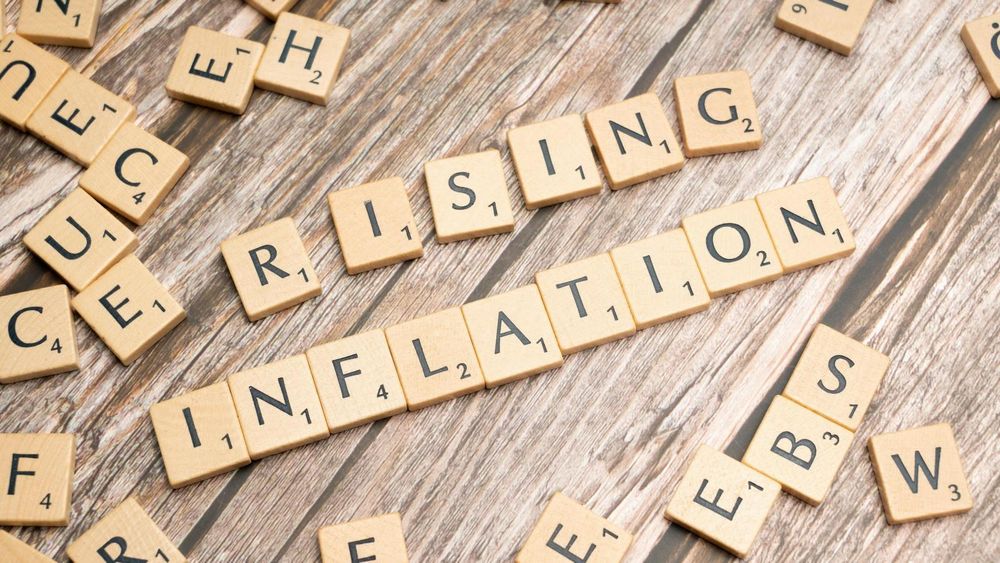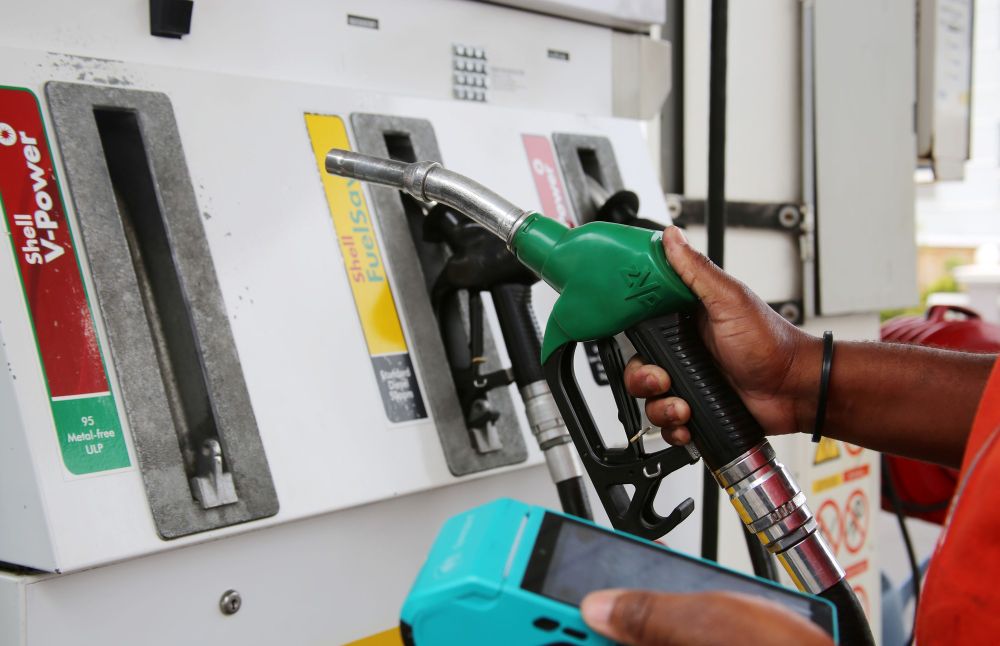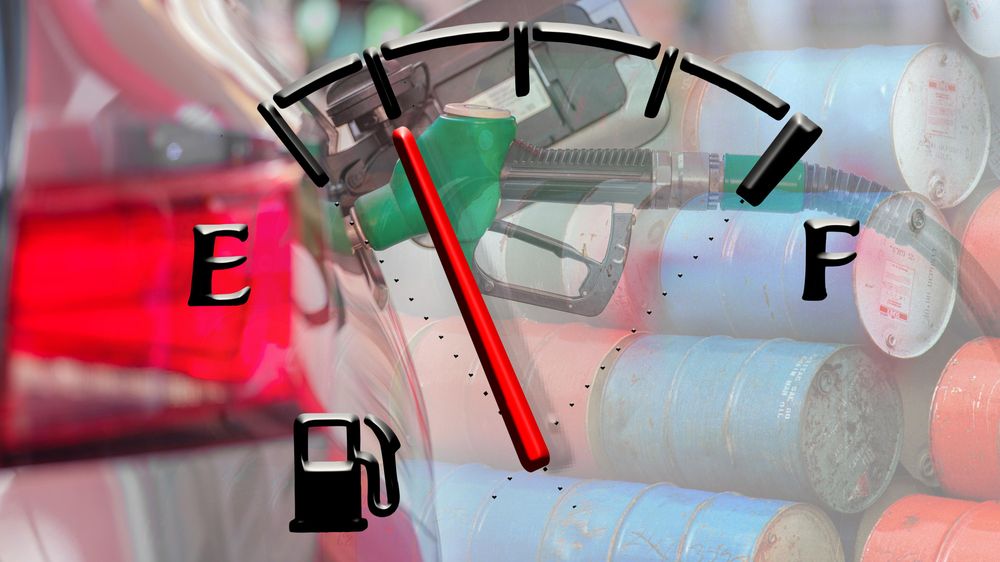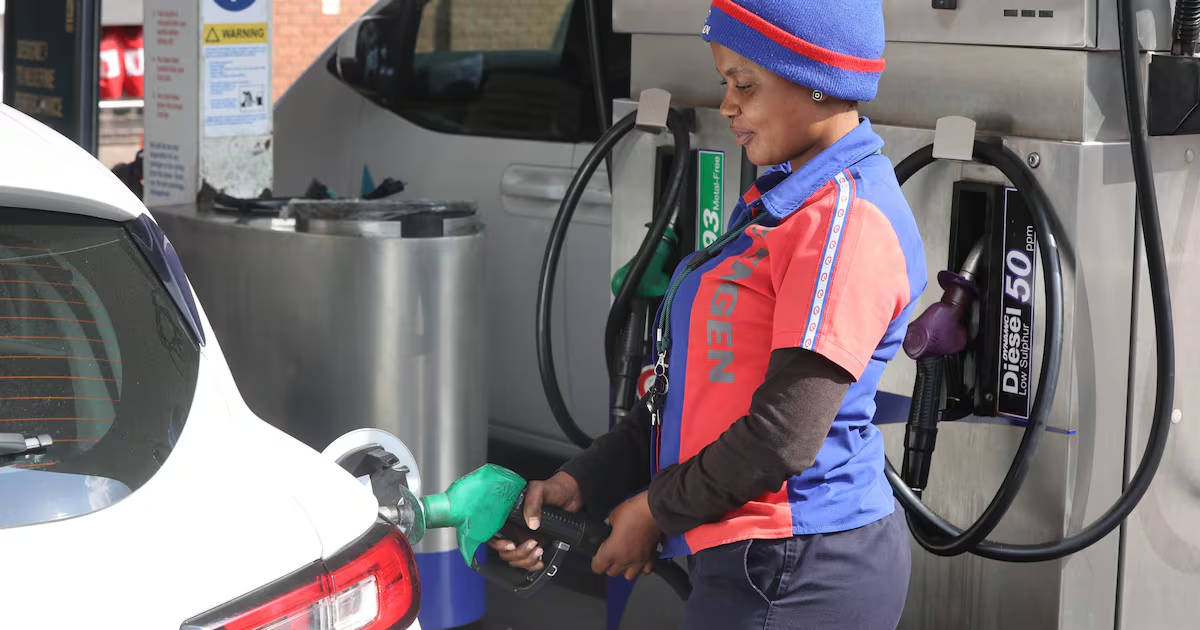
Stats SA’s latest consumer inflation report on Wednesday is certain to show another significant uptick in May after the rate quickened to 4% in April from 3.1%, with the main price pressure coming from fuel prices.This will raise the odds for another interest rate at the South African Reserve Bank’s (Sarb) next policy meeting in July, after the Monetary Policy Committee lifted the benchmark rate by 25 basis points to 7% last month.Banking group Absa expects inflation to accelerate further to 4.6% in May, breaching the 2% - 4% tolerance band of the Sarb’s new 3% target adopted last year.Investec expects inflation to reach 4.7% while First National Bank is forecasting 4.8% and Nedbank predicting 5.1%.The Bureau for Economic Research (BER) has an even higher forecast of 5.2% as the full impact of higher fuel prices begins to filter through the economy.“While the increase will initially be driven by transport costs, policymakers will be watching closely for signs that higher fuel prices are feeding into broader inflation pressures,” BER chief economist Lisette IJssel de Schepper said.Over the month of May, petrol prices rose by 14.2% as the war pitting the US and Israel against Iran war raged on, hindering the flow of cargo through the strategic Strait of Hormuz and keeping global oil prices high. As a result, fuel inflation is projected to accelerate from 11% to about 28%, even with the full passthrough of the oil price shock being partially mitigated by a relatively resilient rand and government support though the reduction of the general fuel levy which is added to pump prices, economists at Nedbank said.The levy relief will fall away by the end of this month, meaning consumers will start feeling the full impact of international oil price movements on local fuel prices. South Africa is particularly vulnerable because it is a net importer of the commodity.Wednesday will also see the publication of April retail sales numbers which will indicate whether consumers adjusted their spending behaviour that month, after the announcement of what was then the steepest fuel price adjustment on record in a single month.Though annual sales growth should still be in positive territory in April, economists are anticipating a moderation from the 2.6% recorded in March as higher transport costs weigh on household finances and dampen consumer appetite.“An increase in inflationary conditions and accordingly monetary tightening will likely weigh on spend in the near-term, with transport costs having climbed, while confidence is projected to have waned in Q2 2026,” Investec economist Lara Hodes predicted.Stats SA will on Wednesday also publish its April statistics of civil cases for debt, a key indicator of household indebtedness.This will be followed on Thursday by a report on elected private sector building statistics for April. Stats SA conducts a monthly survey on building plans passed and buildings completed, financed by the private sector. The numbers are important inputs for estimating GDP as well as calculating the Sarb’s monthly composite leading business cycle indicator.
ECONOMIC WEEK AHEAD | Sharp consumer inflation spike expected for May
Inflation to pull further away from Reserve Bank’s 3% target as fuel prices surge
TL;DRAI
Stats SA's May CPI—due Wednesday—is forecast to reach 4.6%-5.2%, driven by 28% fuel inflation from Middle East tensions, pushing Sarb toward July rate hike. Shrinking consumer spending and rising borrowing costs will compress IT budgets and force capex deferrals.
493 words~2 min read