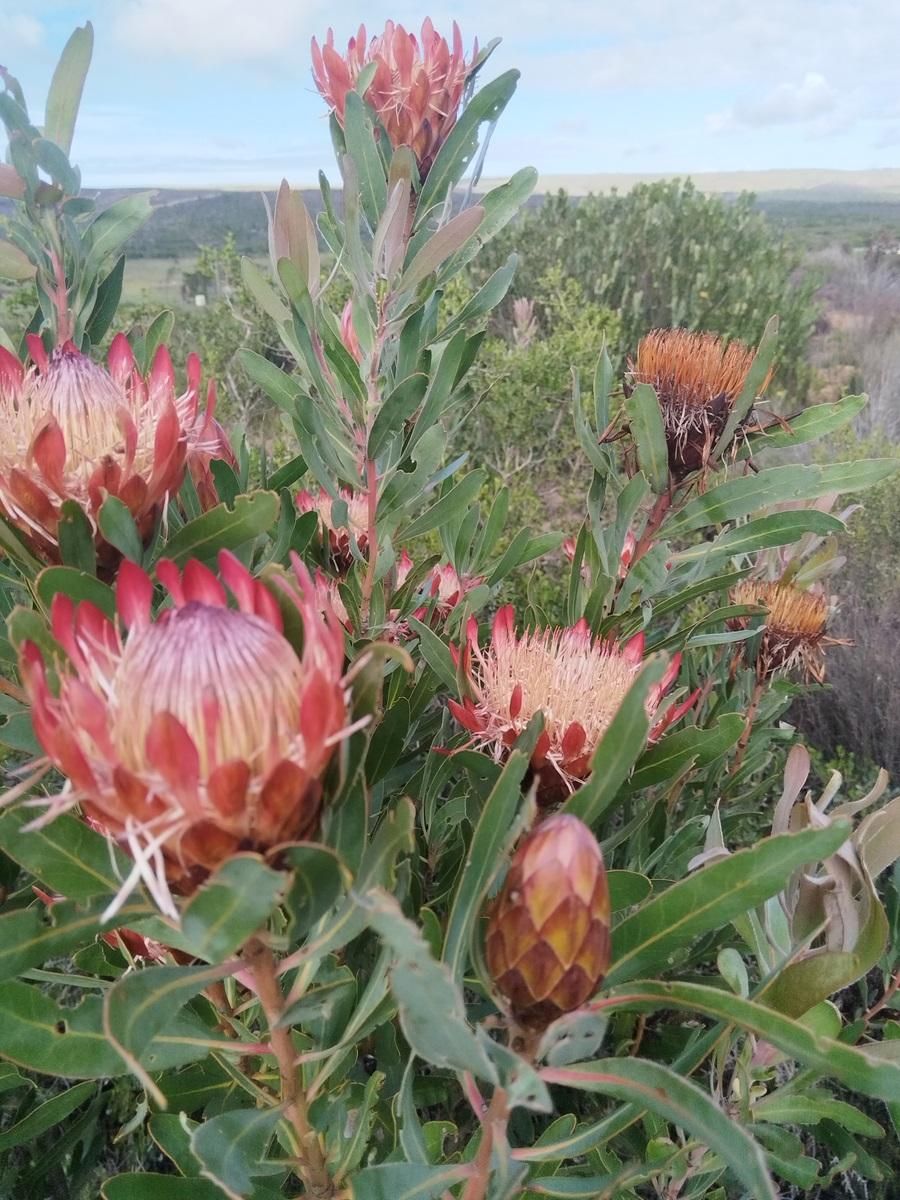
Proteas at the Wild Rescue nature reserve between Still Bay and Riversdale in the Western Cape.
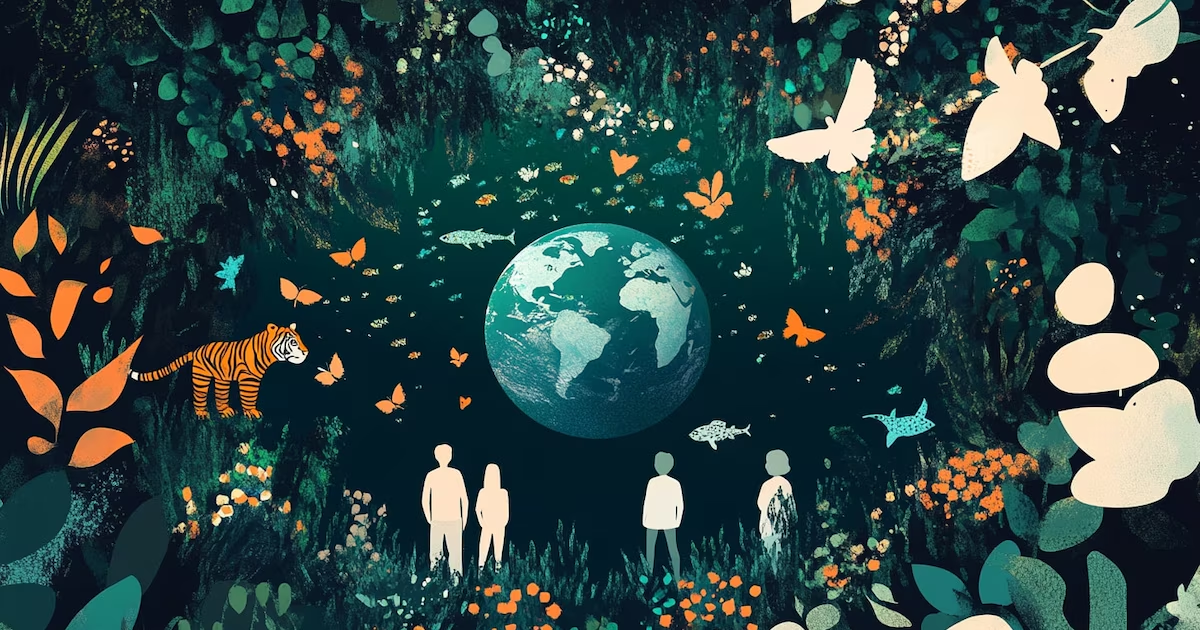
When biodiversity faces challenges, humanity itself is at risk. The intricate web of life on our planet provides essential services for human well-being, making the preservation of biodiversity critical not only to the environment, but also to society at large. As we mark International Day for Biological Diversity (IDB) on May 22, established by the United Nations in 2000, the focus this year on "Acting Locally for Global Impact" underscores the importance of grassroots initiatives in combating the rapid decline of our ecosystems.
This is according to Wild Rescue, a proclaimed nature reserve located between Still Bay and Riversdale in the Western Cape.
From the urban jungles of our cities to the serene countrysides, it is evident that sustainable actions at the local level lay the groundwork for significant global changes. Major ecological transformations often begin small, reiterating the need for collaborative efforts between communities and governments. This grassroots approach has become more crucial than ever as the global community grapples with unprecedented biodiversity loss, driven largely by human activities. Around a million species are currently at risk of extinction, with human-induced factors such as habitat loss, pollution, and climate change wreaking havoc on fragile ecosystems, says Wild Rescue.