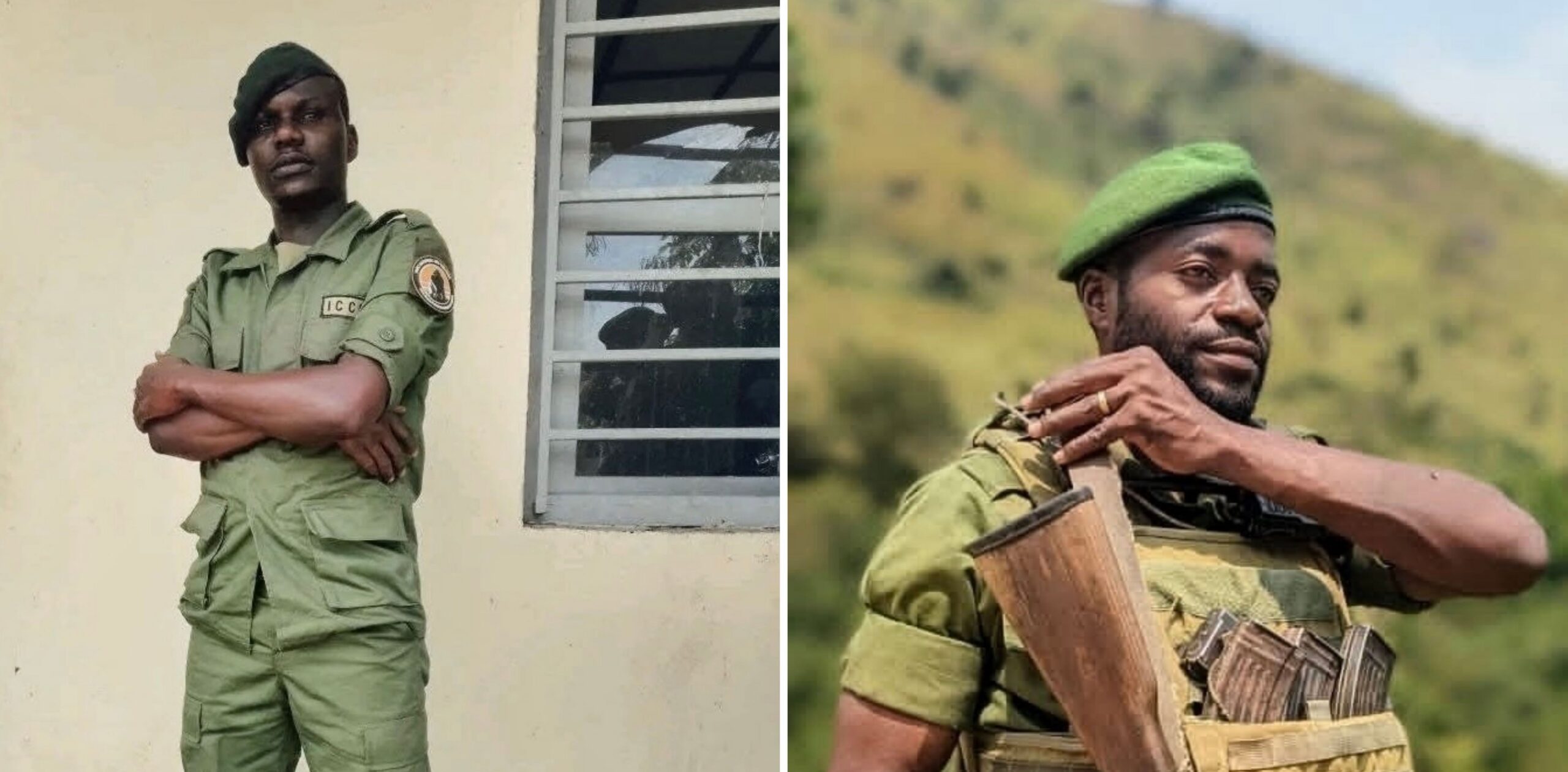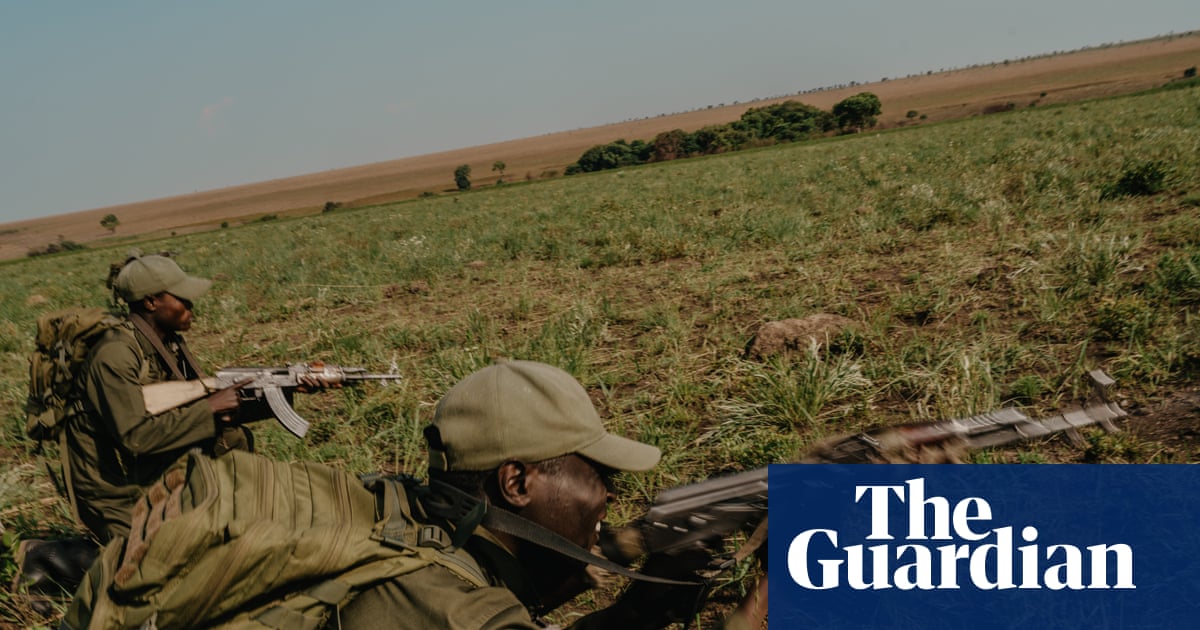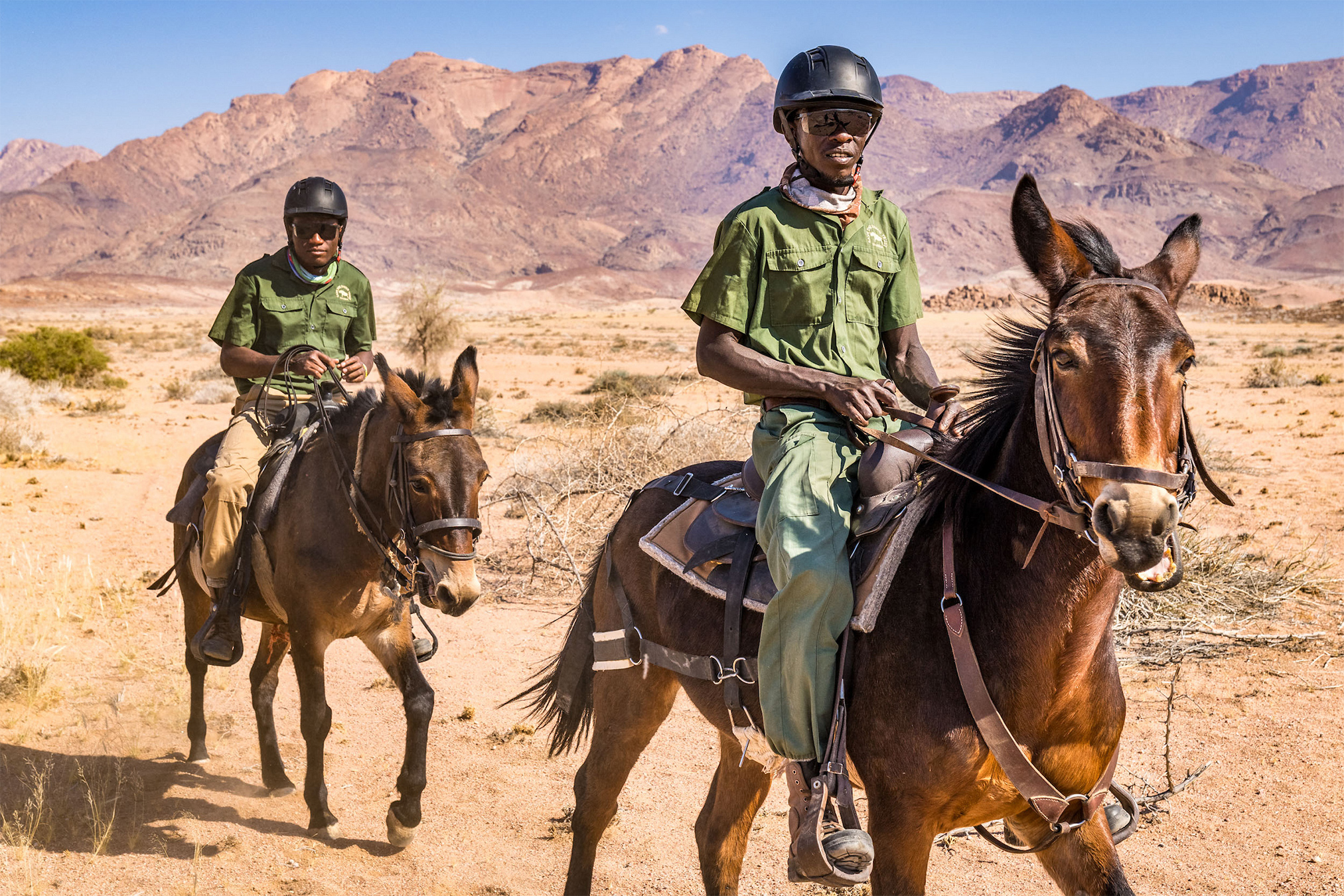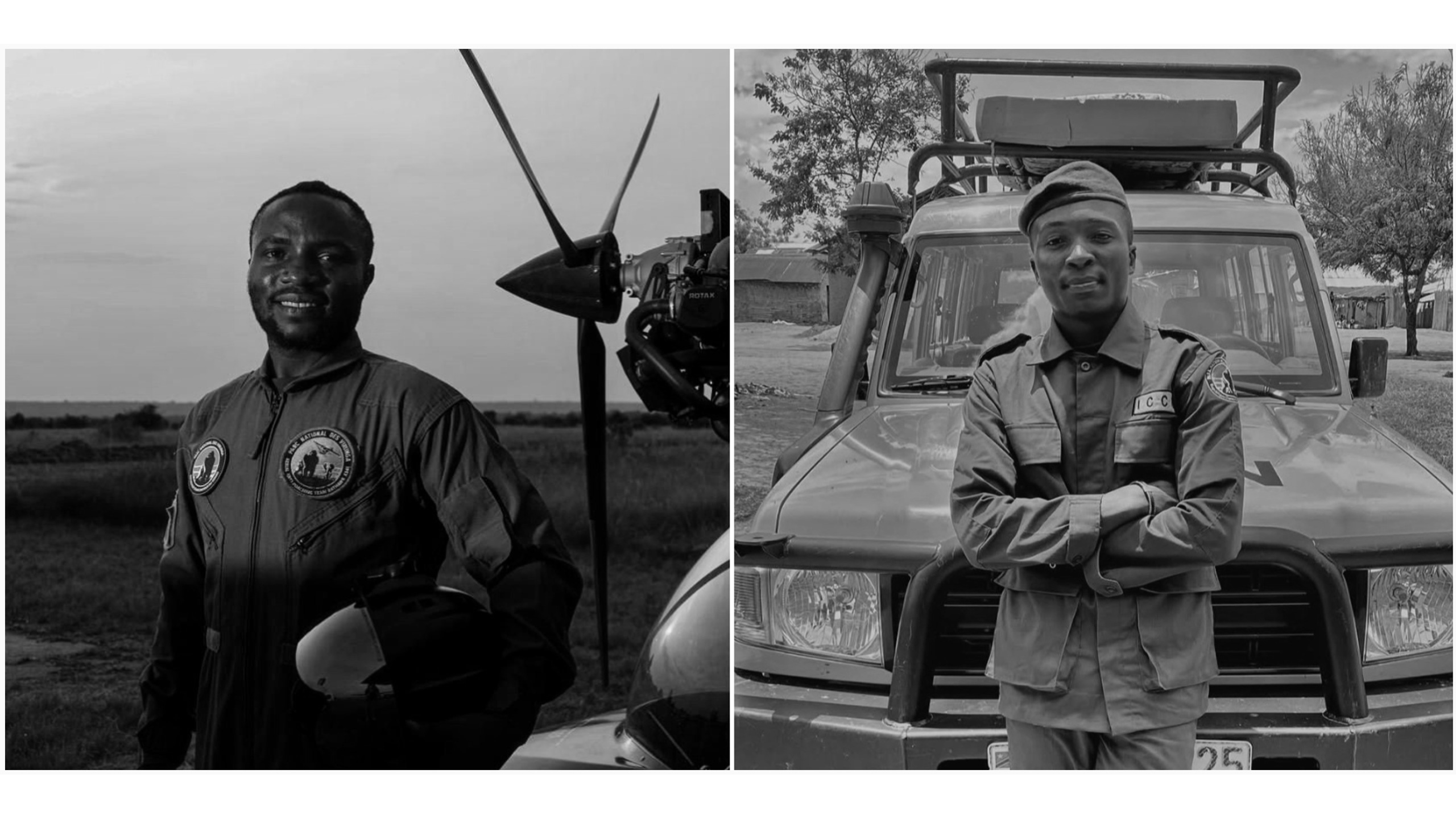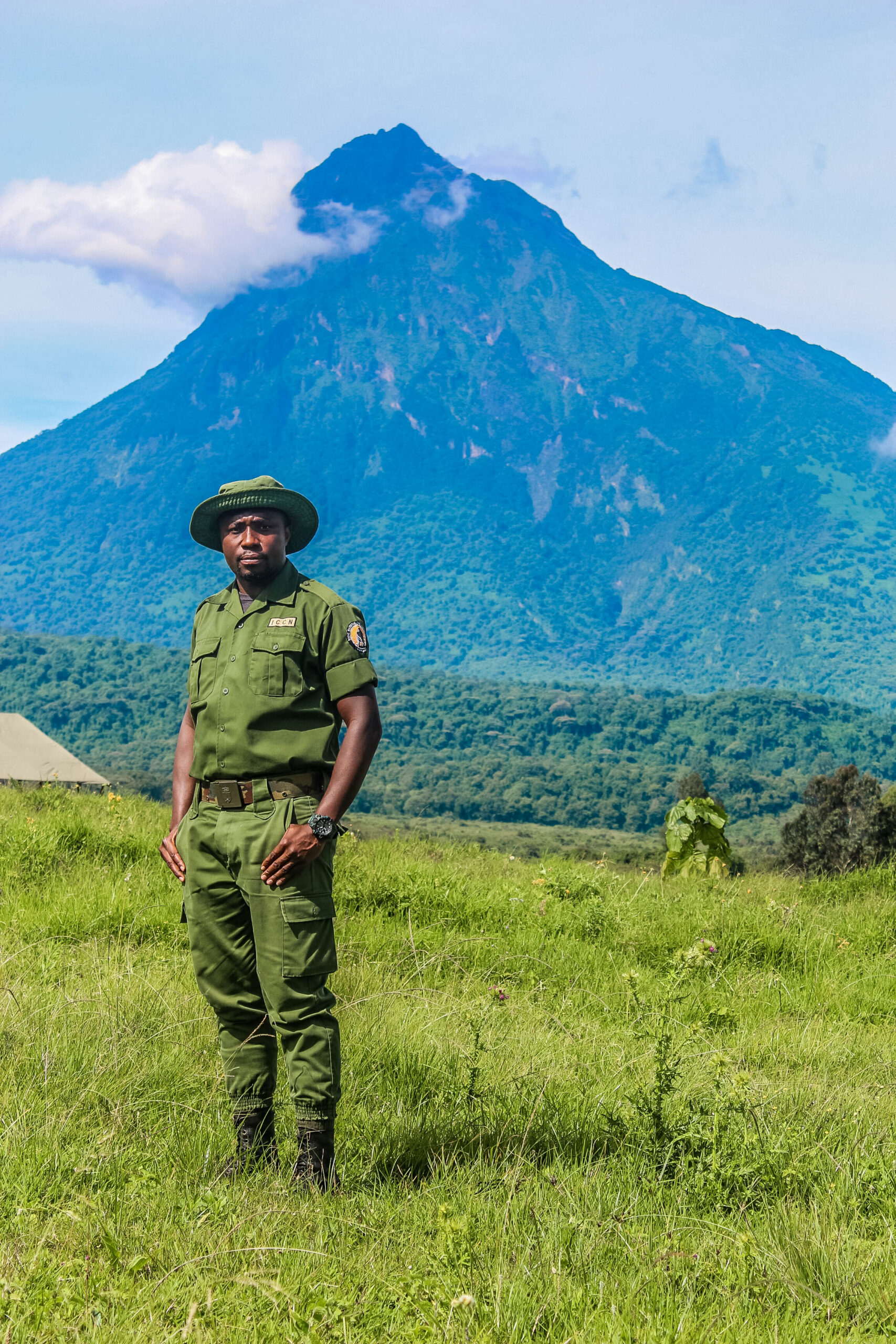
The international community has set ambitious goals to protect nature, the latest aiming to conserve 30% of the planet by 2030. Rangers are at the center of this effort. According to the International Ranger Federation, they play a crucial role in protecting protected areas and achieving global conservation targets.But in many protected areas, rangers are increasingly exposed to violence, often confronting armed groups with limited support, particularly in unstable regions such as eastern Democratic Republic of Congo.For Emmanuel Bahati Lukoo, this reality is not abstract — it is deeply personal. In 2018, he narrowly survived an attack by Mai-Mai fighters (an armed group operating in the DRC). Unlike many rangers who have lost their lives protecting nature in eastern DRC, he survived. More than 100 rangers are believed to have been killed in Virunga National Park over the past decade.Seeking to shed light on the realities and working conditions of rangers in the DRC, Bahati recently published a book titled Conservation at the Cost of My Youth: The Survival of a Ranger, in which he recounts the life of a ranger in eastern DRC.
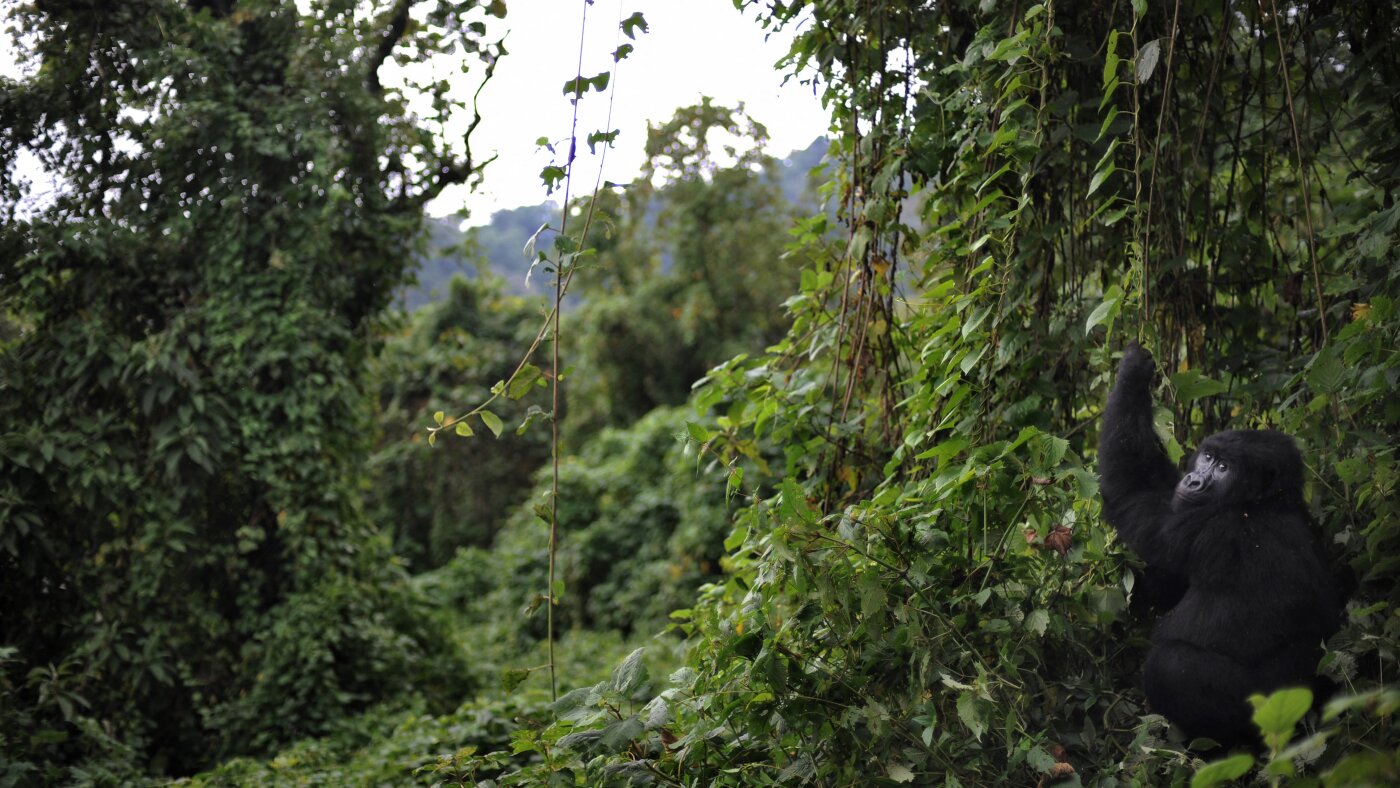
In eastern Democratic Republic of Congo in central Africa, protecting nature can cost you your life. For years, rangers operating in parks such as Virunga and Kahuzi-Biega have worked amid armed groups, illegal natural resource trafficking, community tensions, and chronic violence that has already claimed the lives of hundreds of their colleagues. Yet despite their central role in protecting biodiversity and some of the world’s most important forests, many continue to work with little support, low salaries, and highly precarious conditions.