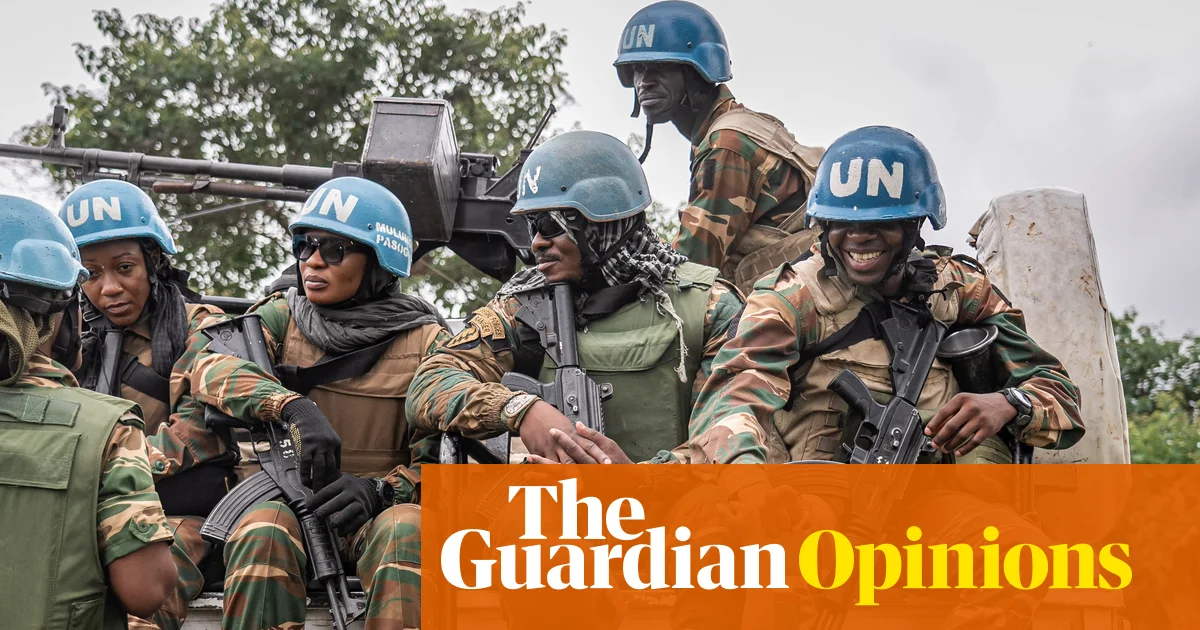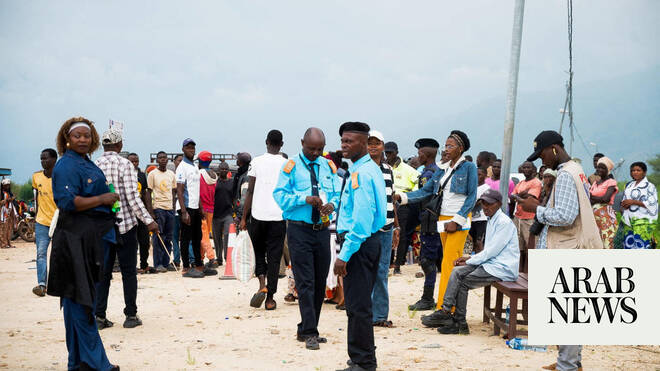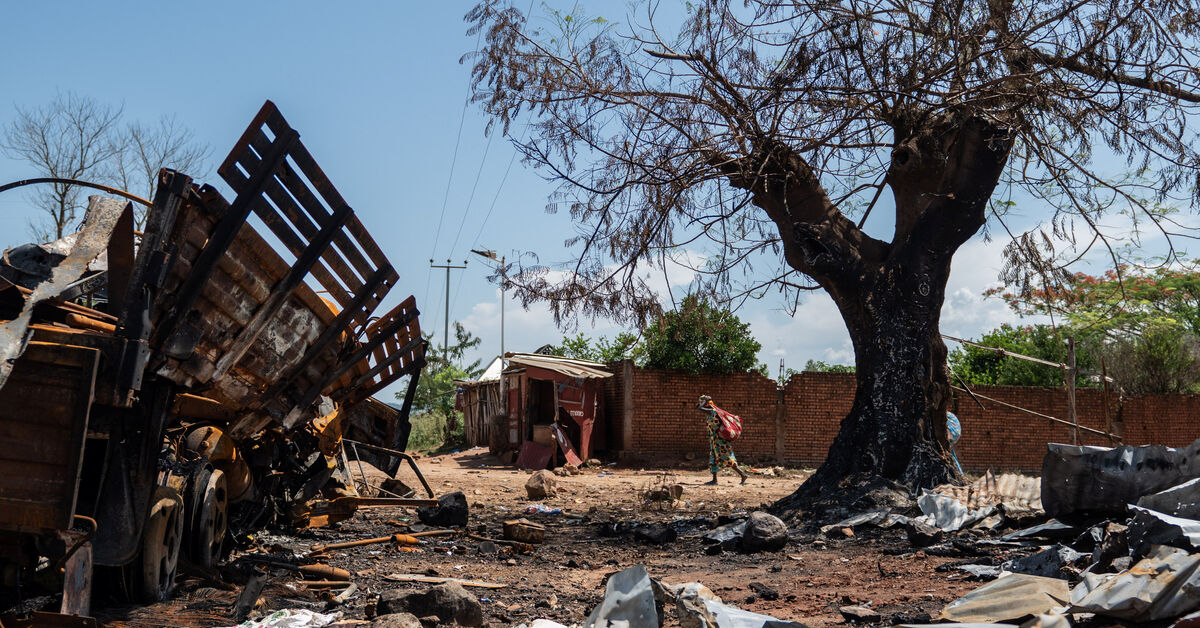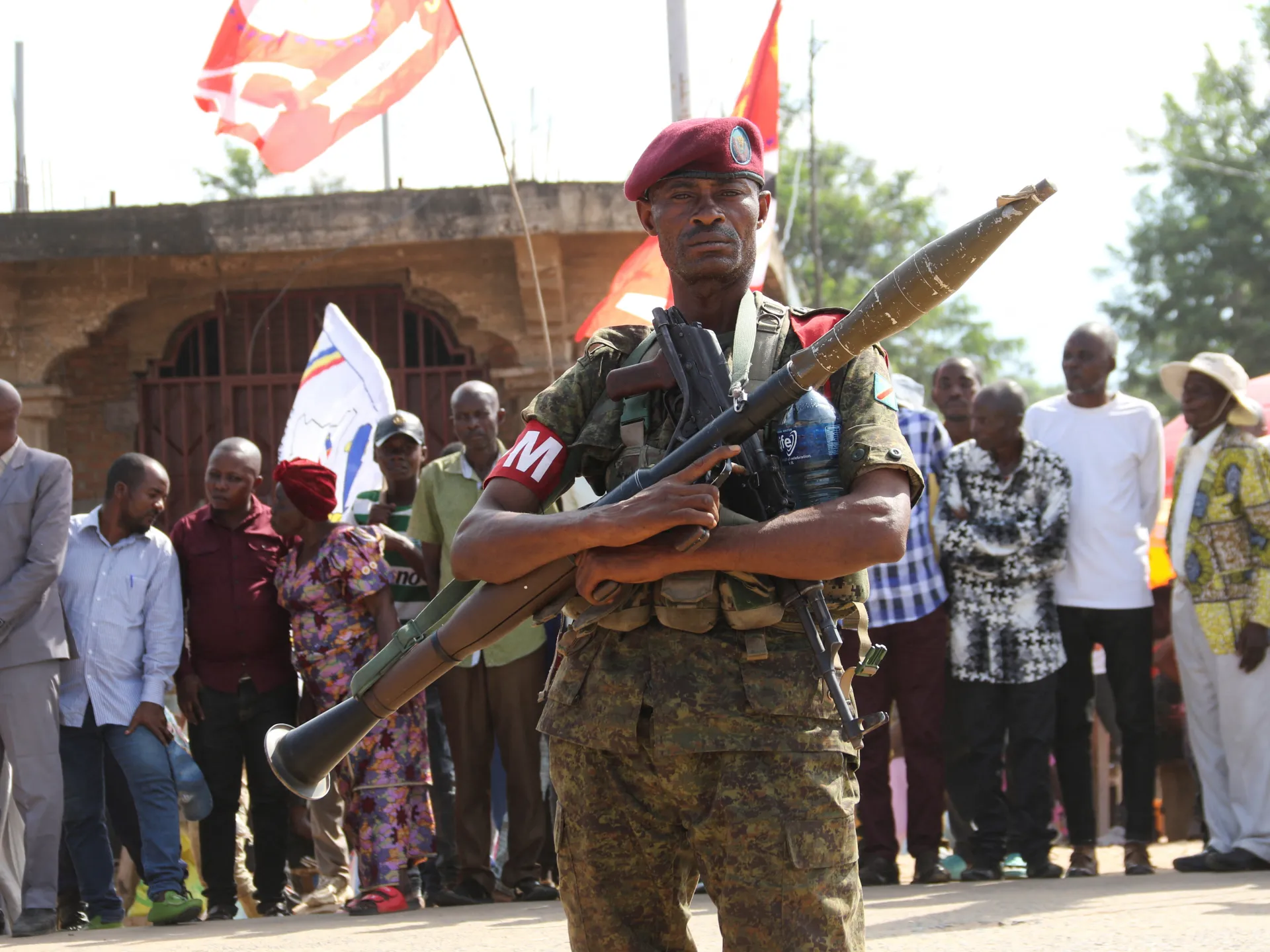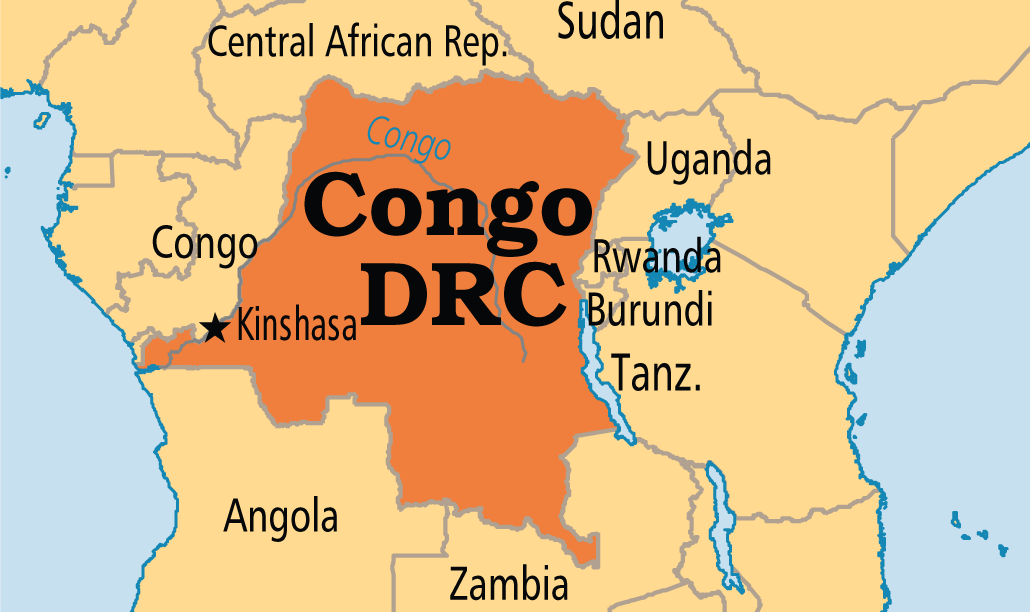
Civilians caught up in the eastern Democratic Republic of the Congo (DRC) conflict are developing mechanisms to protect themselves – even as civilian attacks are rising, and the United Nations Organisation Stabilisation Mission in the DRC’s (MONUSCO) footprint is shrinking.
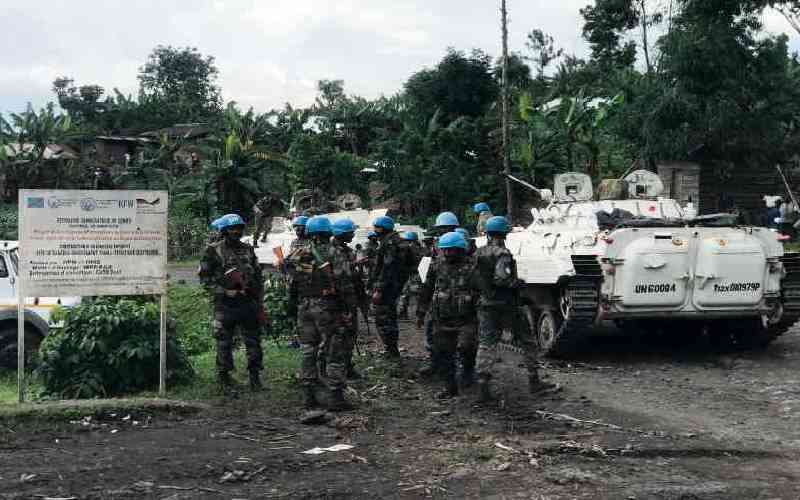
Since the mission’s 2024 withdrawal from the province, South Kivu has been left with an acute gap in civilian protection. Renewed under United Nations Security Council (UNSC) Resolution 2808 in December 2025, MONUSCO’s mandate still places civilian protection at its core. But international human rights groups have repeatedly highlighted the gap between high-level ceasefire diplomacy and realities on the ground.
Human Rights Watch reported grave abuses, including abductions, executions and sexual violence, against civilians during the fall of Uvira in December 2025. Around 5,325,646 people were internally displaced from November 2025 to March 2026, with South Kivu accounting for 1,232,251 of them. Smaller numbers fled across borders into neighbouring states, with several hundred reportedly crossing into Rwanda, and tens of thousands into Burundi.
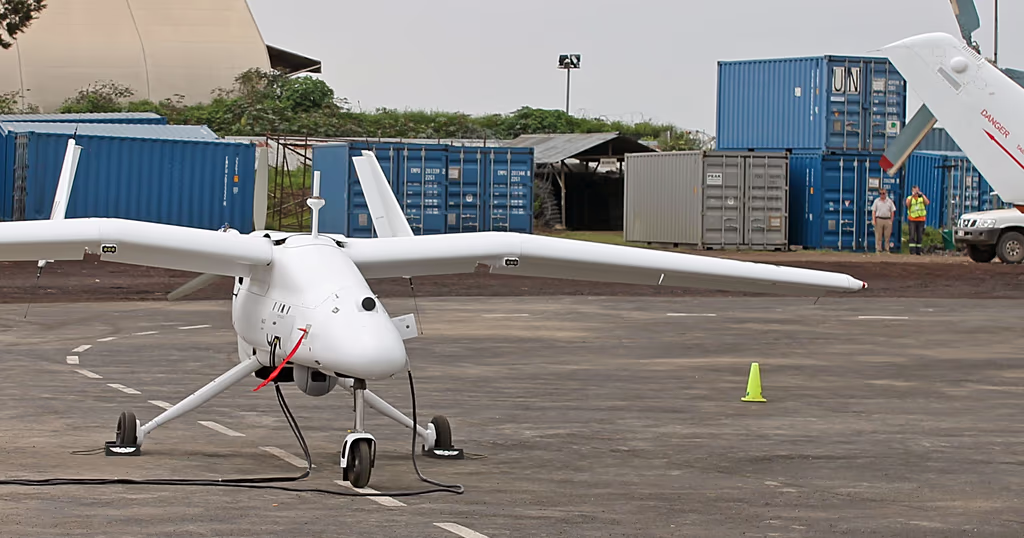
Violence has spread from urban centres into highland areas such as Fizi, Mwenga and Kalehe territories, with restricted humanitarian access. Drone attacks killed at least 16 civilians and injured eight between February and April.