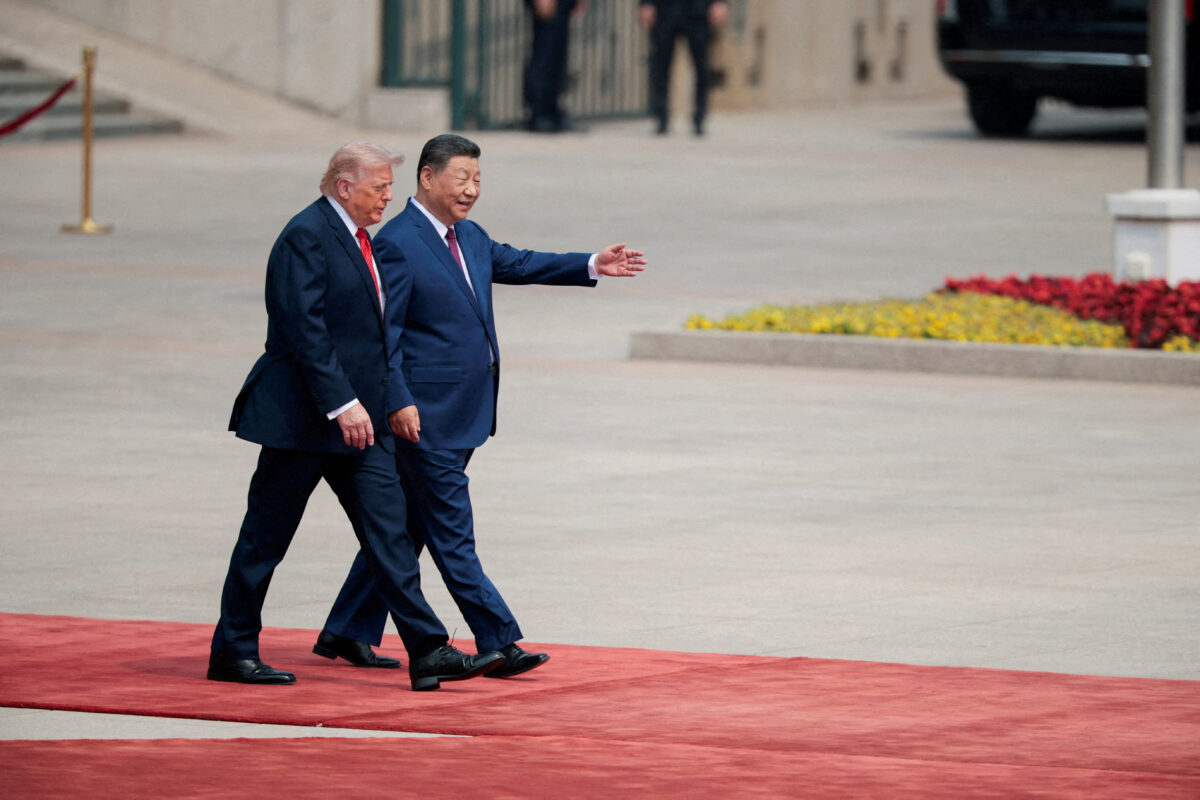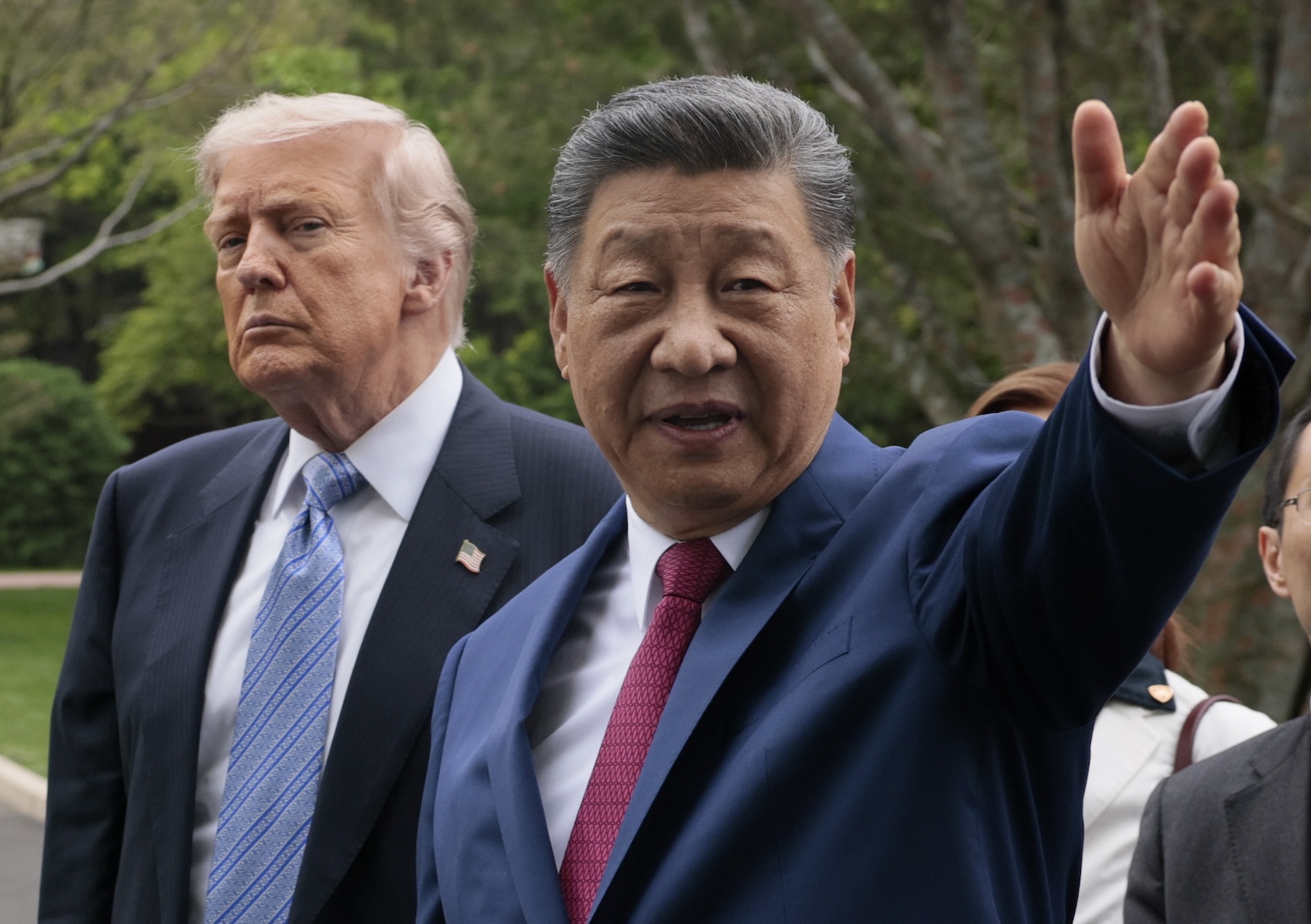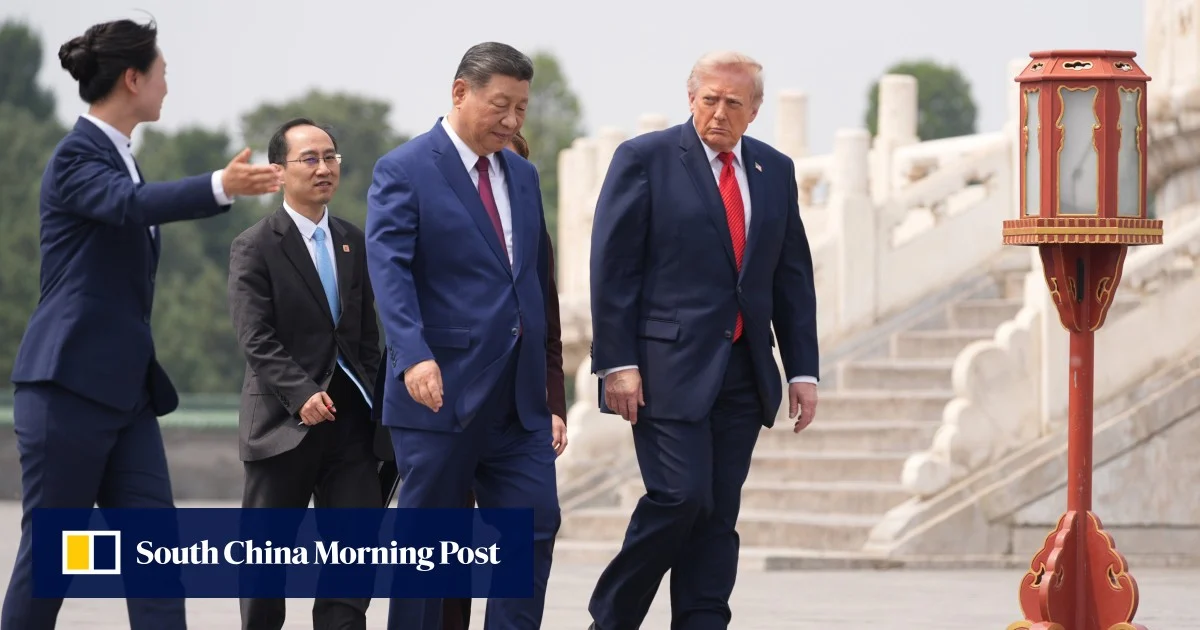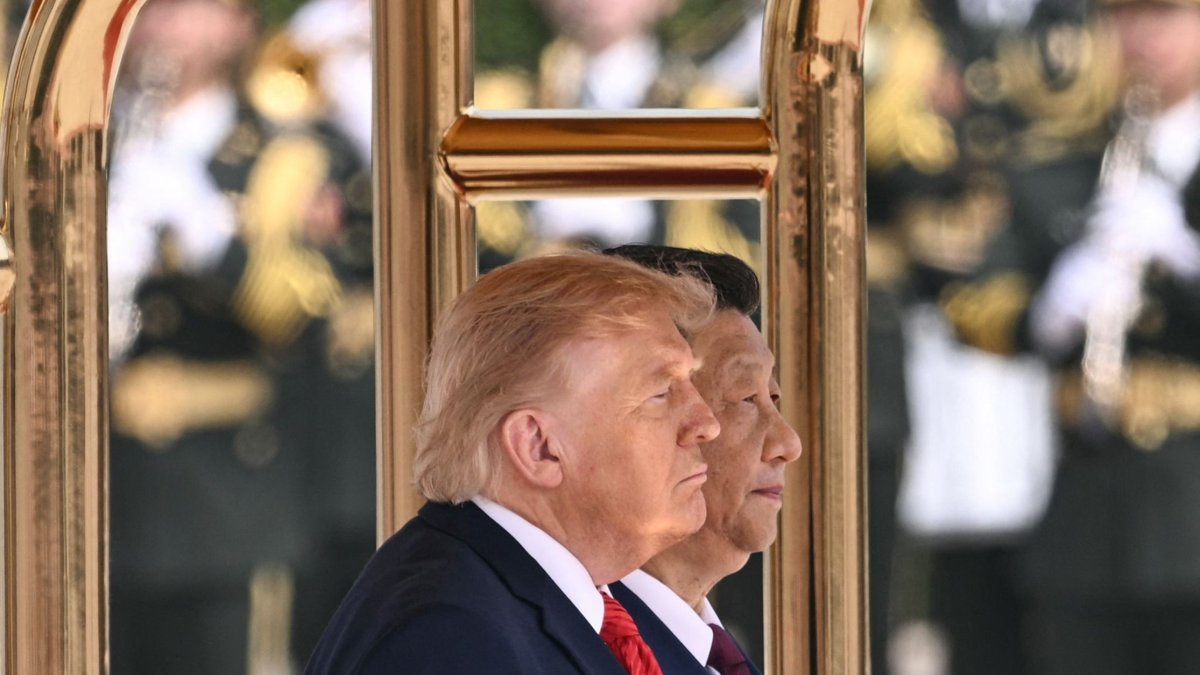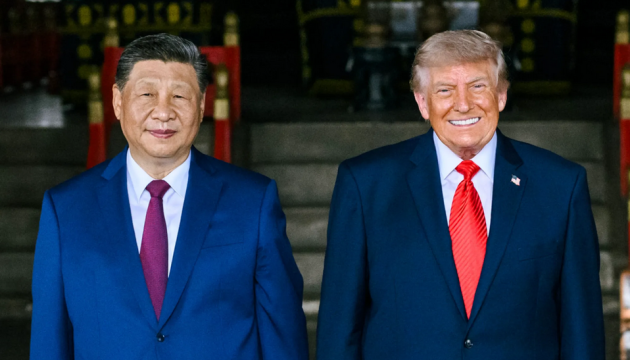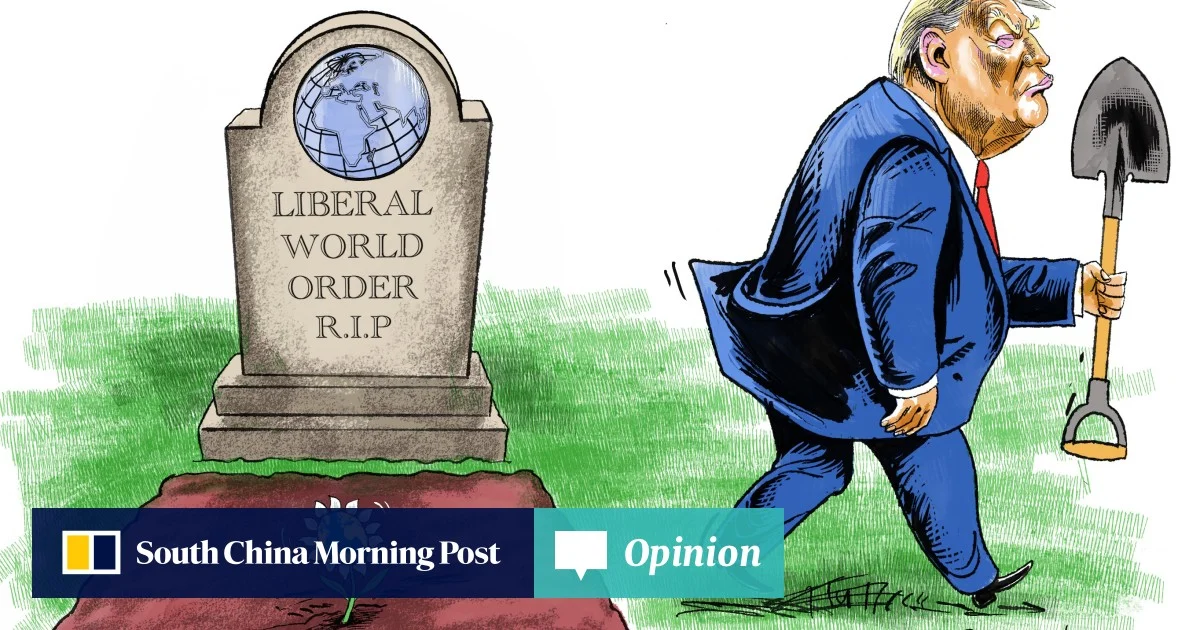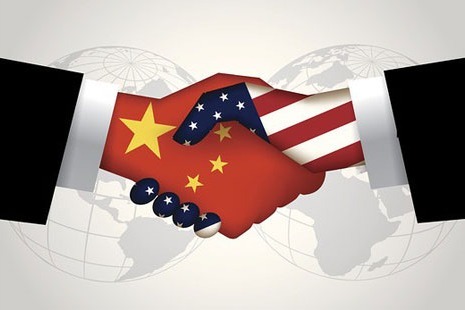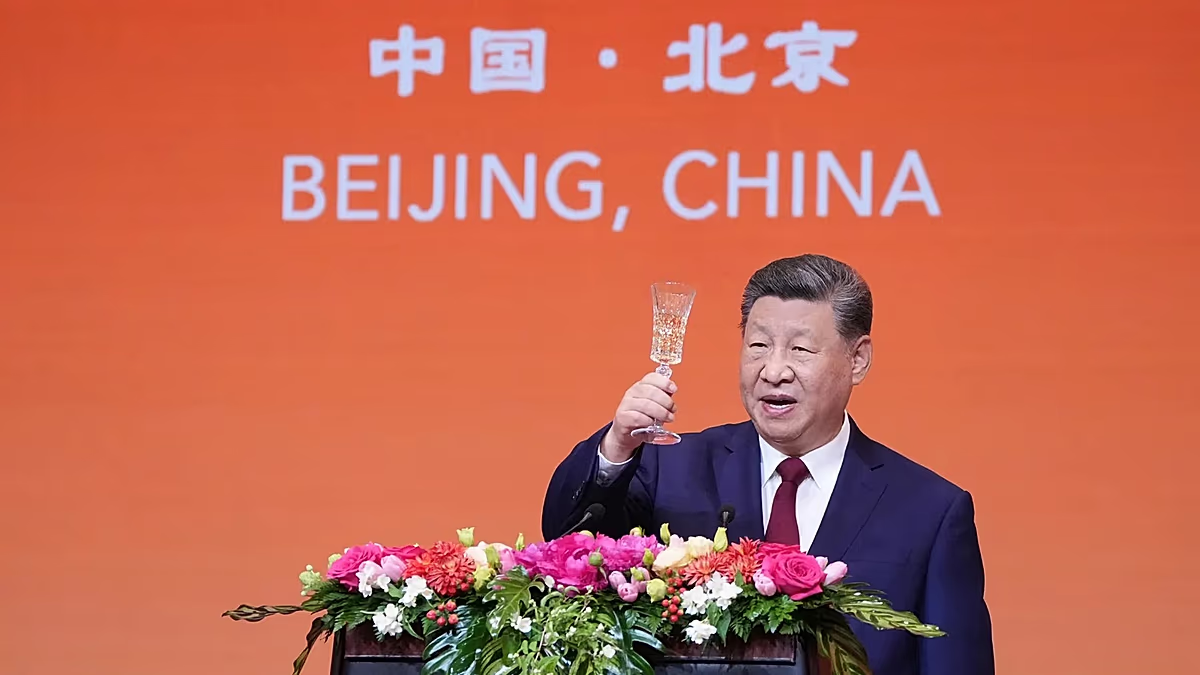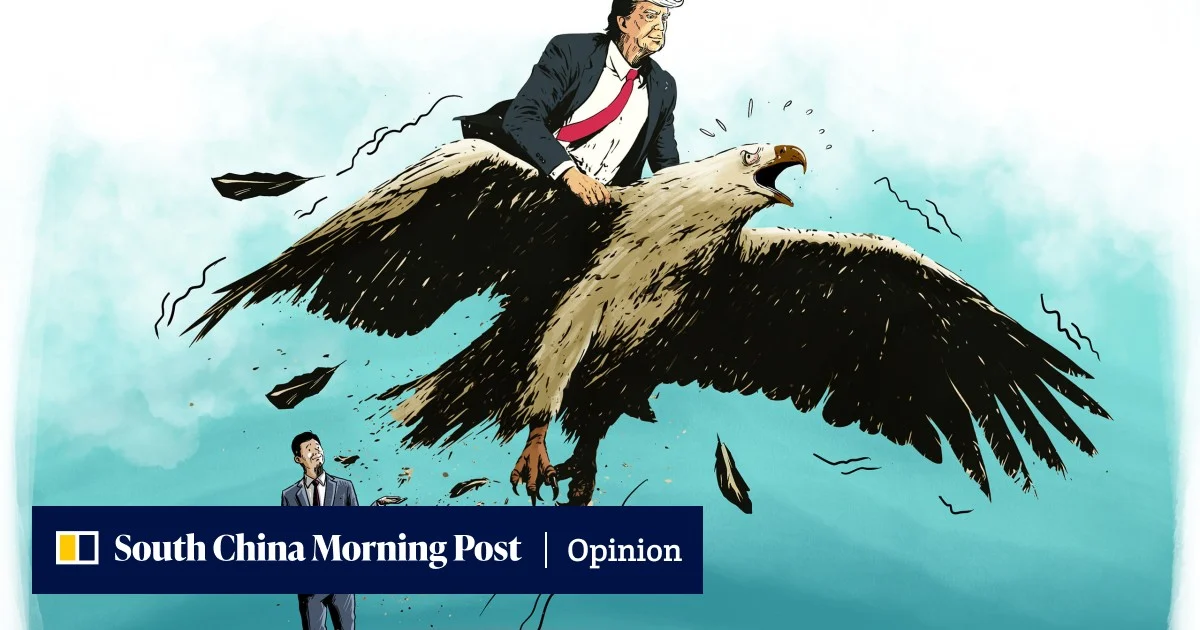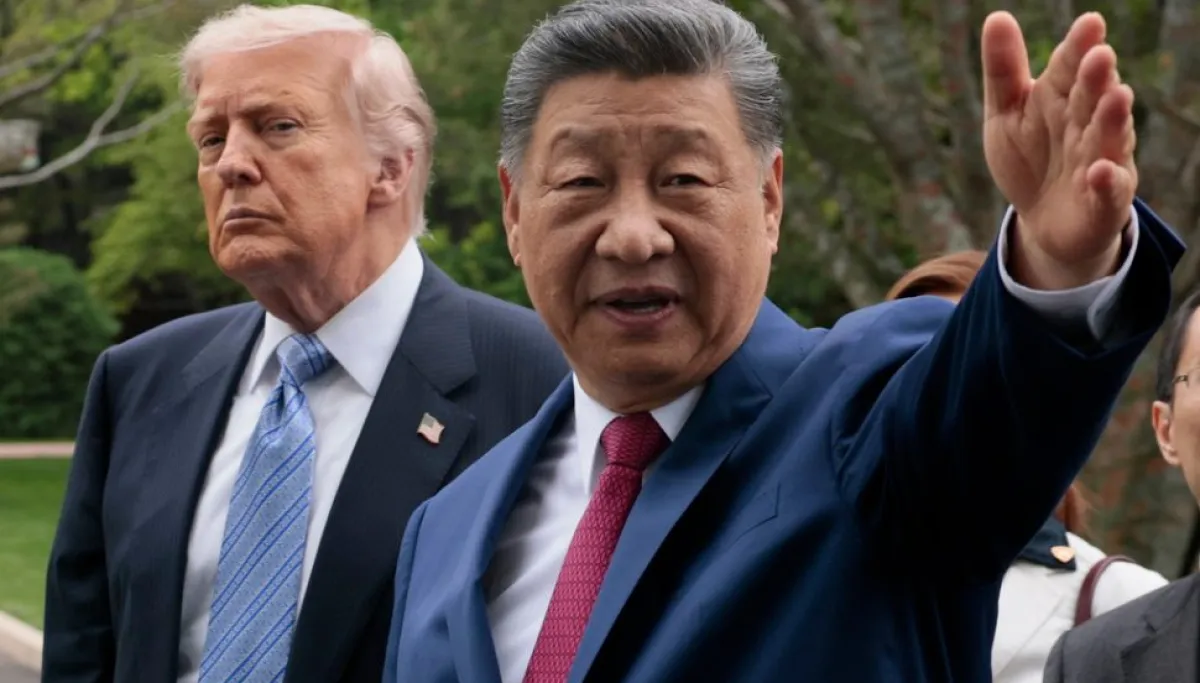
“Has China defeated our country?” chirped right-wing activist Mike Cernovich when reposting a clip of President Donald Trump speaking to Fox News’s Sean Hannity on Friday. The Make America Great Again movement, committed to confronting China, not Russia, was not impressed by the recent summit in Beijing with Chinese President Xi Jinping, whom it sees as the foreign adversary par excellence. Yet beneath the ideological noise surrounding the summit lies a far more consequential geopolitical question: is Washington gradually normalizing China as a co-manager of global order? Strategic communication between the world’s two largest powers is necessary, particularly amid rising tensions over trade, technology, and Taiwan. But diplomacy with Beijing should not evolve into an informal group of two arrangement that sidelines America’s democratic allies and legitimizes China’s revisionist ambitions. The challenge for the United States is therefore not whether to engage China, but how to do so without weakening the alliance structures that have long underpinned American global leadership.
TRUMP AND XI GO BIG ON THE POMP BUT LIGHT ON THE SUBSTANCE
Trump’s alliance outlook is increasingly transactional. While the White House remains skeptical of several European allies for underinvesting in defense and relying excessively on American protection, key Indo-Pacific partners such as Japan and Australia have adapted more effectively to Trump 2.0.