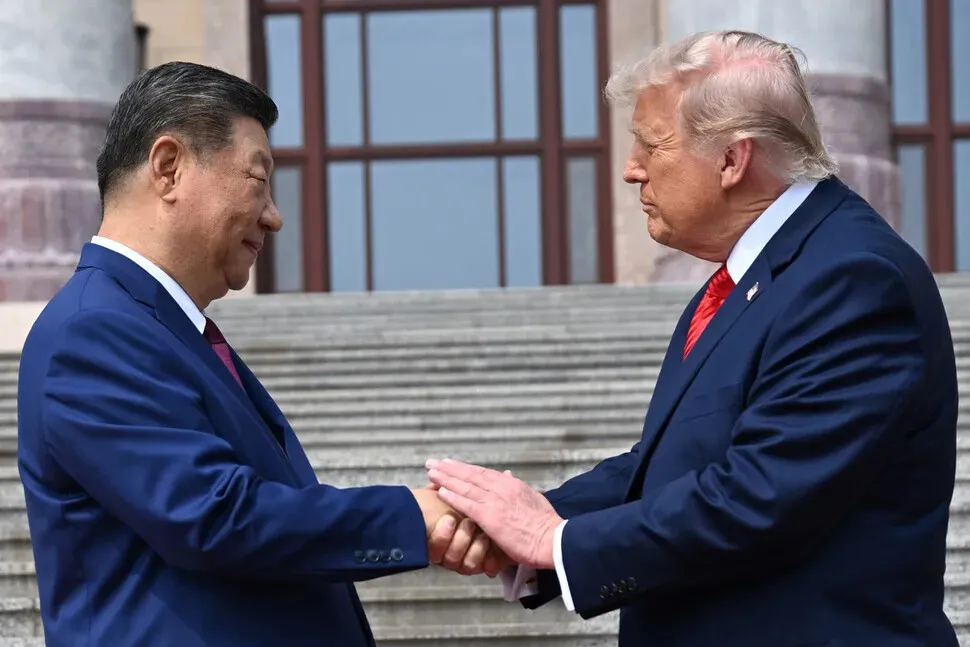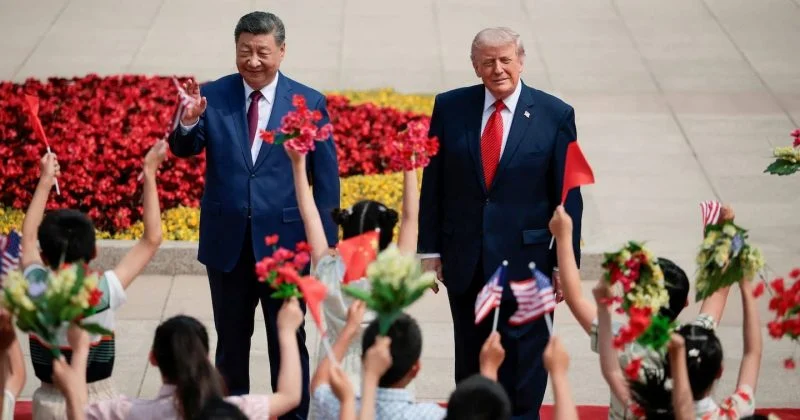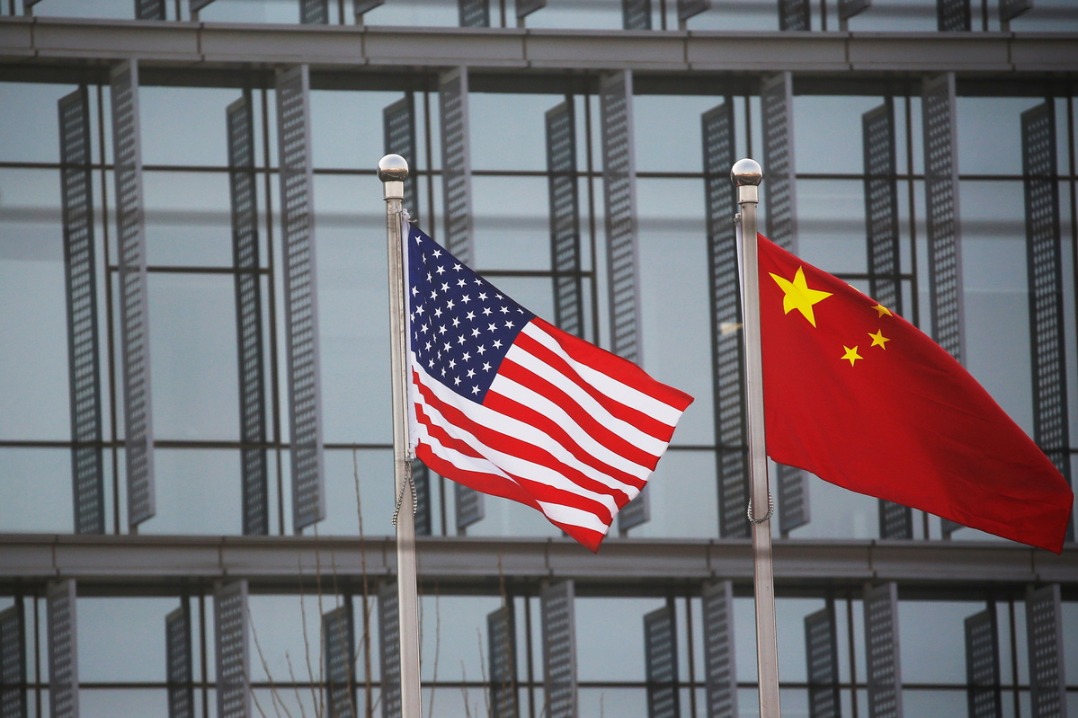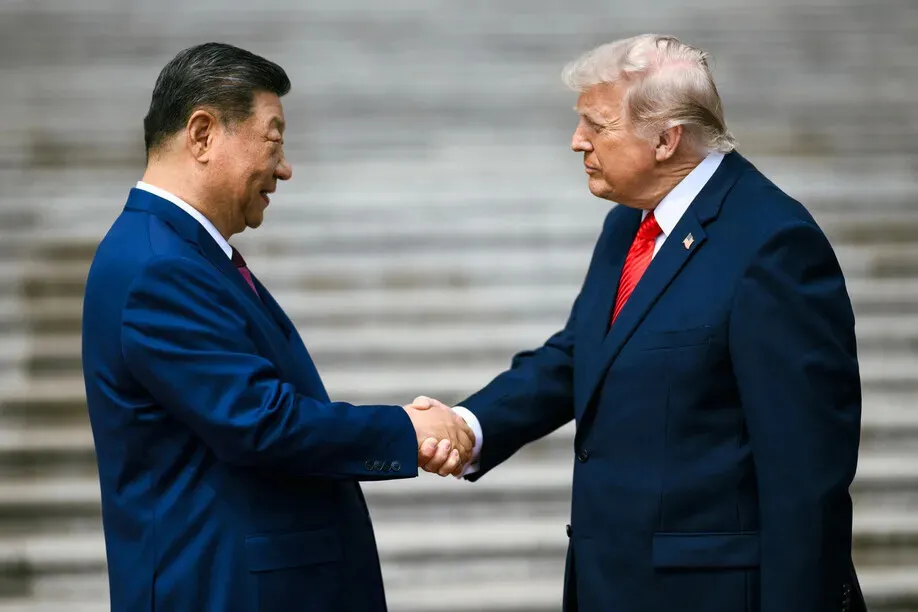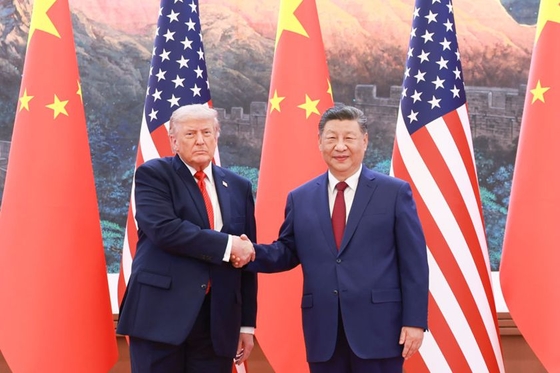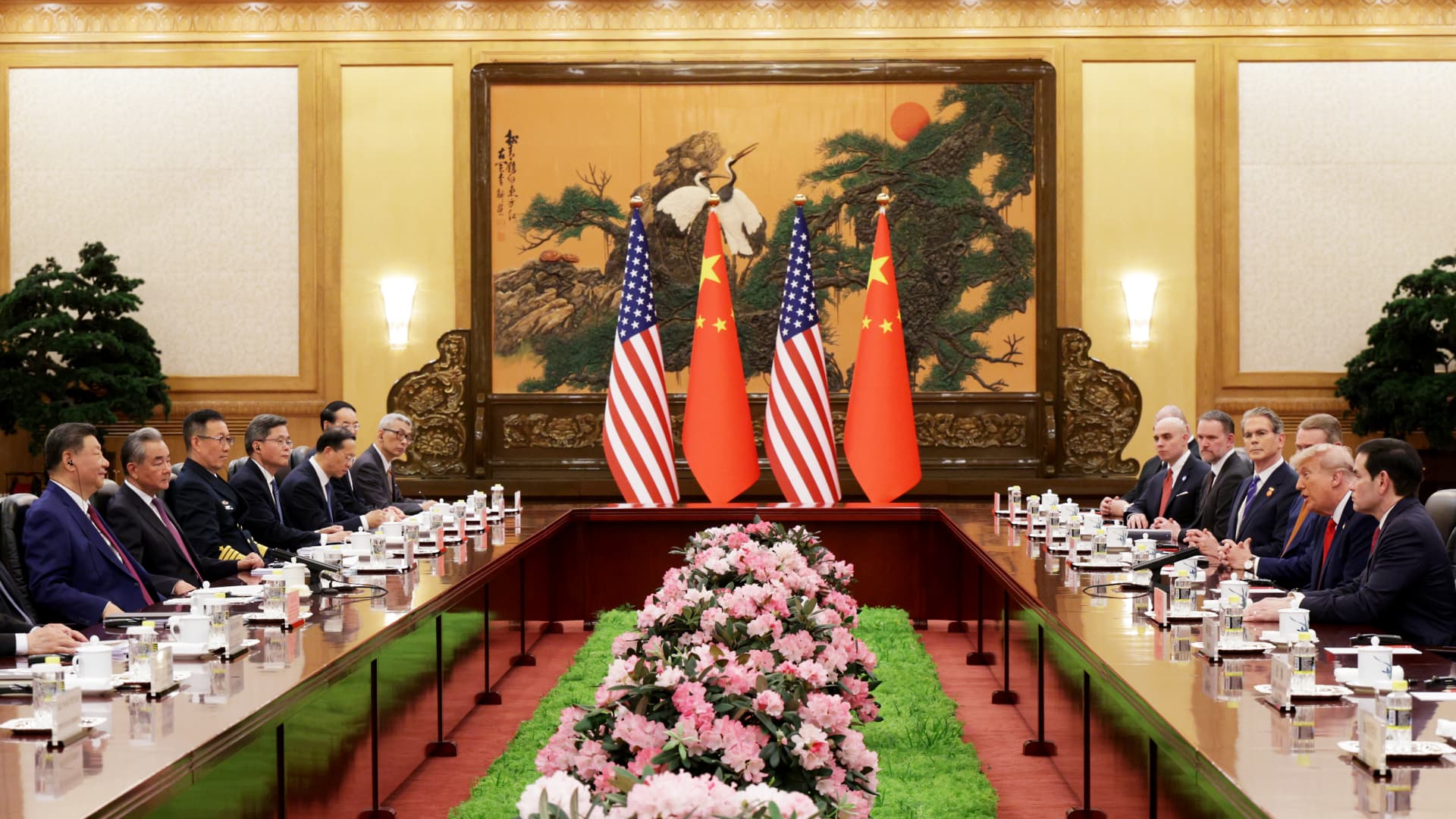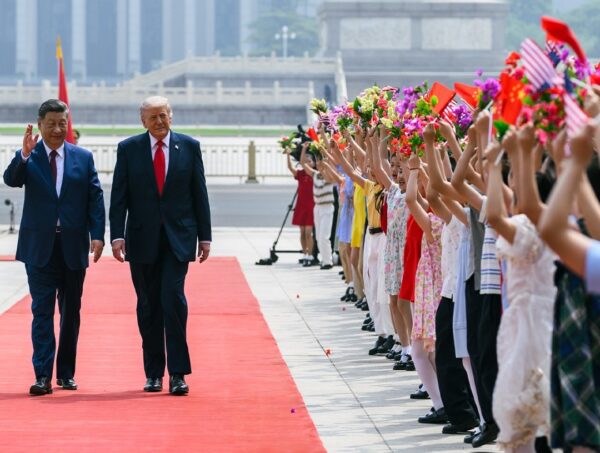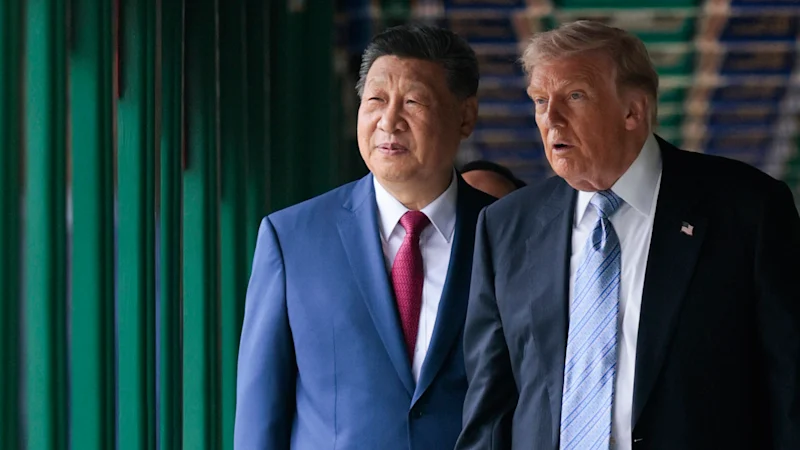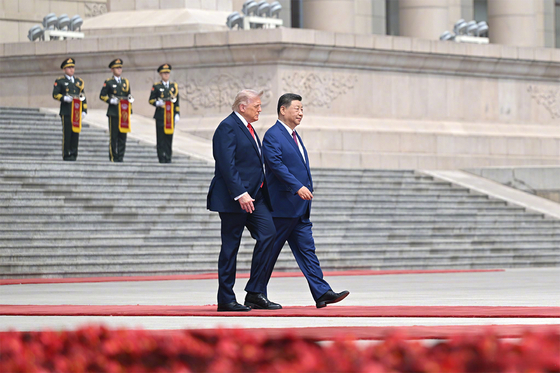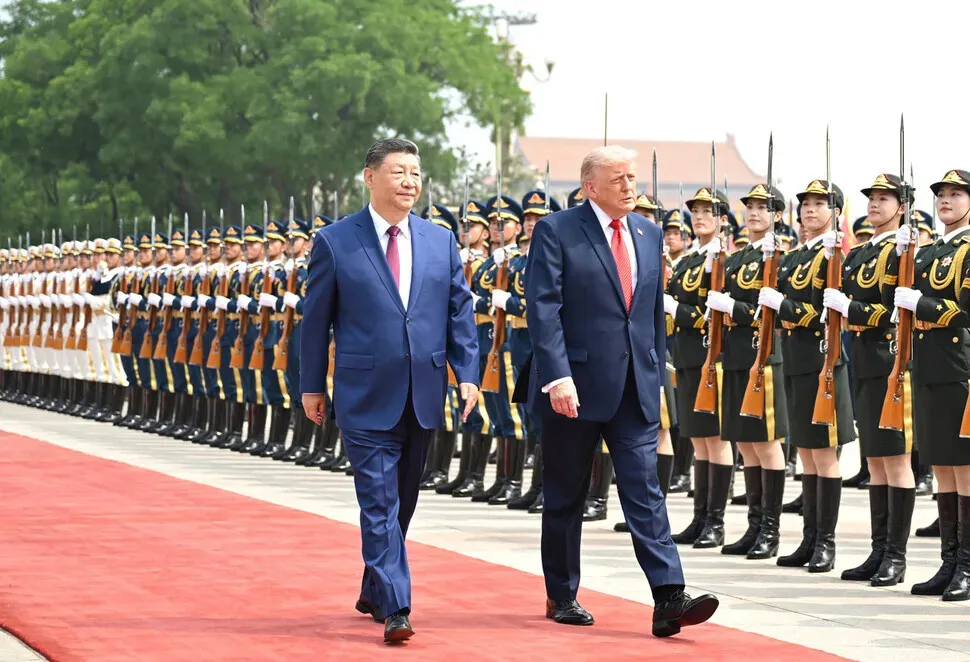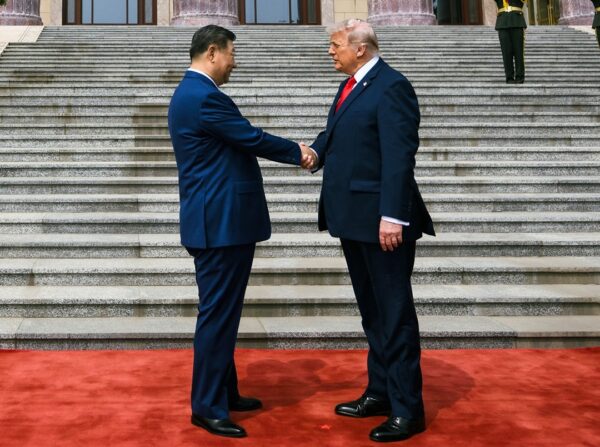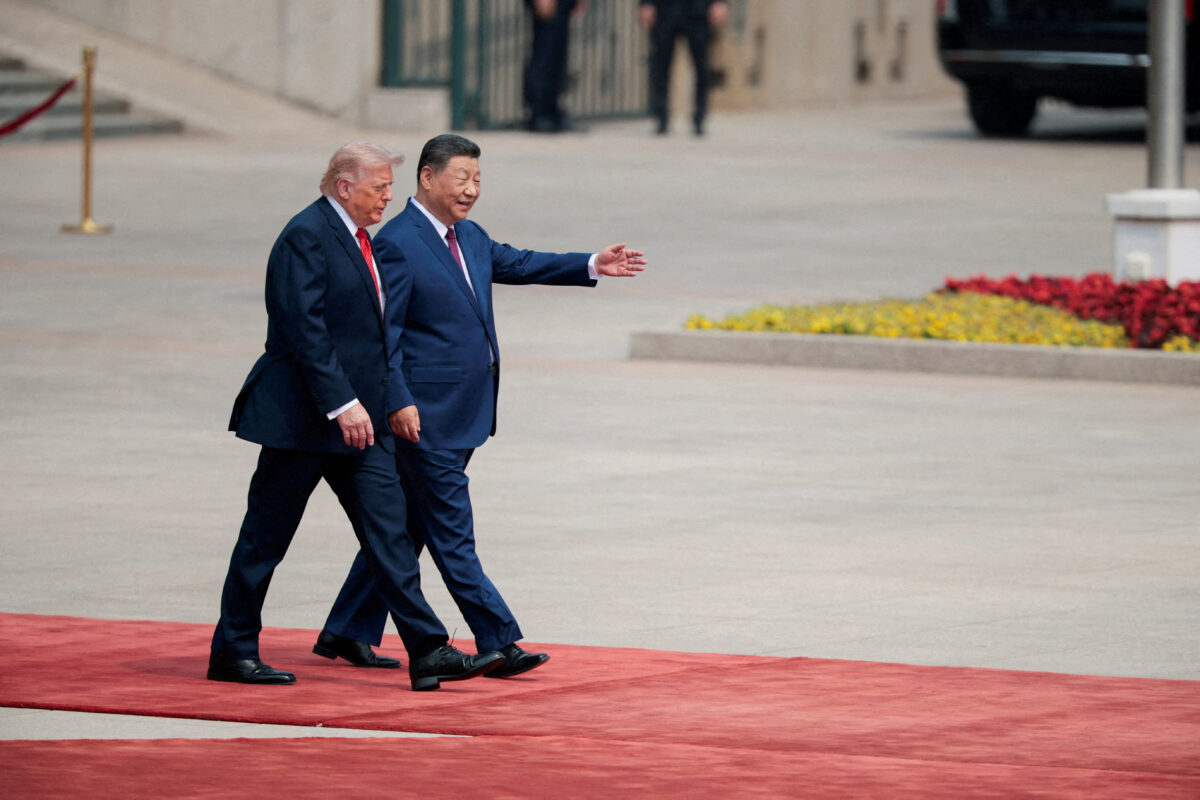
At the end of the much-heralded summit in Beijing last week, Chinese President Xi Jinping declared that he’d agreed with US President Donald Trump on ‘a new vision for building a constructive China–United States relationship of strategic stability’. This is meant to provide strategic guidance for the relationship over the next three years and beyond.
Xi’s opening remarks framed this conclusion: ‘The world is at a crossroads’, Xi began. ‘Can China and the United States transcend the so-called “Thucydides Trap” and forge a new paradigm for major-power relations? … Can the United States and China create a new paradigm of relations to meet these global challenges together?’
It is only natural that Xi felt content to vouchsafe this vision of potential future harmony to his American guests. Any impulse Trump might have had towards confrontation — on trade, security, or other matters — was checked by the sure knowledge (on both sides) that the Chinese had a strong hand. Trump has been on the back foot in his trade war, both legally and politically, and is bogged down in a strategic quagmire of his own making in the Middle East. The Chinese strategy, even as China pays the cost of being cut off from crucial oil supplies, is to give Trump enough rope to entangle himself and pose as the more reliable global actor — and, as Erica Downs has observed, an increasingly important energy partner in the middle of the Strait of Hormuz crisis.