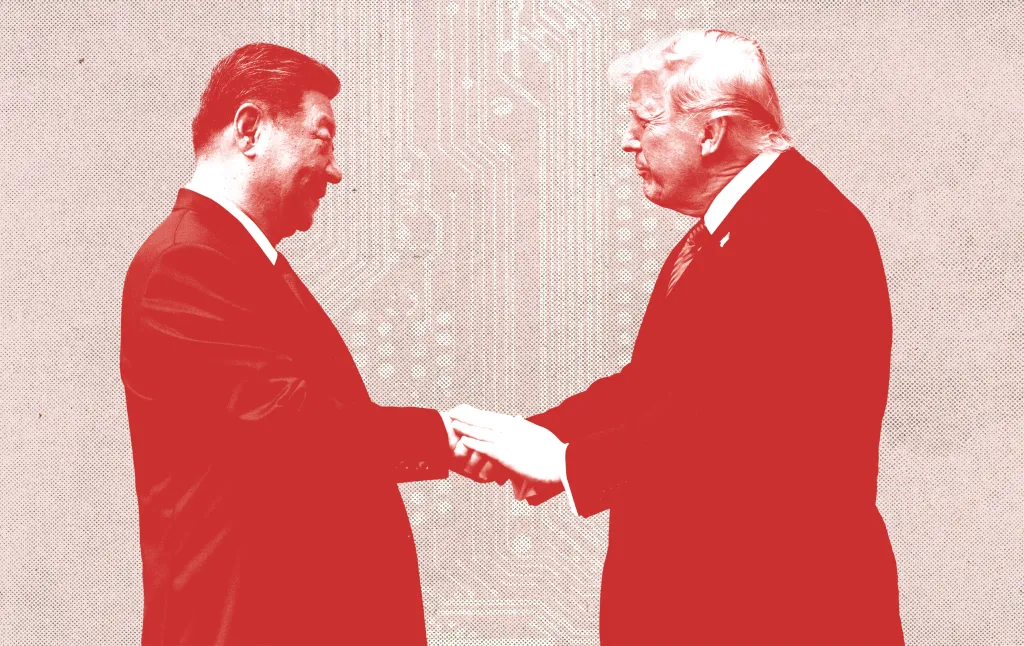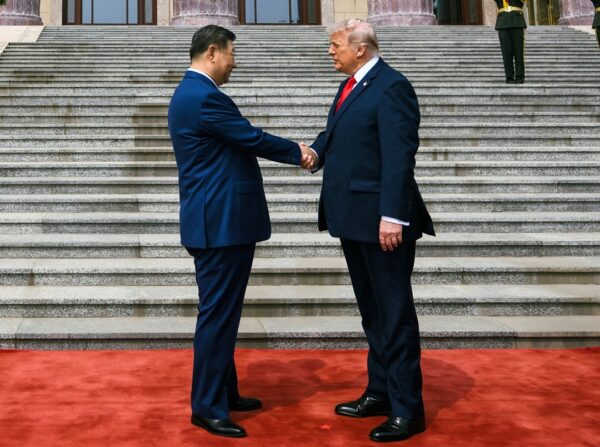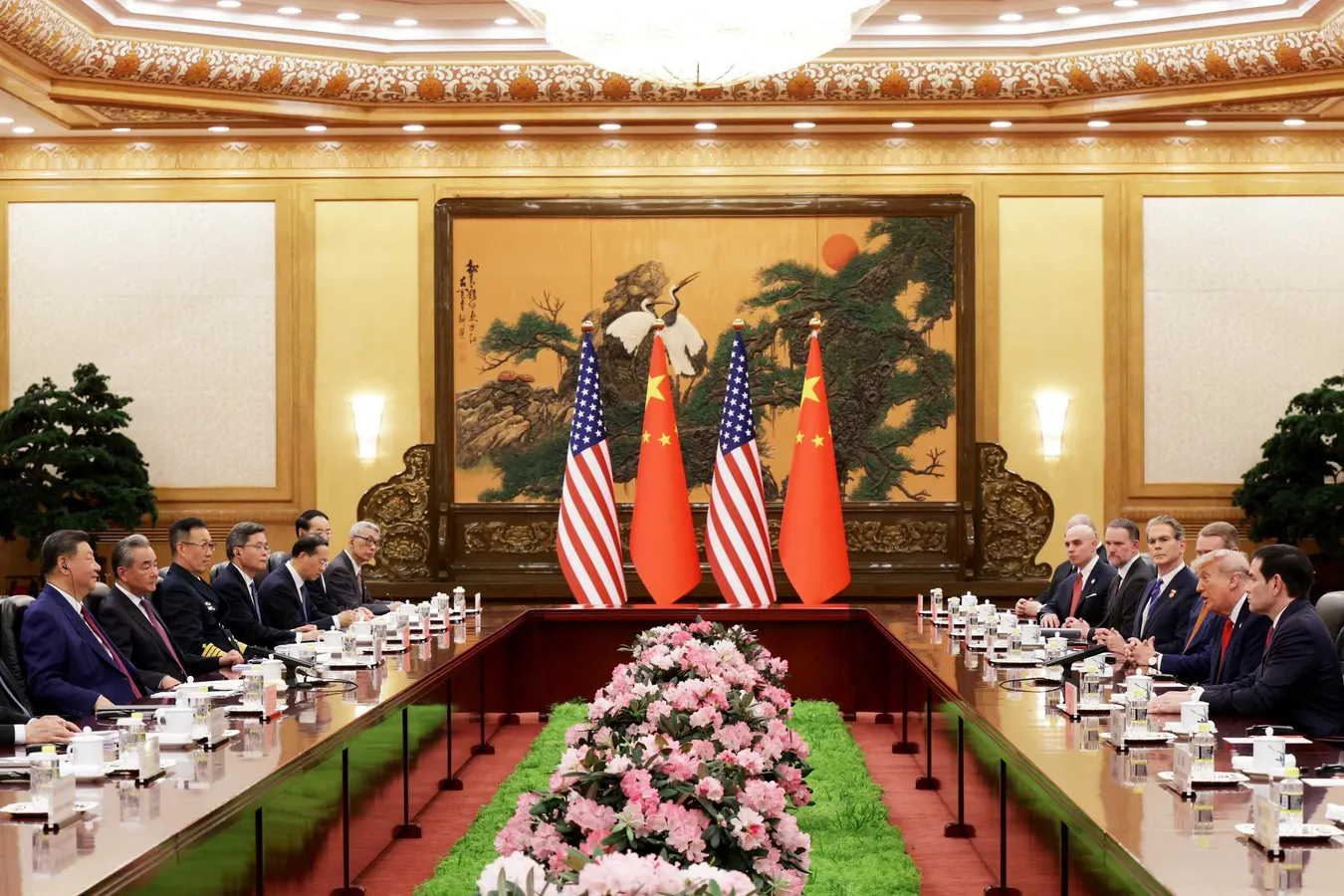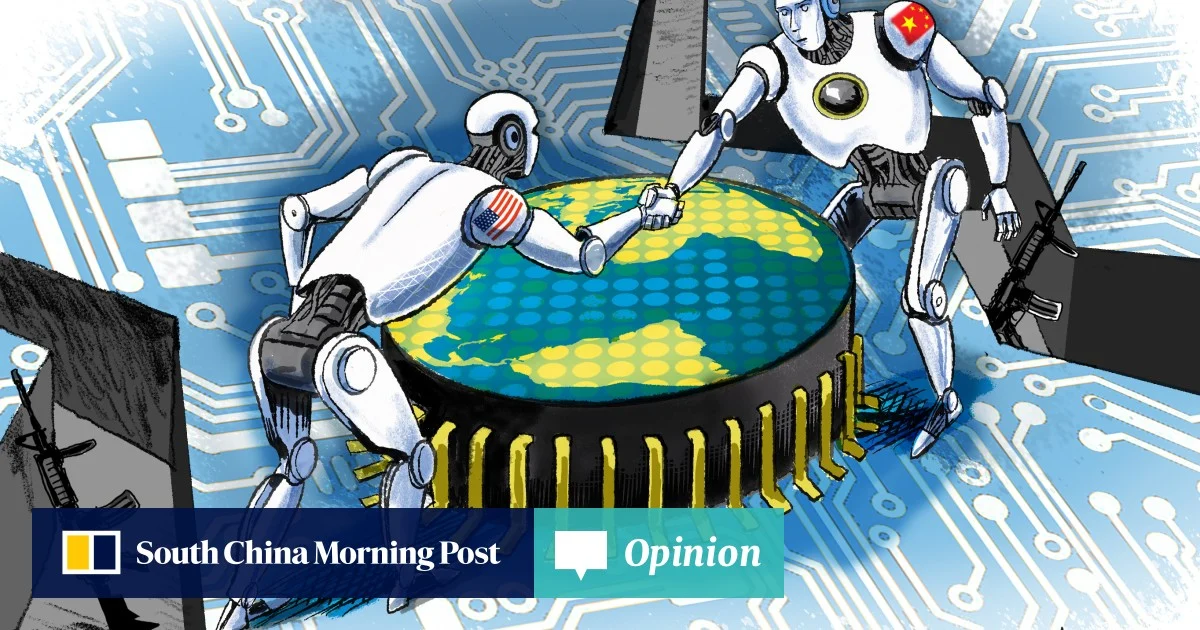
In the wake of the summit between Chinese President Xi Jinping and US President Donald Trump, the China-US relationship is, in one critical respect, more dangerous than at any time since Tiananmen Square. The reason is not trade friction, tariffs, Taiwan or geopolitical competition – significant as those are. It is the competition over artificial intelligence supremacy, which will reshape every aspect of relations in the coming decade.This is not just a technological contest. It is a contest between institutional systems. A quarter-century ago, during the debate over permanent normal trade relations with China, Washington confronted a familiar strategic question: engagement or confrontation.One camp favoured sustained economic integration by supporting China’s admission into the World Trade Organization. The other sought to condition trade on human rights benchmarks. The underlying issue was whether economic engagement would moderate China’s behaviour or strengthen a strategic rival.That question has returned – but on different terrain. Today, AI is the most critical battleground. In Washington, the prevailing view, as exemplified by export controls on semiconductor technologies, is that technological competition makes engagement obsolete. Decoupling – economic, technological and institutional separation – is increasingly treated as both a defensive necessity and a long-term strategy.That framing is wrong. AI differs from earlier technologies in one critical respect. Its greatest impact comes not from isolated applications but integration. The most advanced systems are not stand-alone tools; they are enterprise-wide platforms that operate across functions – finance, logistics, manufacturing, intelligence and decision-making. Their value lies in how they connect systems and functions.China has significant advantages in deploying enterprise AI at scale. The state can align private firms, state-owned enterprises and regulatory policy for rapid coordination. Capital can be directed towards strategic sectors. Data can be aggregated across institutions. These features make it easier to deploy enterprise AI across entire systems, generating synergistic and exponential gains that are economic, political and military at once.
Opinion | US and China must talk to manage dangers of AI contest in a nuclear age
The coexistence of the nuclear age with the AI age is a cocktail for unprecedented existential danger. Engagement, not decoupling, is needed.
314 words~1 min read