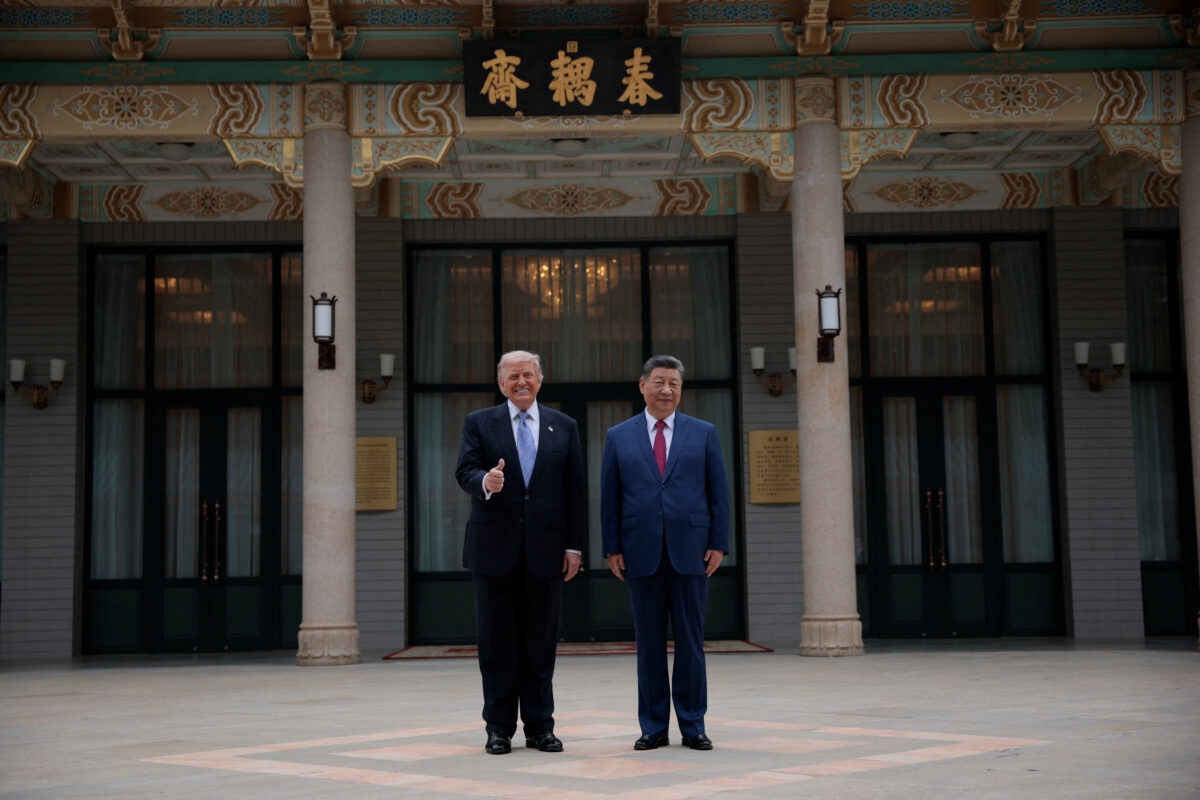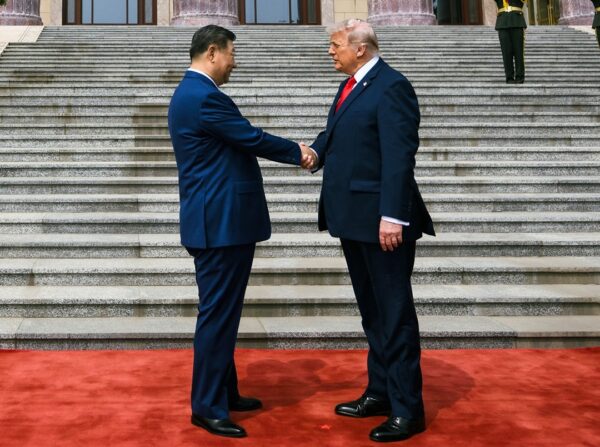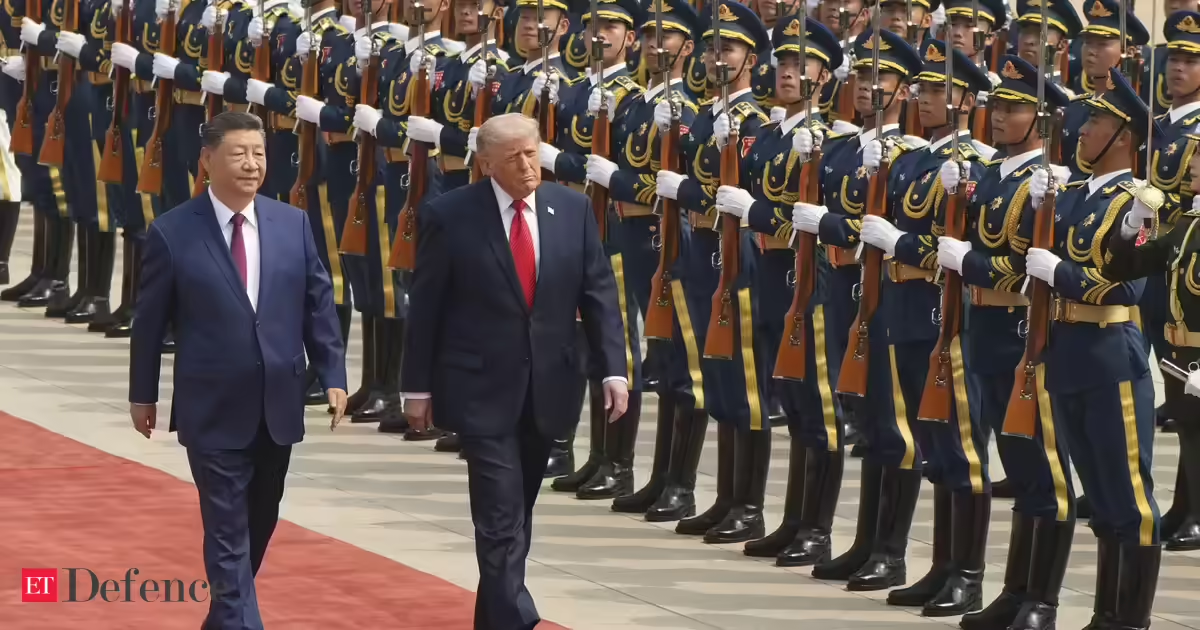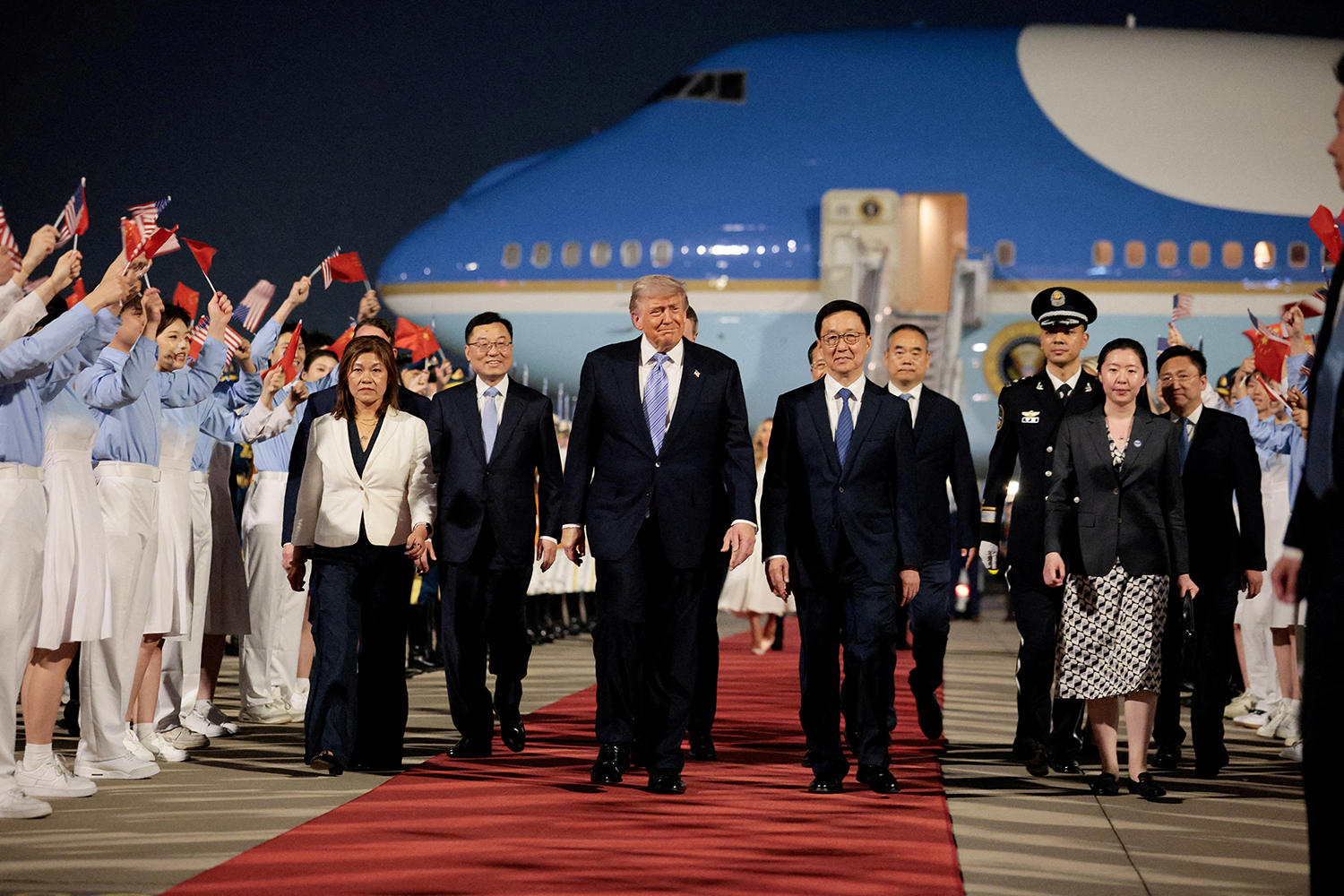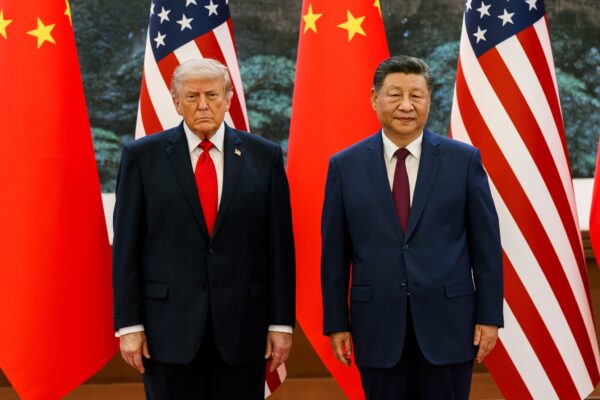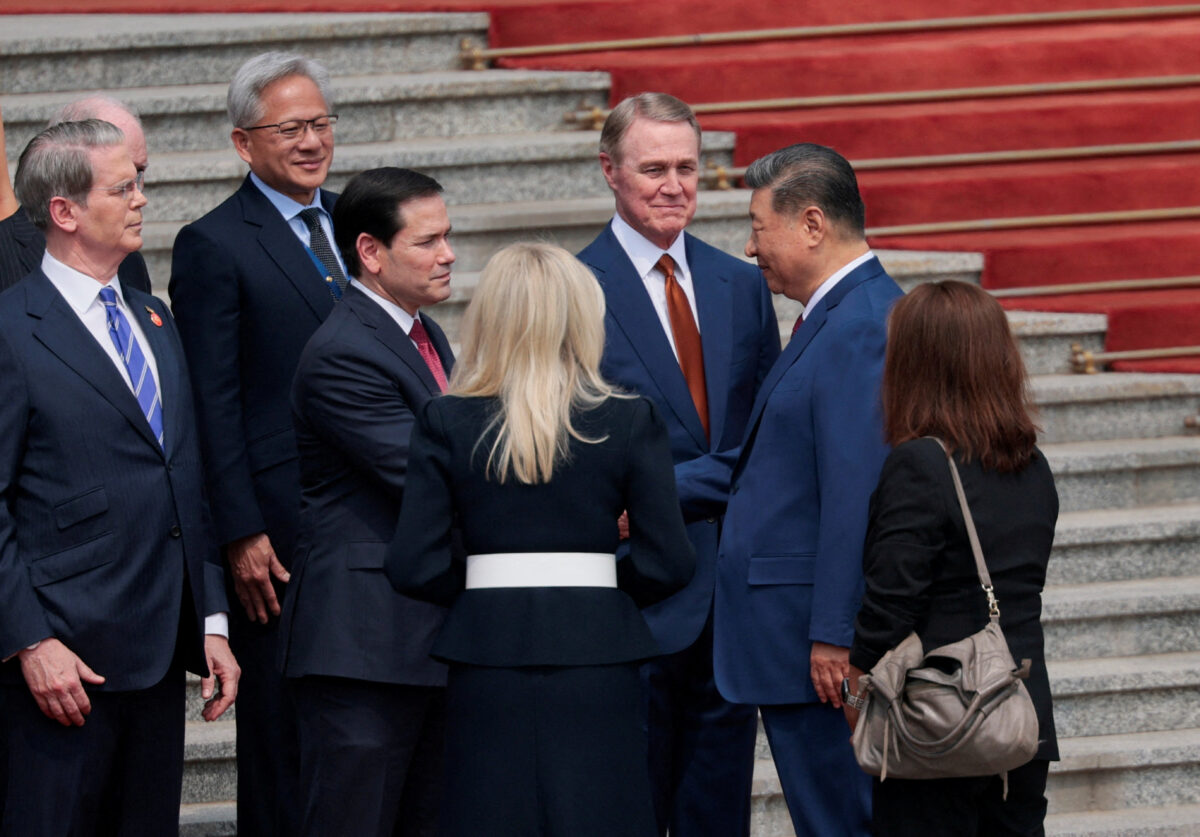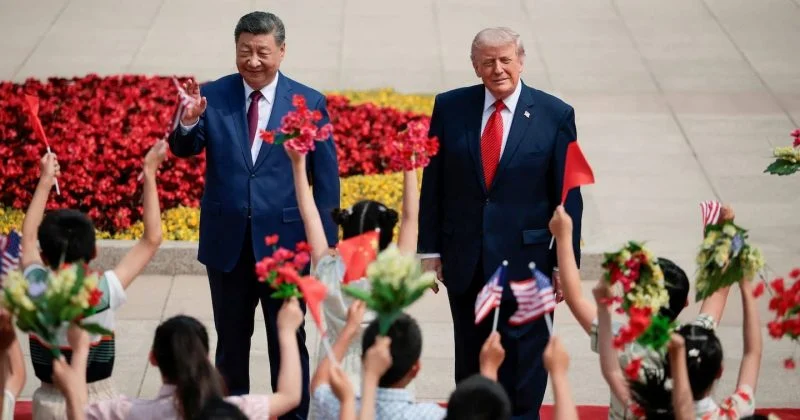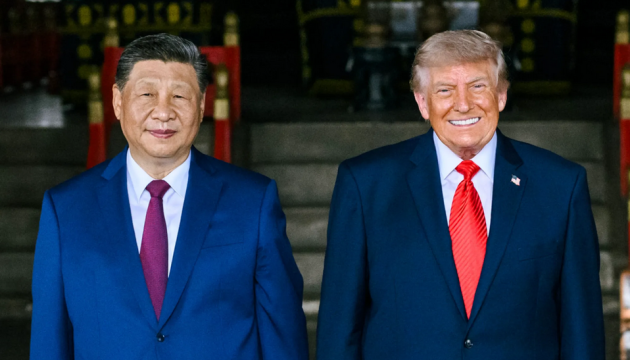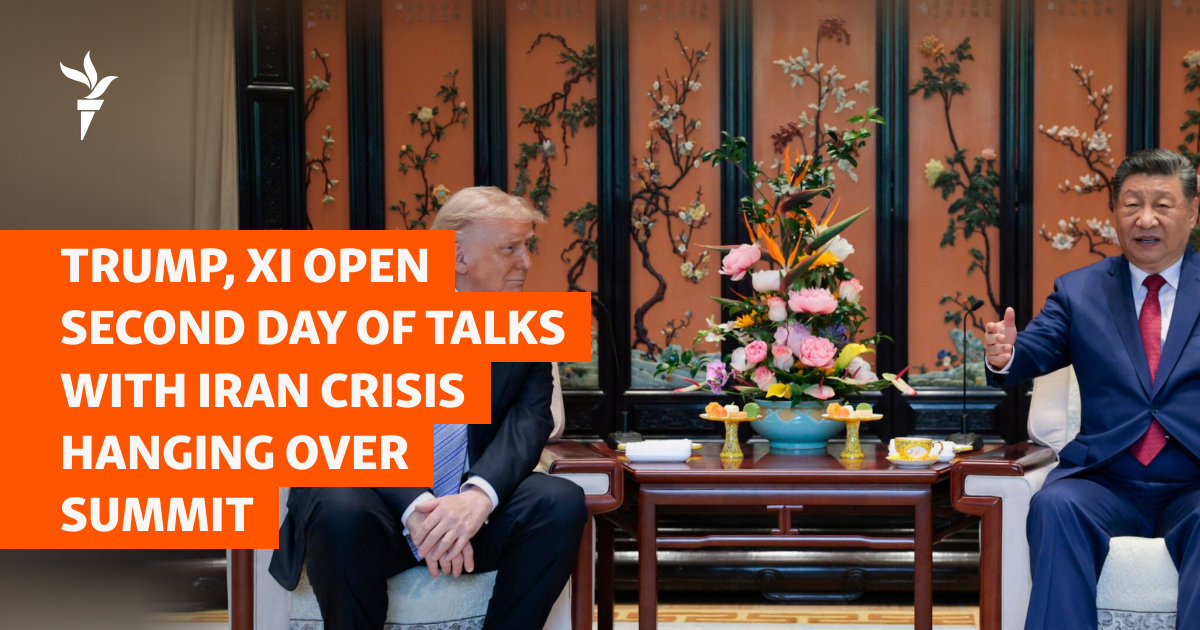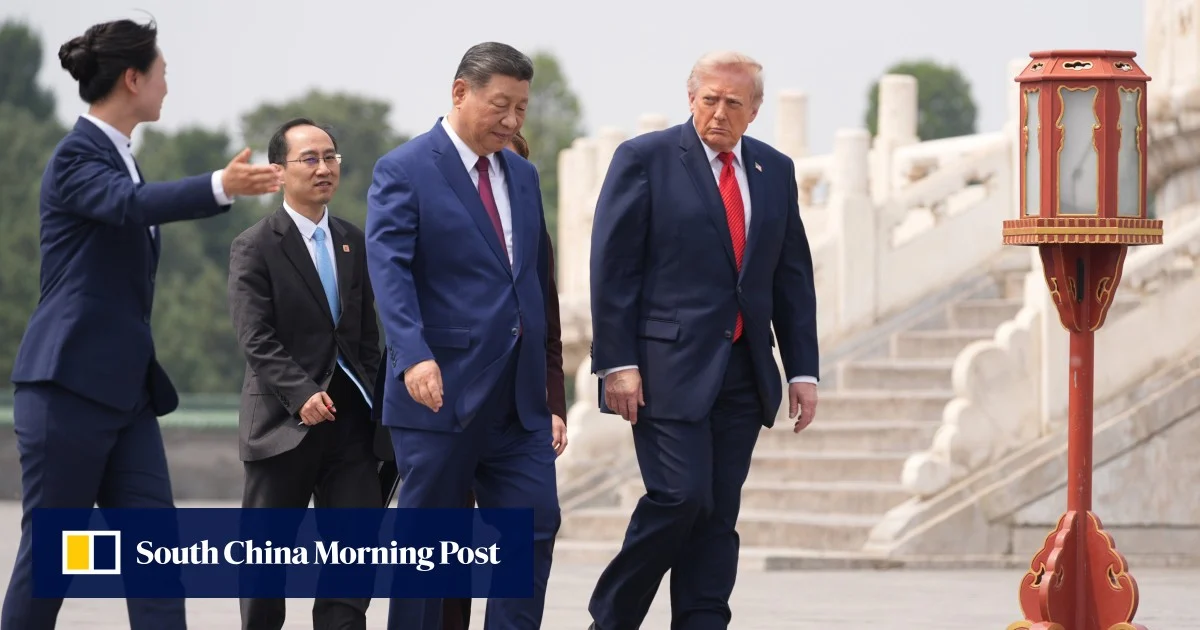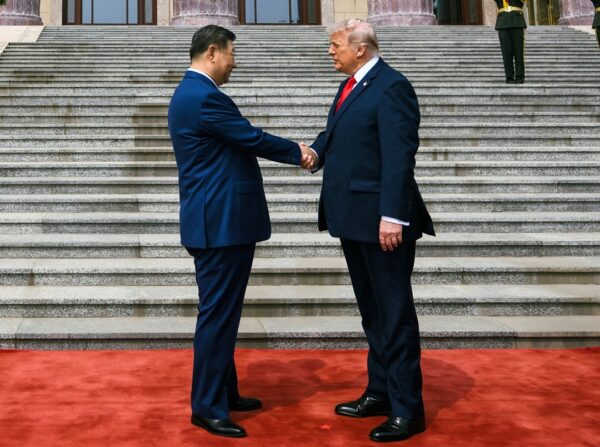
Xi Jinping’s supreme confidence in hosting U.S. President Donald Trump reflected Beijing’s conviction that time and strategic momentum are on China’s side.
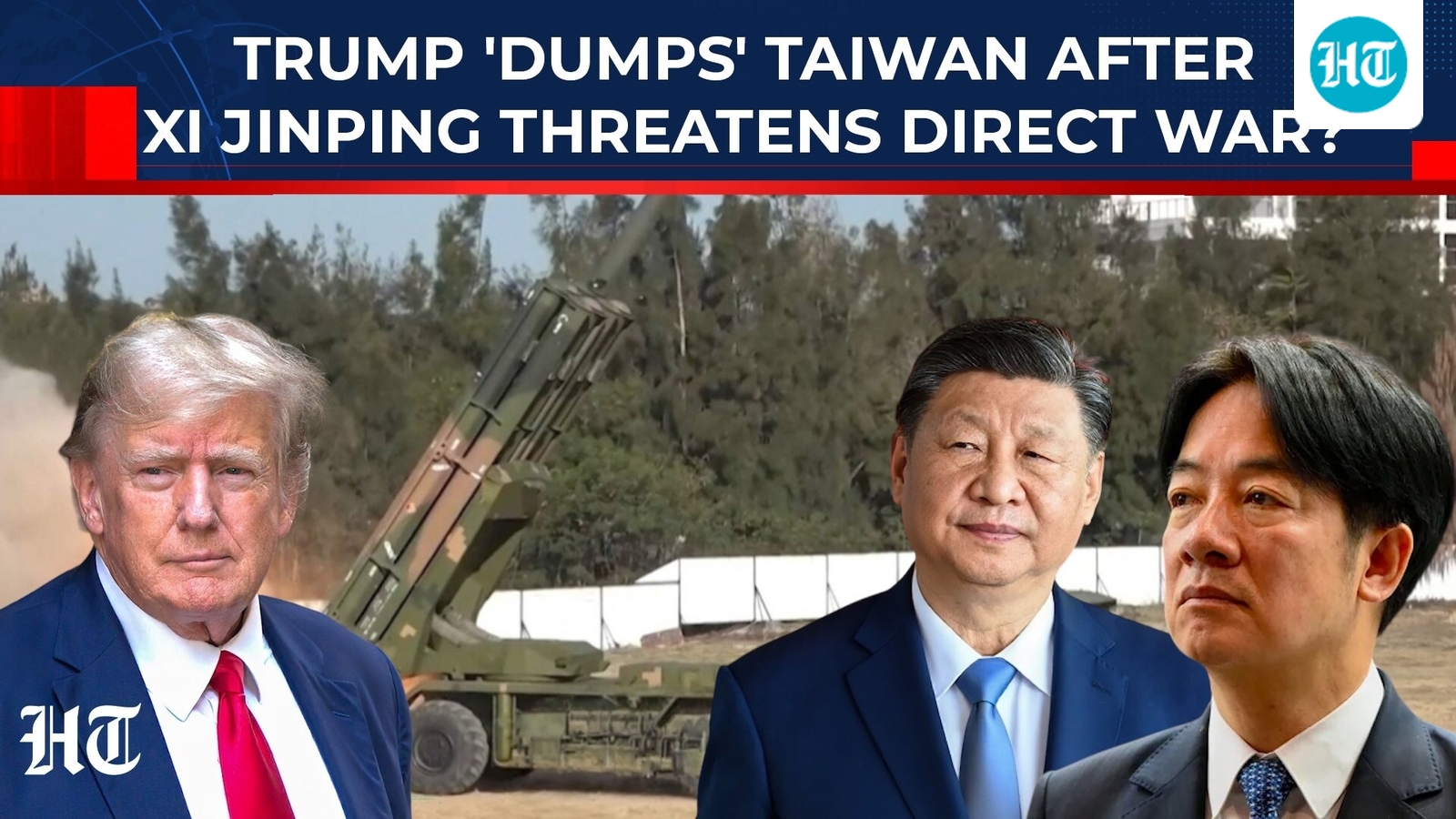
The summit’s language about “constructive strategic stability” echoed earlier Chinese diplomatic formulations under Jiang Zemin and Hu Jintao. Xi’s more salient message was that more stable relations require Washington to avoid “mishandling” Taiwan. Beneath the summit optics lies the reality that China’s rapid nuclear transformation is increasingly straining extended deterrence and unsettling the United States’ Asian allies.
China’s Nuclear Transformation
For decades, China maintained a relatively modest nuclear deterrent built around assured retaliation. That era is over. China is no longer content with a minimalist deterrent. It is building a larger, more flexible nuclear force at “breakneck speed,” designed not simply to retaliate, but to coerce. In any direct conflict, conventional combat could quickly acquire nuclear overtones, bringing escalation into view from the opening salvo.
U.S. intelligence and defense assessments show China building a full-spectrum nuclear force encompassing vast missile fields, more survivable submarines, improved bombers, and theater nuclear options that increase flexibility and risk. The issue is less modernization than the emergence of a coercive nuclear posture designed to raise doubts about U.S. resolve.