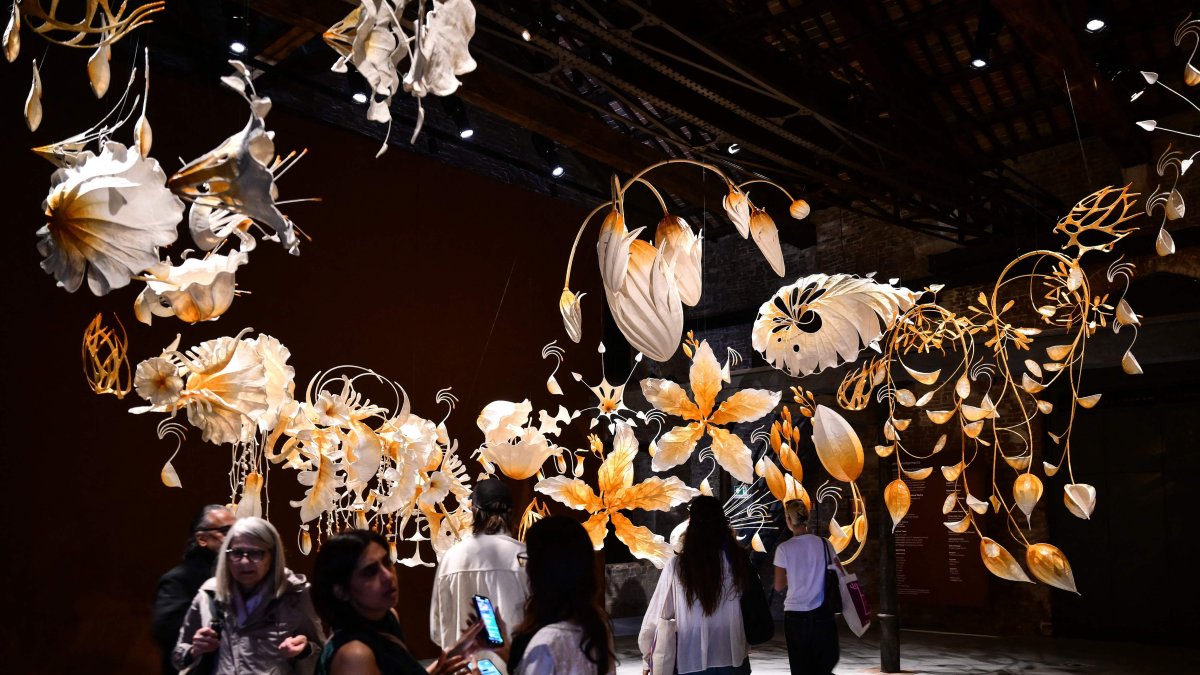
The Venice Biennale, often described as the Olympics of the art world, has long served as more than an exhibition. It acts as a cultural barometer a place where shifts in aesthetics, politics, technology and collective anxiety begin to surface before entering the mainstream.
But this year, the Biennale became defined less by individual artworks than by the tensions surrounding them.
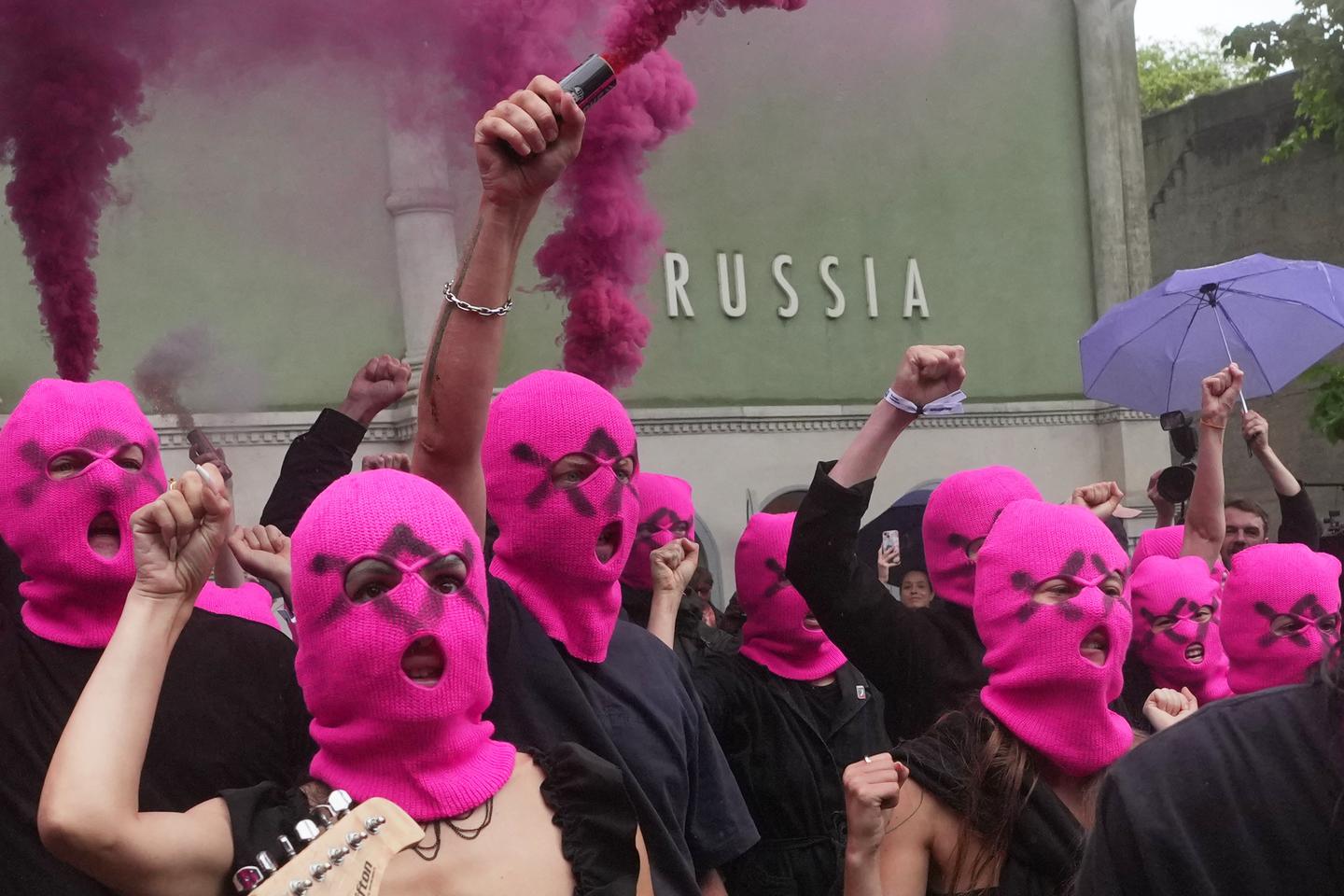
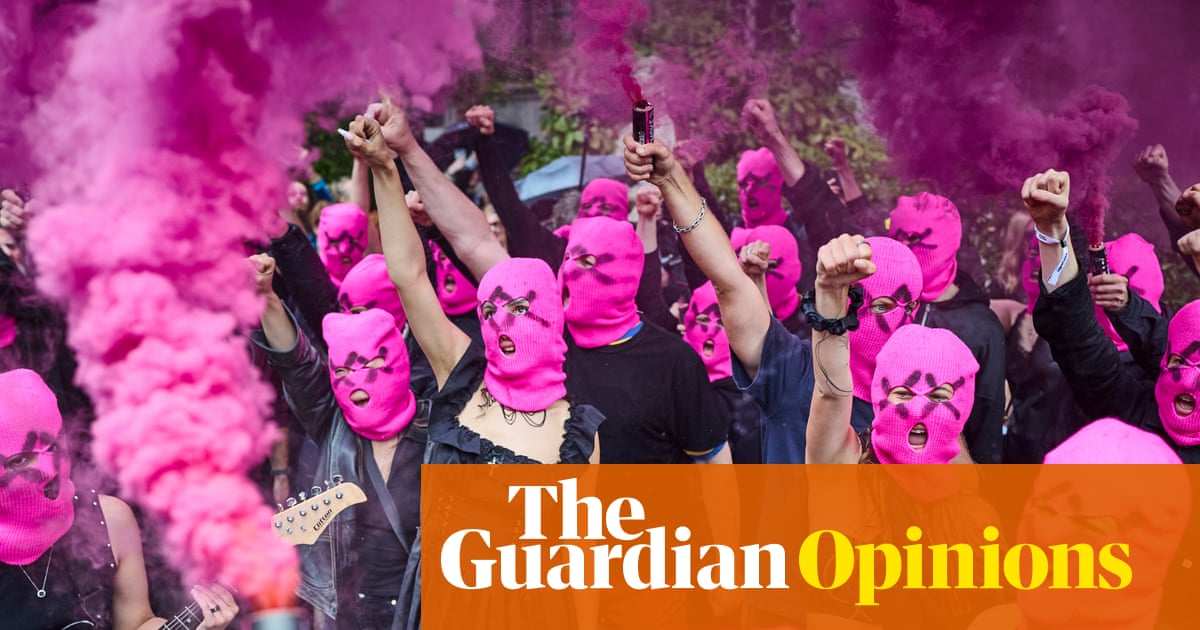
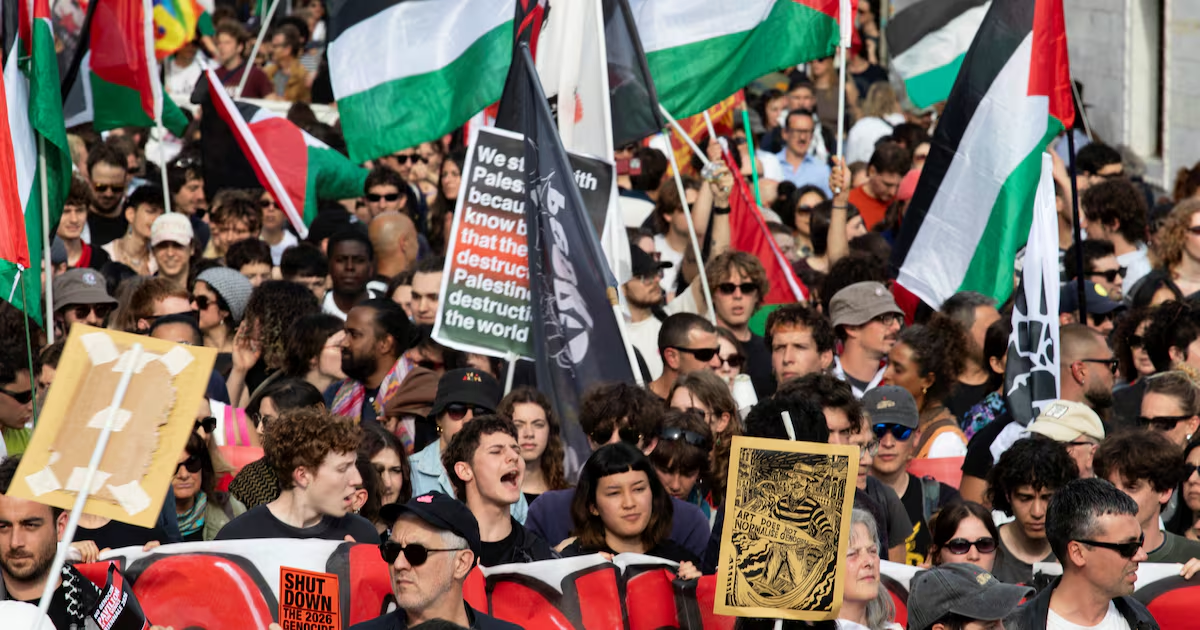
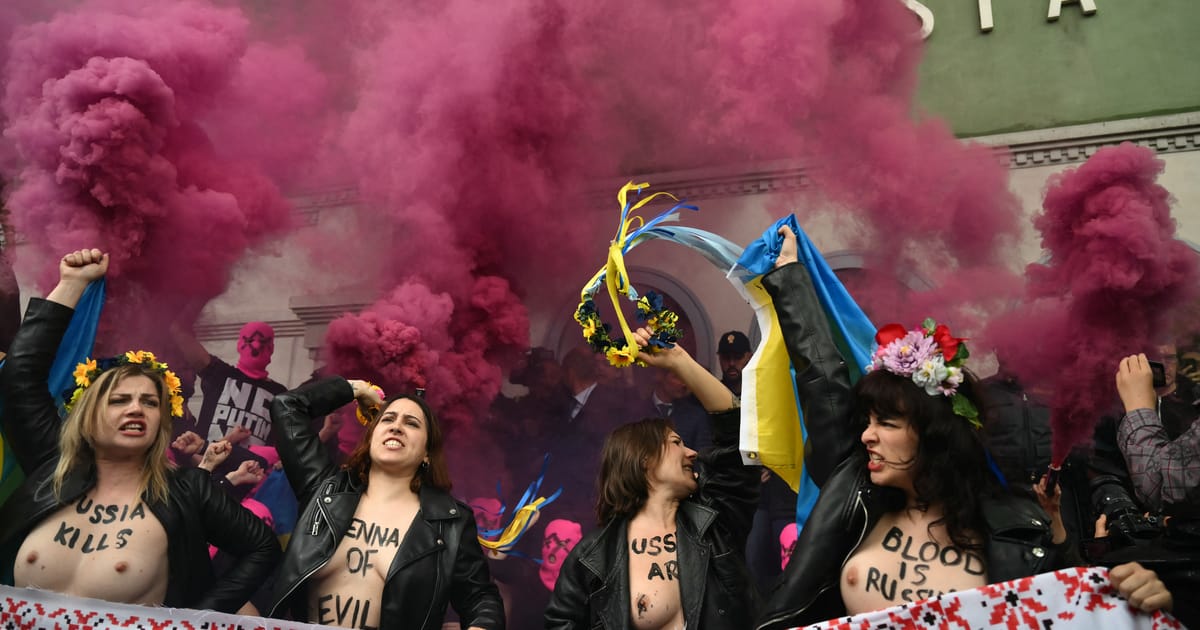
Opening week was marked by protests, political disputes, resignations and debates over legitimacy itself.
The return of the Russian Pavilion after years of absence, controversies surrounding the Israeli Pavilion, Australia’s withdrawal and later reinstatement of Khaled Sabsabi, and reports of jury resignations tied to objections over evaluating certain national pavilions transformed Venice into something larger than an art exhibition.
For decades, the art world has debated how political art should be and how much space should remain for aesthetics alone. Venice 2026 suggested that distinction may no longer hold.