The festival can often make you queasy, as geopolitics are played out through the proxy of art. This year it feels on the verge of collapsing in on itself
O
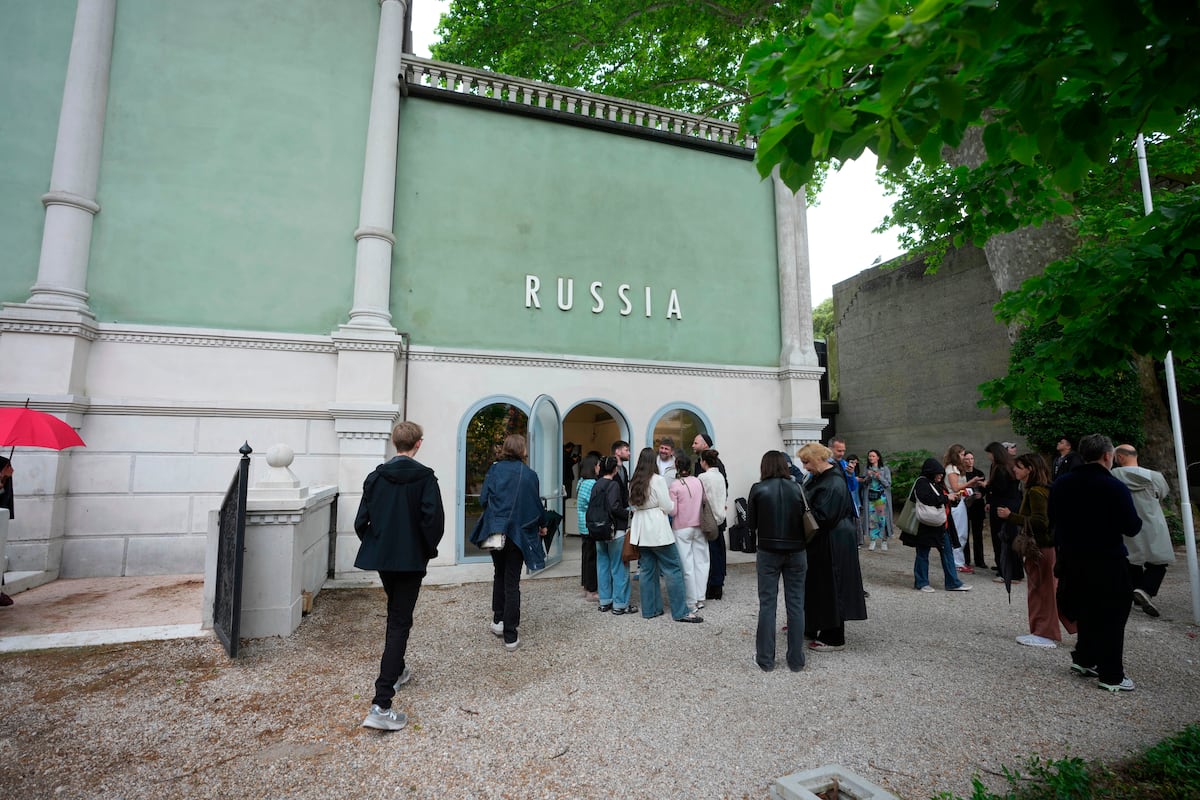
n Tuesday, the Russian pavilion at the Venice Biennale was full of activity. Several pallets, piled high with cases of prosecco and a few boxes of good old English Gordon’s gin, had been delivered outside. Inside, Ensemble Toloka, a group of “young folk performers and professional researchers of Russian authentic music”, were singing, balalaikas at their feet, the first in a programme of performances staged for the preview days of the art festival.
When I sent a few seconds of footage of this to a friend, a close and critical observer of Russia who lived there until recently, the reply came quickly, a succinct review: “Ethnic shit to cover up their war crimes.” Later, I saw DJs at the decks and a handful of people dancing. At pretty much the same time, the city centre of Kramatorsk in eastern Ukraine was being bombed in broad daylight – six dead.
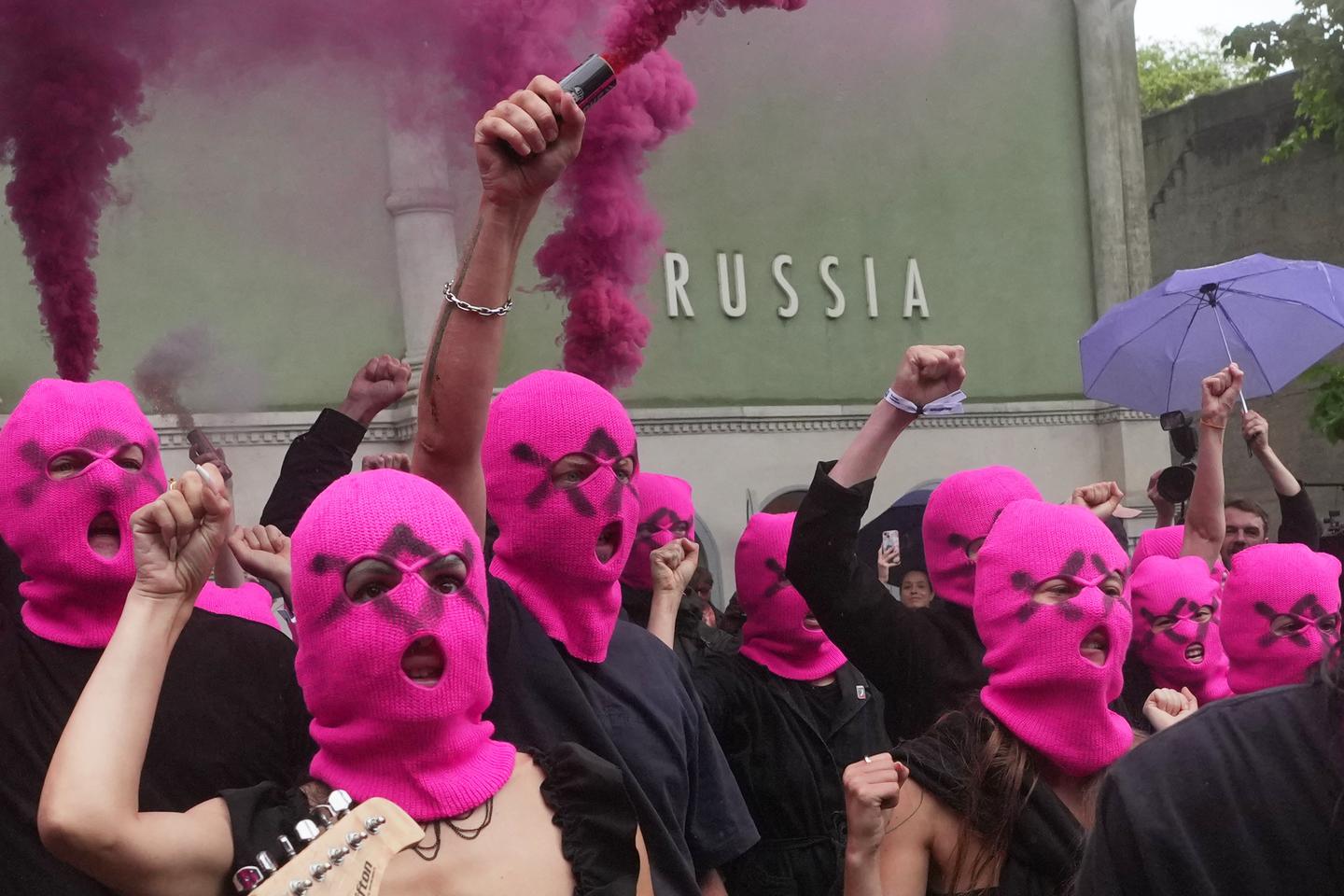
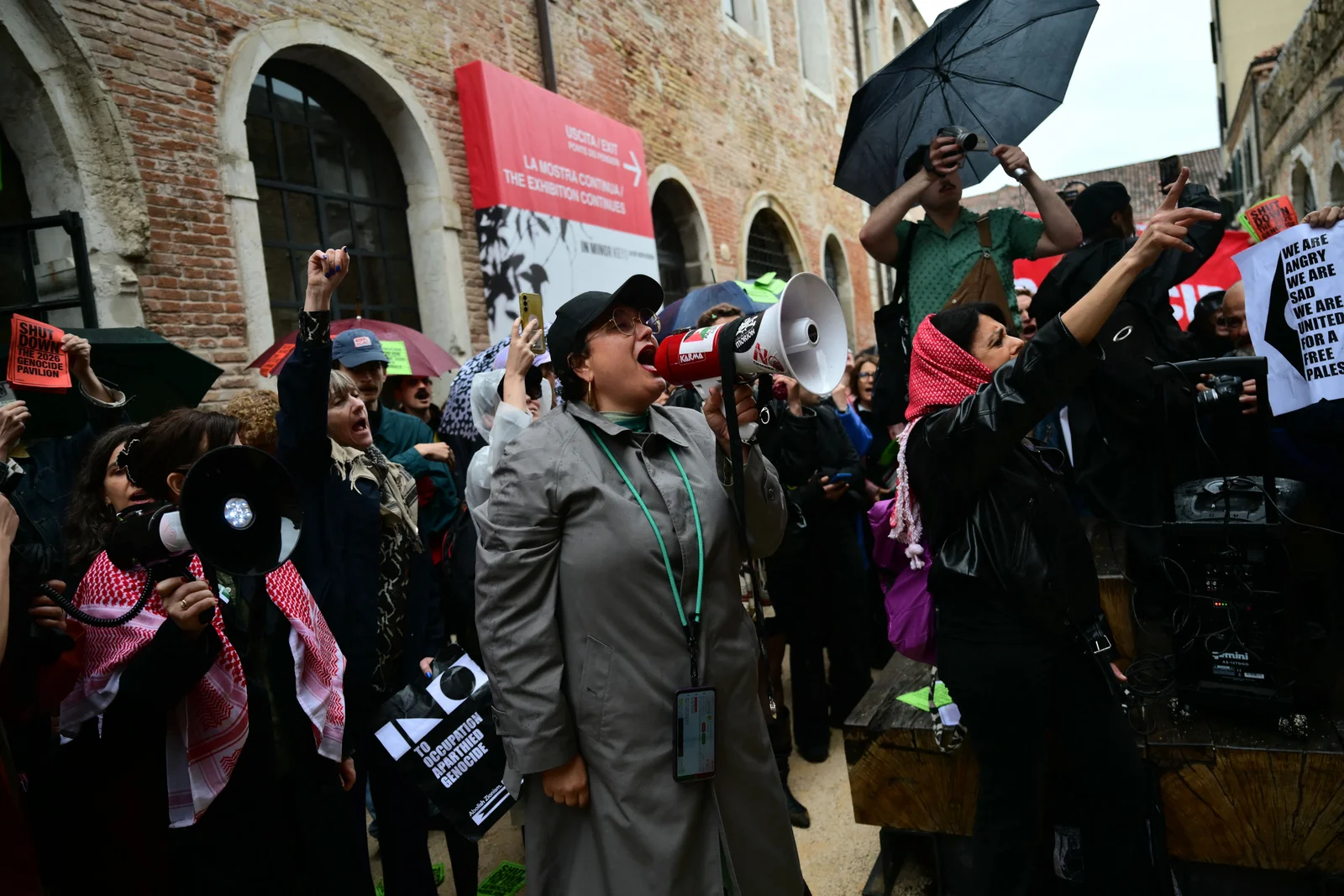
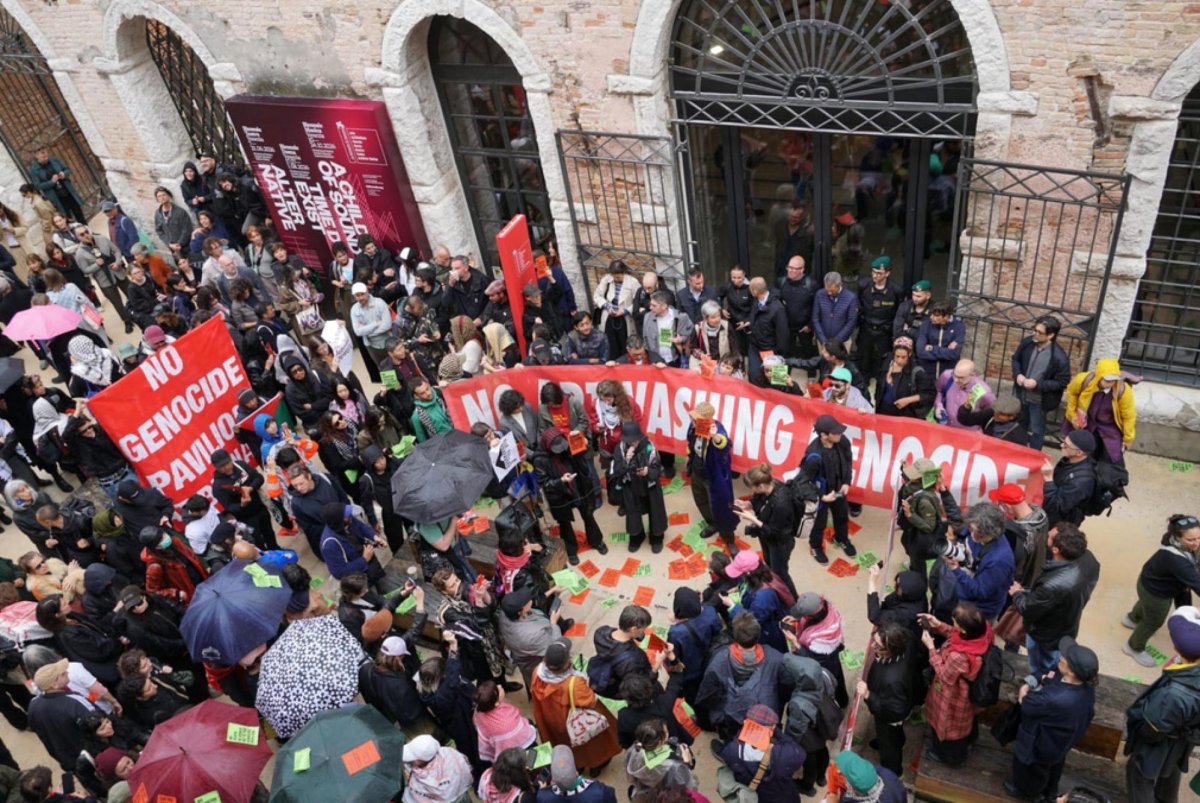
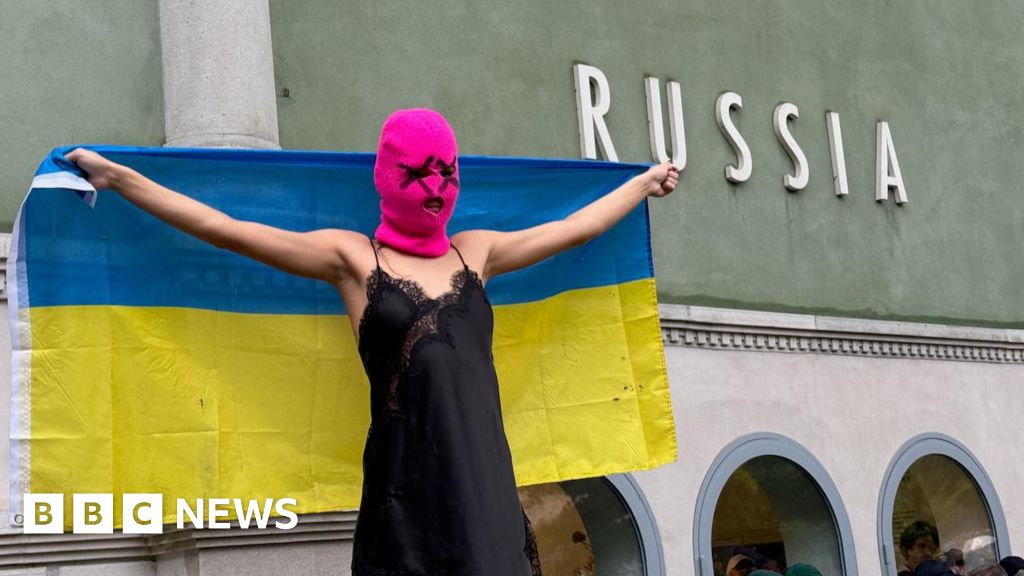
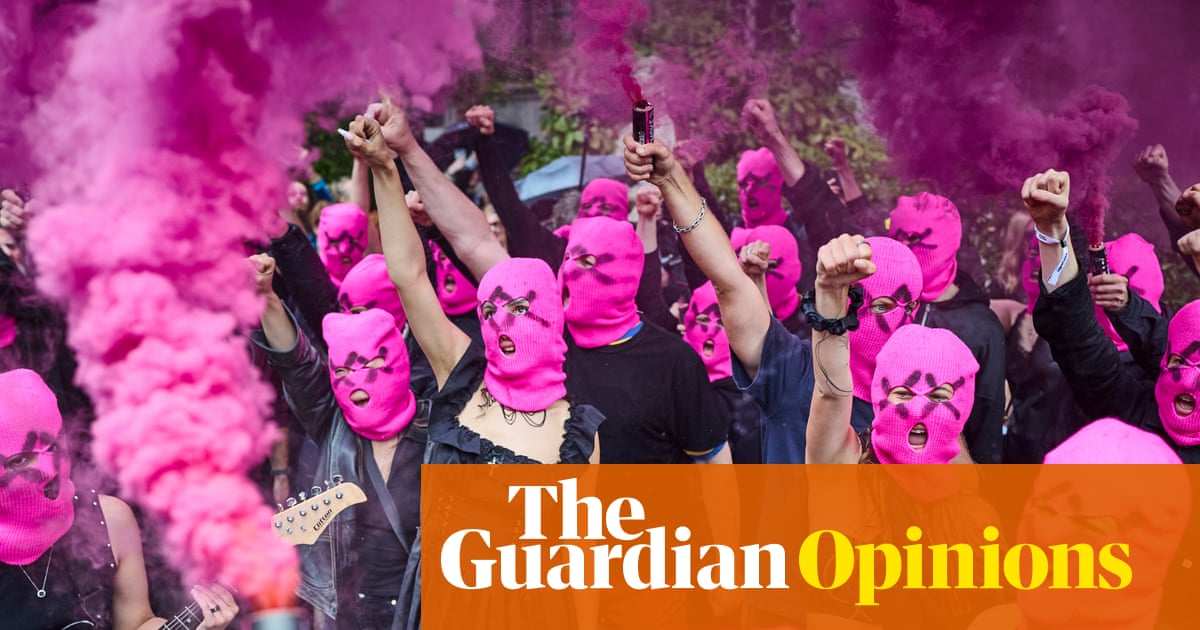
You have to hand it to Russia. It had much to celebrate with that prosecco. After a hiatus since 2022 it is back at the world’s most prominent art festival, where a huge central exhibition organised by an invited curator is accompanied by dozens of shows staged by countries in national pavilions. And everyone’s talking about it. Even the protests – such as Pussy Riot’s colourful intervention on Wednesday – forces the conversation on to it.