W
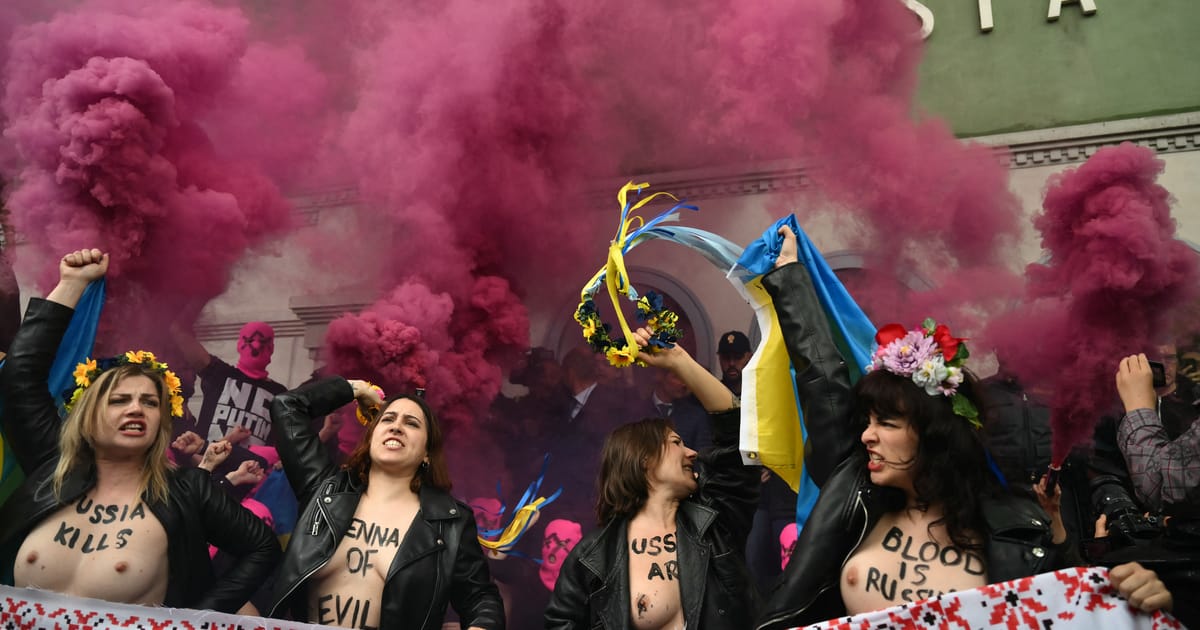
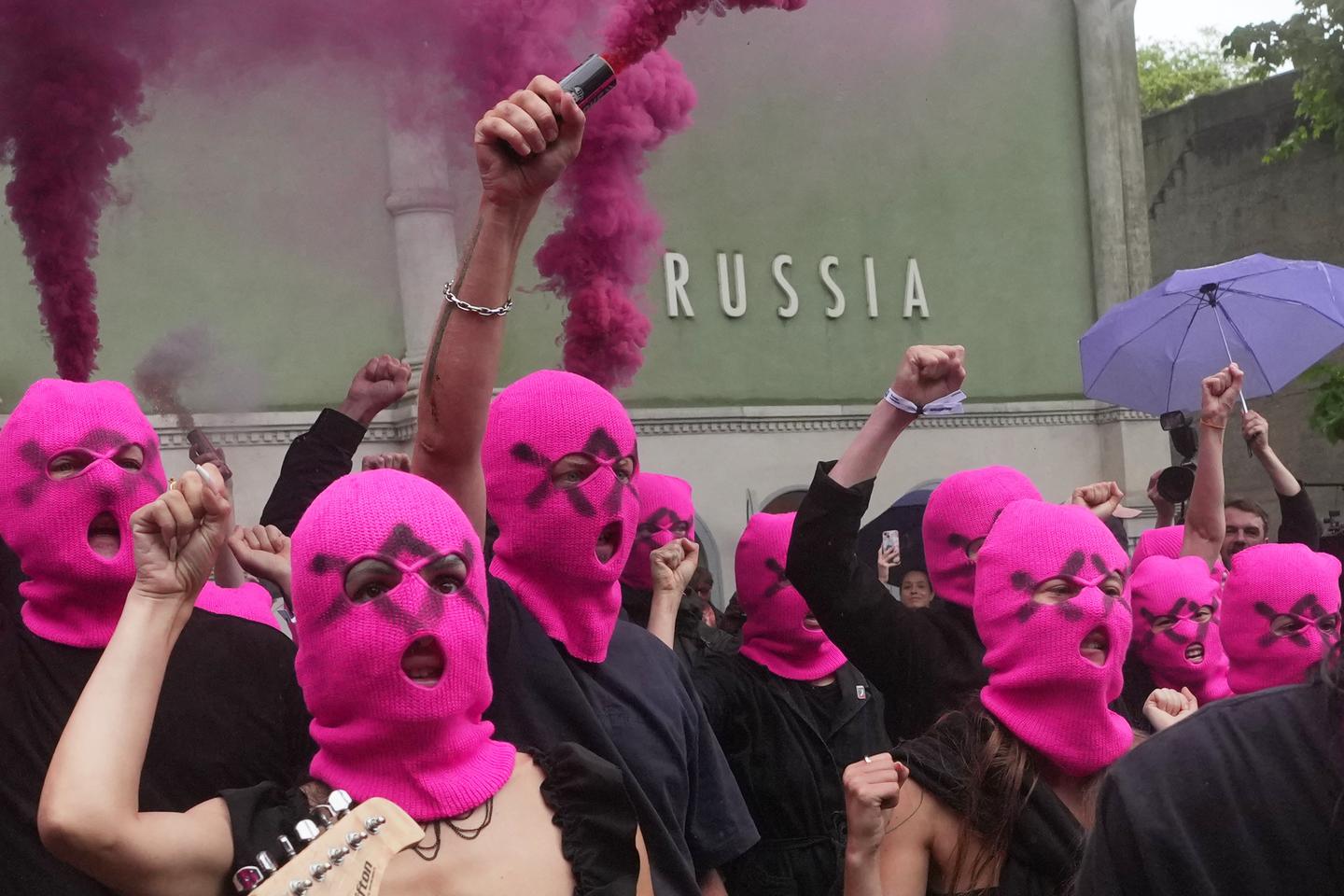
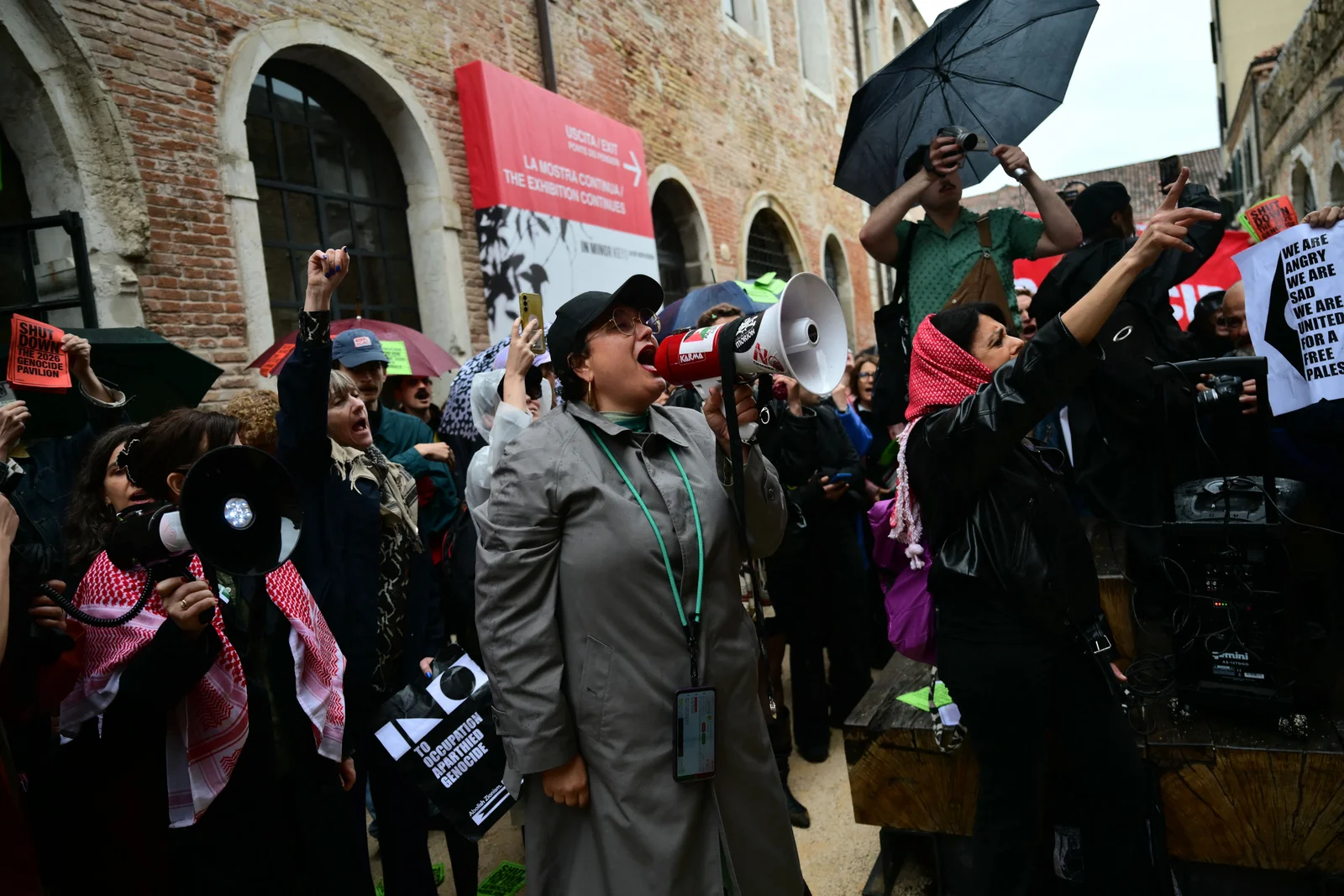
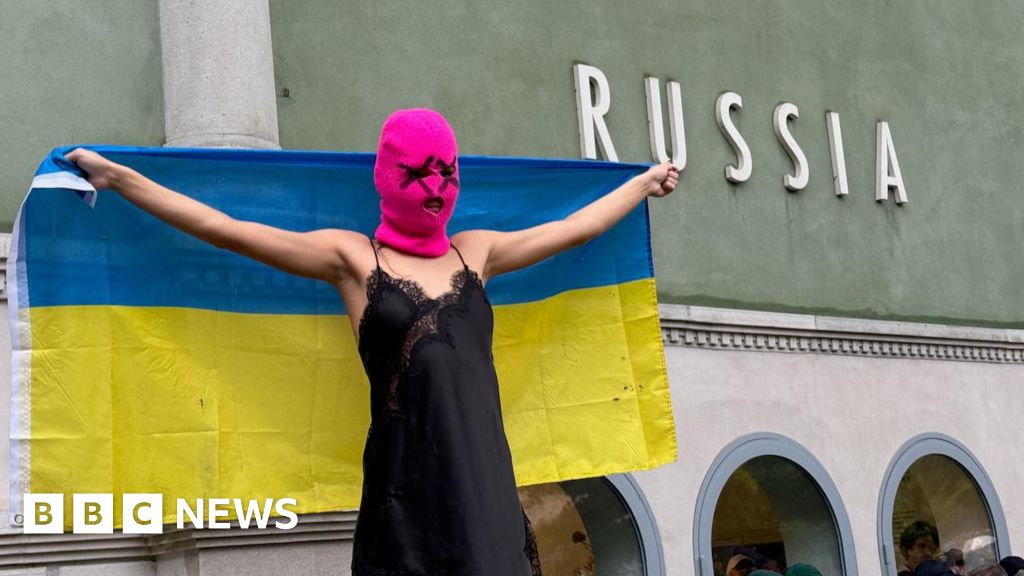
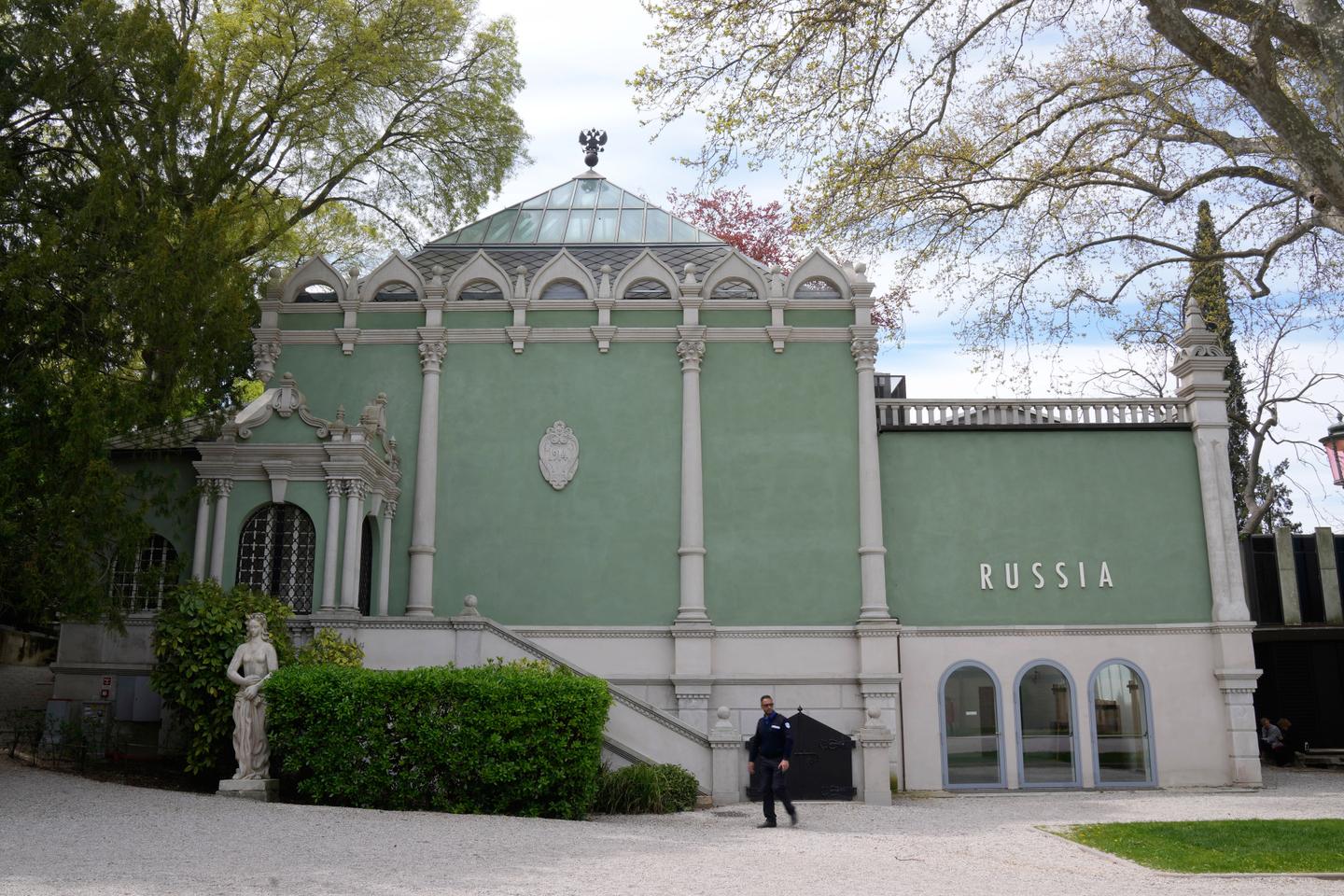
hile Russian missiles and bombs are striking Ukrainian cities daily, worrying about the imminent reopening of the Russian Pavilion – closed since the outbreak of the war in Ukraine – for the Venice Biennale, which opens on May 9, may seem trivial.
But this "detail" is far from minor. Slowly but surely, Russian influence networks have been regaining lost ground, and the Kremlin's narrative has begun to infiltrate public consciousness. "Art is above politics," said Mikhail Shvydkoy, the Kremlin's special envoy on international cultural cooperation.
In this case, art primarily serves as a pretext to continue the war by other means. It is a covert, invisible war aimed at reintegrating Russia into the ranks of respectable nations. Should we ignore the March 24 Russian airstrikes on the Bernardine Monastery district in Lviv, a UNESCO World Heritage Site? Should we disregard the looting of museums in Mariupol, Kherson, and Melitopol, whose works now appear in Russian museum catalogs as if they were Russian property?
With the daughter of Sergey Lavrov