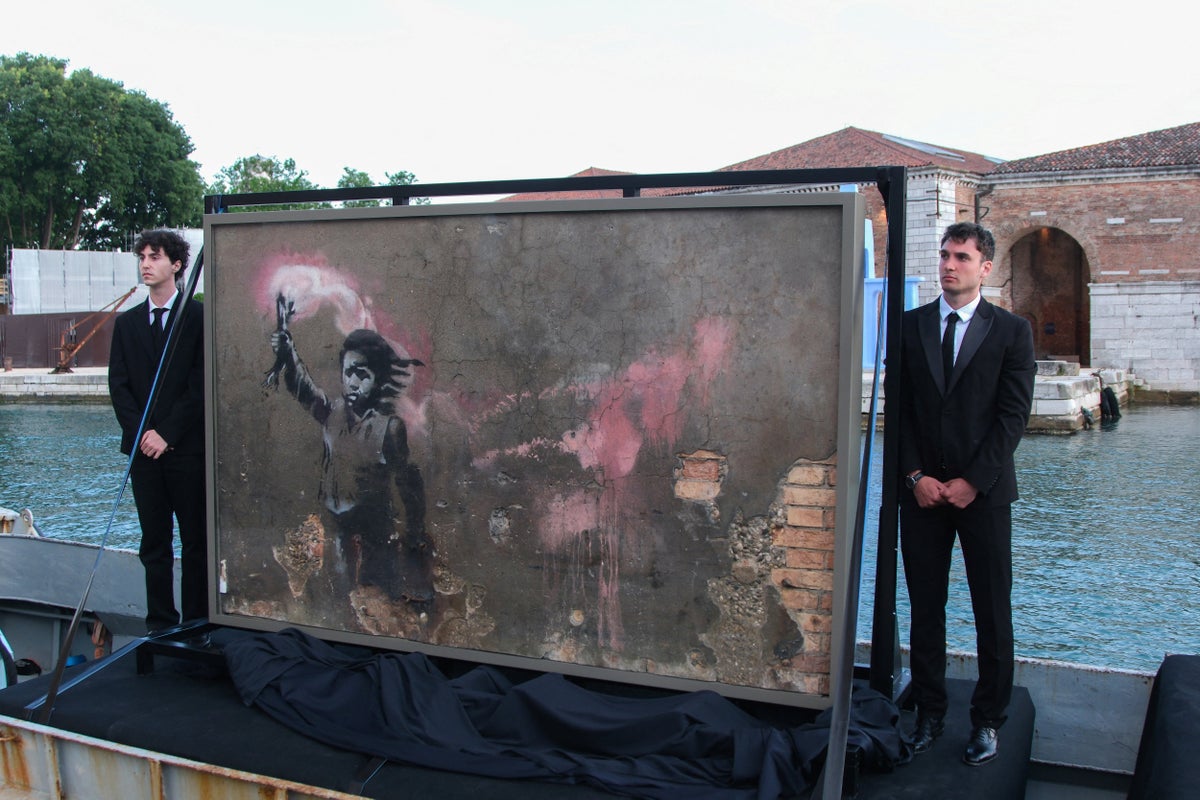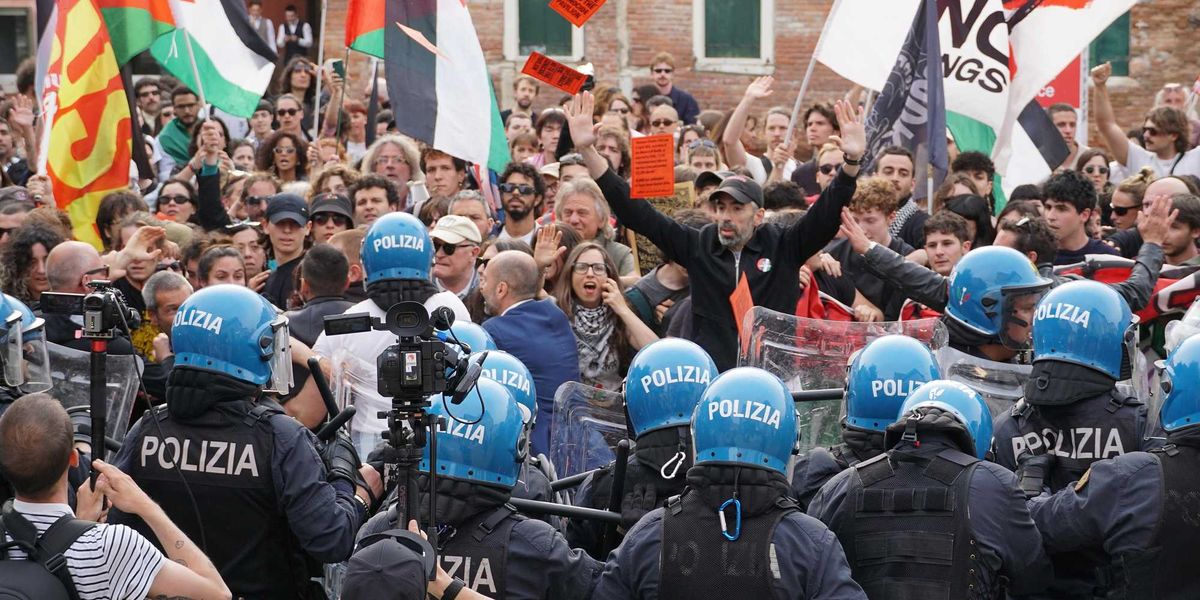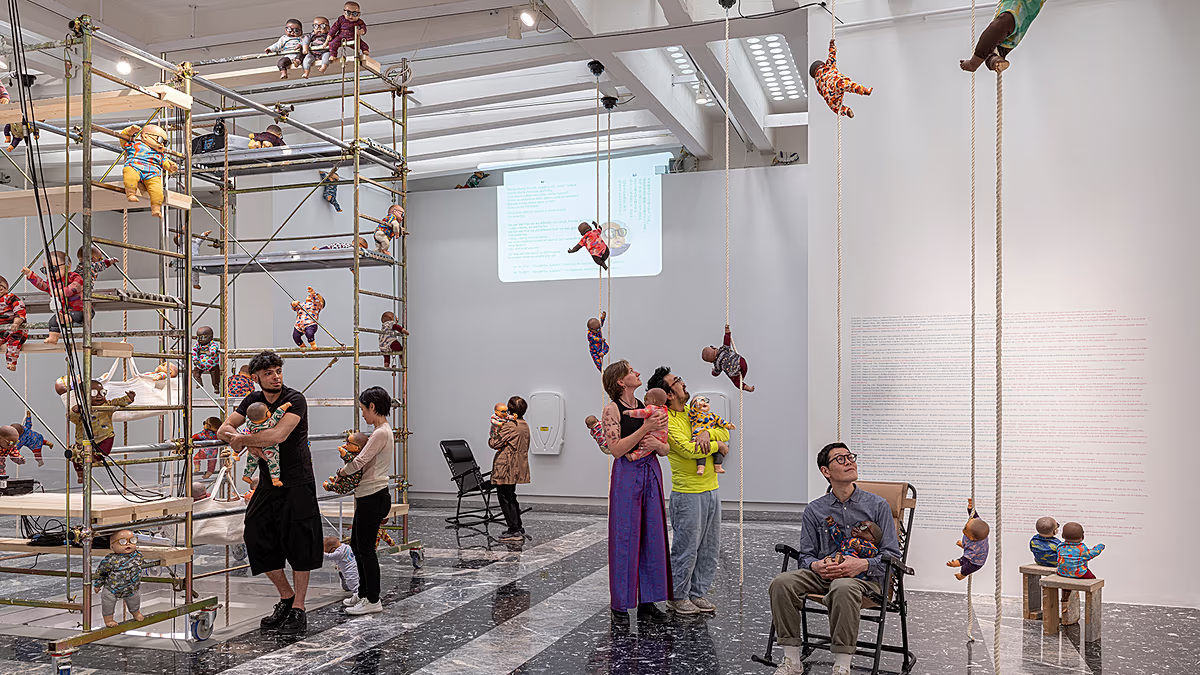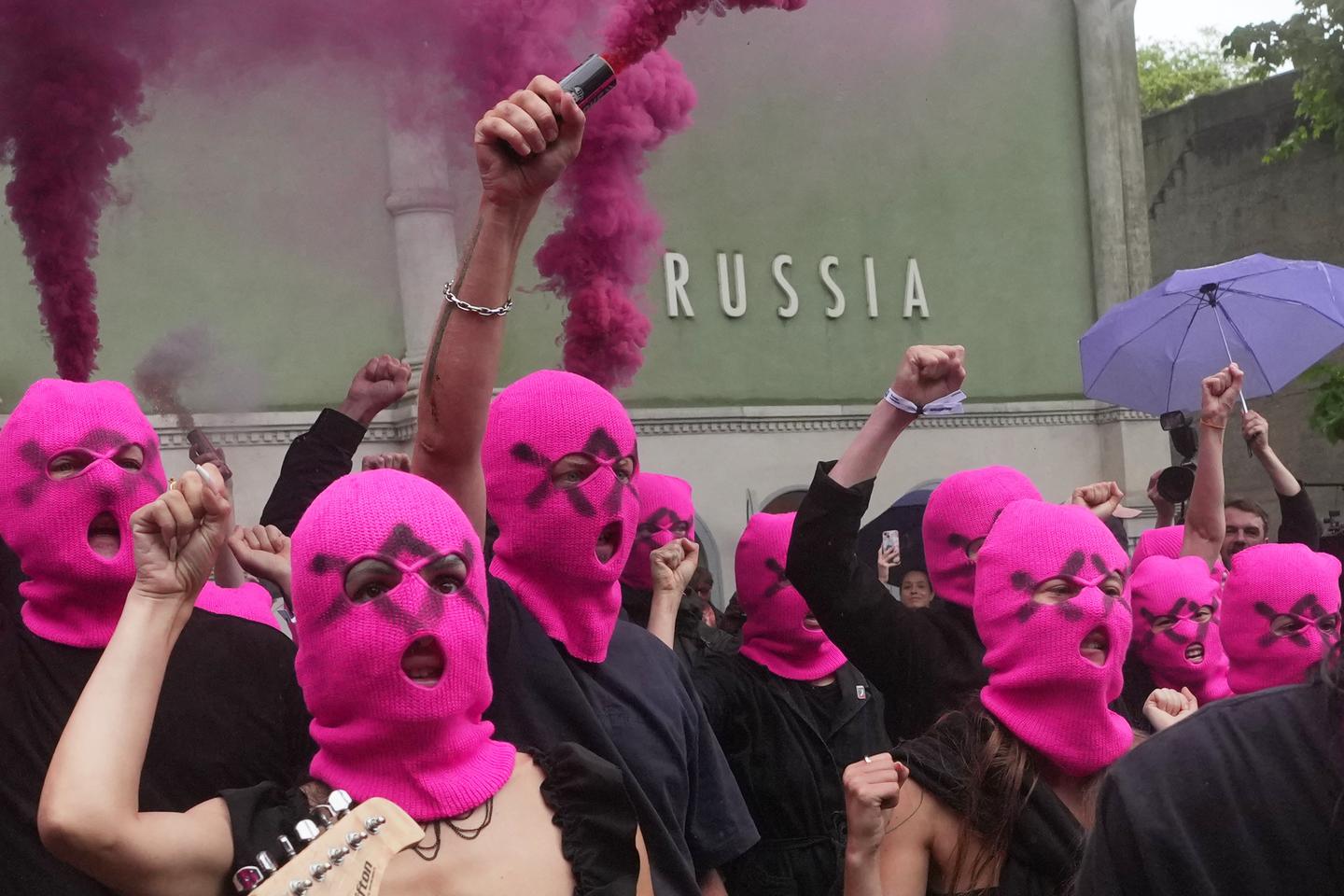
Exhibitors at the Biennale, wearing T-shirts bearing the names of artists killed in Gaza, gathered in front of the main entrance during the Venice Art Biennale on May 5, 2026. LUCA BRUNO/AP
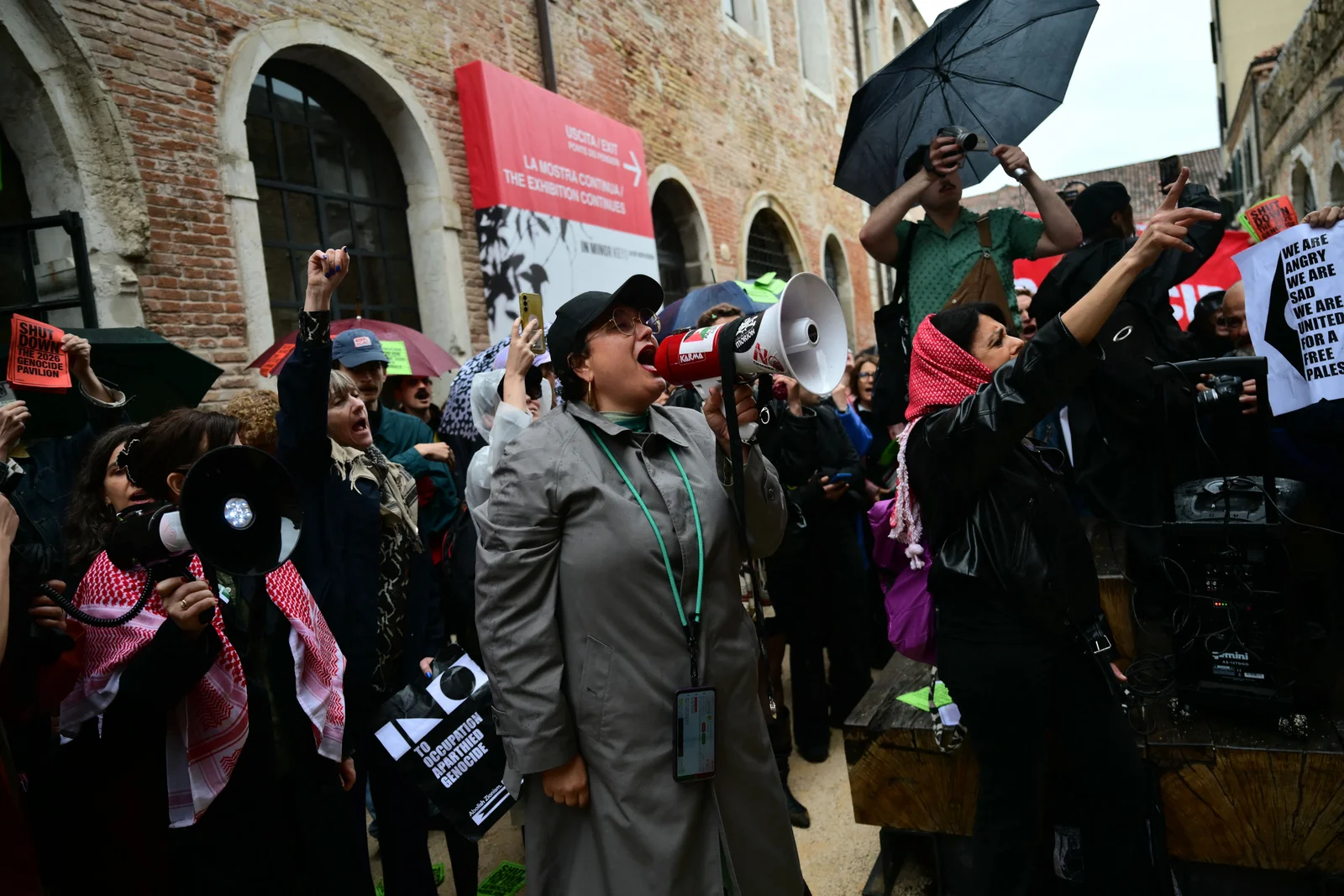
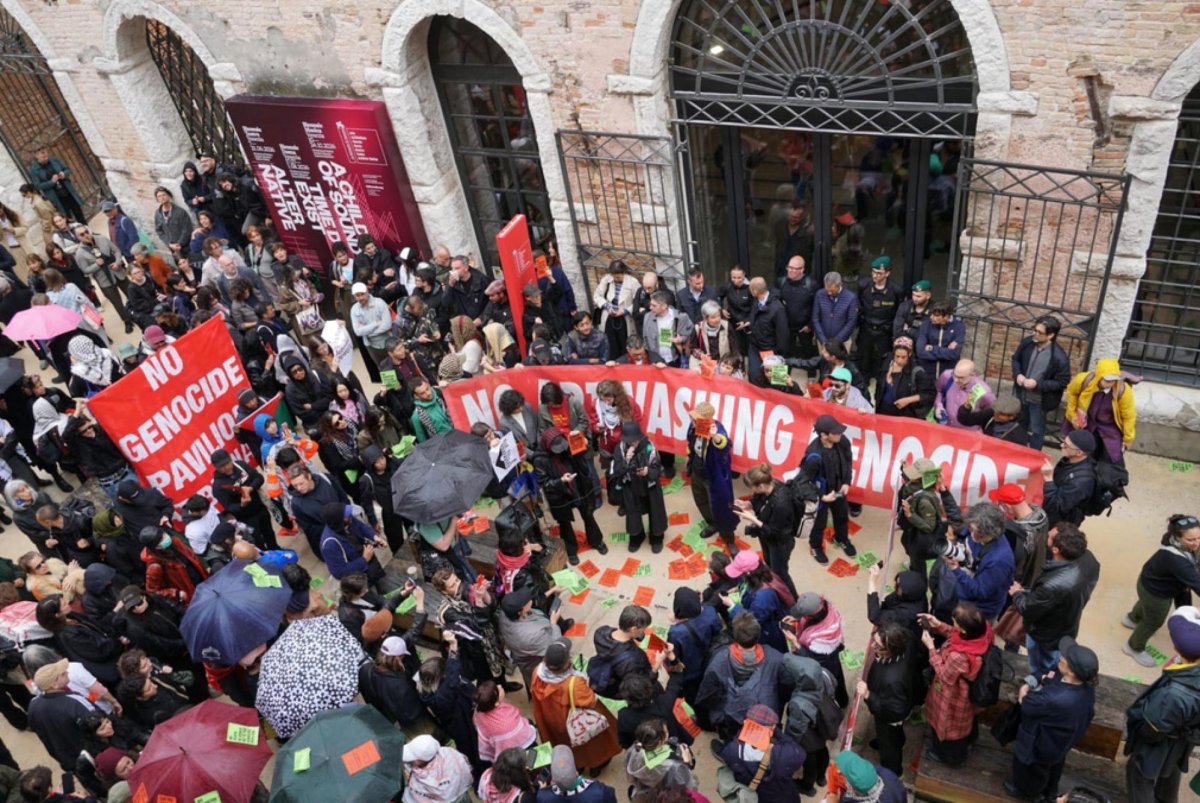
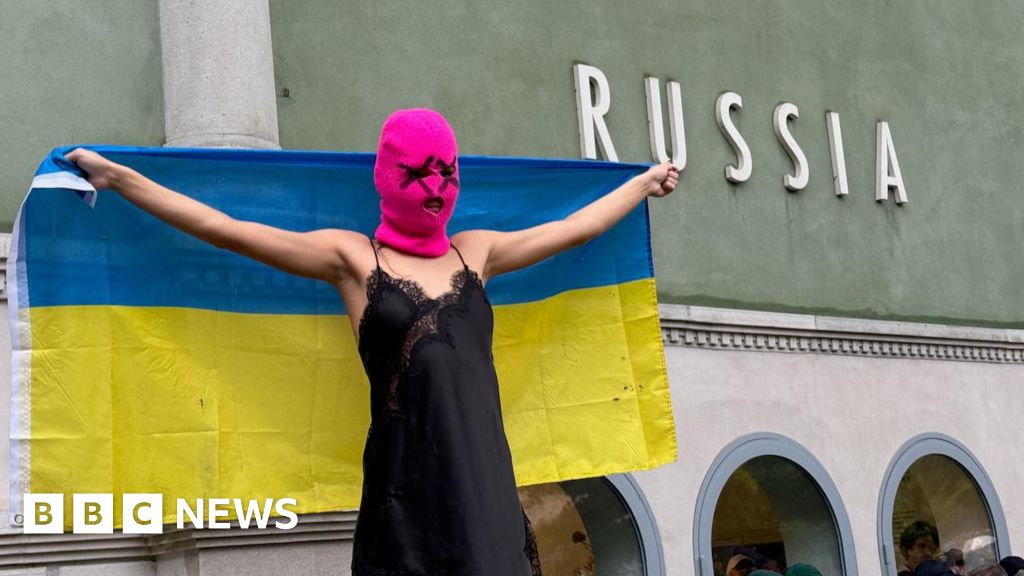
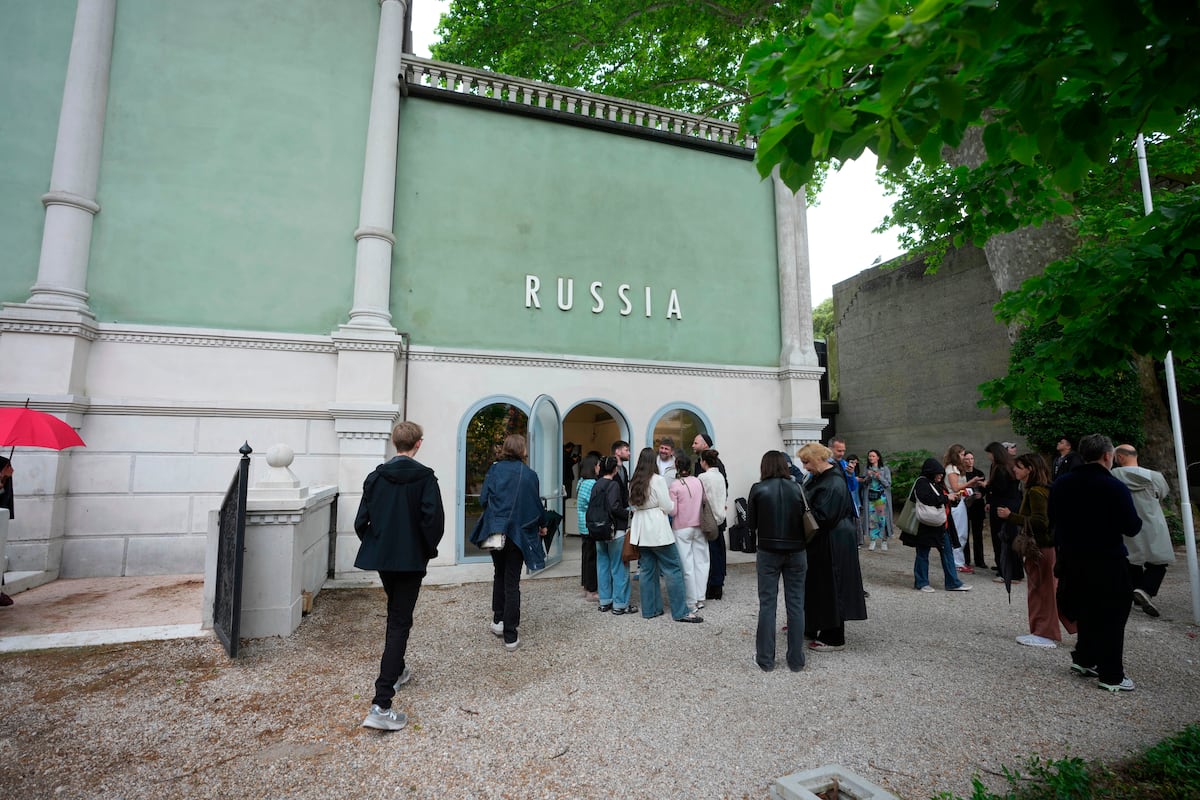
A global artistic forum and a space for the clash of political visions, the 2026 edition of the Venice Biennale is being shaken by the major political crises ravaging the world. The presence of pavilions representing countries involved in ongoing conflicts – namely the United States, Israel and Russia – has created an unprecedented sense of unease this year. In a sign of these troubled times, the jury responsible for awarding the prestigious Golden and Silver Lions resigned on April 30, for the first time in the festival's history.
Seeking to distance itself from the Biennale's management, the jury had announced that countries whose leaders are being prosecuted by the International Criminal Court for crimes against humanity would be excluded from the prize list. After all of its members resigned, the Biennale's management eventually announced that it would award the prizes at the end of the event, in November, with recipients chosen by a public vote.
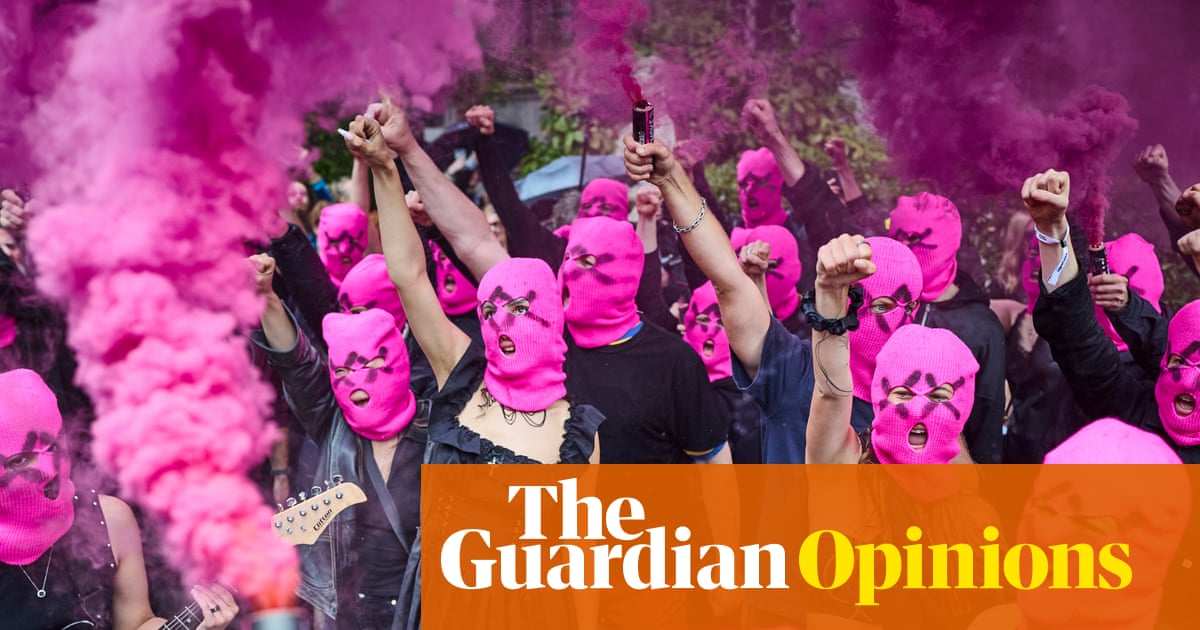
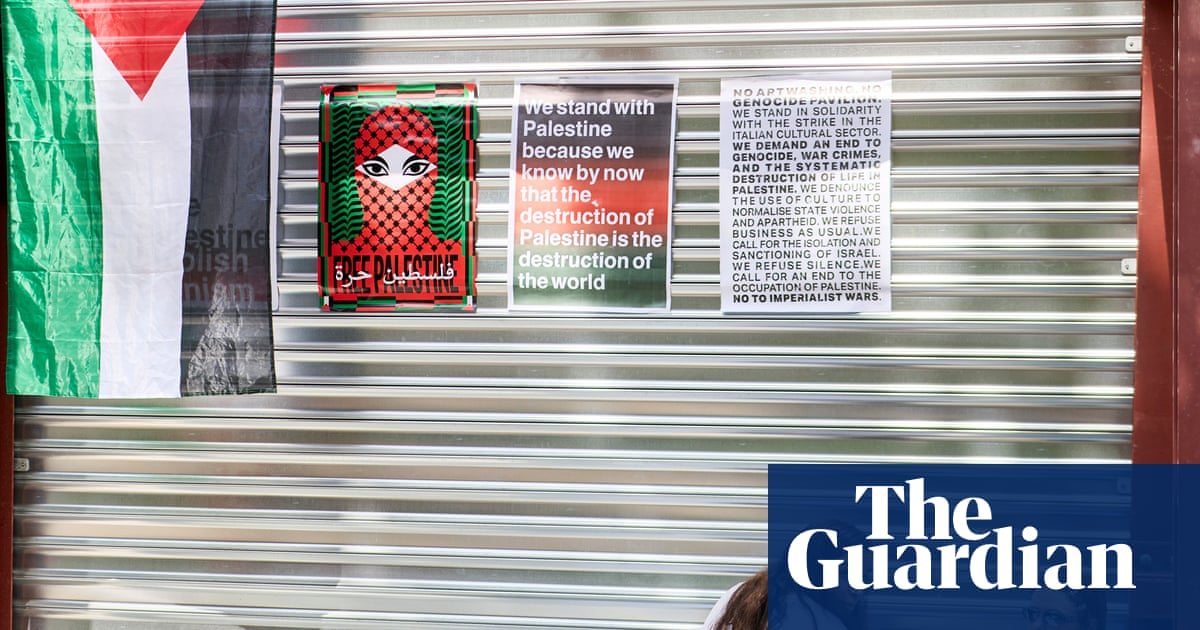
On the ground in Venice, politics are surfacing in various forms. On Tuesday, May 5, a performance staged in the Giardini Reali, the royal gardens of Venice, was conceived as an artistic response to Israel's deadly retaliation against the terrorist attacks carried out by Hamas on October 7, 2023.