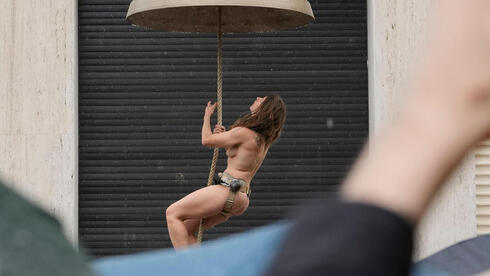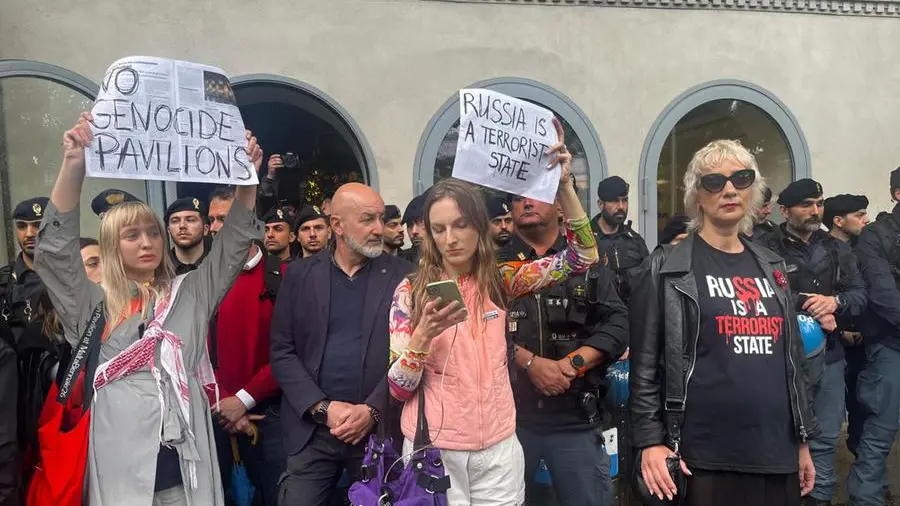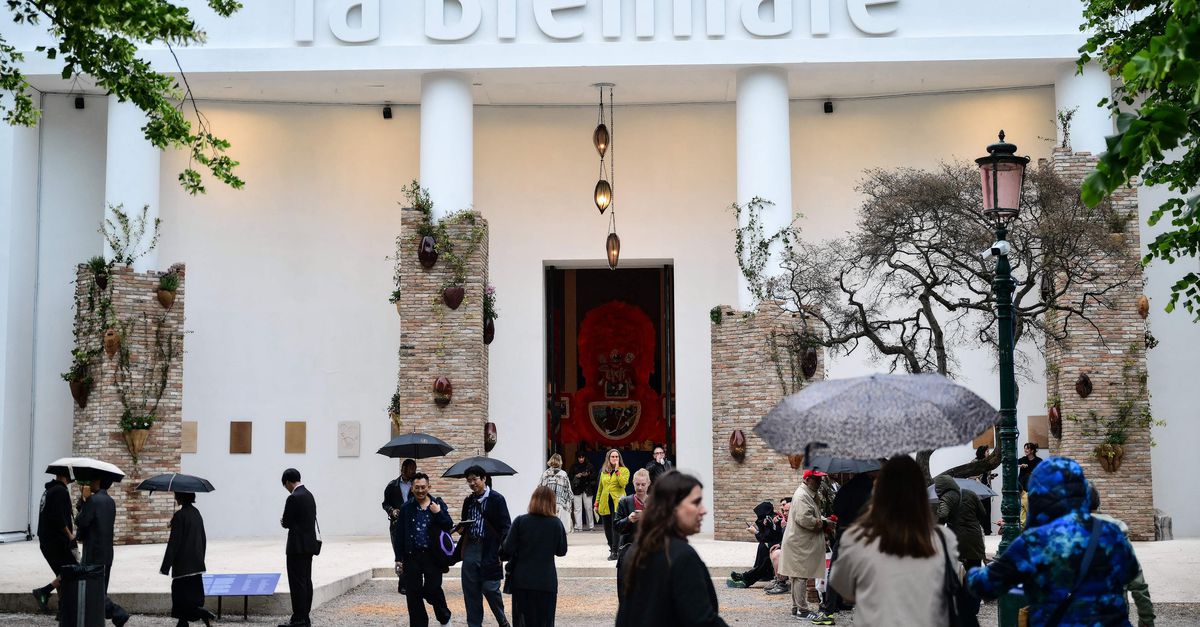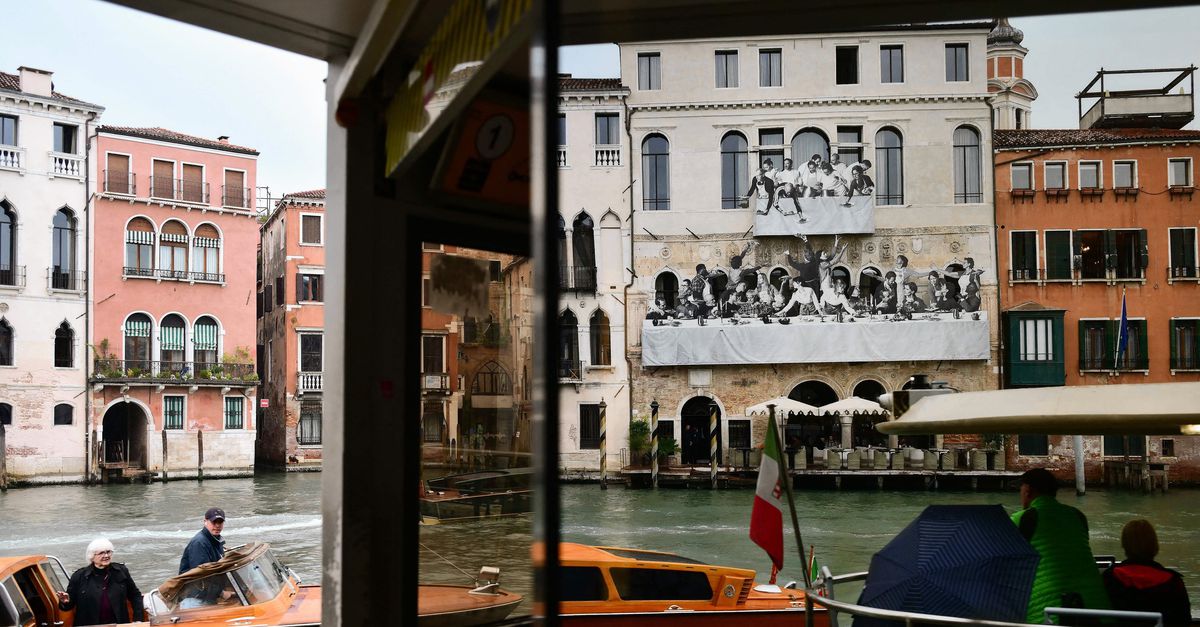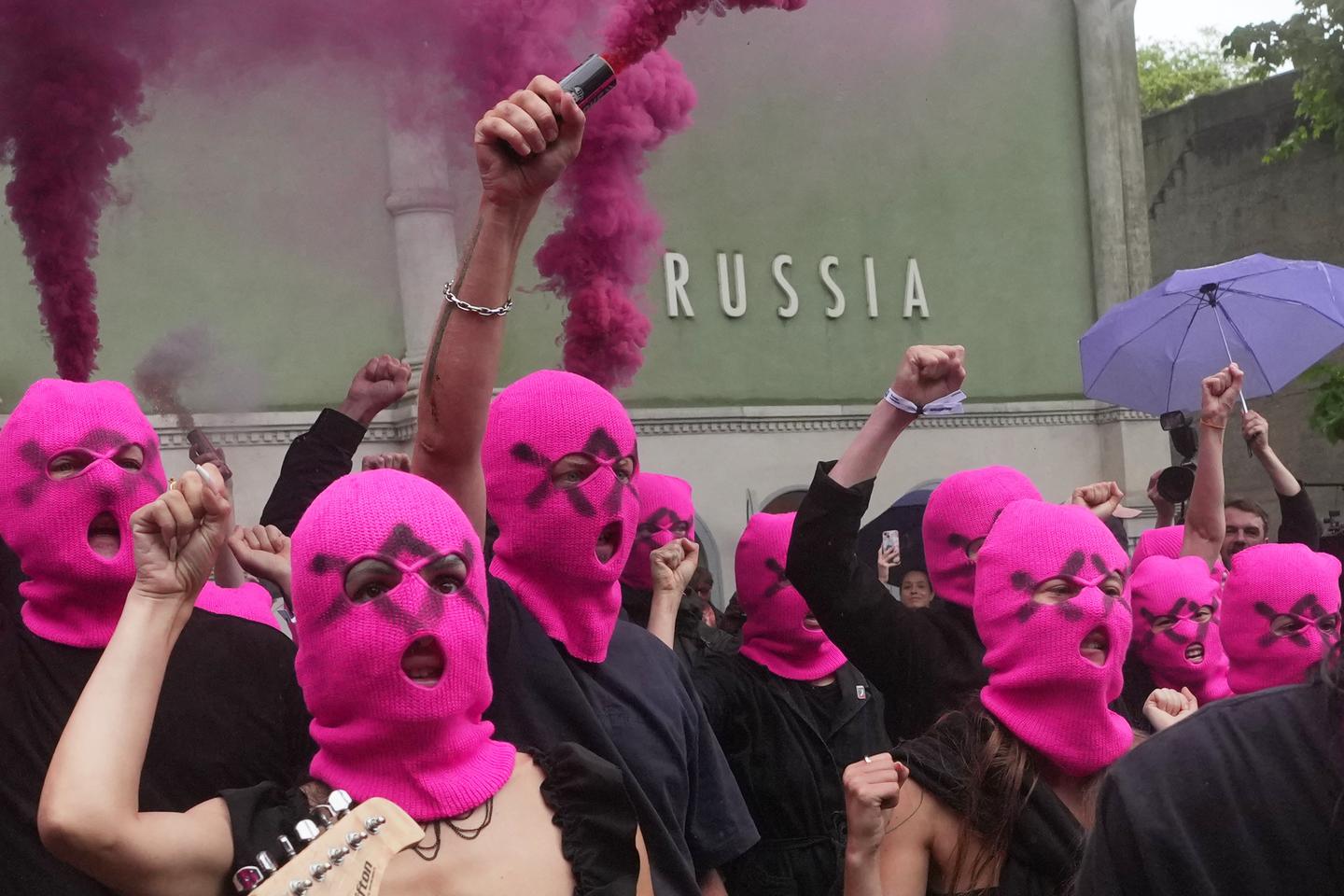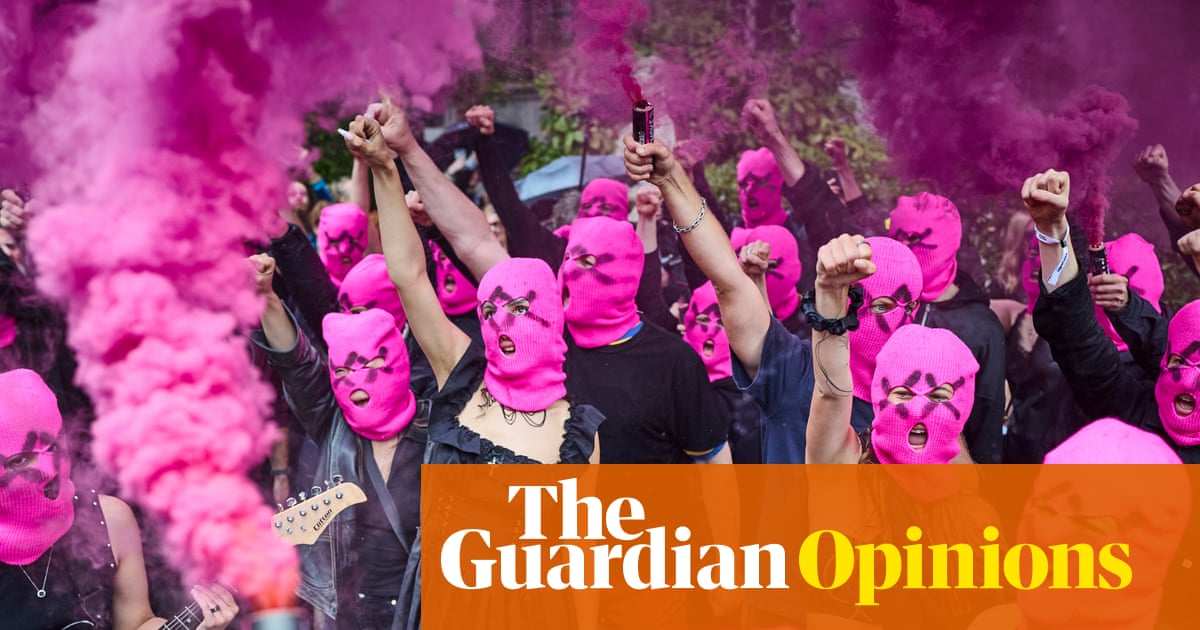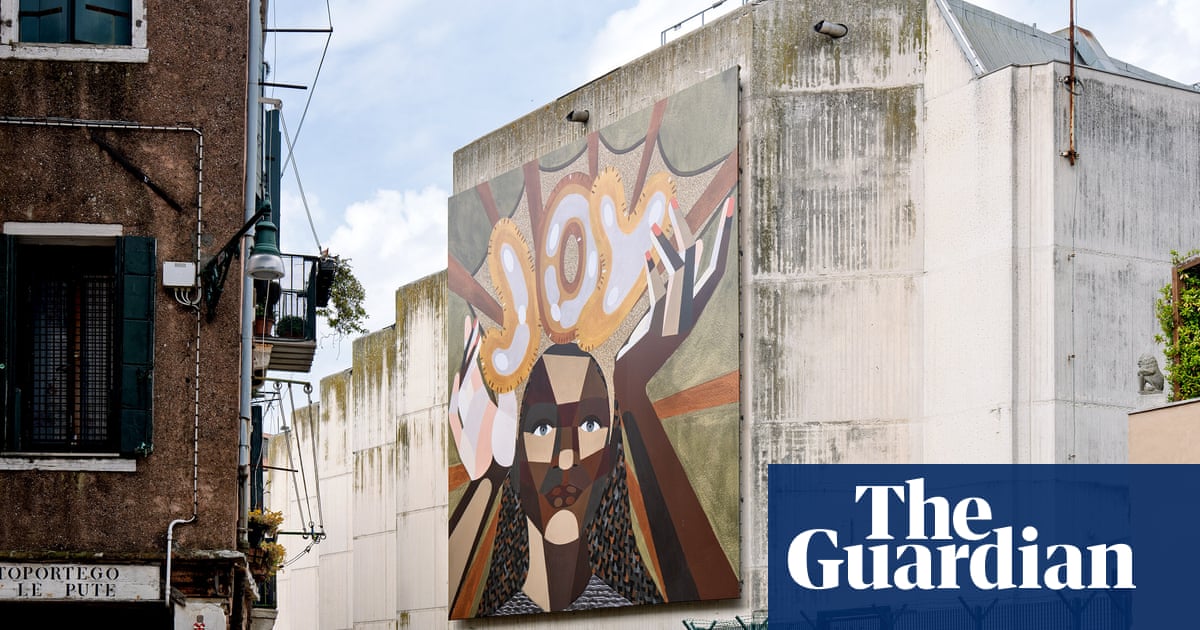
No Venice Biennale has ever been apolitical, but global affairs have deeply marked this year’s edition already. A week into the 61st international art exhibition, there have been protests against Russia and Israel's participation, pavilions closing and threats to cut funding.
The atmosphere is strikingly at odds with the late curator’s vision for the event, encapsulated in the theme ‘In Minor Keys’. Koyo Kouoh aimed to reorient the show away from the “anxious cacophony of the present chaos raging through the world” to focus on softer tones of emotion, connectivity and grounding.
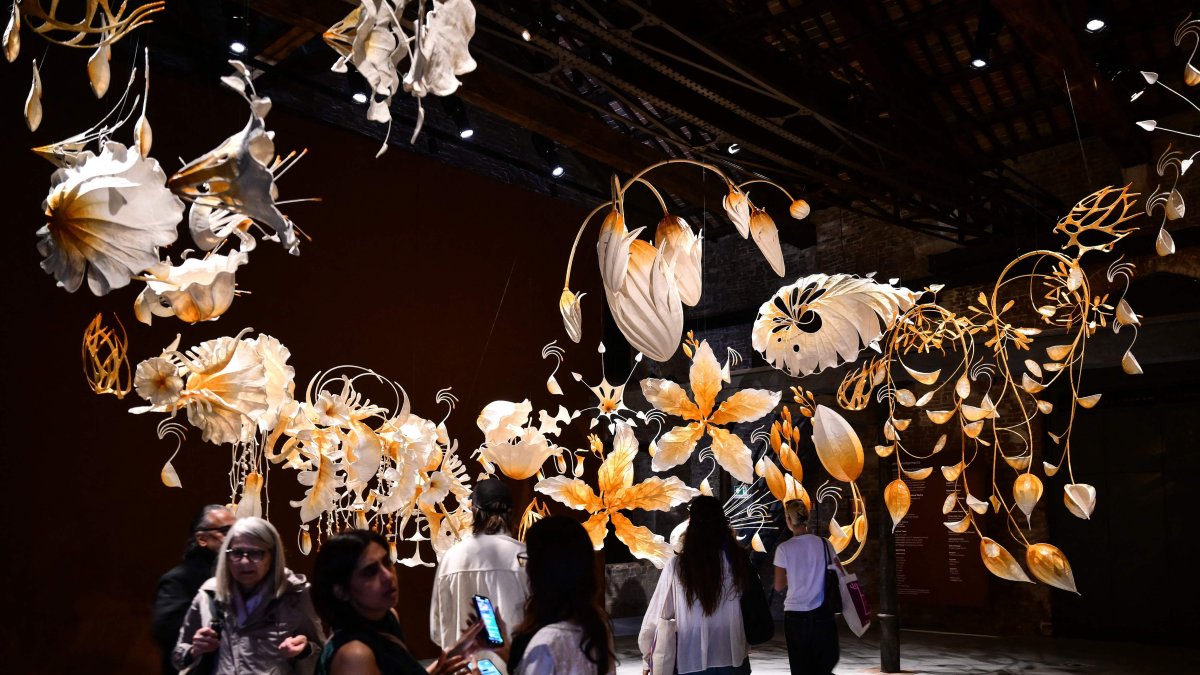
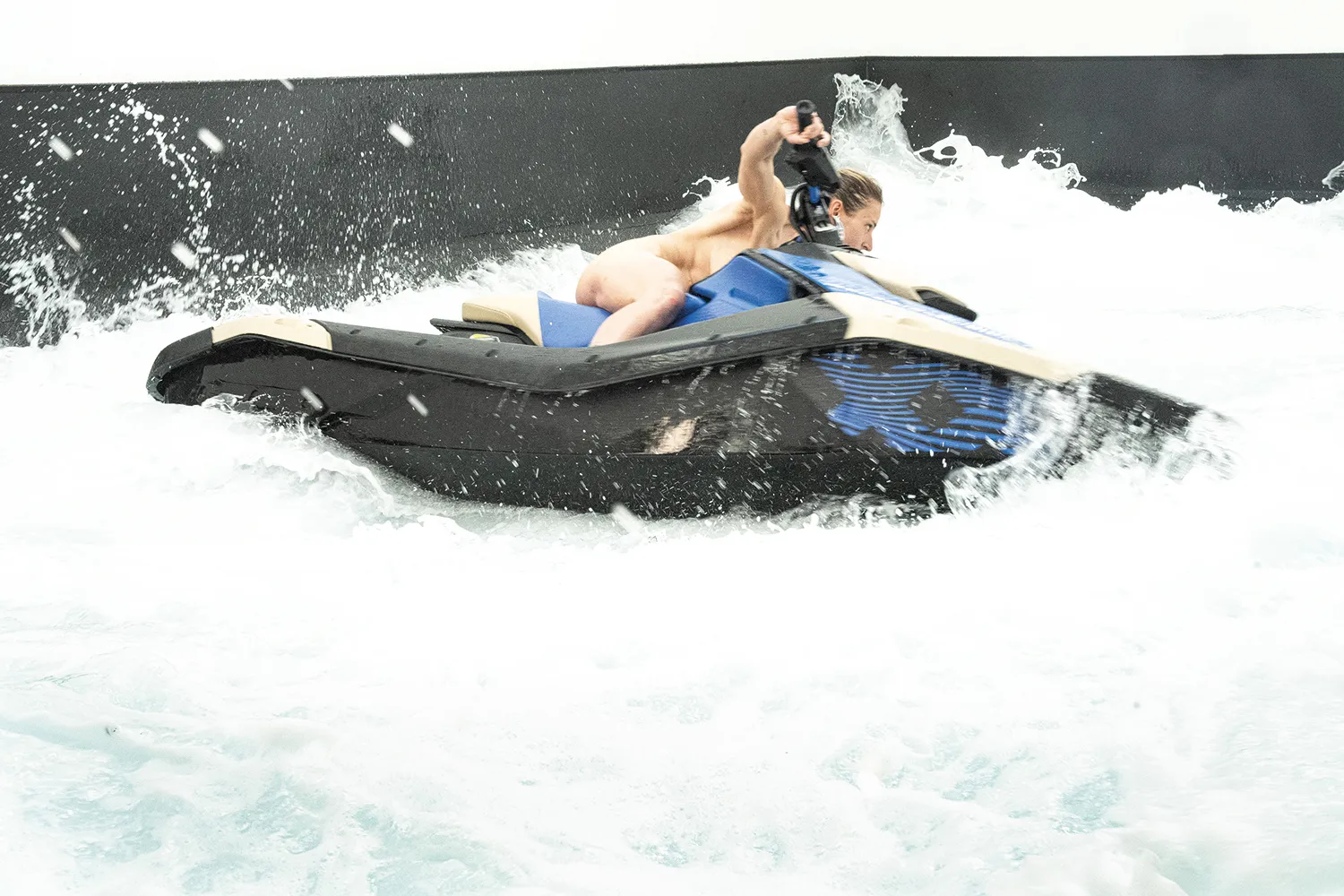
Despite the high-profile demonstrations, the pavilions and exhibitions that chime with Kouoh’s core values of nurture, intimacy and reflection are those that quietly steal this year’s spotlight. They may be less splashy (with the exception of one that is literally so), but they’re the ones likely to keep attracting visitors throughout the Biennale, regardless of surrounding political stunts.
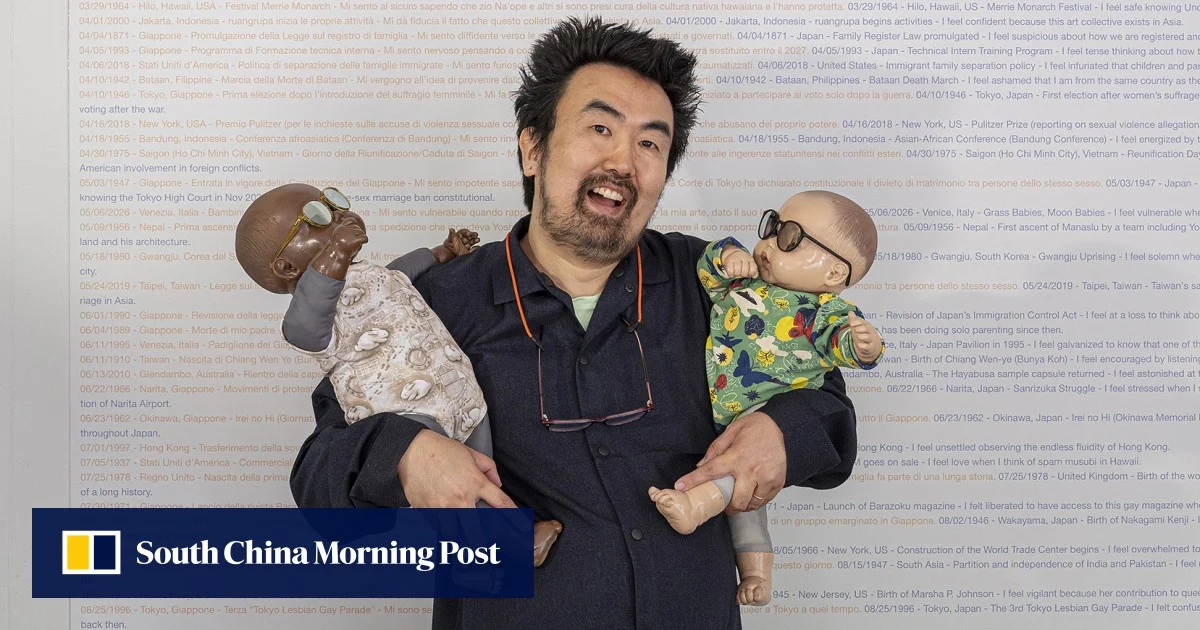
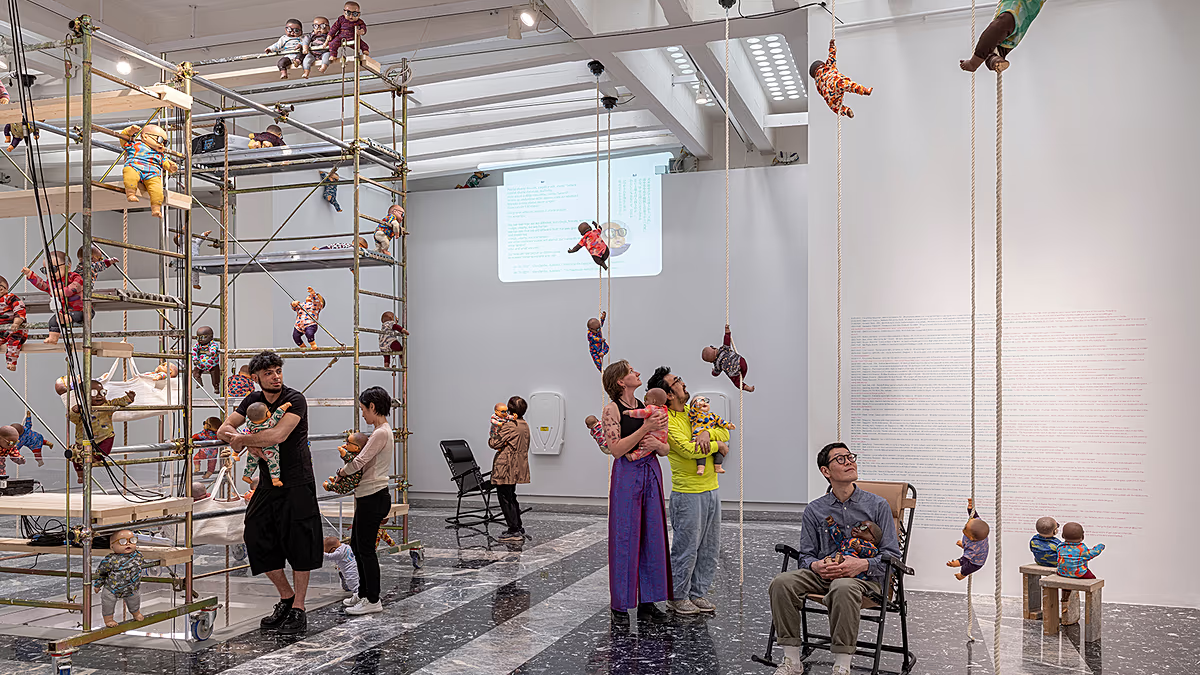
A collective act of care at the Japan Pavilion
As you approach the Japan Pavilion, shaded by trees in the Giardini, you see other visitors milling around, cradling baby dolls in their arms. There are smiles, laughter and jokes between strangers – not always the kinds of emotions associated with viewing contemporary art.