https://arab.news/c5x24
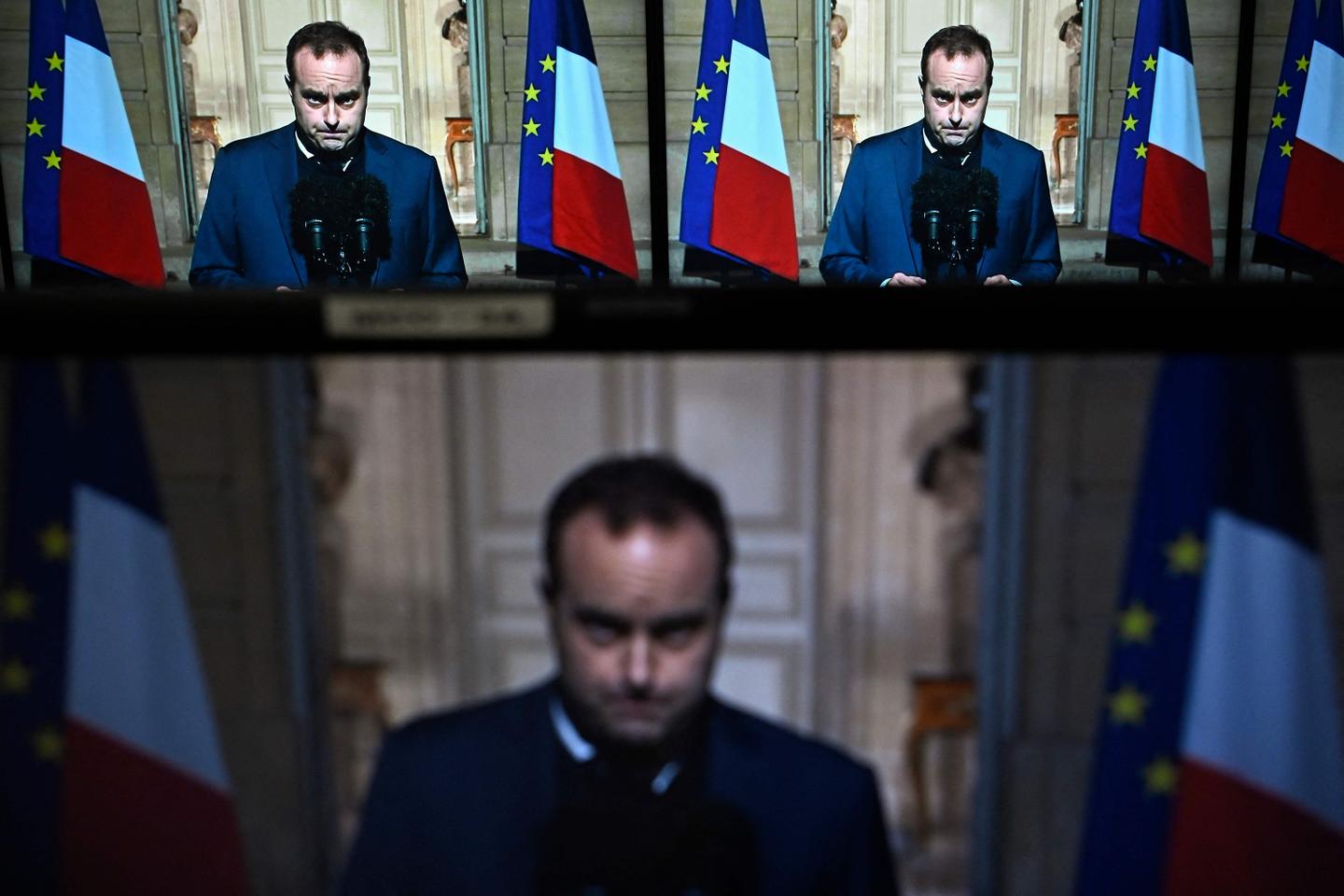
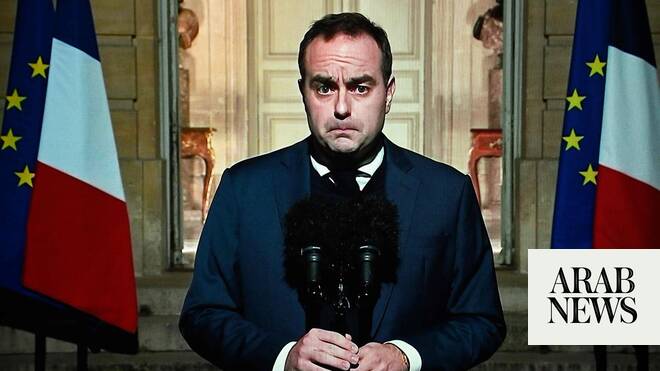
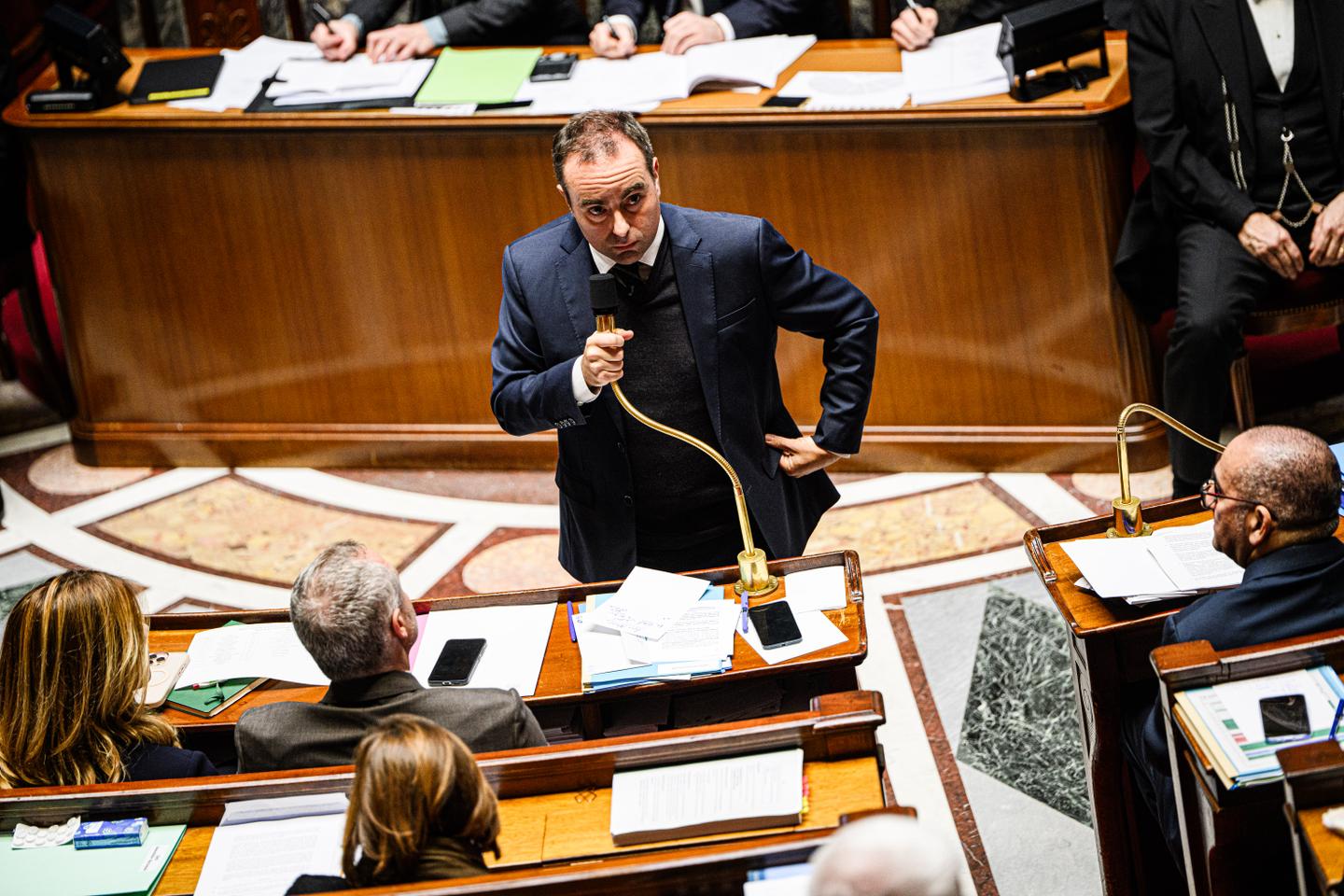
For the second year in a row, France has failed to pass a budget before the end of December, as required by the constitution. At the time of writing, Prime Minister Sebastien Lecornu’s relentless efforts to find a compromise among the political parties willing to strike a deal seem likely to bear fruit, albeit at the expense of forsaking President Emmanuel Macron’s signature supply-side policy.
The core problem stems from the fact that French public accounts are deep in the red, with a fiscal deficit exceeding 5 percent of gross domestic product. Having backed down from higher initial ambitions, Lecornu’s hope is to keep the deficit below that threshold in 2026 and to bring it down gradually to 3 percent by 2029. In an extraordinary reversal of fortune, France is now lagging behind the likes of Spain and Portugal, which have come back from the brink to achieve stable or diminishing debt ratios.
Why does France stand apart and what is to be done? With the 2027 presidential election just over a year away, this is an essential question not just for France but also for the eurozone and the EU. Europe cannot hope to strengthen its “strategic autonomy” and stand firm in an increasingly dangerous security environment unless Germany and France are broadly on the same page. But France’s inability to stabilize its debt-to-GDP ratio is a threat to Europe’s Franco-German engine.