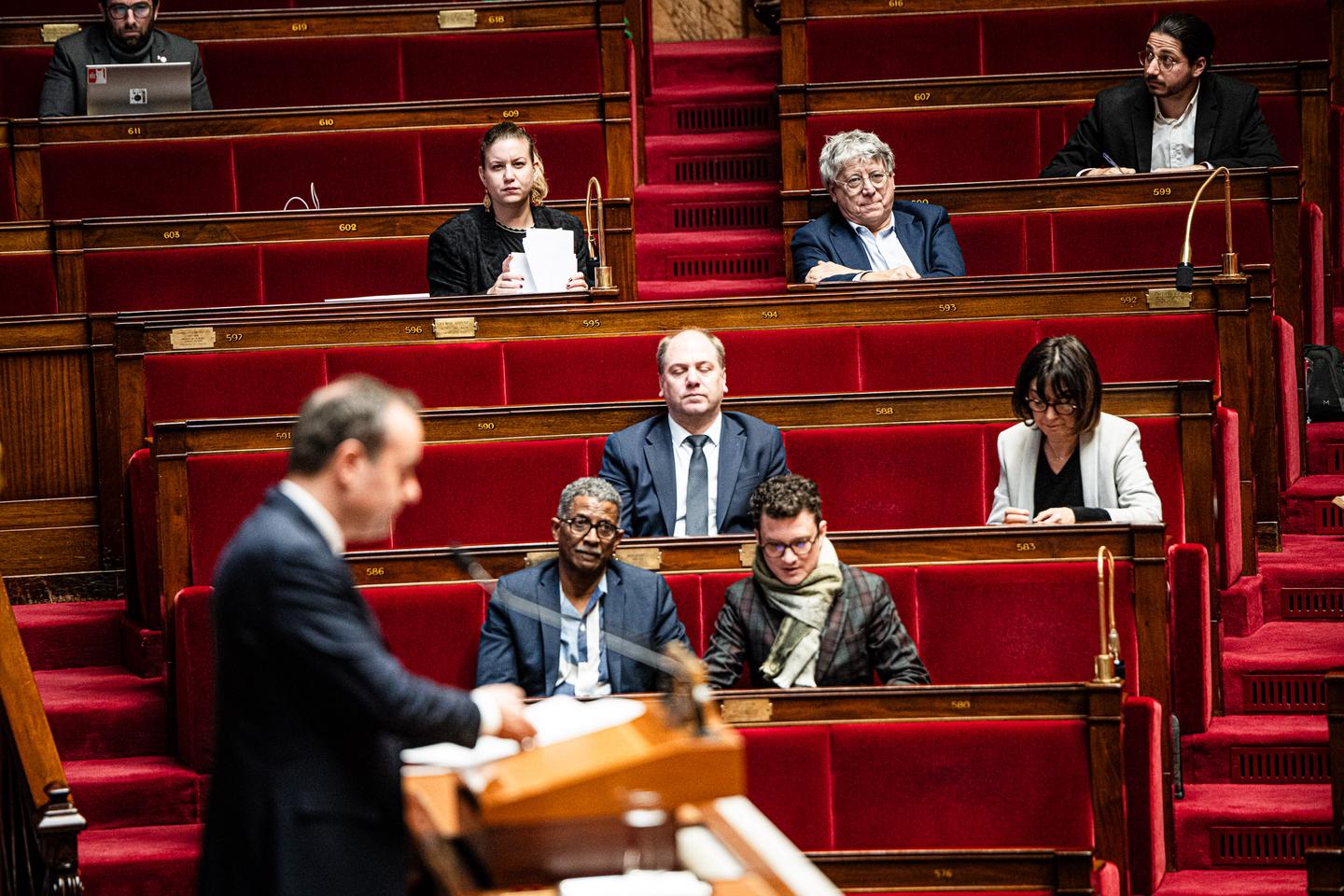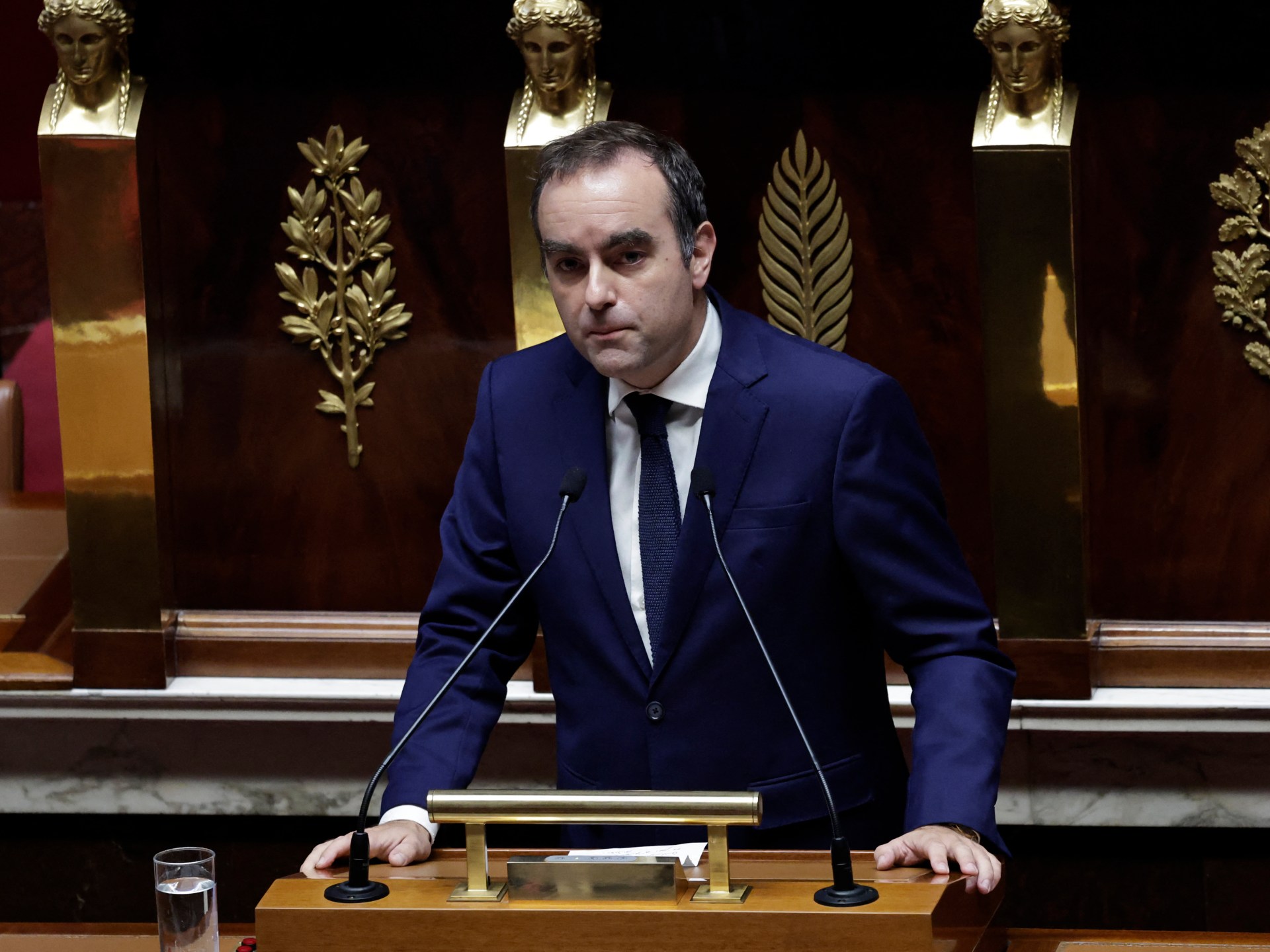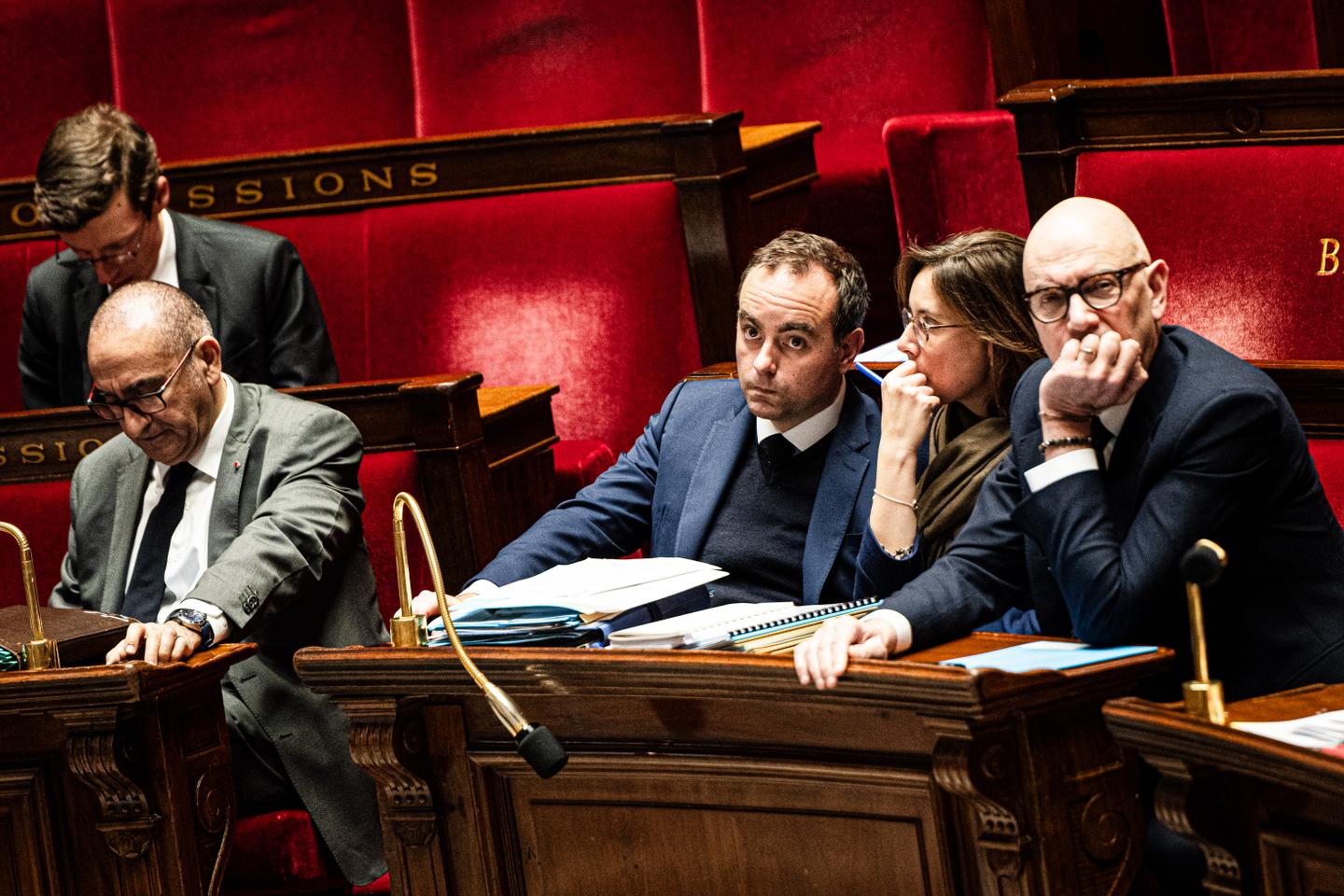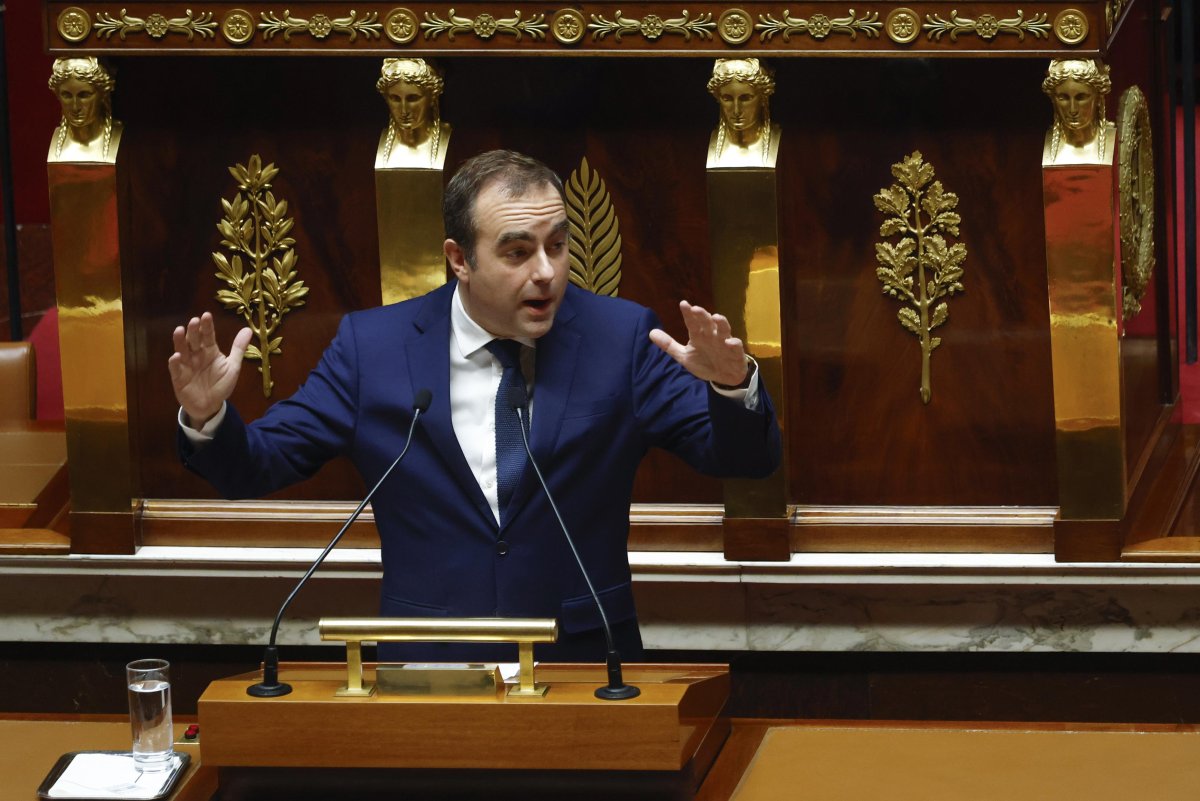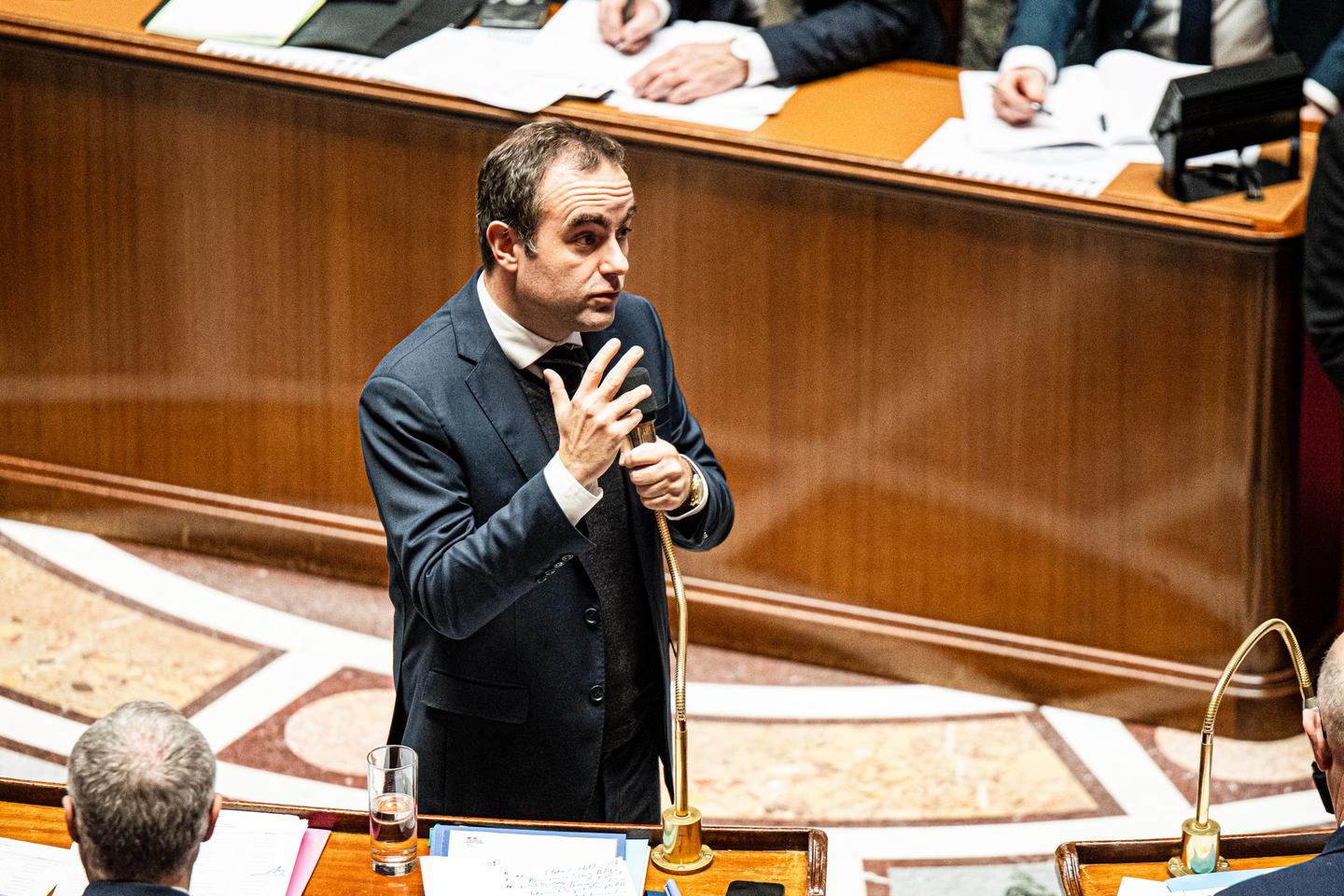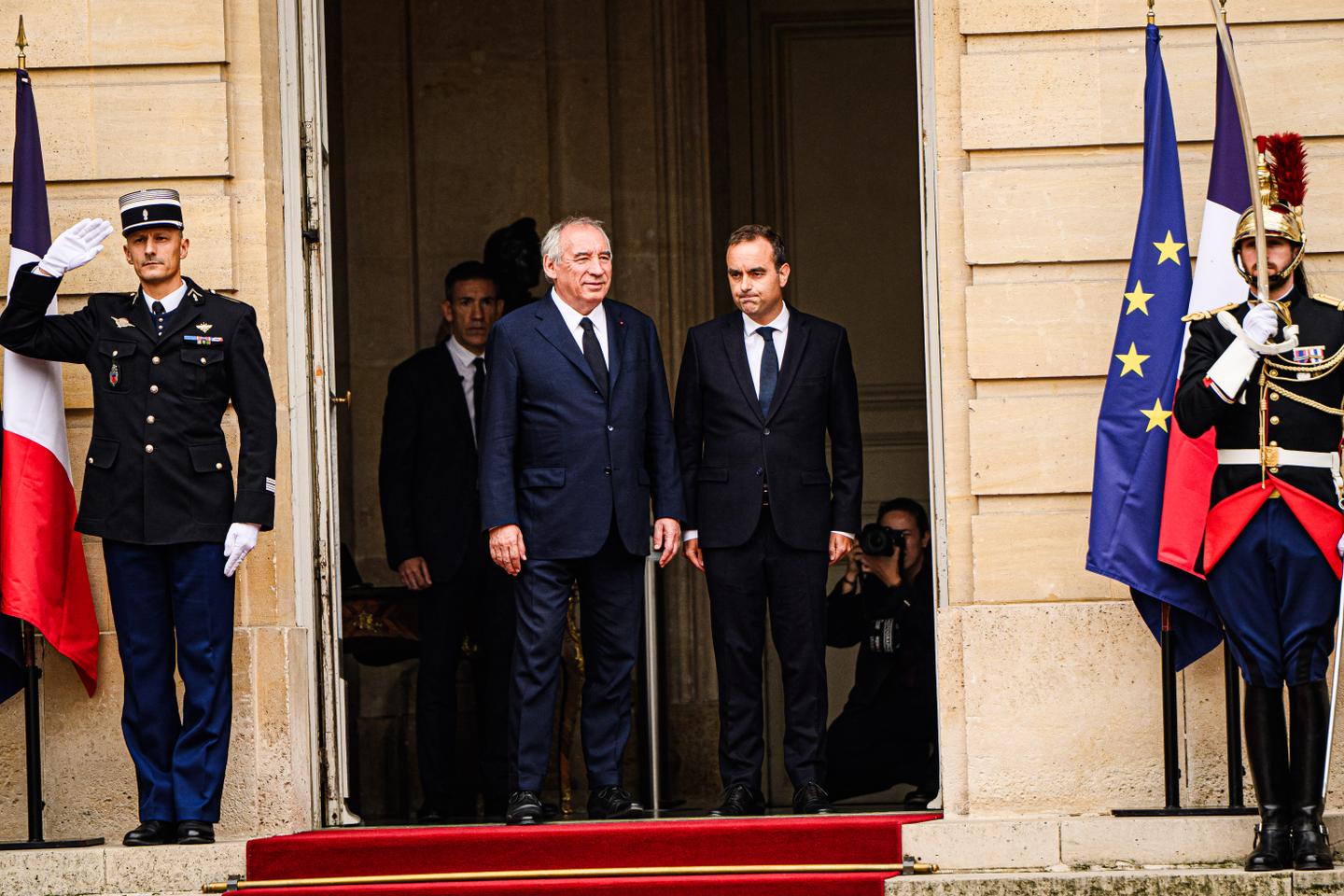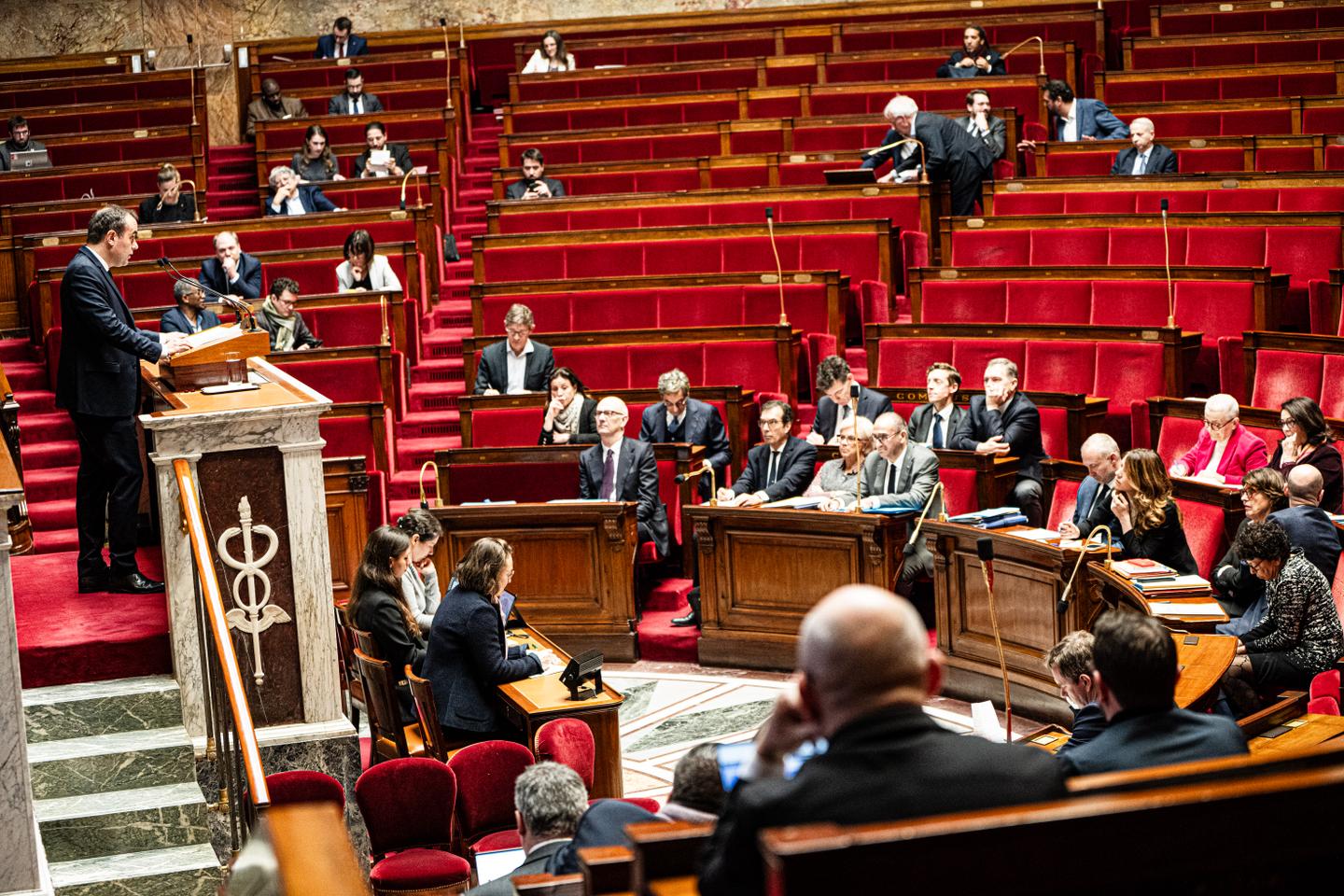
The prime minister, Sébastien Lecornu, at the podium during the review of no-confidence motions at the Assemblée Nationale, in Paris, on January 23, 2026. JULIEN MUGUET FOR LE MONDE
The budgetary fog has lifted enough for French Prime Minister Sébastien Lecornu to see beyond. For the first time since taking office, he can glimpse a way out of the political crisis that has gripped France since the fall of his predecessor François Bayrou in September 2025, followed by the shock resignation of Lecornu's own first government in early October. Breaking with his initial promise, Lecornu chose this week to invoke Article 49.3 of the Constitution to pass the budget without a vote. The move should allow him to remain in office.
After three months of often opaque budget debate, Lecornu's government is already looking ahead to 2027. "Now, we need to move forward. (...) We must know how to end a political crisis," Lecornu said on Friday, January 23, during a visit focused on housing in the Parisian suburb of Rosny-sous-Bois.
That same morning, two no-confidence motions filed by the hard-left La France Insoumise and the far-right Rassemblement National had failed to bring him down. Their defeat meant that the revenue section of the 2026 draft budget was adopted, after Lecornu's first of three projected uses of Article 49.3. On Friday, he called the mechanism "a tool of last resort, if not a last-ditch measure," before triggering it for the second time, on the spending section of the budget, in an almost empty Assemblée Nationale.