I
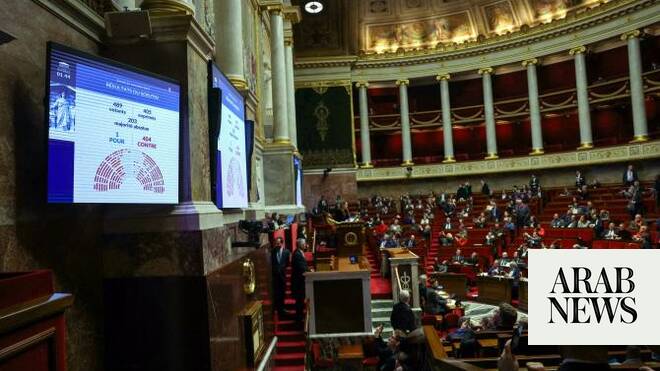
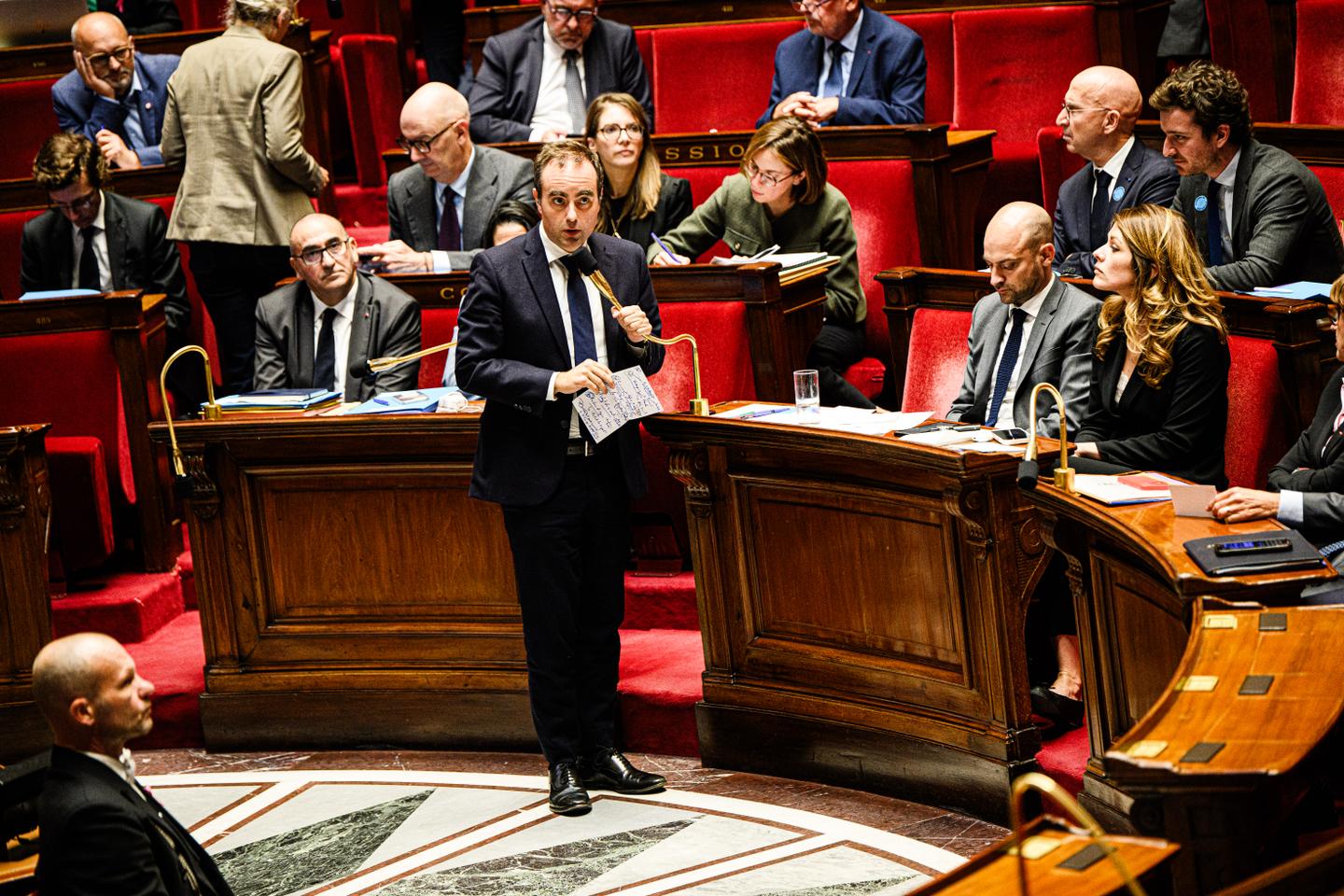
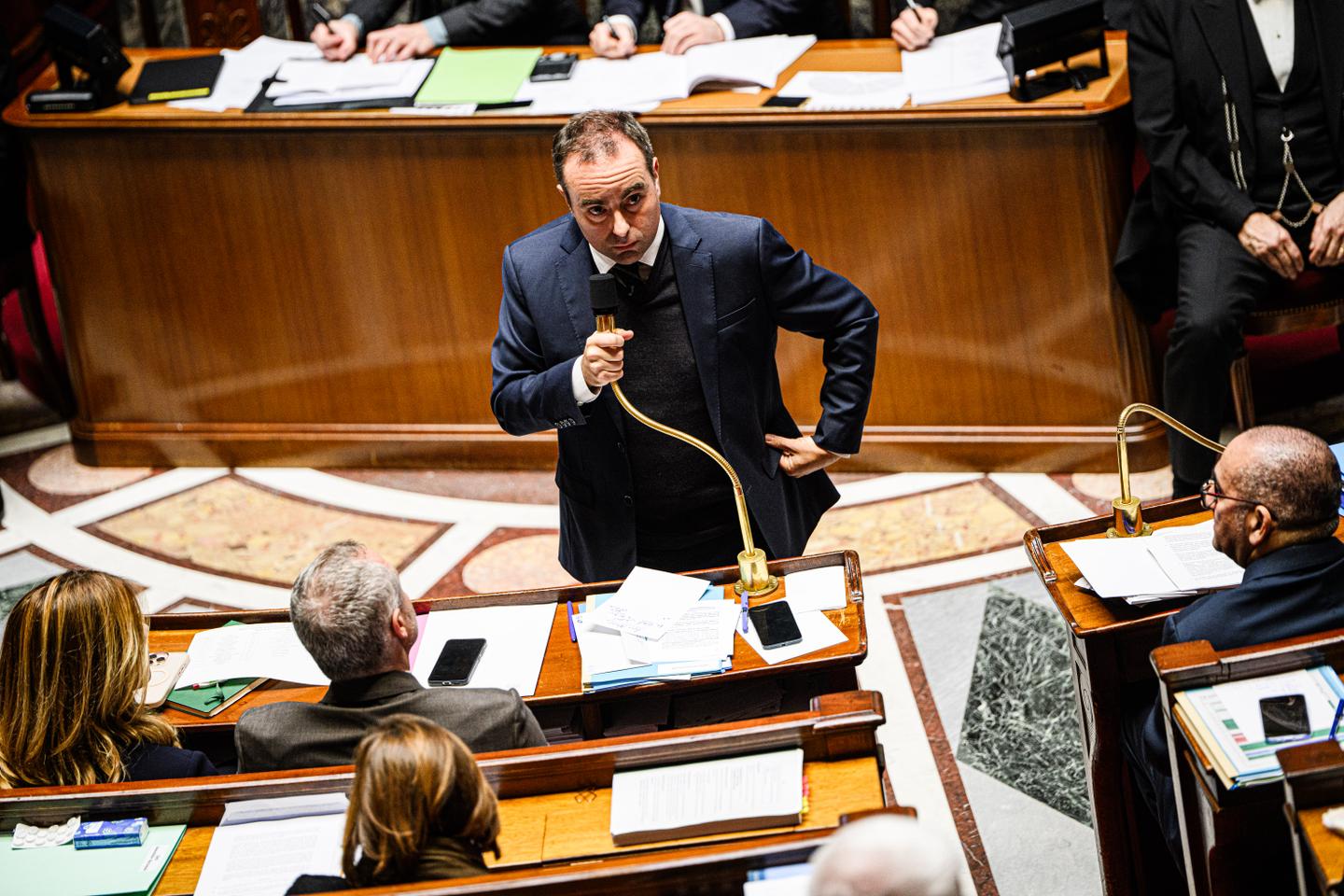
t was an unprecedented political event in a period already marked by many such moments. During the night of Friday, November 21, to Saturday, November 22, the first part of France's budget bill, concerning revenues, was rejected by an almost unanimous vote in the Assemblée Nationale. A rejection to this degree had never happened under the Fifth Republic. Most notably, the massive abstention by the central bloc raised questions: In what kind of country do the groups backing the government not even vote for the budget?
Faced with this unprecedented situation, Prime Minister Sébastien Lecornu appears deeply isolated. The self-described "weakest" head of government in the history of the Fifth Republic (founded in 1958) does not have a majority. This has meant that since taking office, the PM has been on his back foot: having to initiate talks with opposition parties, labor unions and employers' organizations. Through a strategy based on dialogue (forgoing the use of Article 49.3 of the Constitution, which allows the PM to pass a bill without a vote) and concessions (such as the suspension of the unpopular pension reform), the PM has sought to at least secure the neutrality of the Socialists. The latter, meanwhile, have been happy to return to the center of the political stage, distancing themselves from their more radical rivals, La France Insoumise (LFI). Yet this approach, rooted in parliamentarism, had not yet yielded the desired results for either camp.