A
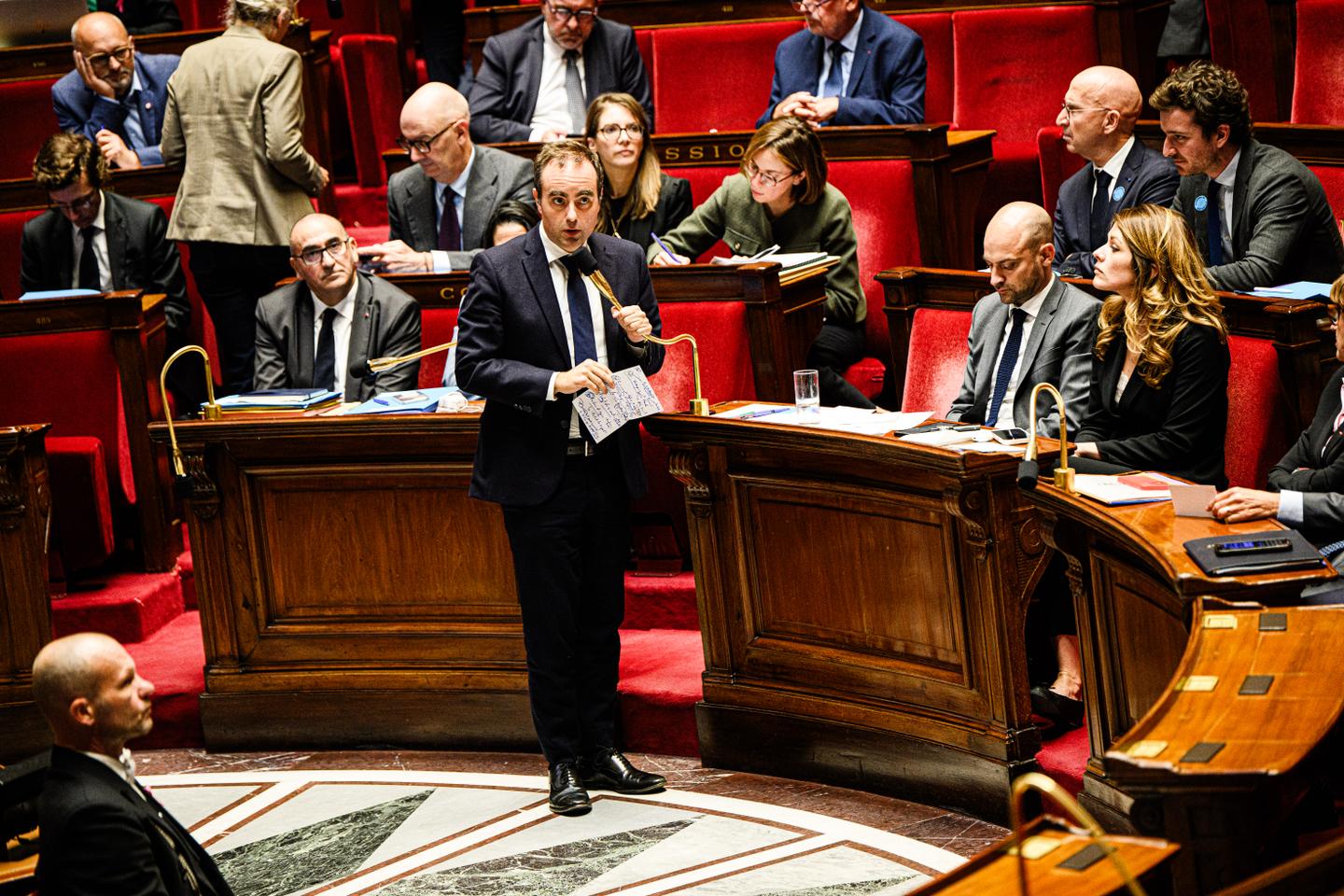
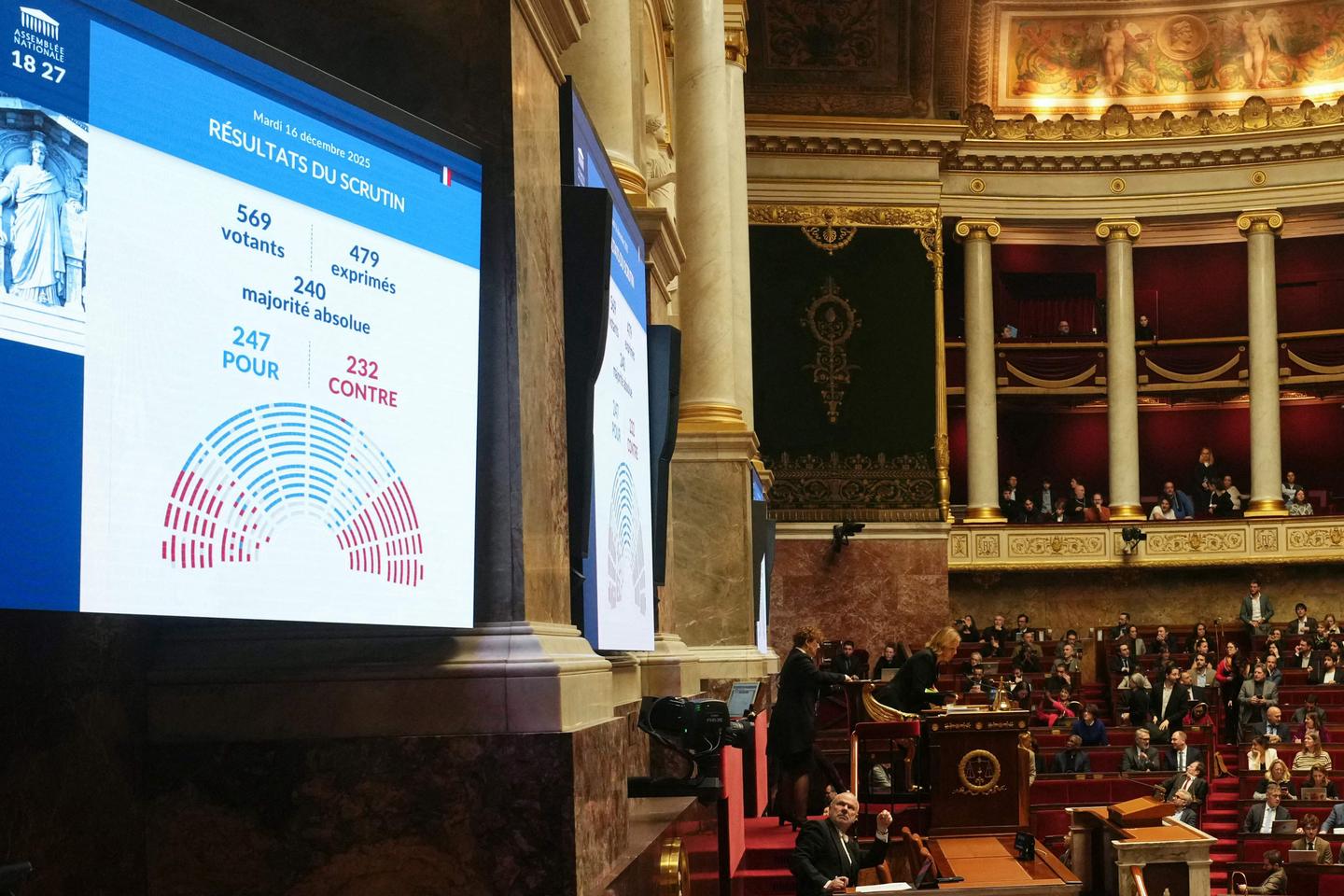
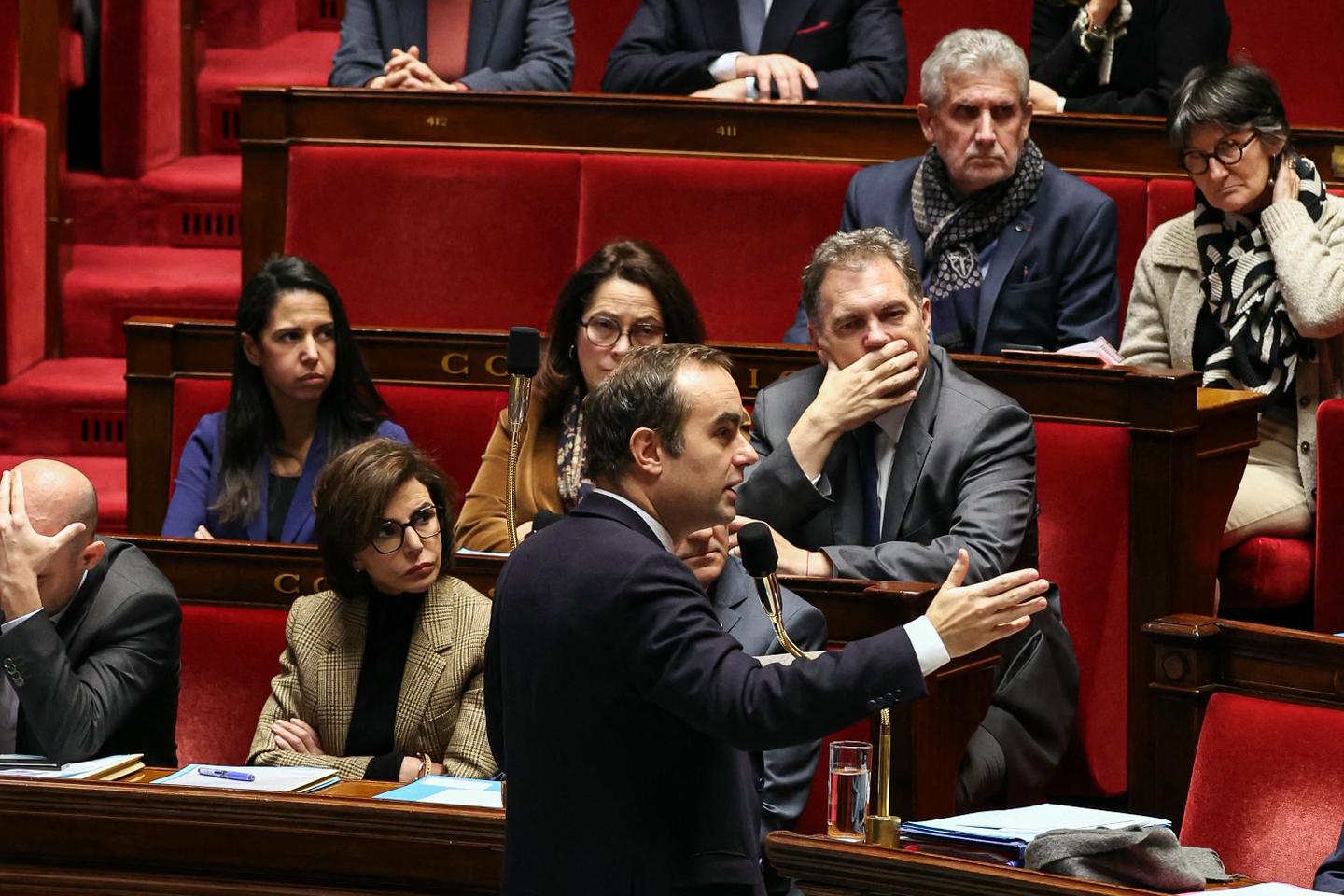
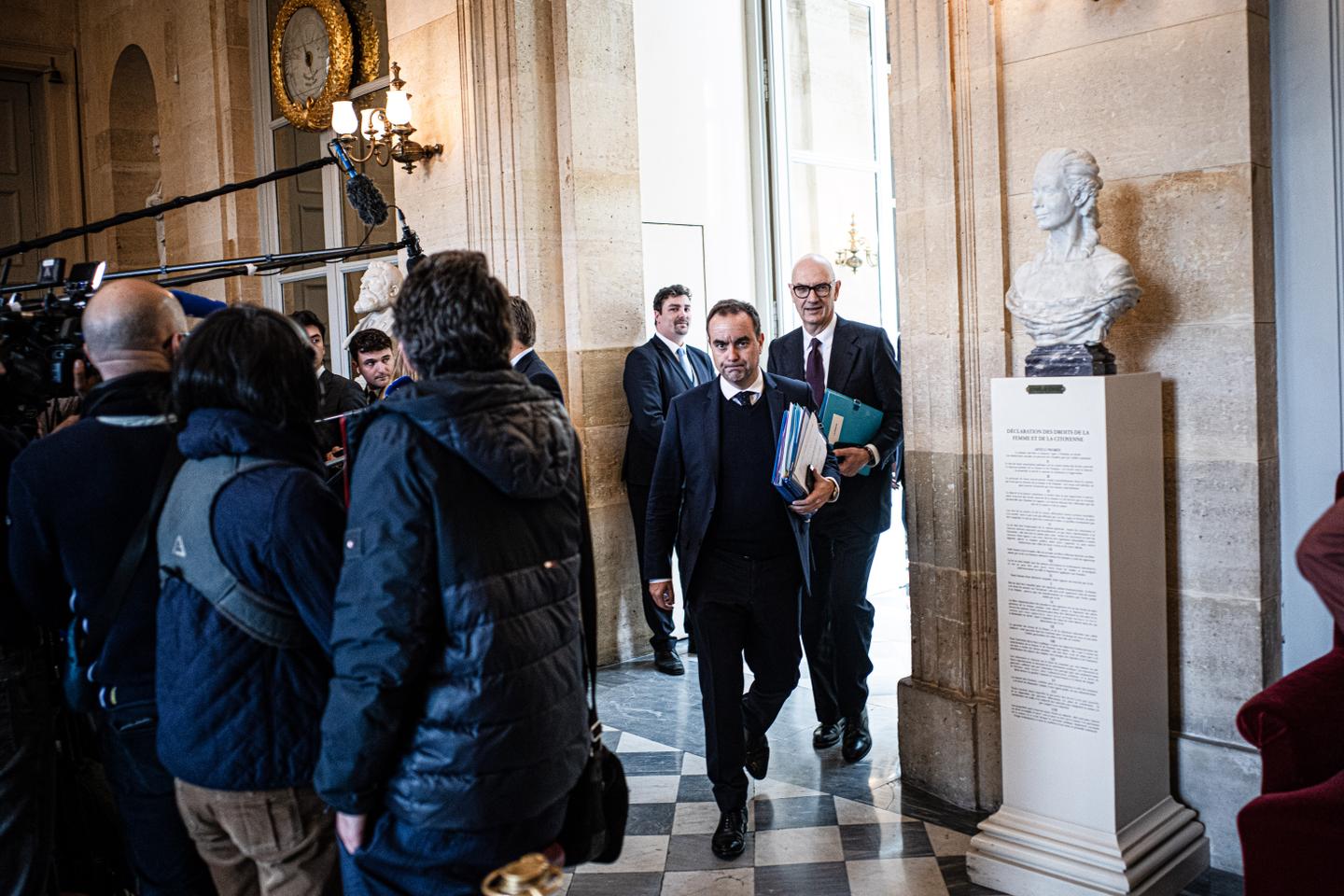
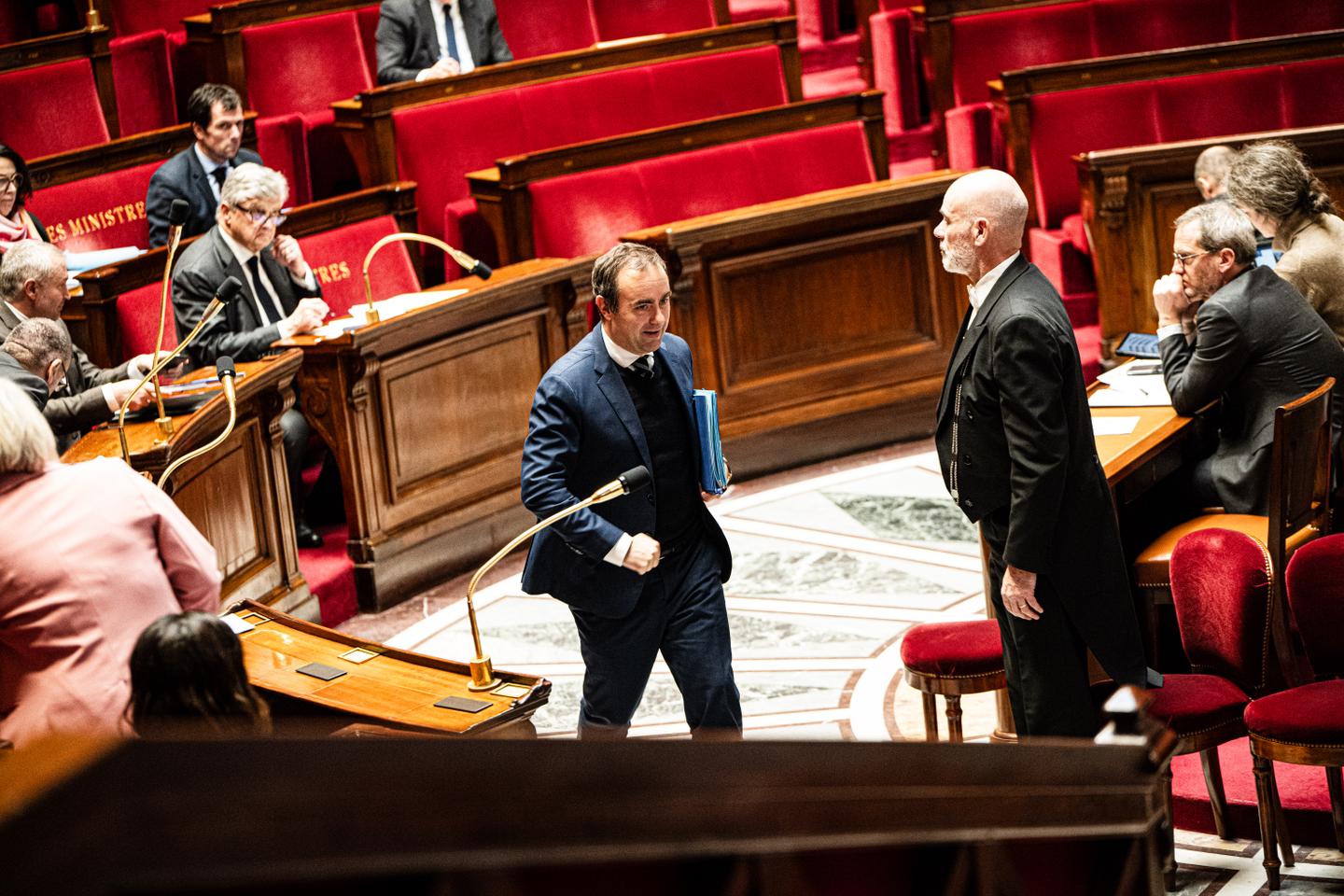
fter lawmakers rejected the budget at the end of November 2025, by a near-unanimous vote, the bill is now returning to the Assemblée Nationale, where the Finance Committee has been examining it since Thursday, January 8, ahead of a plenary session scheduled for January 13. Everyone involved in this drawn-out political drama is now eager to find a quick way out. But how? Even though the prime minister said he still wants to give negotiations a chance, no one, including those at the top of the government, believes MPs will adopt the budget.
When Parliament adopted the social security budget in December, it came at the cost of significant concessions to the opposition Socialists. That "democratic experiment," as the budget minister put it, was widely seen as unlikely to be repeated for the state budget.
In 2025, the government was considering pushing the budget through executive action, under Article 47.3 of the Constitution, which allows it to strip Parliament of its budgetary powers if lawmakers are deemed to be failing to exercise them responsibly. The Socialists denounced the unprecedented procedure, calling it "a democratic outrage" and "the worst possible solution."
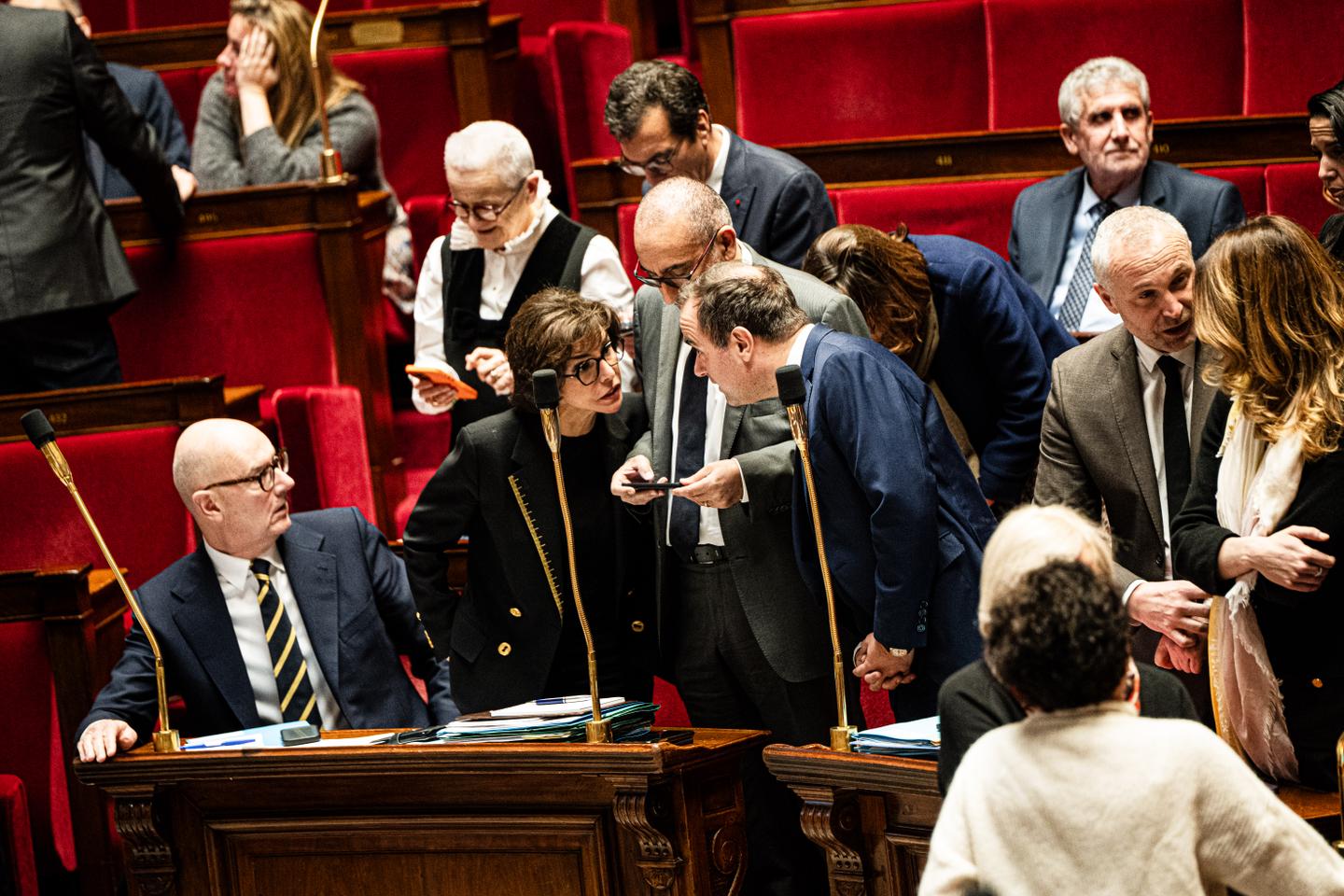
That leaves Article 49.3 of the Constitution. In a bid to win over the same Socialists, Prime Minister Sébastien Lecornu had promised not to trigger the procedure that allows forcing a bill through without a vote. That pledge helped open negotiations in the autumn, pushing back the threat of a no-confidence motion. But since the bill's return to the Assemblée Nationale, the prospect of Article 49.3 looms again. Now called for by lawmakers across the political spectrum – from François Hollande of the Socialists to Bruno Retailleau of the conservative Les Républicains, including Elisabeth Borne of centrist Renaissance – it is no longer ruled out by the government.