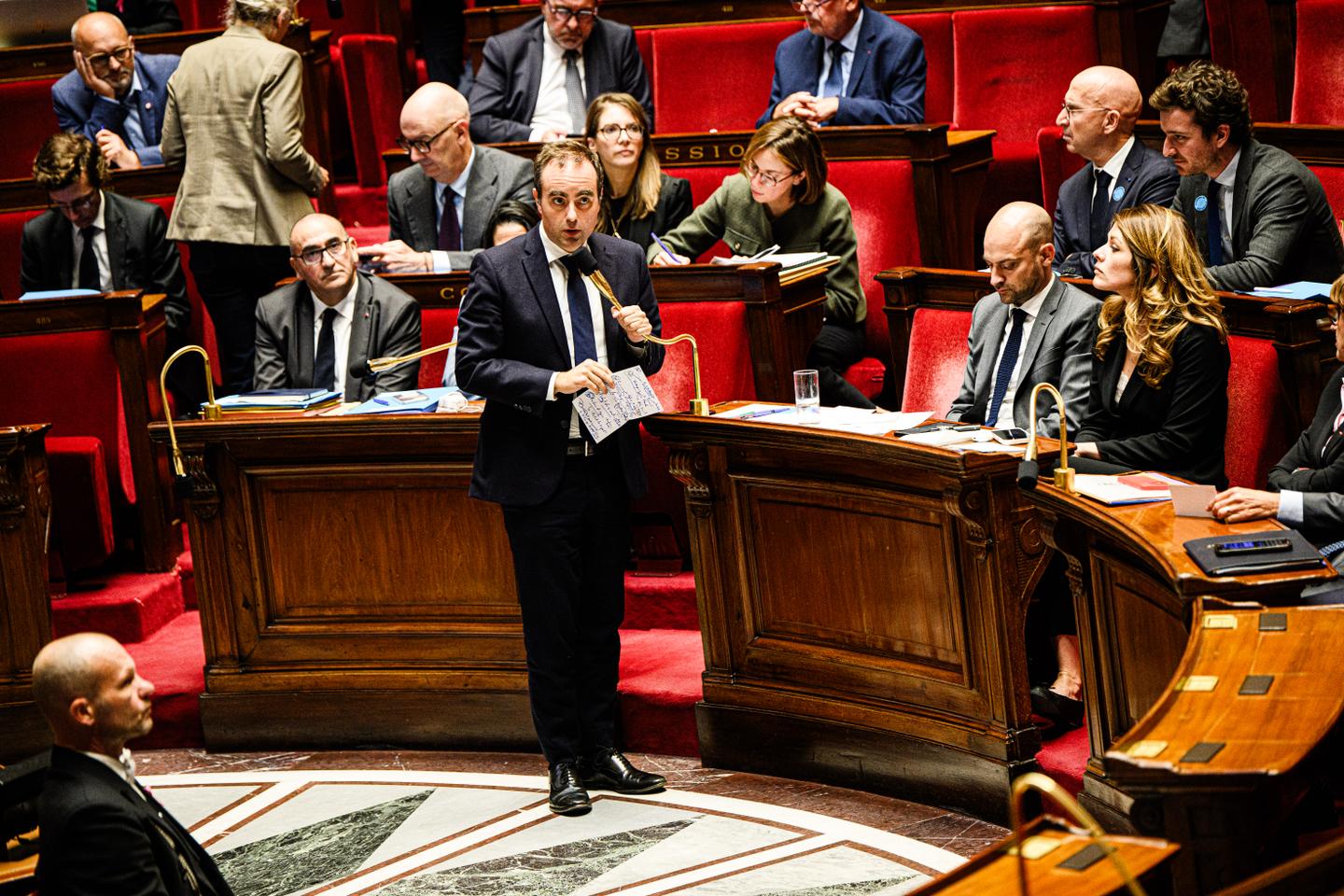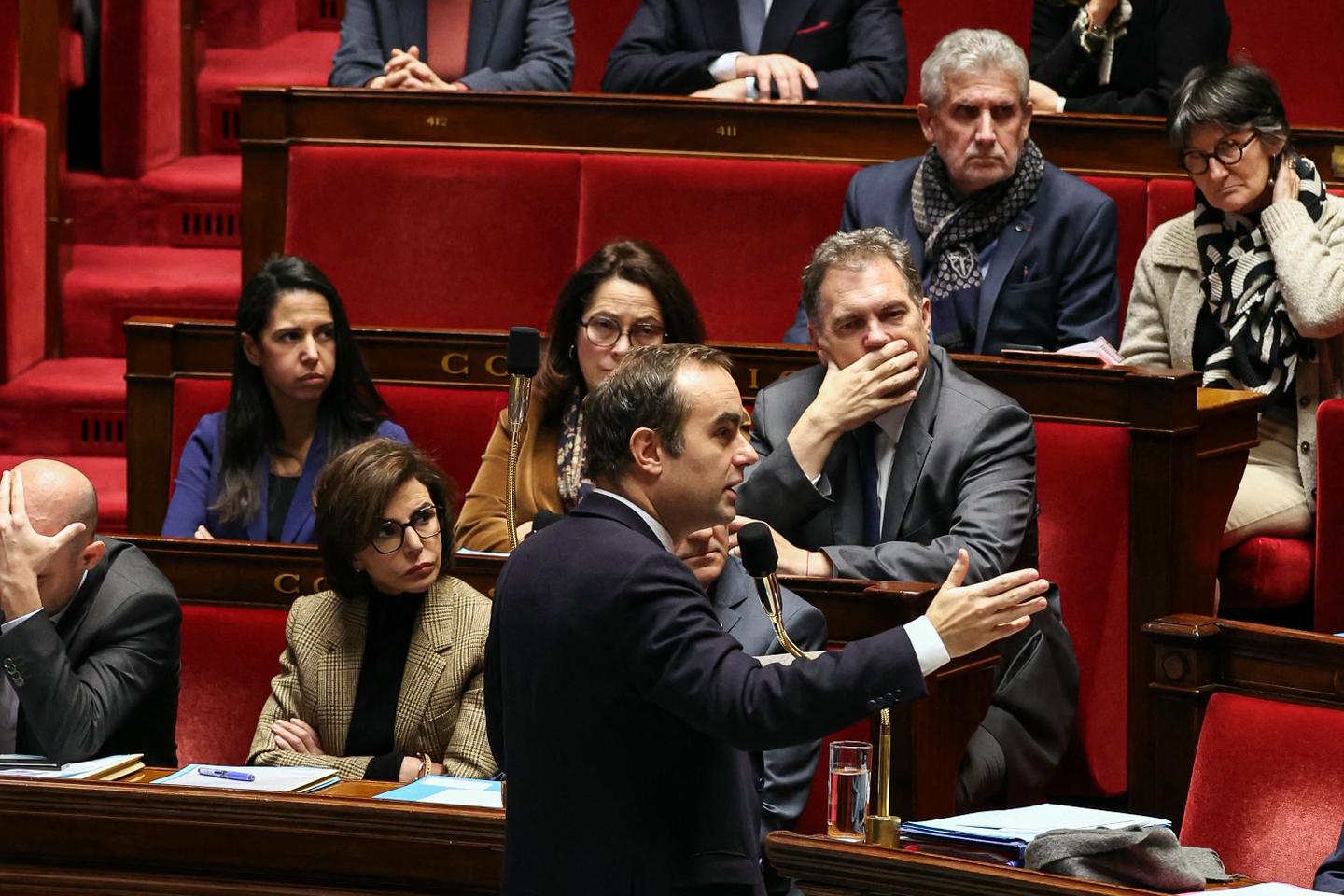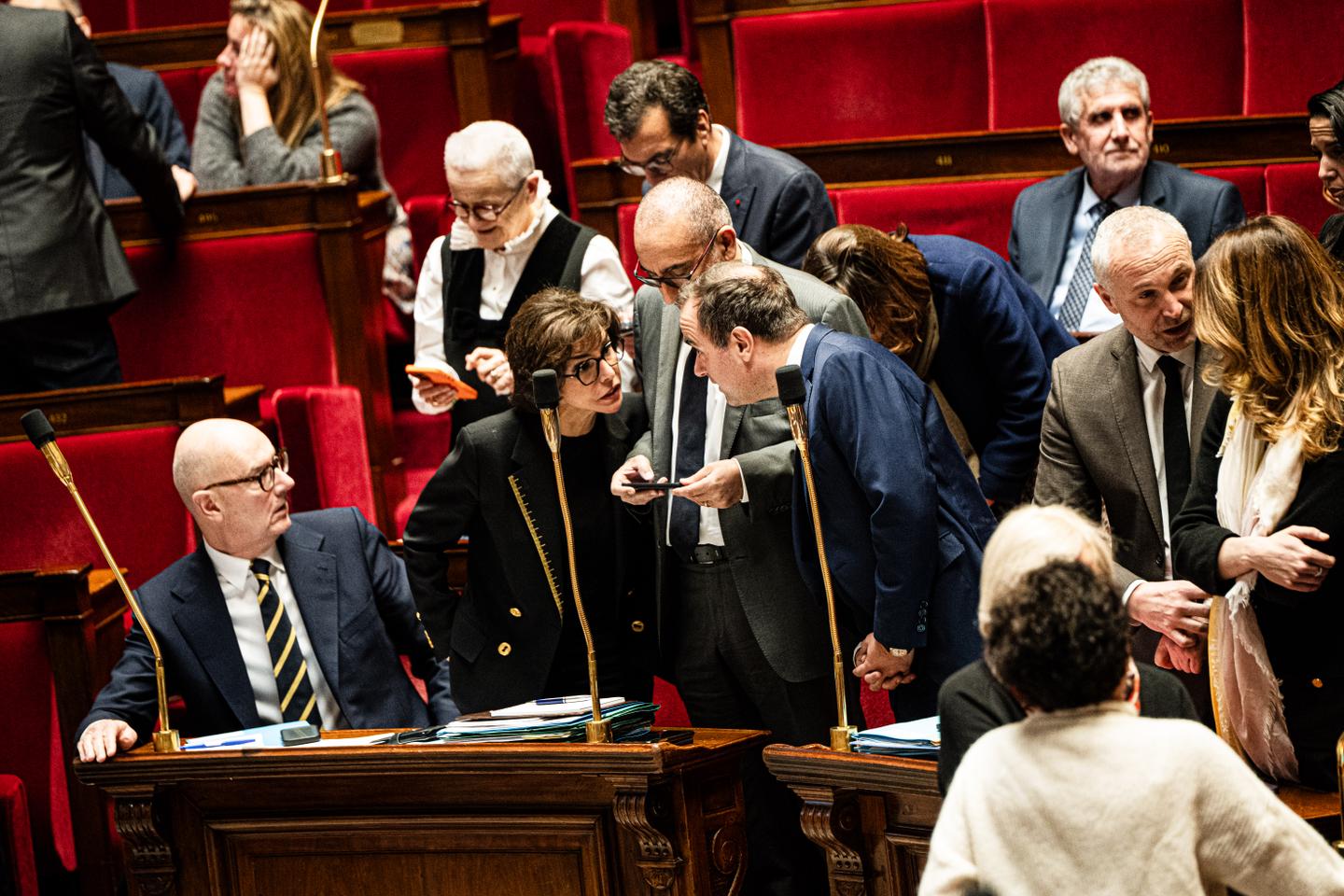
Prime Minister Sébastien Lecornu speaks with Culture Minister Rachida Dati, before the start of a government question session at the Assemblée Nationale, in Paris, on January 27, 2026. JULIEN MUGUET FOR LE MONDE
There are telltale signs that show when a chapter is drawing to a close. On the morning of Tuesday, January 27, Philippe Brun, the Socialist MP who led his party's efforts on the 2026 budget bill in a monthslong parliamentary battle, had different priorities: He was serving as an Assemblée Nationale tour guide for a group of students.
The Socialist negotiator seemed relaxed about how the day would unfold, even though two no-confidence motions – one introduced by La France Insoumise (LFI, radical left), the Greens and the Communists (left), and the other by the far-right Rassemblement National (RN) party and its allies – were due to be debated that afternoon. The motions followed Prime Minister Sébastien Lecornu's recent use of Article 49.3 of the Constitution to push through the spending section of the government's bill without a vote.
Unsurprisingly, the Assemblée Nationale rejected both motions on Tuesday. The left's motion garnered 267 votes (two fewer than the previous attempt) and the RN's received 140, short of the 289 votes required to pass. The motions' failure meant the Assemblée officially approved the 2026 state budget bill, after more than three months of debates on the government's bill.