E
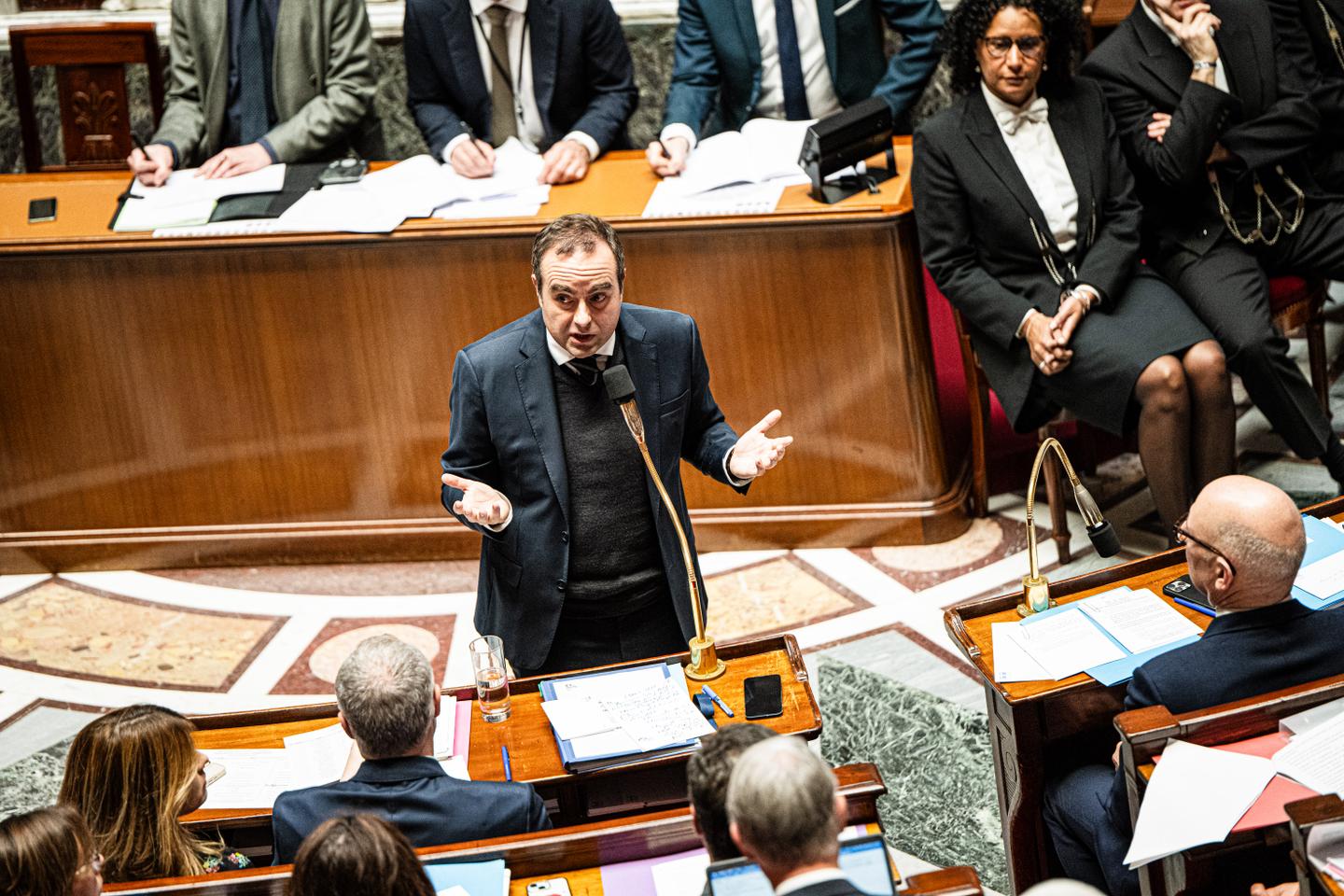
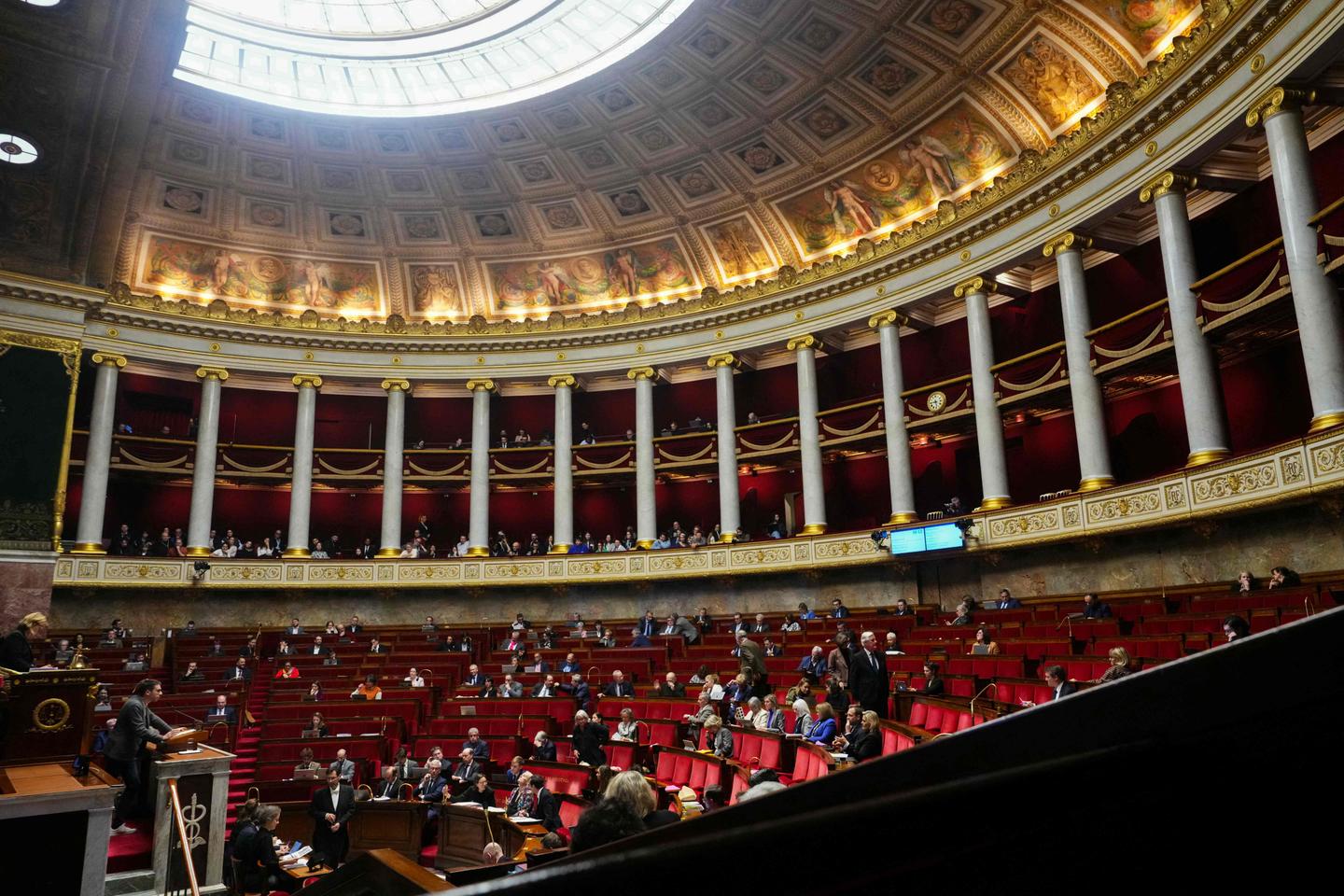
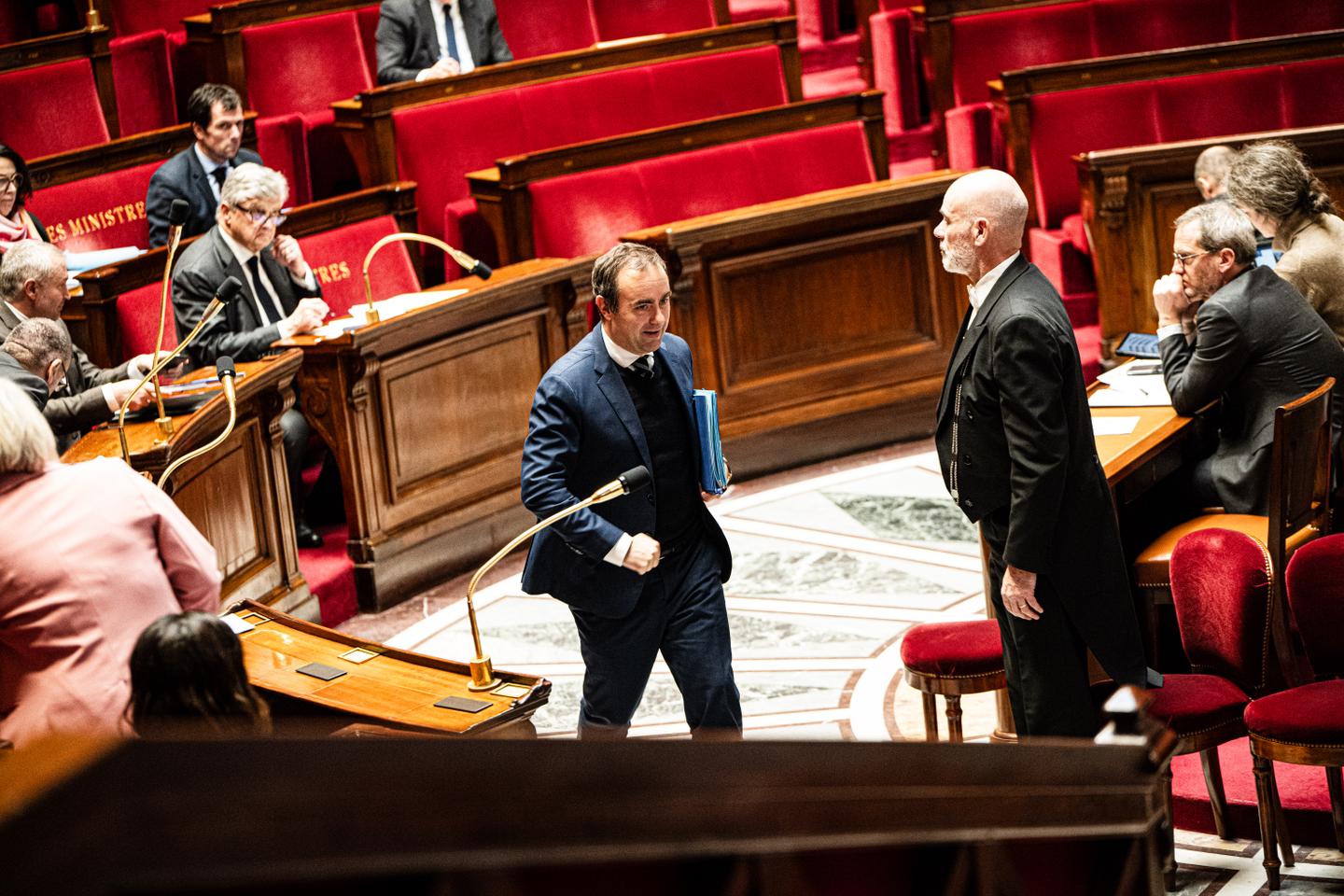
ver since President Emmanuel Macron's fateful dissolution of the Assemblée Nationale on June 9, 2024, which left the country politically fragmented, what was once the exception has begun to become the norm. Just like last year, due to the lack of an agreement on the 2026 state budget bill, parliament adopted a "special law," a temporary measure that provides for funding the day-to-day operations of the state, public administrations and local authorities, on Tuesday, December 23. That vote concluded two and a half months of fruitless budget debates, with lawmakers having been unable to reconcile their positions in a joint committee meeting on December 19.
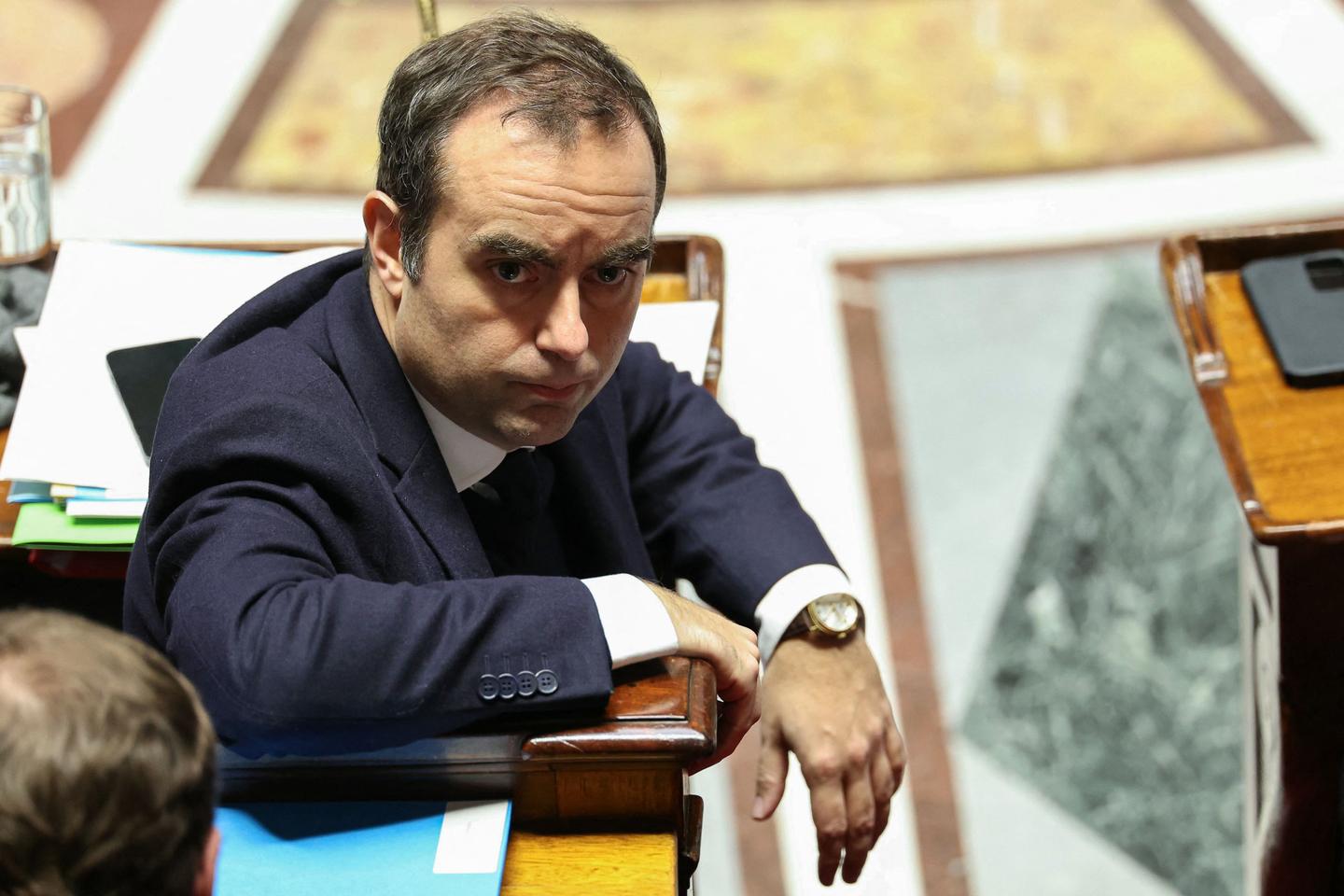
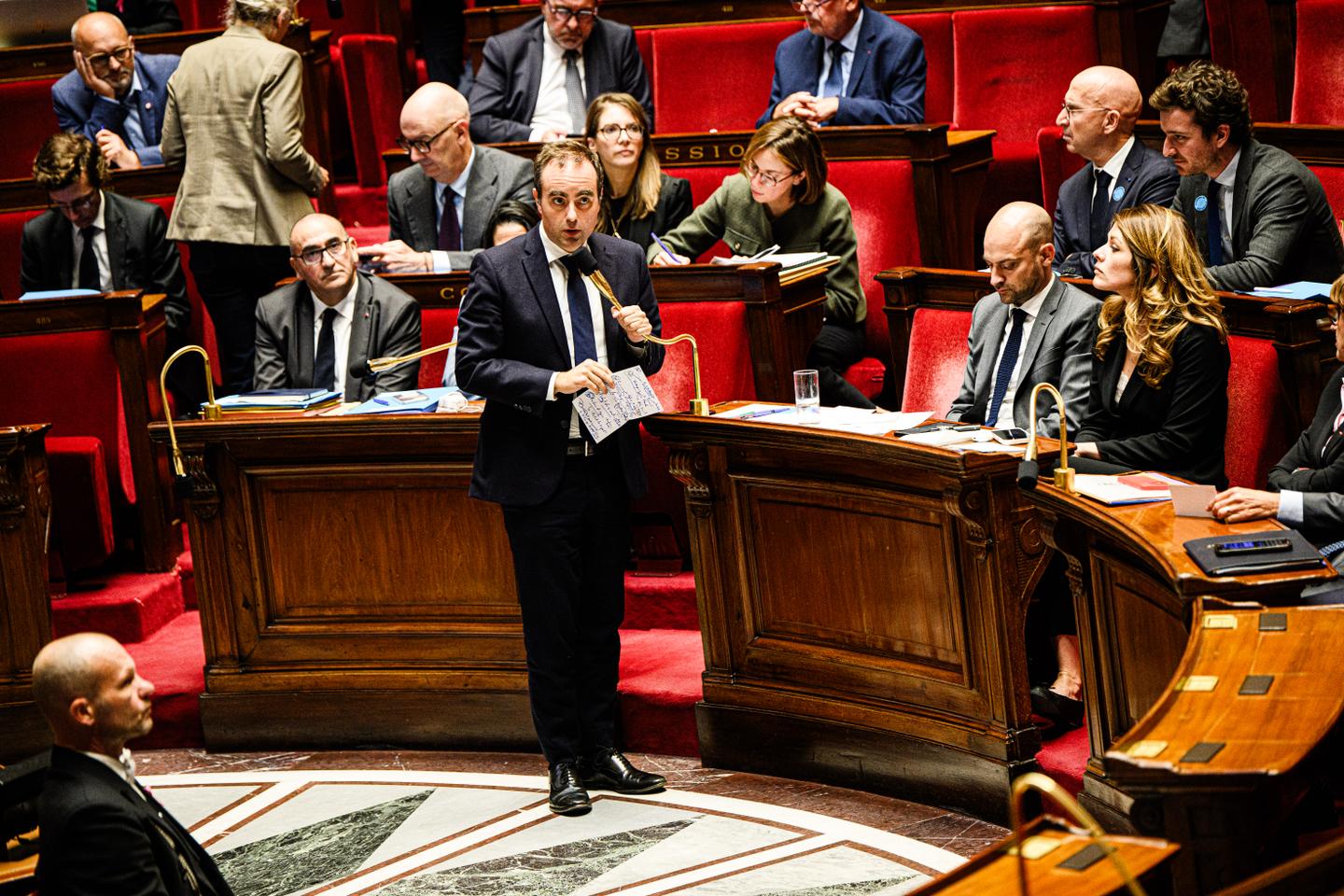
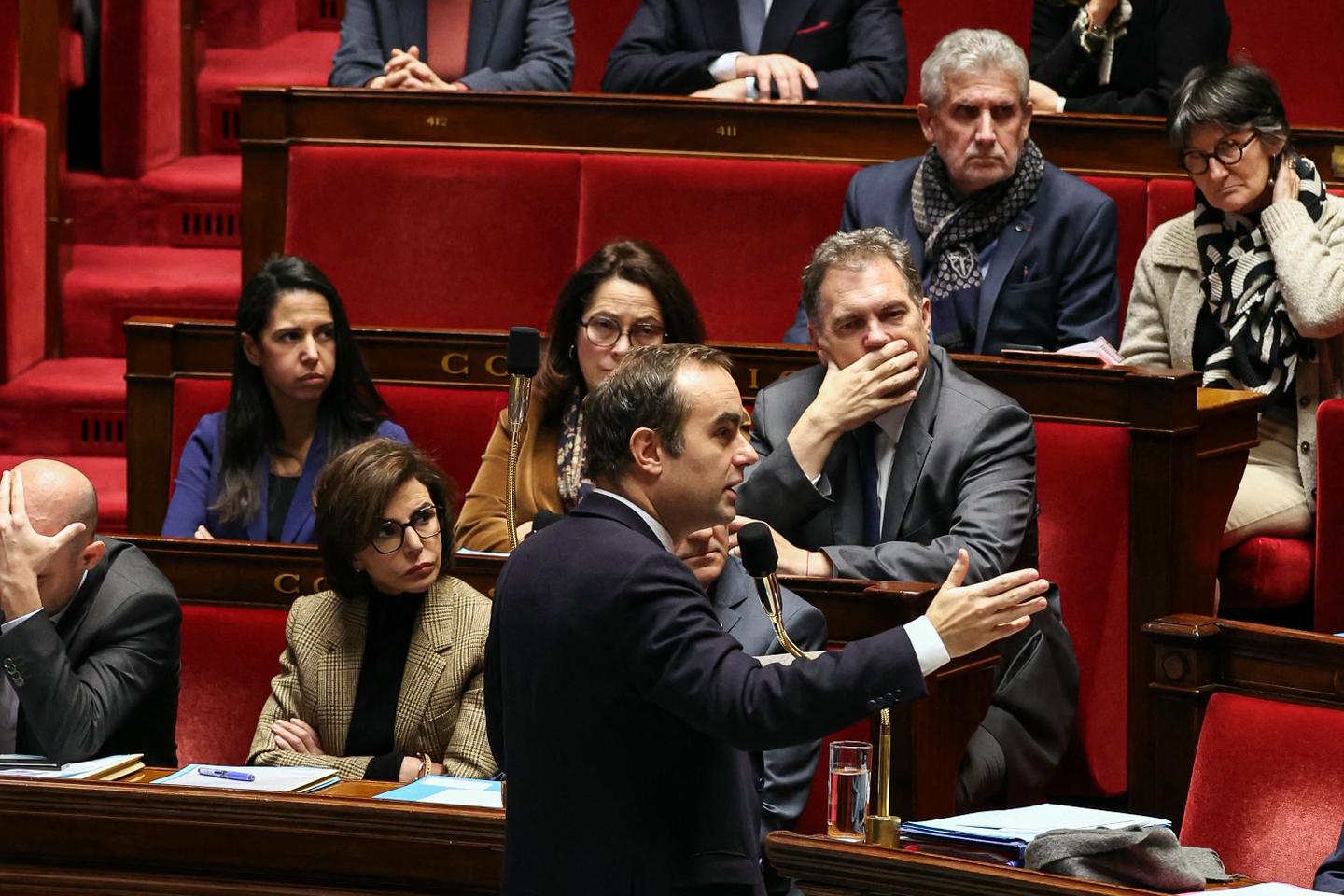
For Prime Minister Sébastien Lecornu, whose mission had been to have both budget bills passed before the end of the year, this amounted to a partial setback, and one that overshadowed the adoption of the Social Security budget bill. The prime minister had touted his compromise-based approach and appeared to change some people's minds within the fragmented Assemblée, even if all sides considered the agreement to be imperfect and costly.
When it came to the state budget bill, the problem was even more difficult, with left-wing lawmakers indicating that they would be unlikely to abstain, let alone vote in favor of the bill, unless they joined the governing coalition, which seemed completely improbable so close to the presidential election. So it goes.