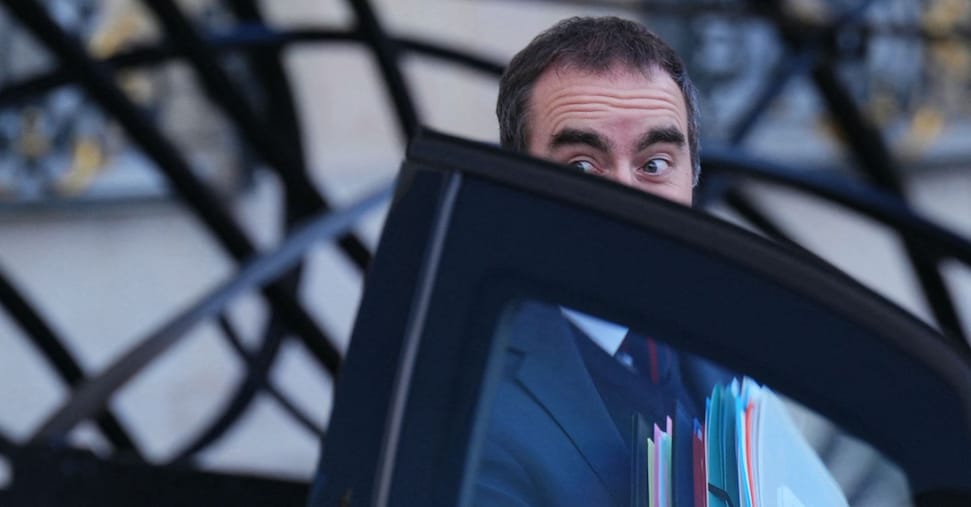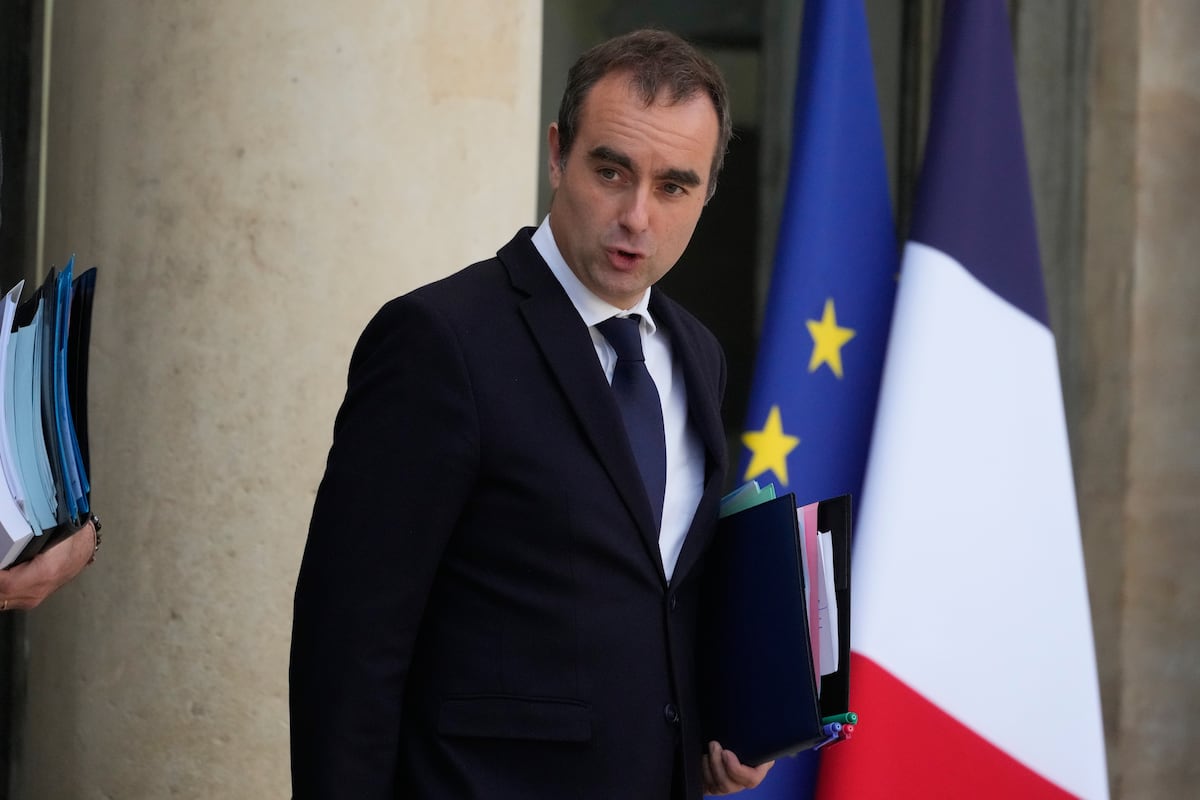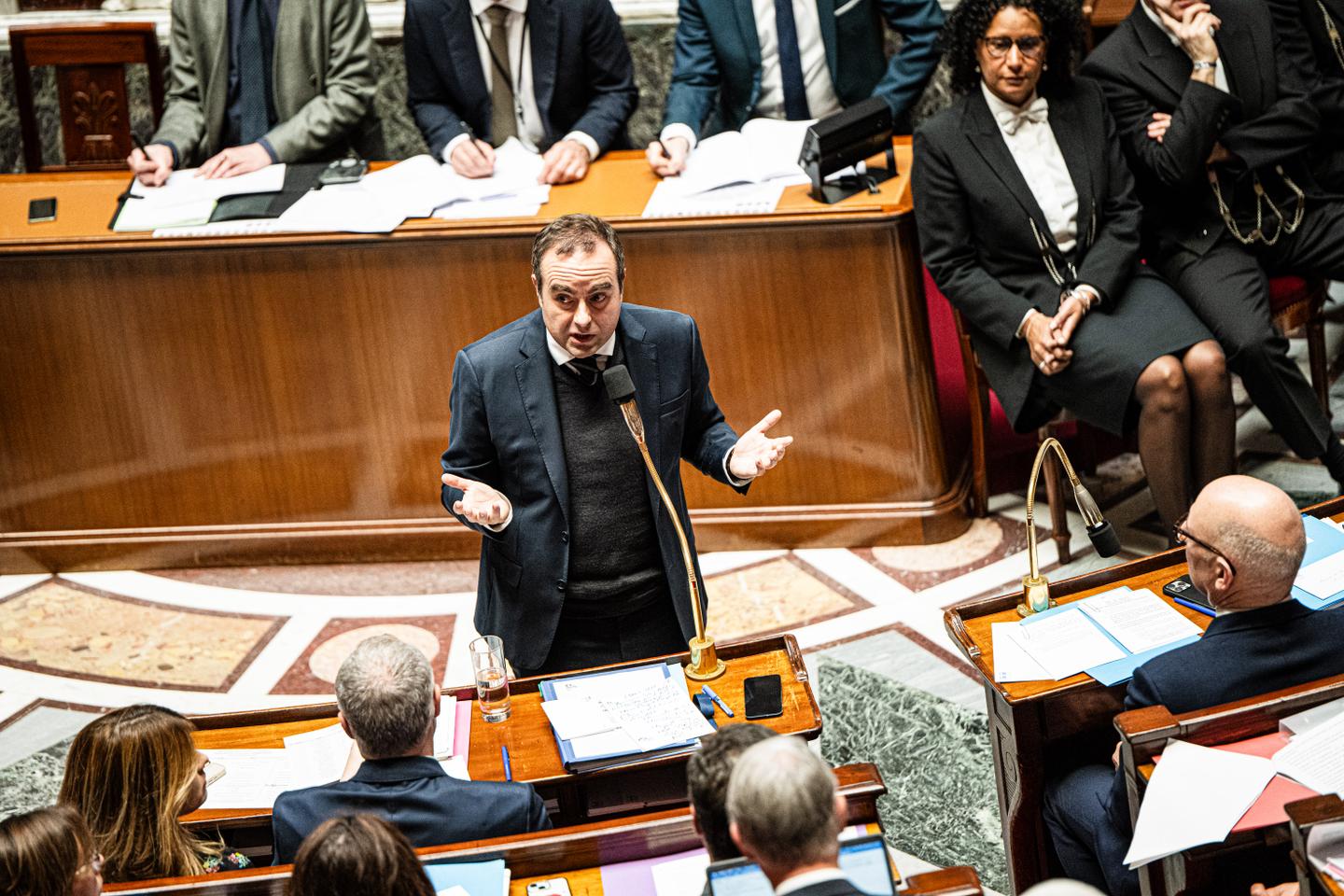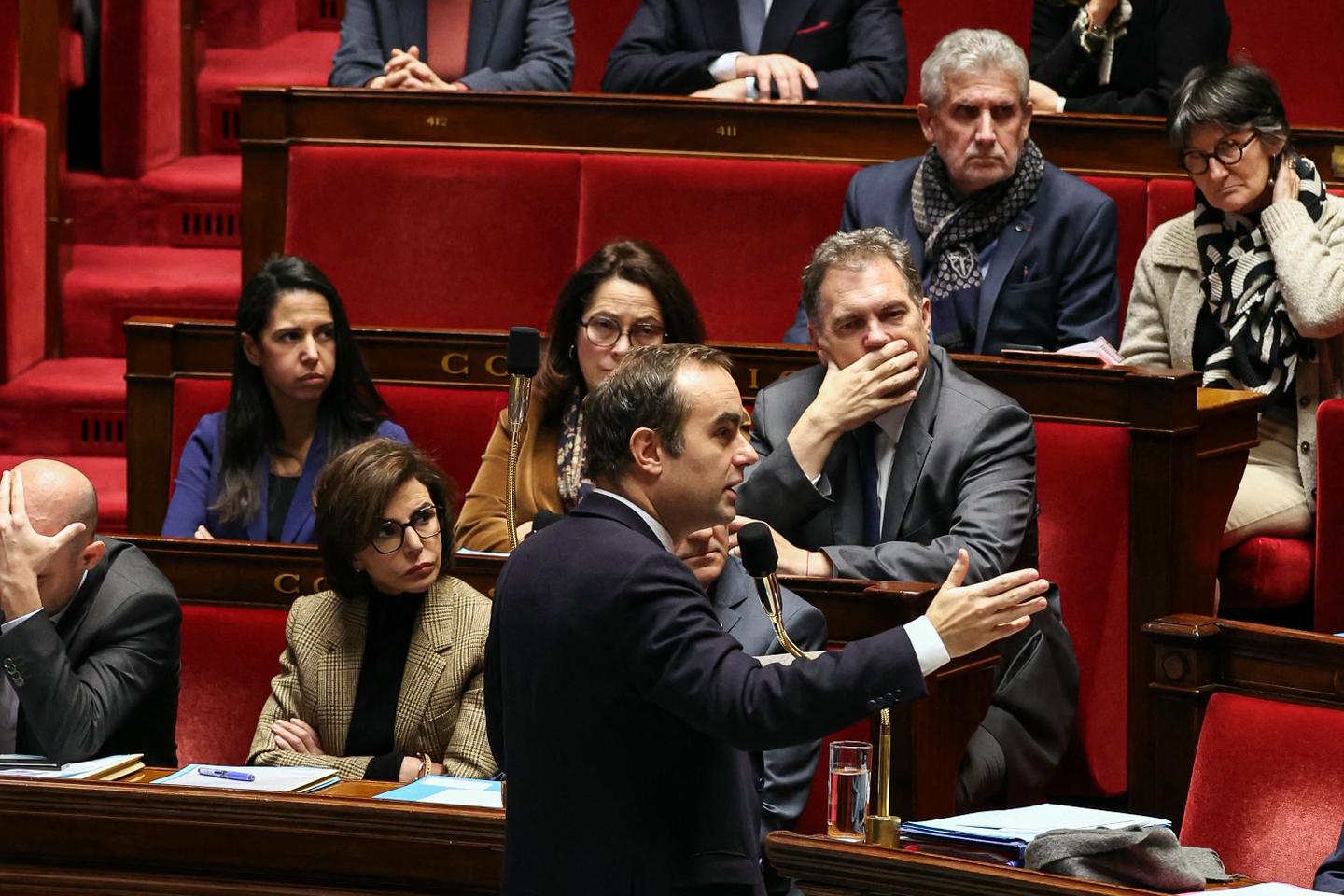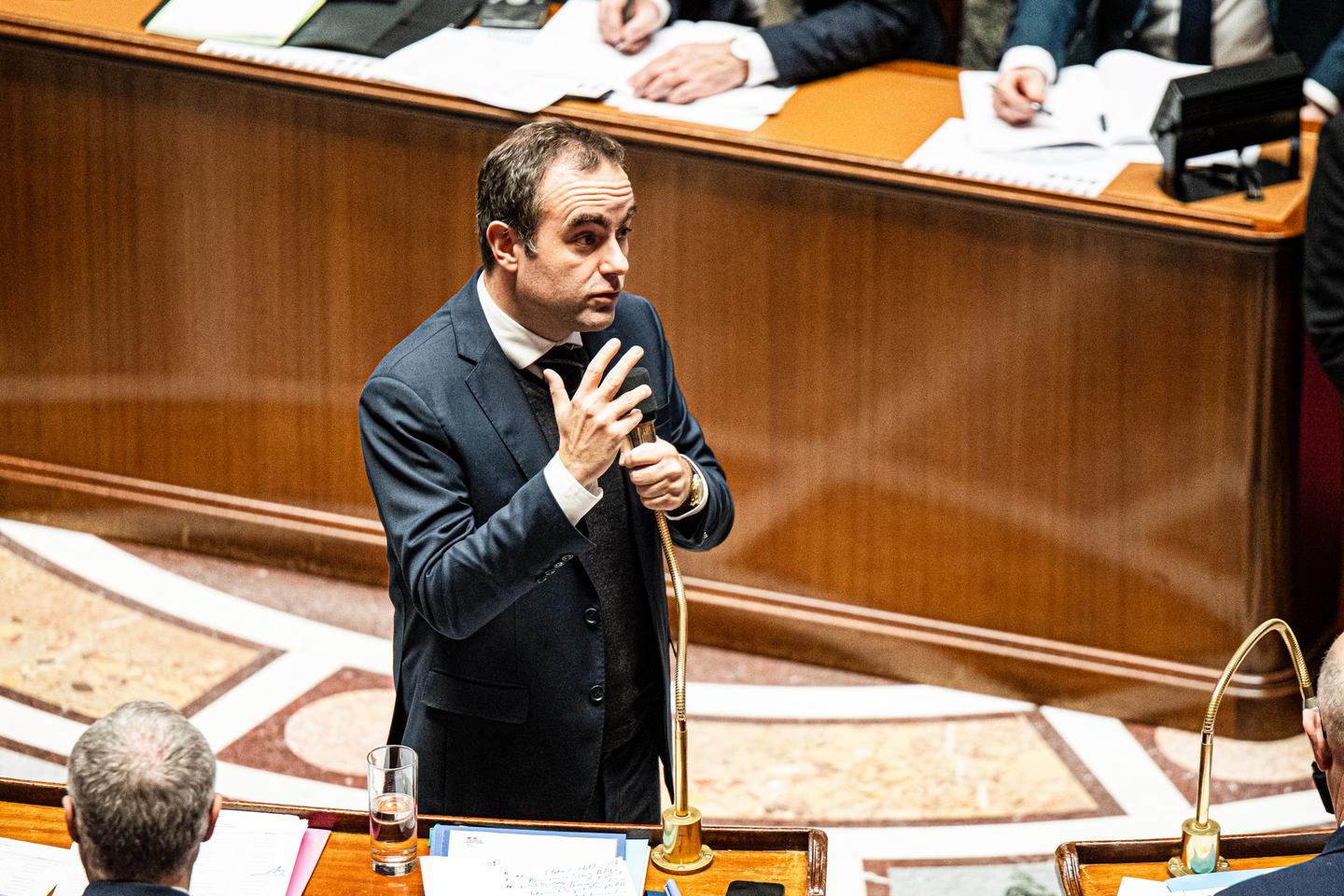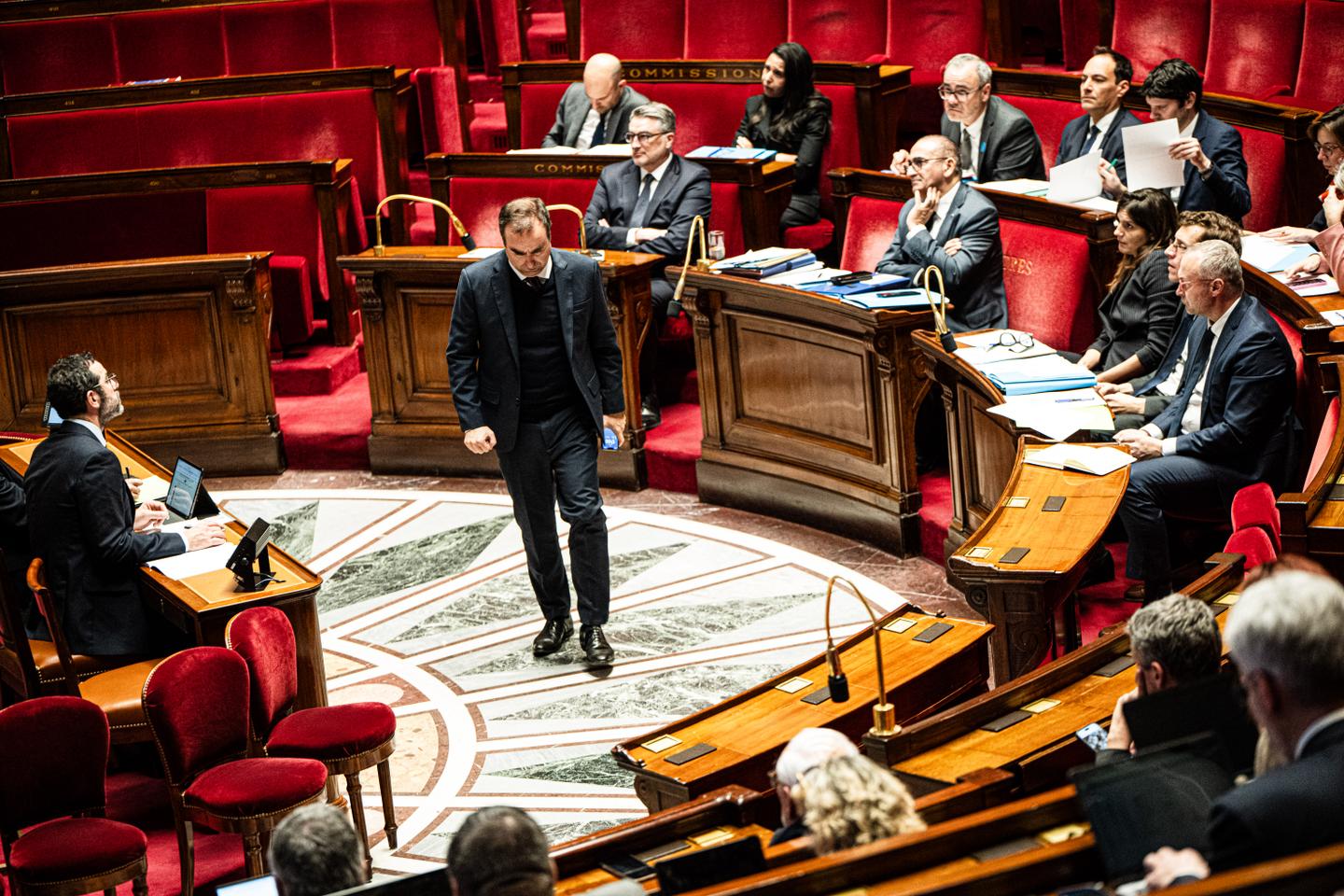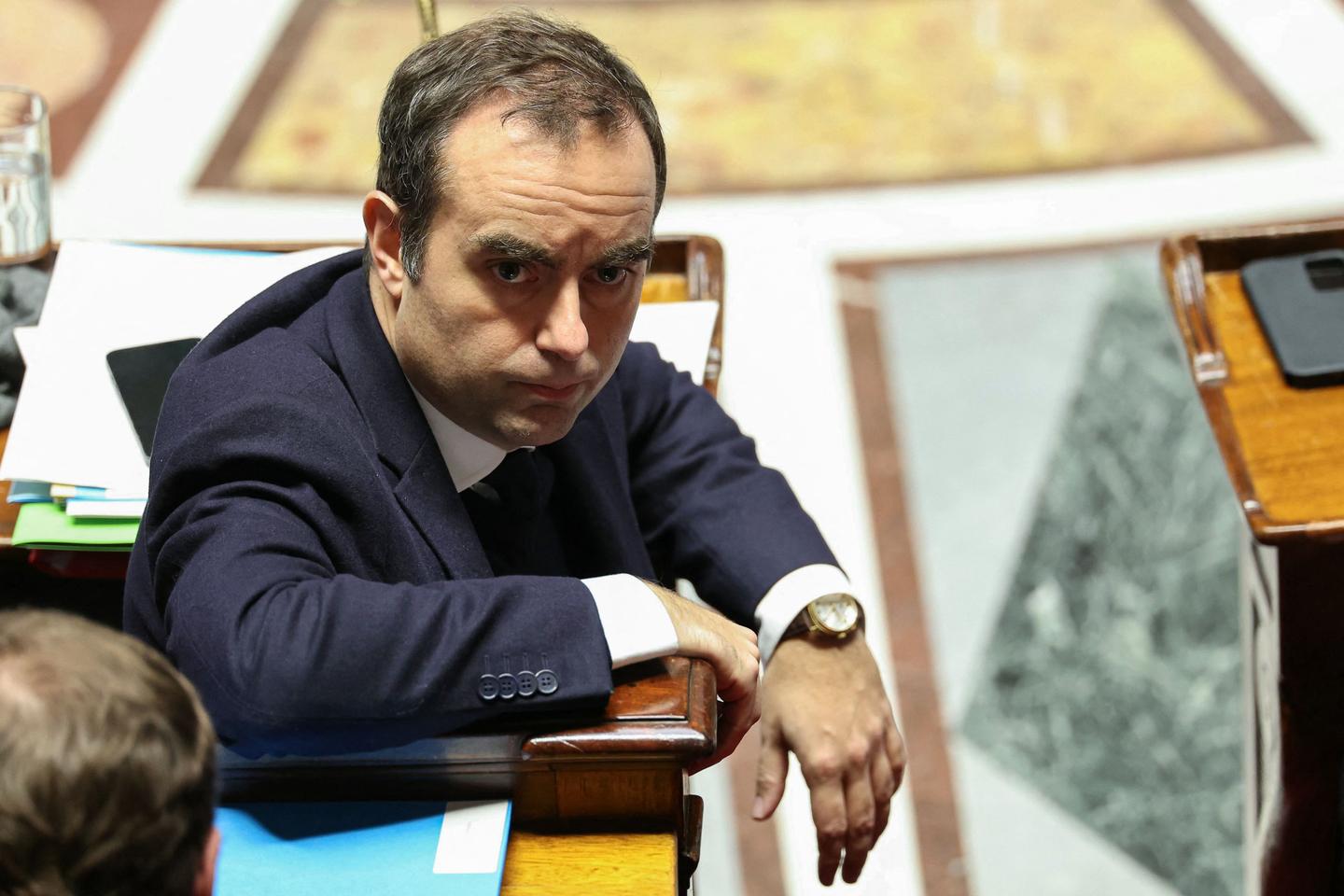
Prime Minister Sébastien Lecornu during a government questions session at the Assemblée Nationale, in Paris, on December 23, 2025. THOMAS SAMSON / AFP
Despite the partial failure of his approach, Prime Minister Sébastien Lecornu did not give up on finding a "compromise" for the 2026 state budget. "Taking the time to build a good budget in a democracy like France is not a weakness," he said, speaking on the steps of his office on Tuesday evening, December 23. He added that he was "convinced that it's possible, if political calculations are set aside." In doing so, the prime minister effectively rejected a host of pressing demands, notably those of President Emmanuel Macron. During a cabinet meeting on Monday evening, Macron urged Lecornu "to give the nation a budget as quickly as possible," even if it meant using Article 49.3 of the Constitution, which allows the government to force through a bill without a vote, or issuing ordonnances, a type of government decree to enact budget bills without a preceding vote.
Subscribers only
Macron presses PM Lecornu to secure a budget for France
Yet the "deal" between Lecornu and the leader of the Parti Socialiste (PS), Olivier Faure, which had previously made it possible to pass the 2026 Social Security budget bill in mid-December, had been based on the prime minister's promise not to use Article 49.3. That choice had gone unchallenged until it showed its limits, with the breakdown in talks on the 2026 state budget bill. For now, Lecornu has refused to risk his government's survival by using Article 49.3, which would trigger a no-confidence vote.