T
he seemingly endless budget saga has finally entered the home stretch. After several uses of a procedure that allows the government to pass a bill without a vote, whose merits were hypocritically rediscovered, and after a few doomed no-confidence votes, France is on the brink of adopting a budget for 2026. Yet the bill is weak, and it has only created the illusion of a financial framework for a country that has neither a parliamentary majority, clear direction, nor priorities, and is more heavily indebted than ever.
Prime Minister Sébastien Lecornu had dreamed of a fruitful compromise, but has only managed to cobble together a makeshift deal through exhaustion. Every political party now blames the others for the outcome. The budget was designed so that those who were still motivated to help the country move forward could all claim their own hard-won, minor victories. In the end, however, the concessions are what stands out. La France Insoumise (radical left) and Rassemblement National (far right) are now counting the points they scored, delighted by the prevailing sense of frustration.
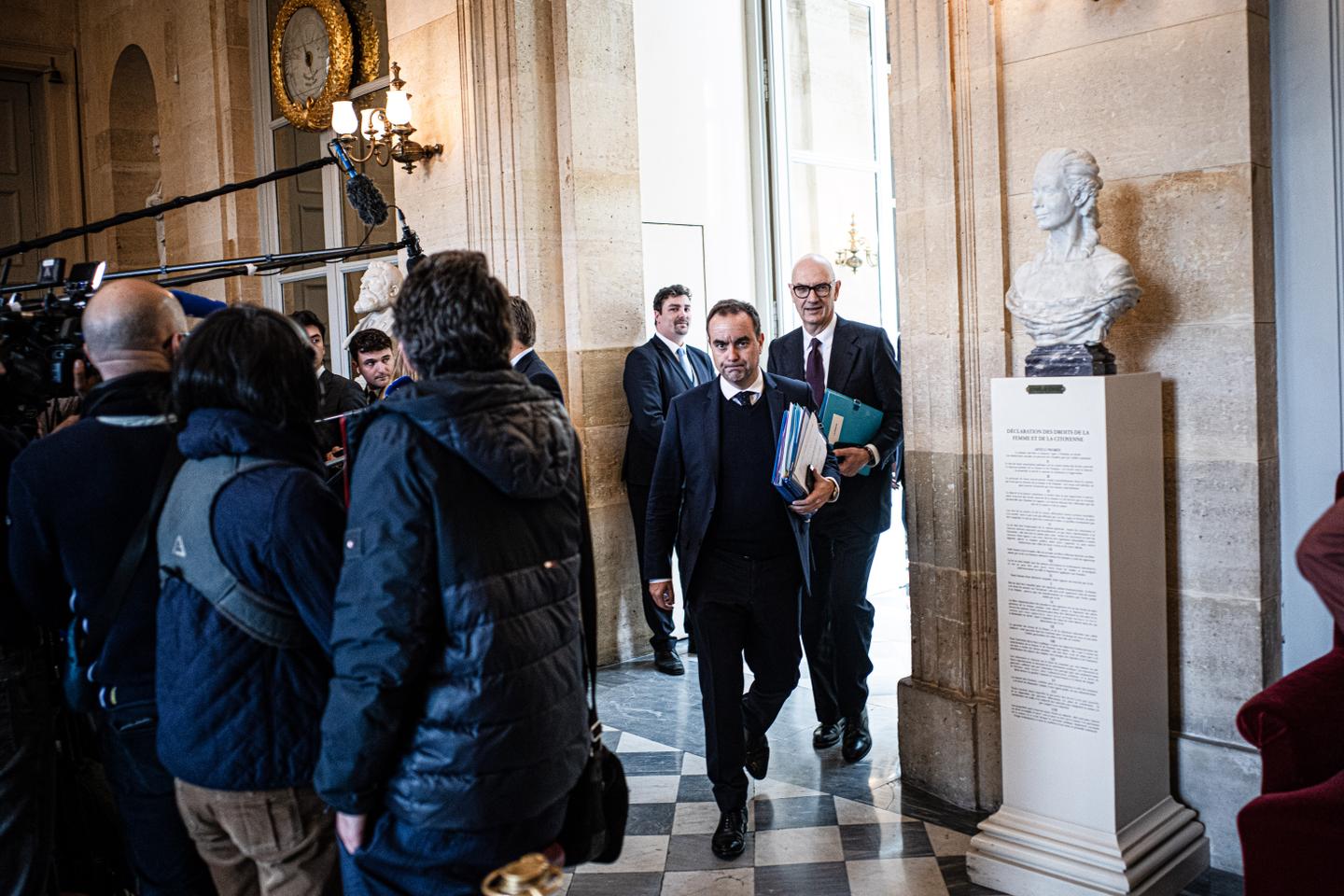
Faced with an impossible problem amid a fragmented political landscape, the government has settled for a game in which losing is winning. On January 16, Lecornu, looking contrite on the dimly lit steps outside the prime minister's office, announced the final result: a lackluster patchwork of solutions that only serve to mask the shortcomings of both an outdated political model and public finances that have run short on funds.