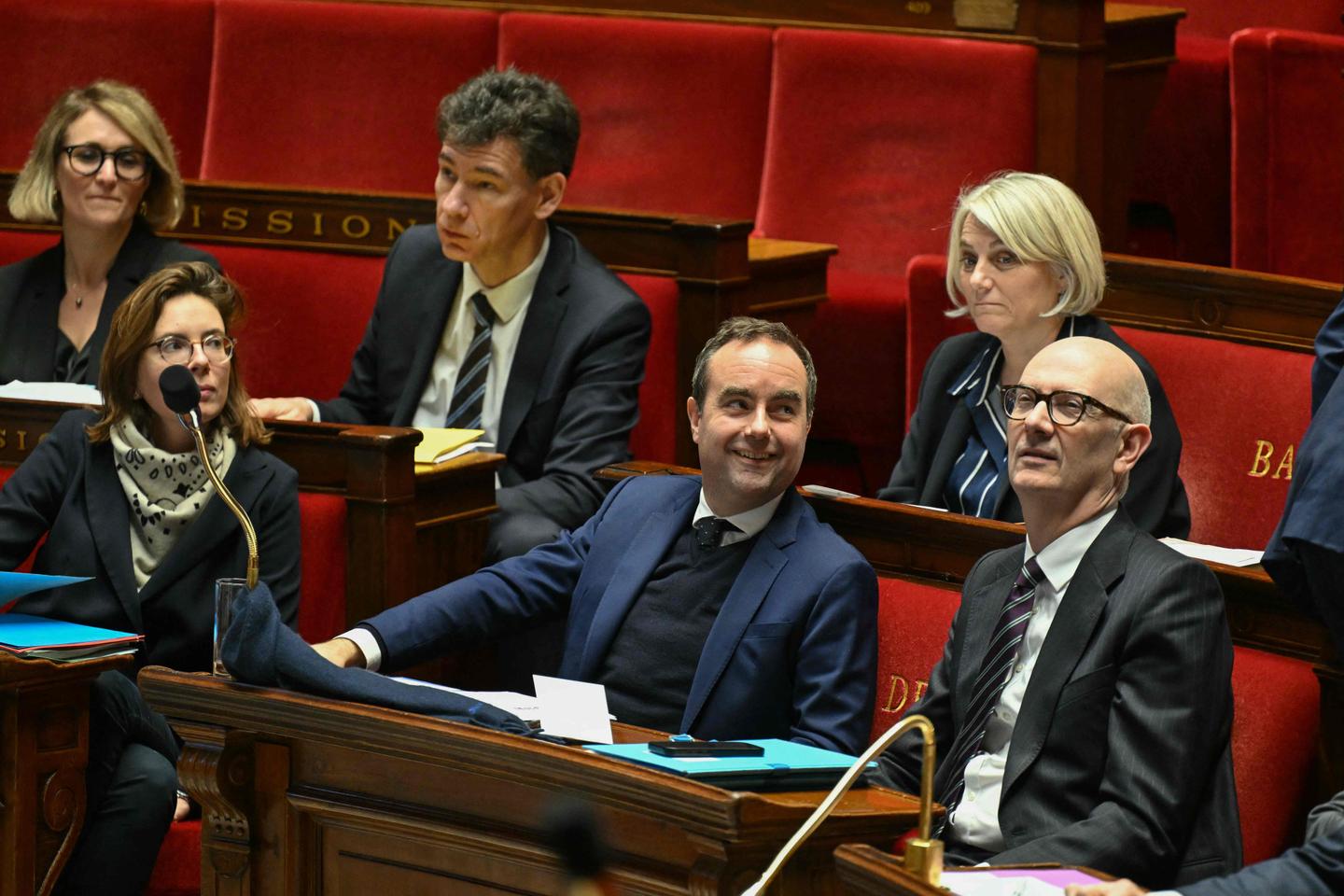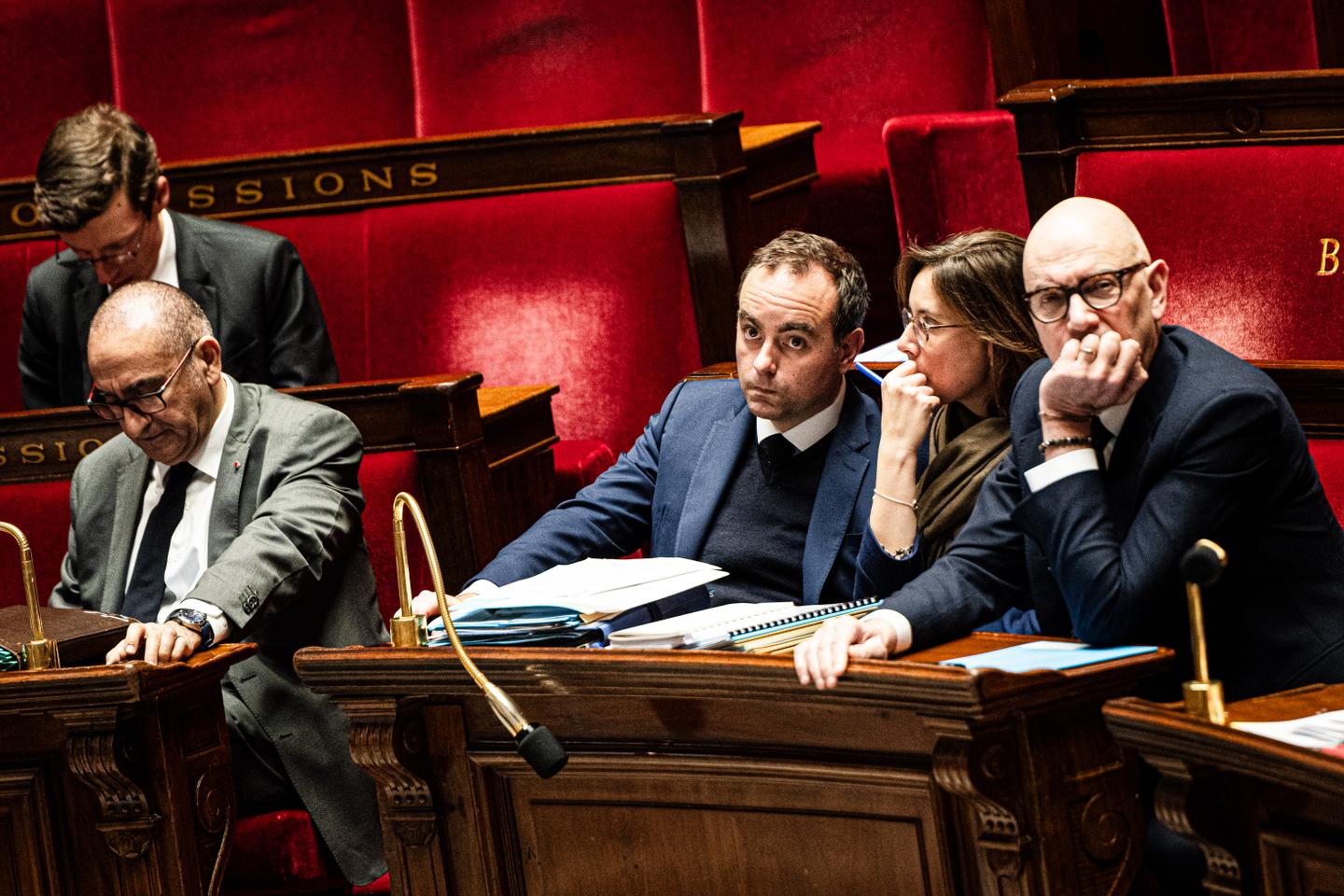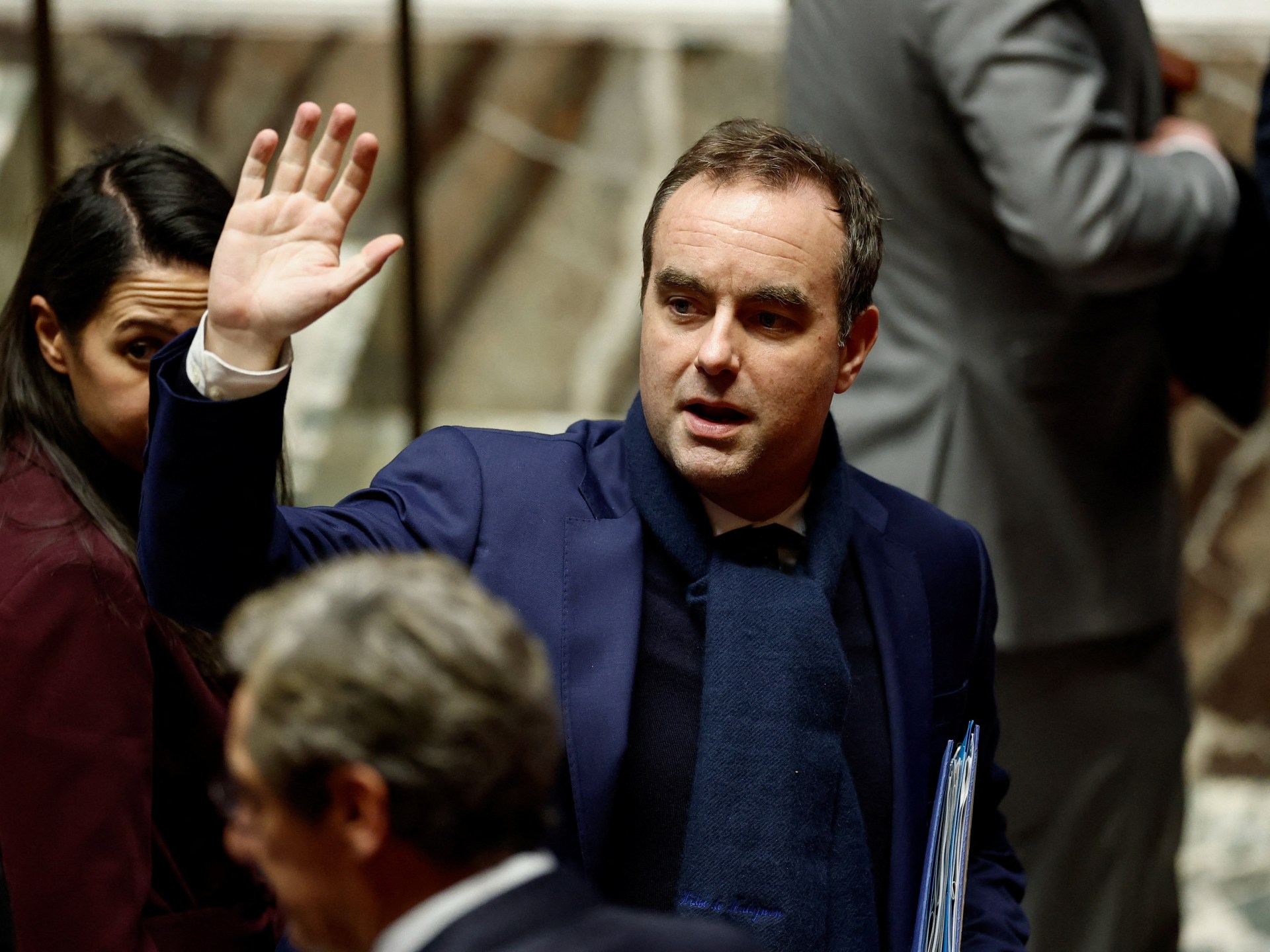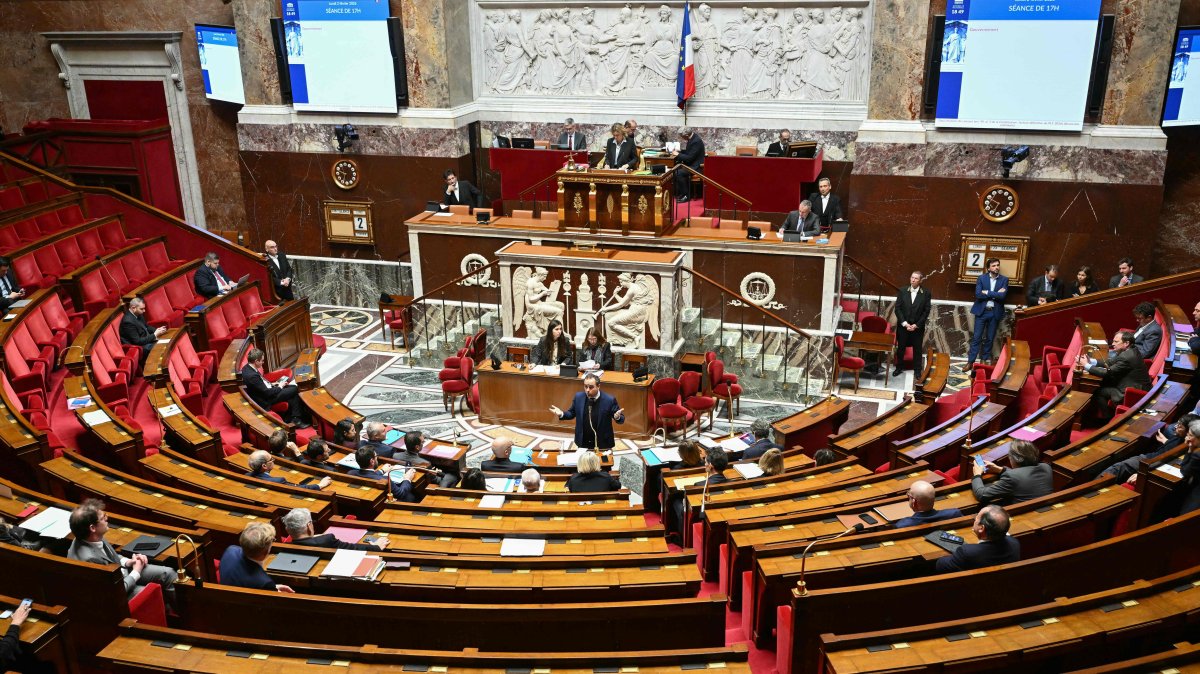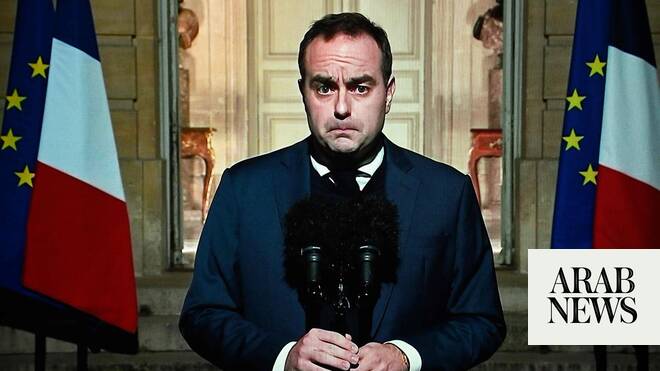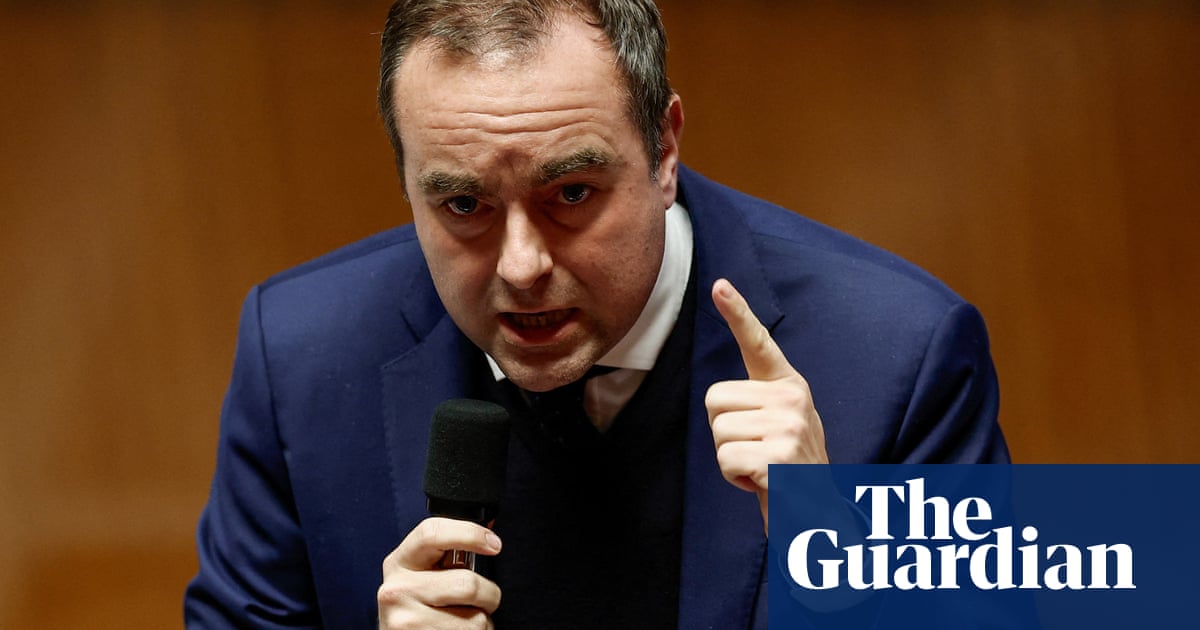
PM Sébastien Lecornu pushes budget through using constitutional powers that avoided vote in parliament
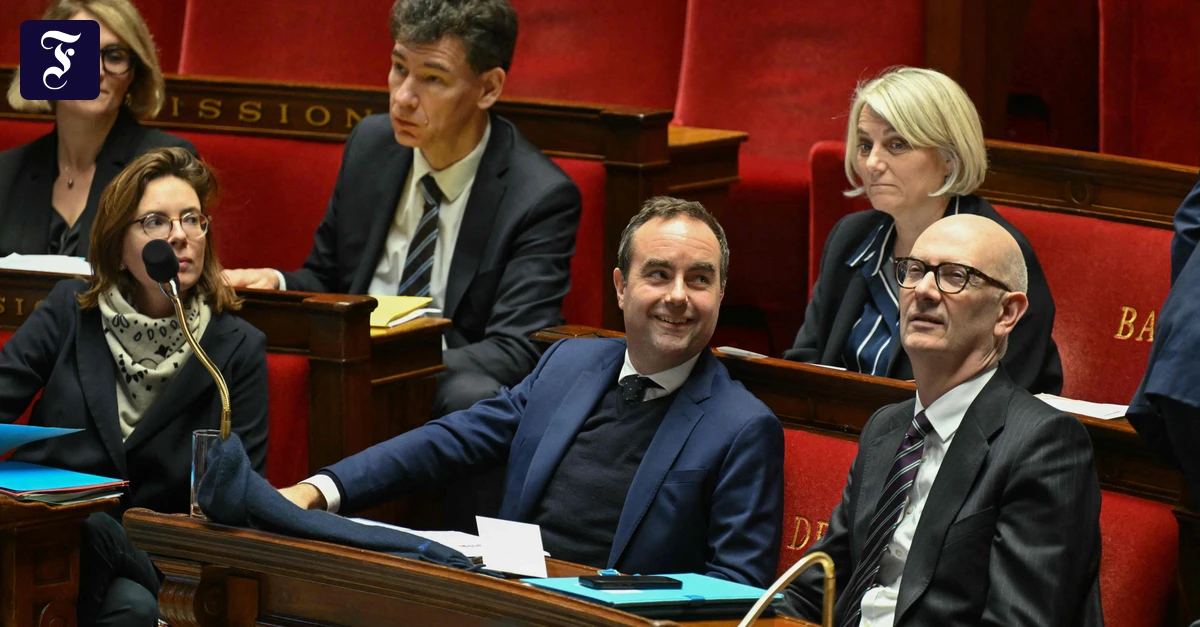
France has finally passed a budget for this year after the minority government survived a series of no-confidence votes in a long-running political saga that has unsettled debt markets and alarmed the country’s European partners.
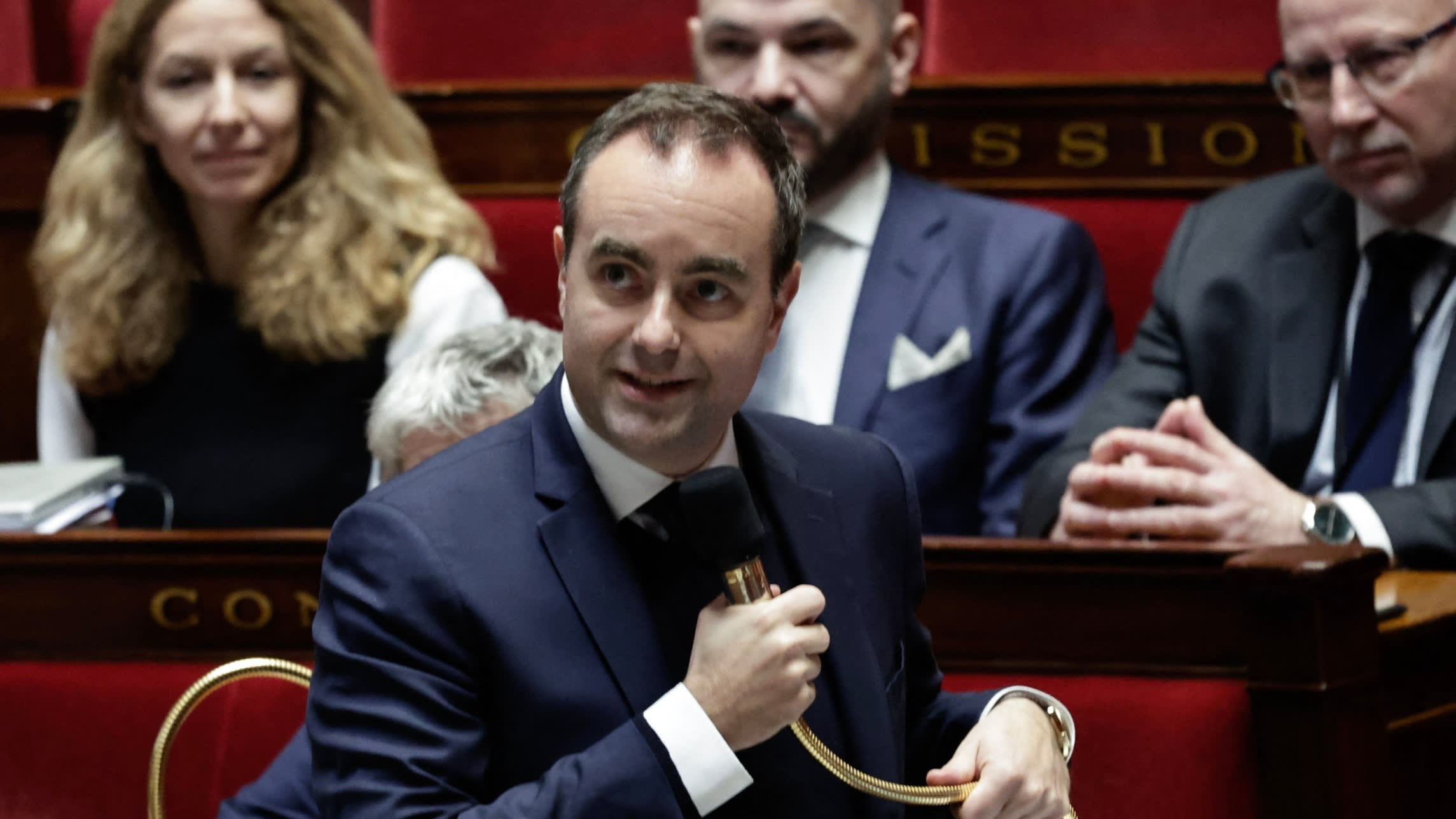
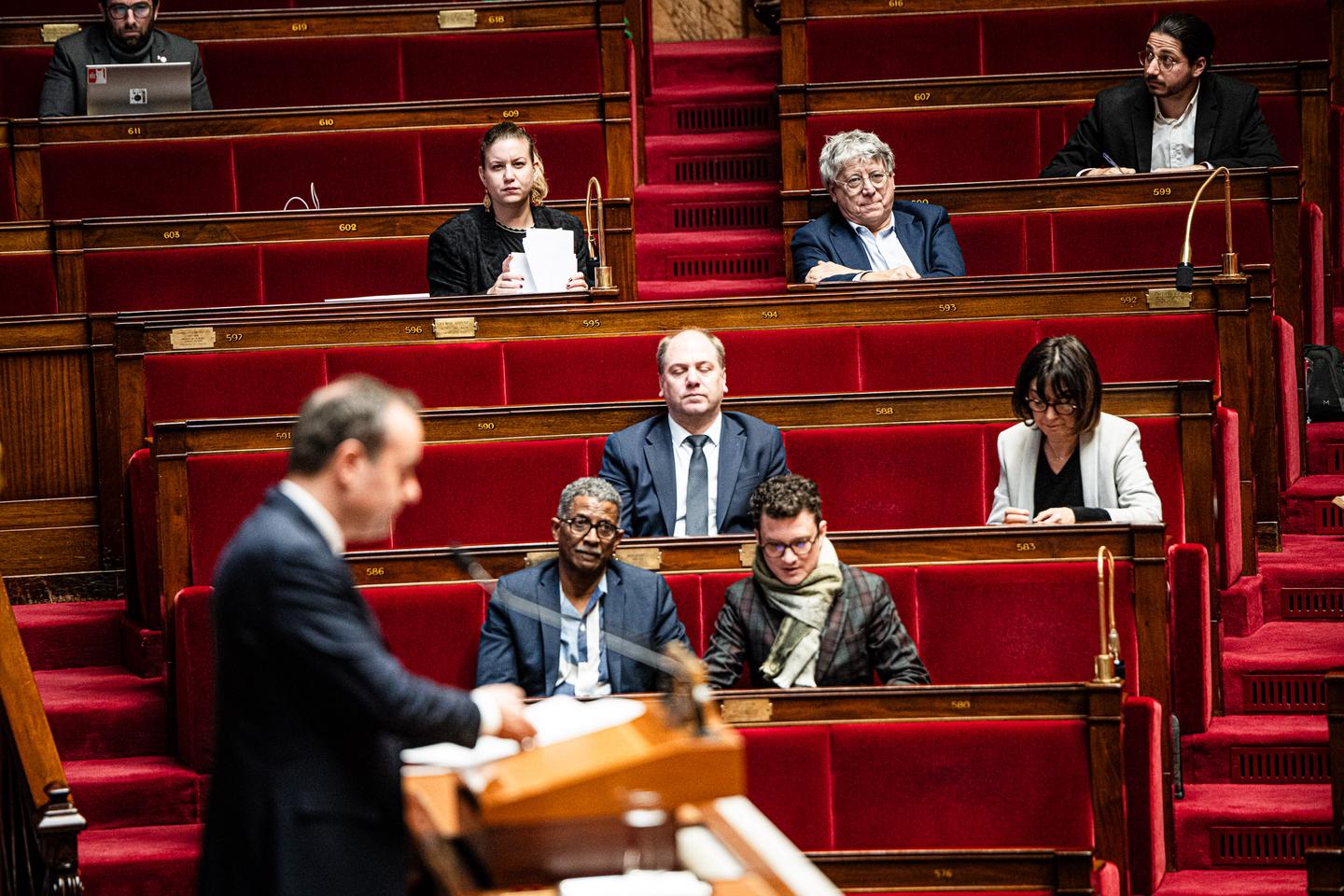
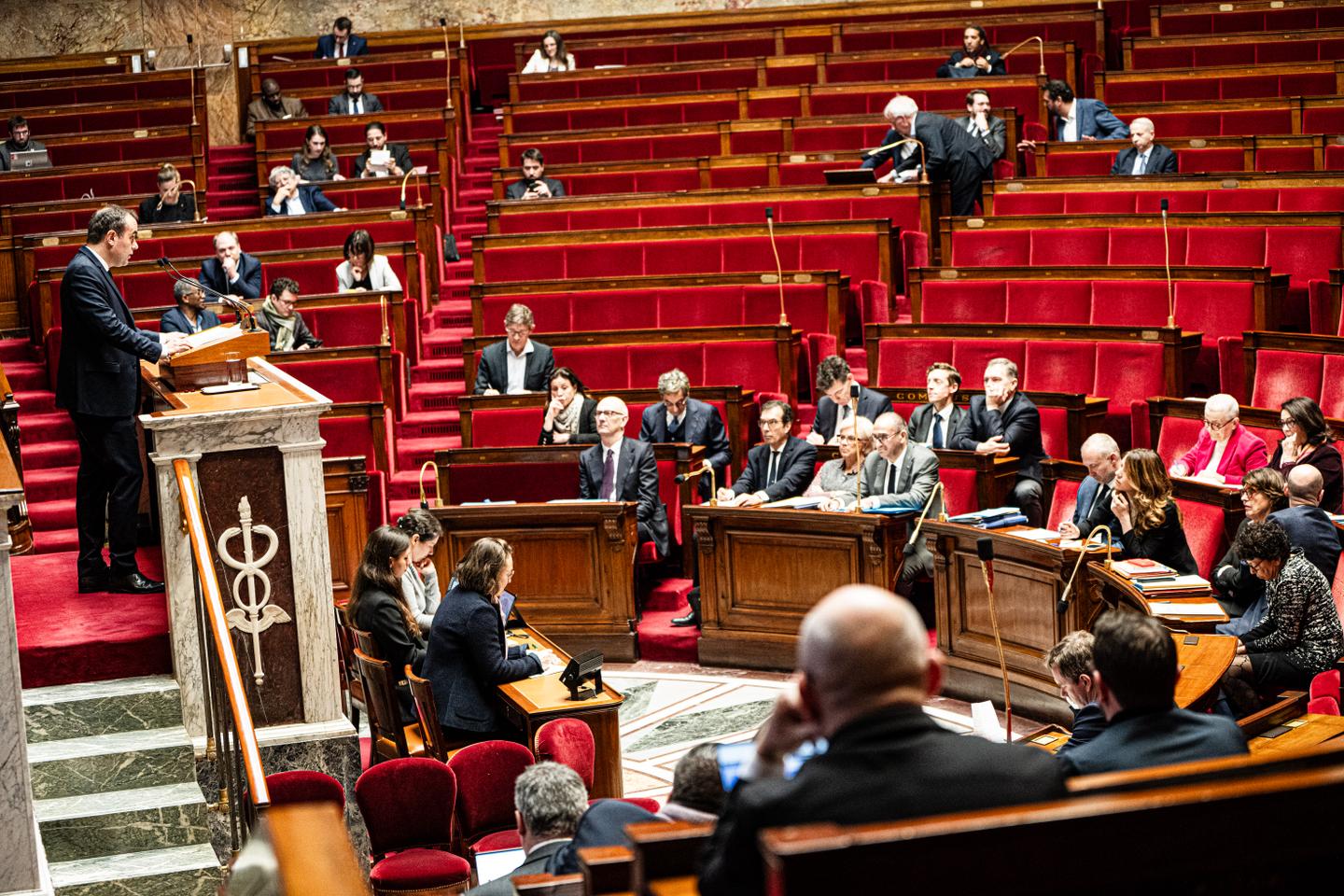
The prime minister, Sébastien Lecornu, told parliament on Monday, after months of wrangling, that French people “refuse this disorder and want our institutions to function”.
The budget was passed using special constitutional powers that avoided it being submitted to parliament for a vote. But as part of that process, Lecornu and his government faced a series of no-confidence motions. The government survived the final two votes of no confidence on Monday evening.
Lecornu managed to push the budget through only because the Socialist party agreed not to vote against the government, in exchange for some concessions including the suspension of Macron’s flagship pension changes, which had sought to gradually raise the retirement age from 62 to 64.