P
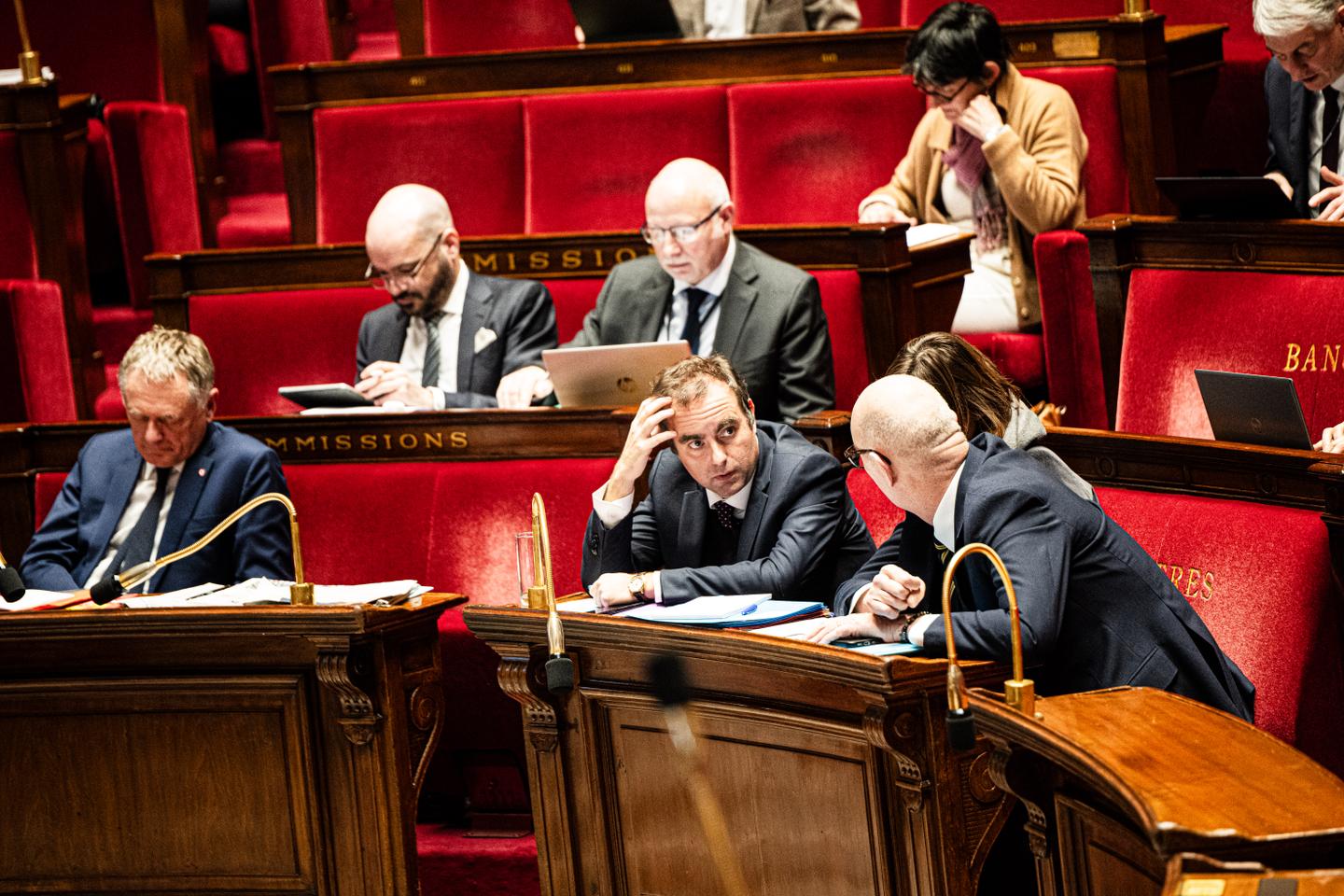
resident Emmanuel Macron insisted that 2026 had to be "useful" during his New Year's address on December 31, 2025. Yet, in just the first few days of January, two major issues, the budget and the Mercosur deal, have reinforced the opposite impression: that France is paralyzed and motionless. On Saturday, January 10, MPs in the Assemblée Nationale's Finance Committee rejected the 2026 state budget bill, after failing to draw up an agreement over nearly 30 hours of debate, six weeks after the bill was almost unanimously rejected in the chamber. Back to square one.
"The government must play its role without delay," former finance minister Eric Lombard urged, in the newspaper Libération on Sunday, warning it against paralysis and adding, "To govern is to transform, not to carry on." Prime Minister Sébastien Lecornu, meanwhile, asserted that his approach "functions" and said it was normal to take time to pass a budget. Yet this unending situation has drained the figures involved and, according to Frédéric Dabi, director general of the opinion division at the polling firm IFOP, left the French public with the sense that "opposition to change has come to serve instead of policy."
The same sense of France's powerlessness could also be felt on the European stage. The European Union is now preparing to ratify a free-trade agreement with four Latin American countries in the Mercosur trade bloc despite opposition from Paris, which failed to be heard out or to form a blocking minority. This has come in the context of a worsening crisis in the agricultural sector. Even though Macron said that signing the agreement "does not mark the end of the story," the issue illustrates France's loss of influence on the European stage, hamstrung by a colossal budget deficit.