I
n the face of global turmoil, of Donald Trump's threats against Greenland, of the needs of the European Union, and of trade wars between major blocs, French political life has once again presented a disheartening spectacle. For three months and after 350 hours of debate in committee and in the chamber, MPs failed to reach even the slightest compromise on the 2026 budget, a crucial piece of legislation paralyzed by ambitions and posturing on all sides.
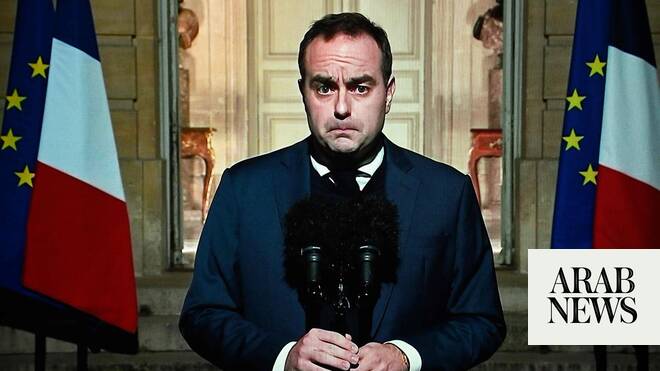
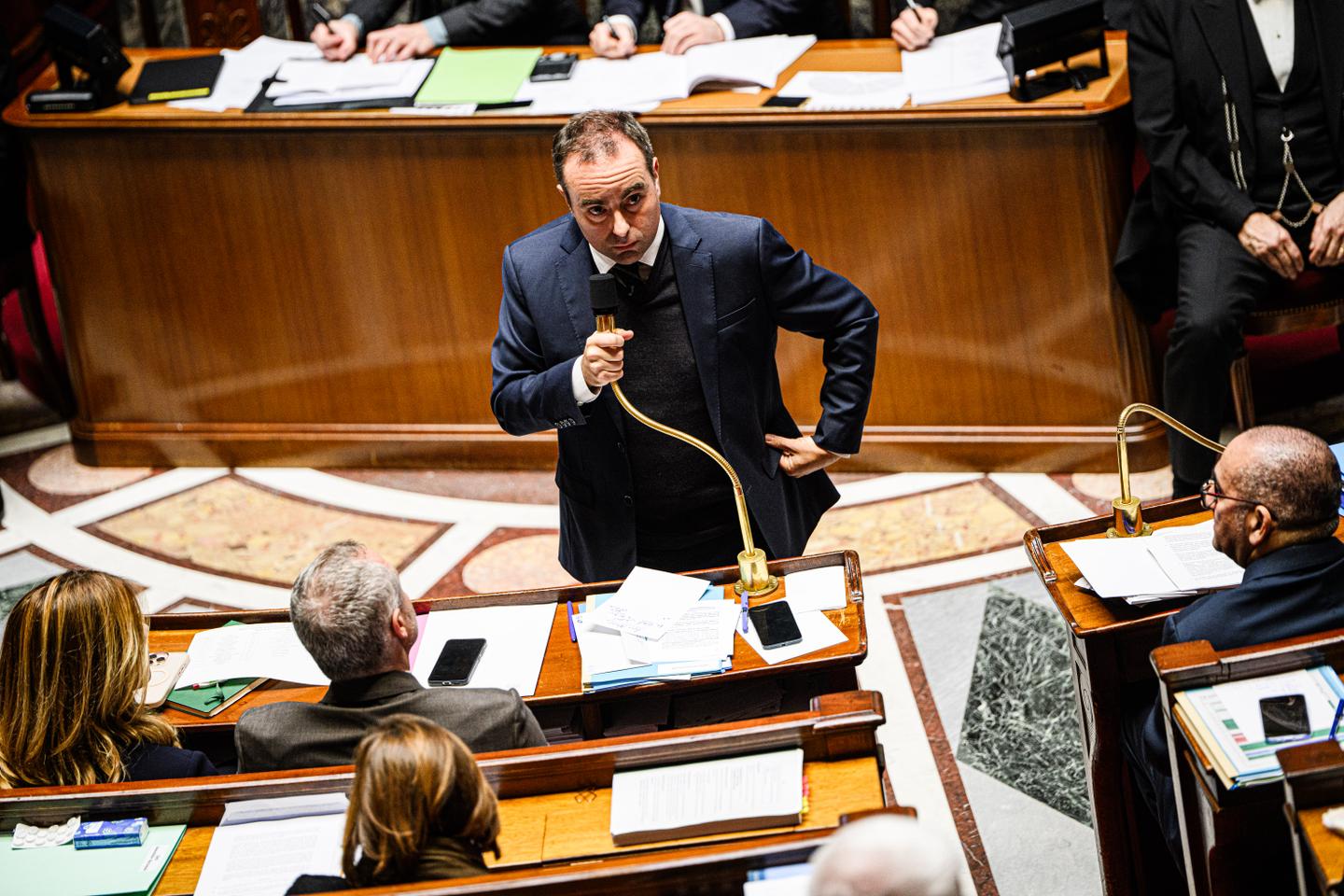
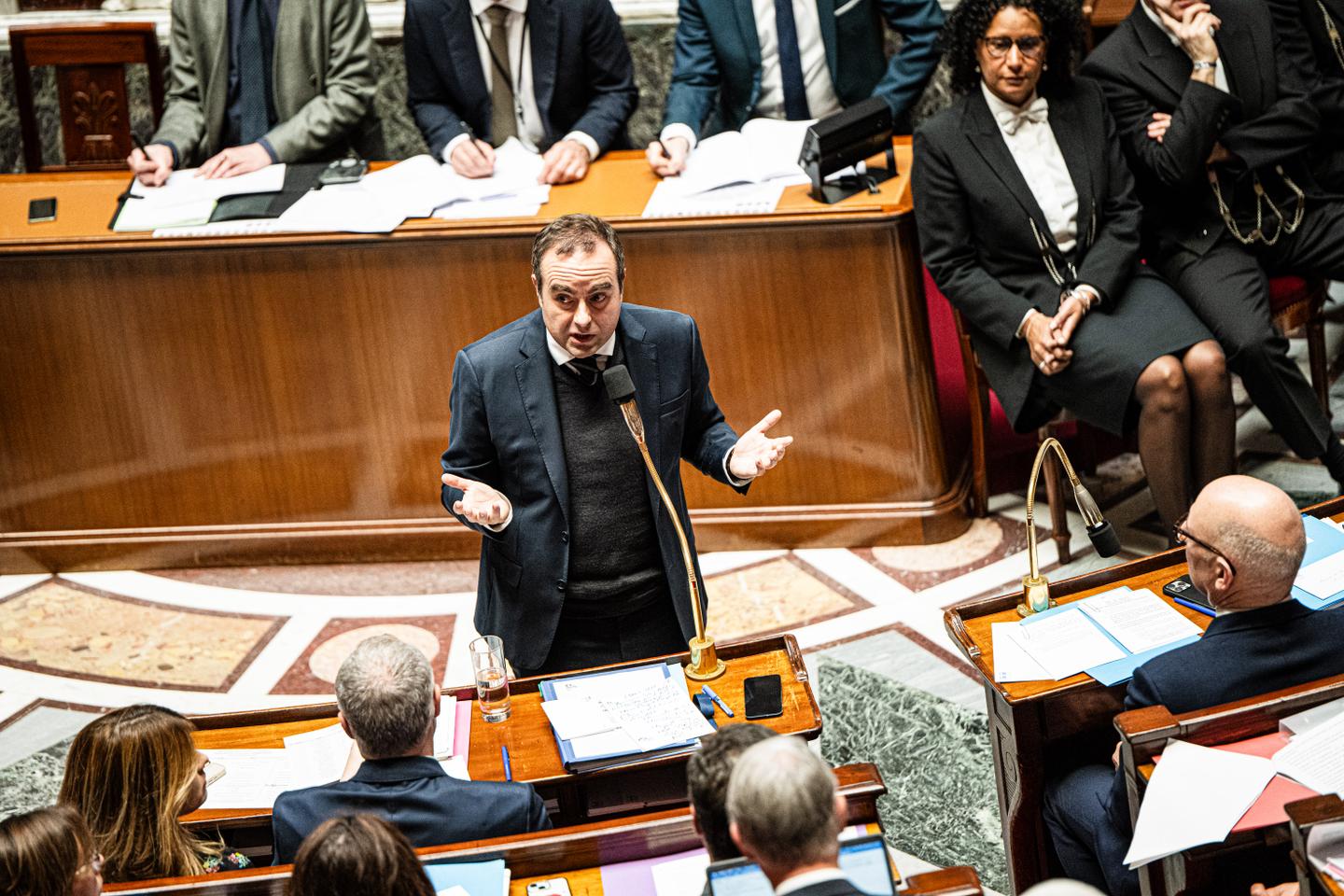
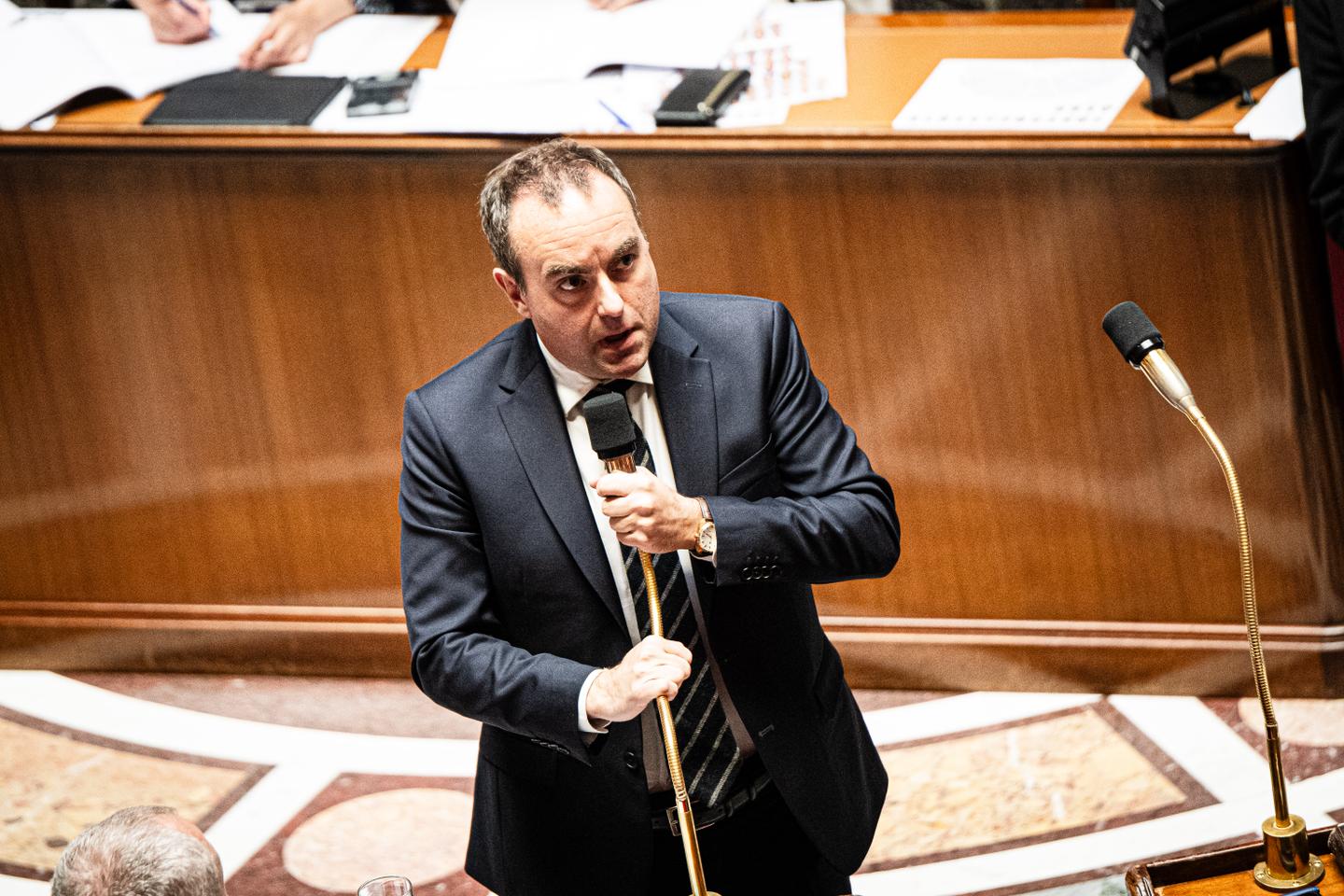
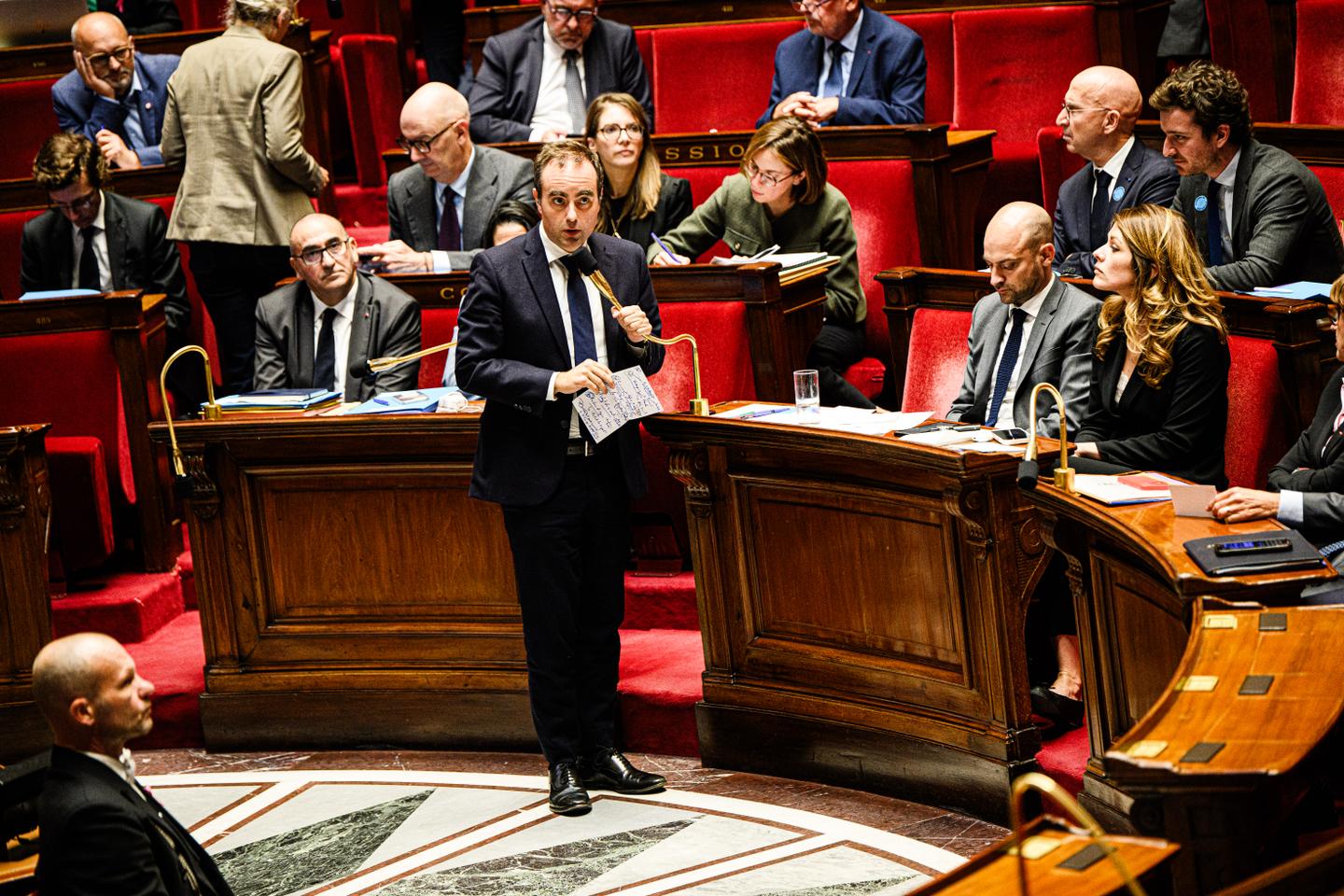
"With regret and a bit of bitterness," Prime Minister Sébastien Lecornu put words to the French malaise on Monday, January 19, condemning "very clear attempts at pressure and sabotage" and describing a country incapable of moving forward and that "made a spectacle of itself." It was necessary to break the deadlock. The two options available to the prime minister – government decrees or Article 49.3 of the Constitution, to force a bill through Parliament without a vote – should not exist in a truly rationalized political system.
Given the circumstances, Lecornu chose the least bad solution: enacting the government's responsibility after making concessions, to ensure the Socialists and the right-wing party Les Républicains would not vote to topple his government. That was the price of stability in a thoroughly fractured political landscape.