S
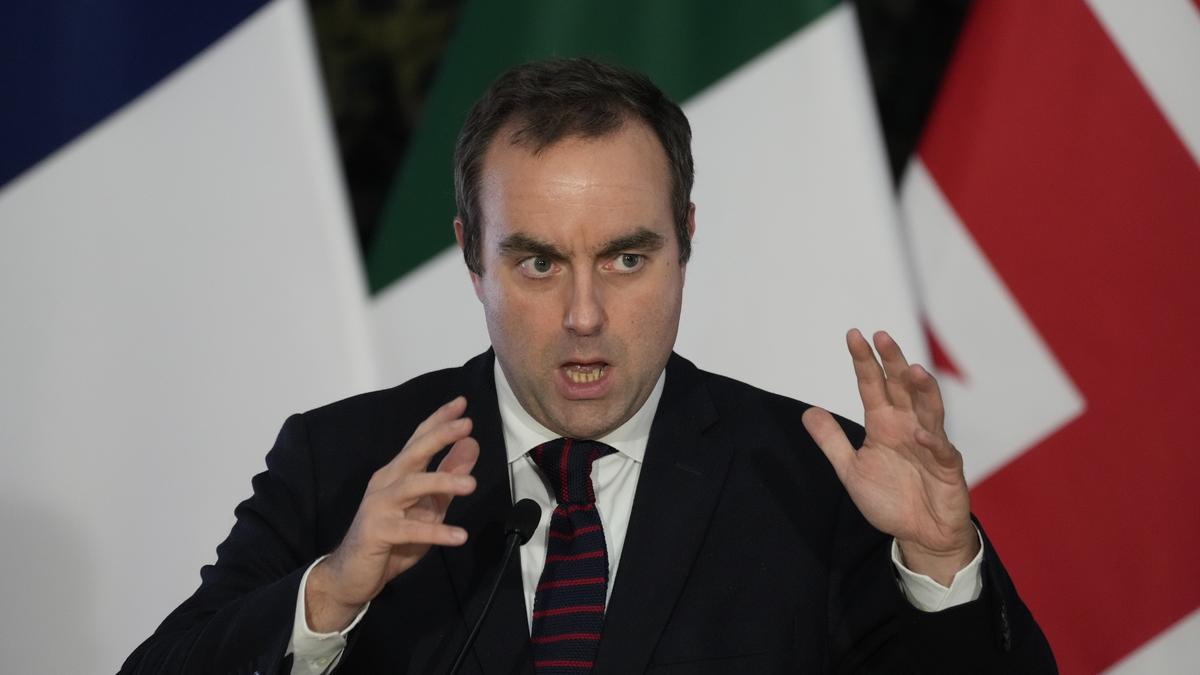
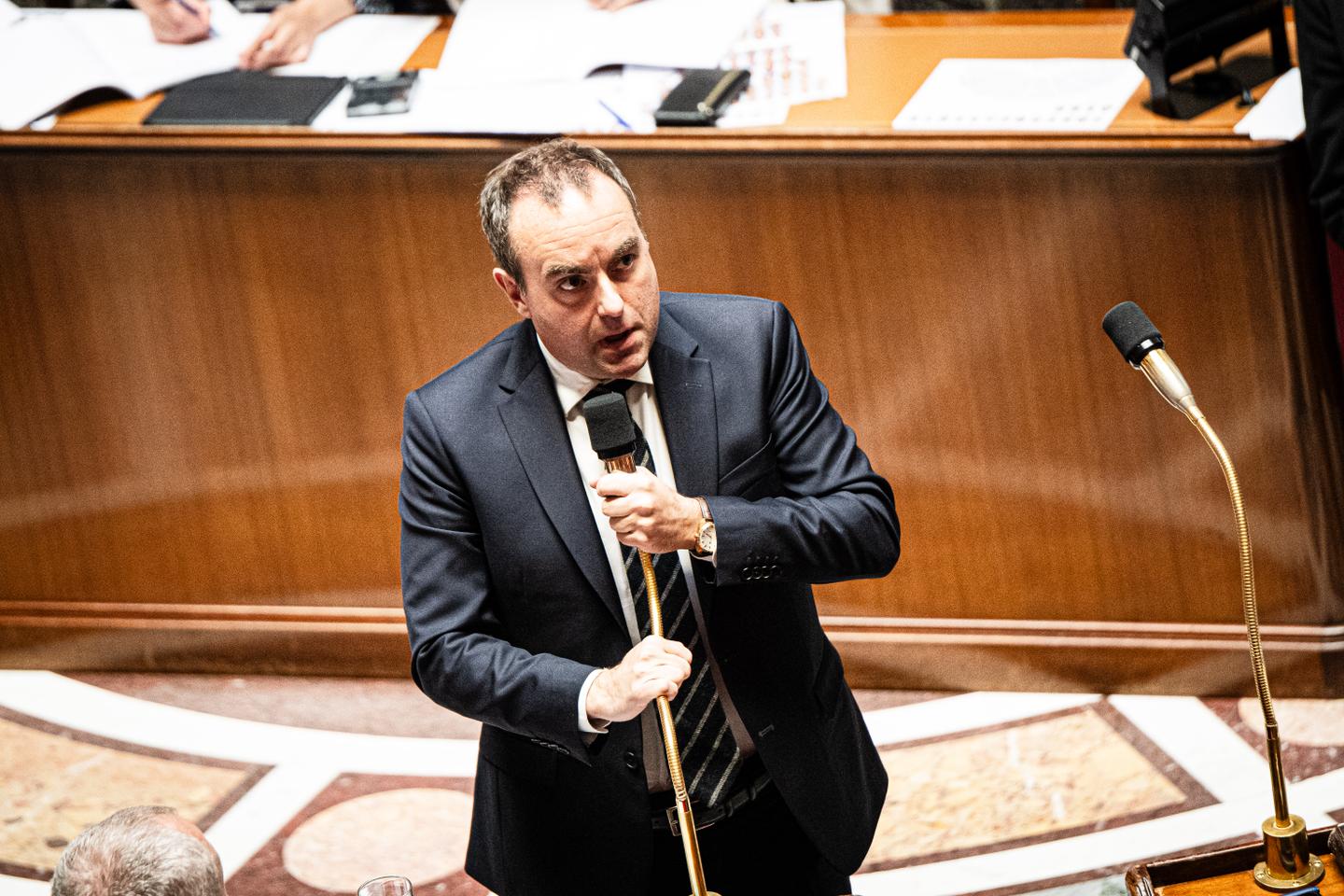
ince the end of the municipal elections, Sébastien Lecornu's government has been able to fully gauge the extent of its weakness. With no budgetary leeway, it can only endure external crises, such as the surge in fuel prices triggered by the war in Iran.
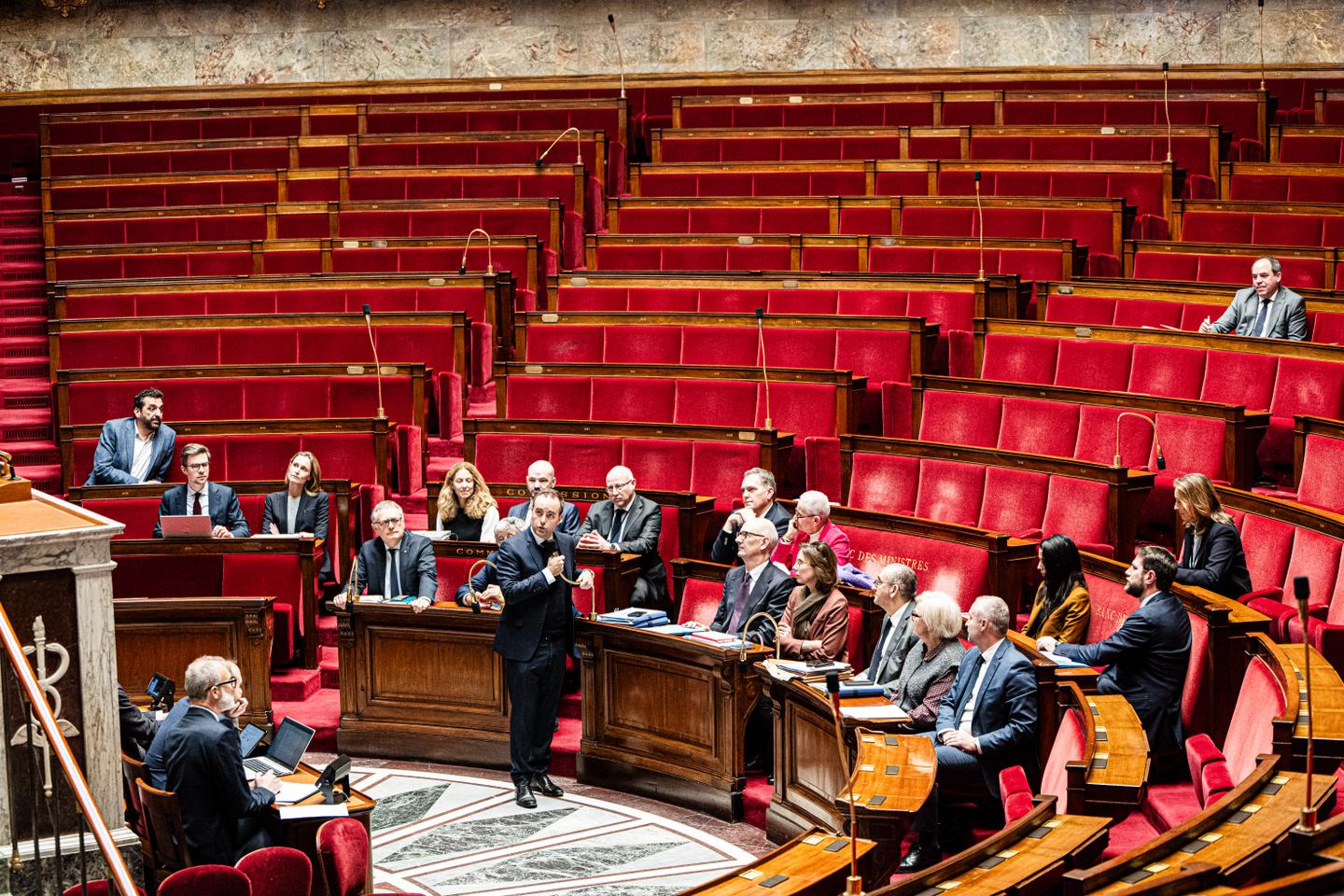
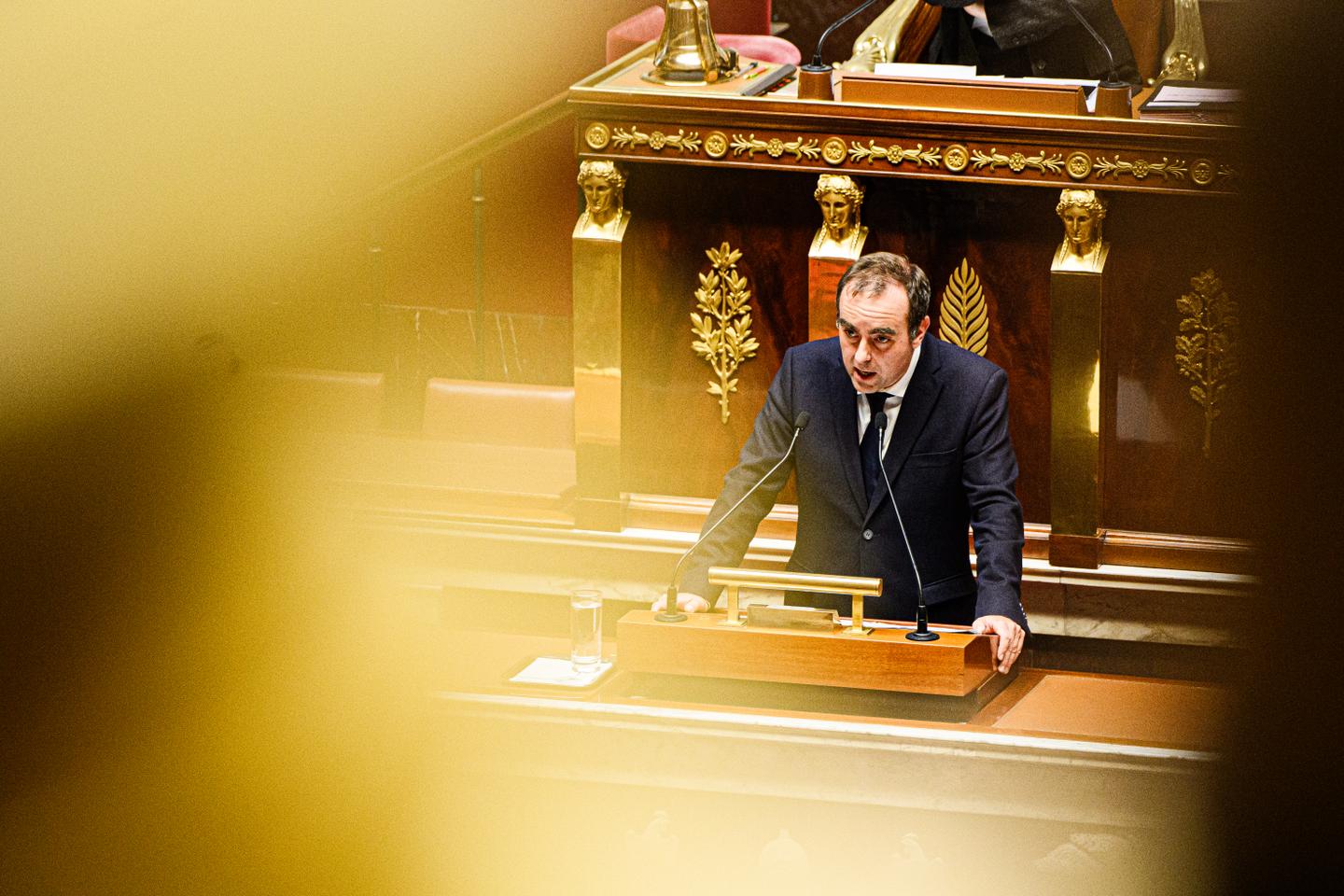
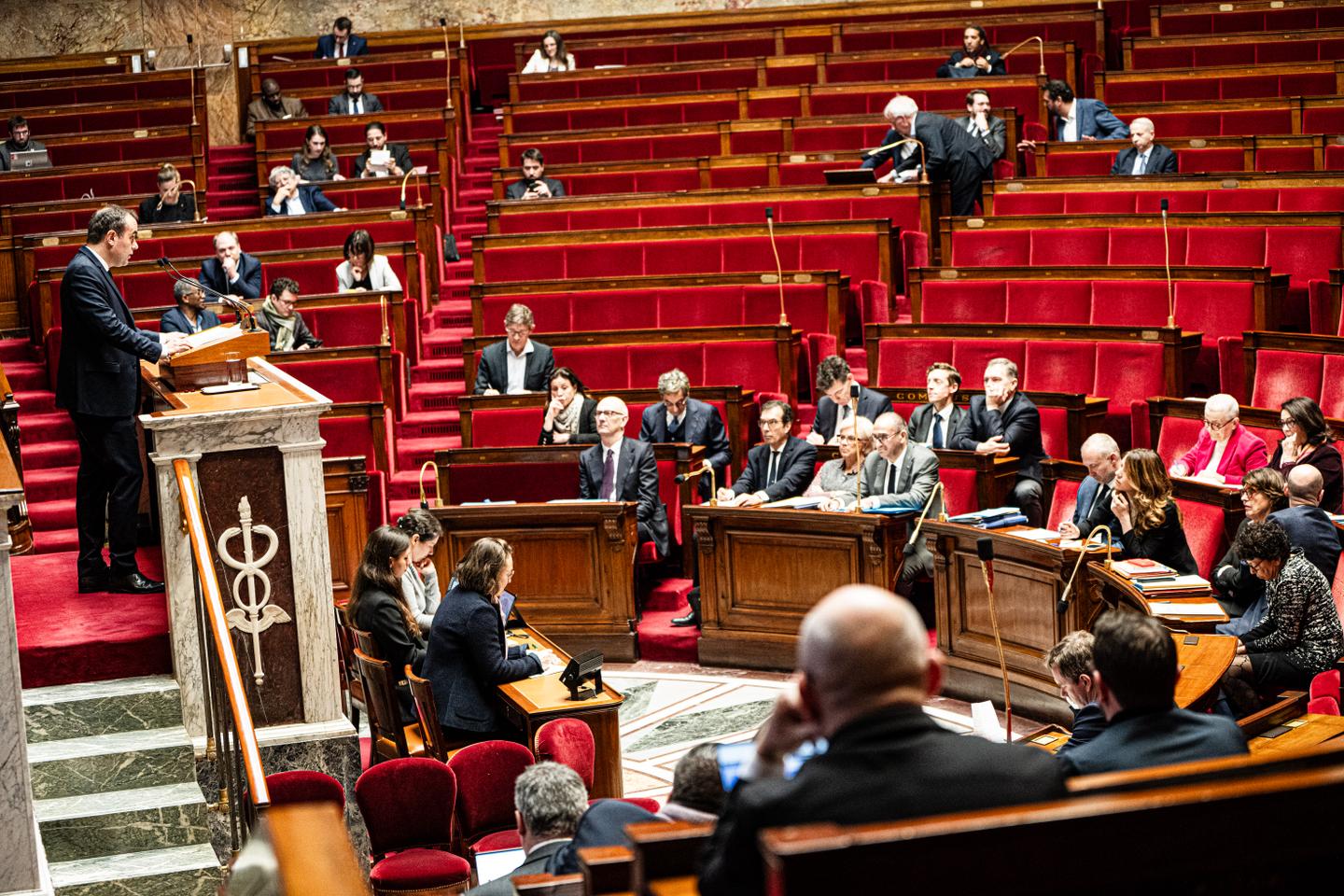
At the parliamentary level, the government's powerlessness and the tactical maneuvers of political groups have undermined the entire legislative process. A bill to reestablish an Alsace region was adopted but remains unenforceable; the proposed law on working on Labor Day was put on hold; a bill on social media was unraveled by the Sénat; the issue of New Caledonia's status reached a deadlock; and the Sénat's examination of an end-of-life bill was postponed. On April 14, after two years of discussions, the law to simplify administrative processes for businesses was passed, but the government was forced to abandon environmental measures such as low-emission zones (LEZ) to secure a majority, relying on votes from the far-right Rassemblement National (RN).
Swept along by events and battered by political storms, the government lacks the means to achieve its main ambition: To make 2026 a productive year. Neither circircumstances other political leaders offered any support. Appointed at the end of a second and last presidential term, the government has to survive while carrying the burden of previous ones and the rash actions of Emmanuel Macron. In 2022 and 2024, two Prime Minister Lecornu's predecessors, Elisabeth Borne and Gabriel Attal, increased the national debt to weather various storms, particularly during the energy crisis triggered by the war in Ukraine. Saddled with this legacy, Lécornu has almost no levers left to mitigate the inflationary consequences of the conflict in the Middle East.