H
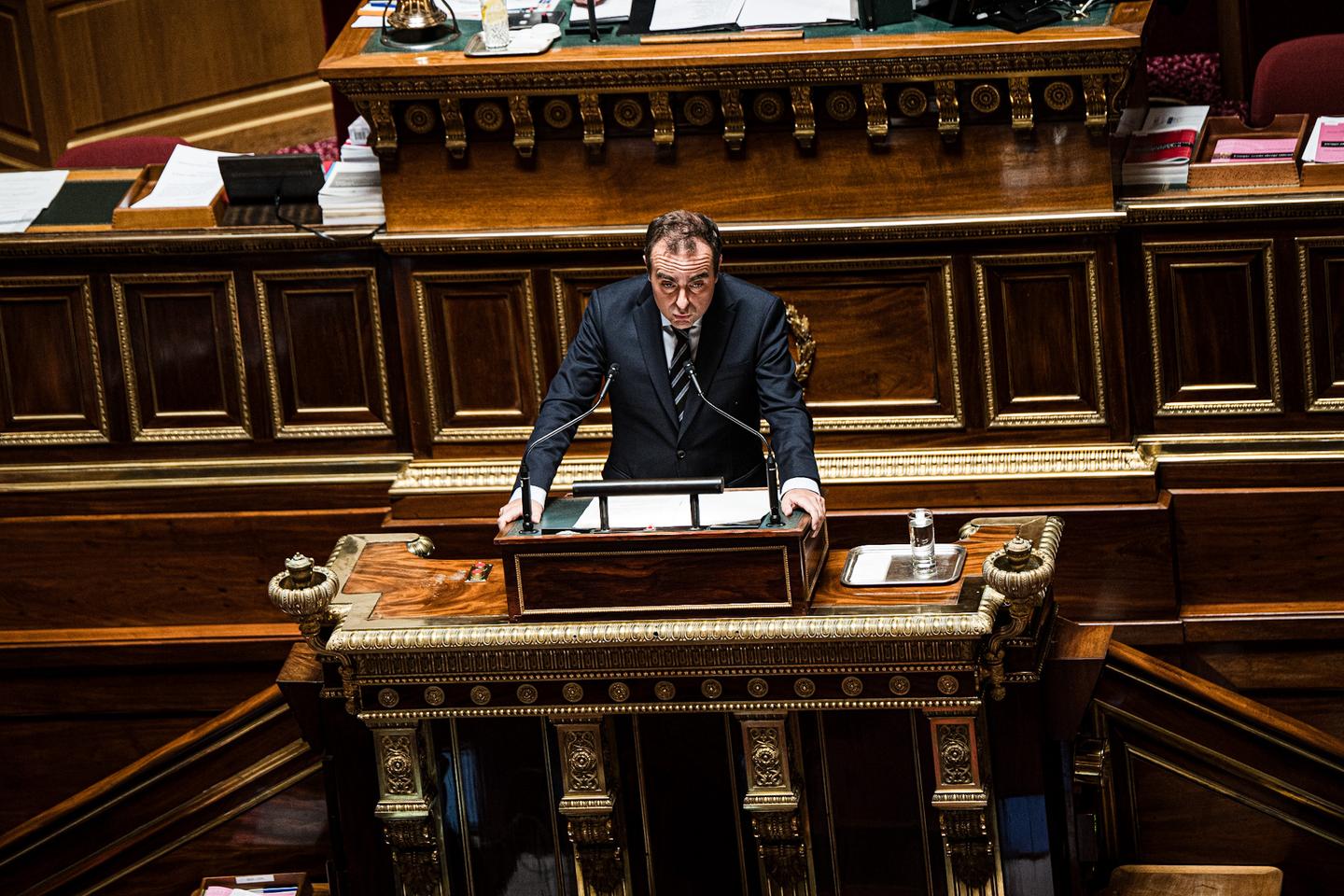
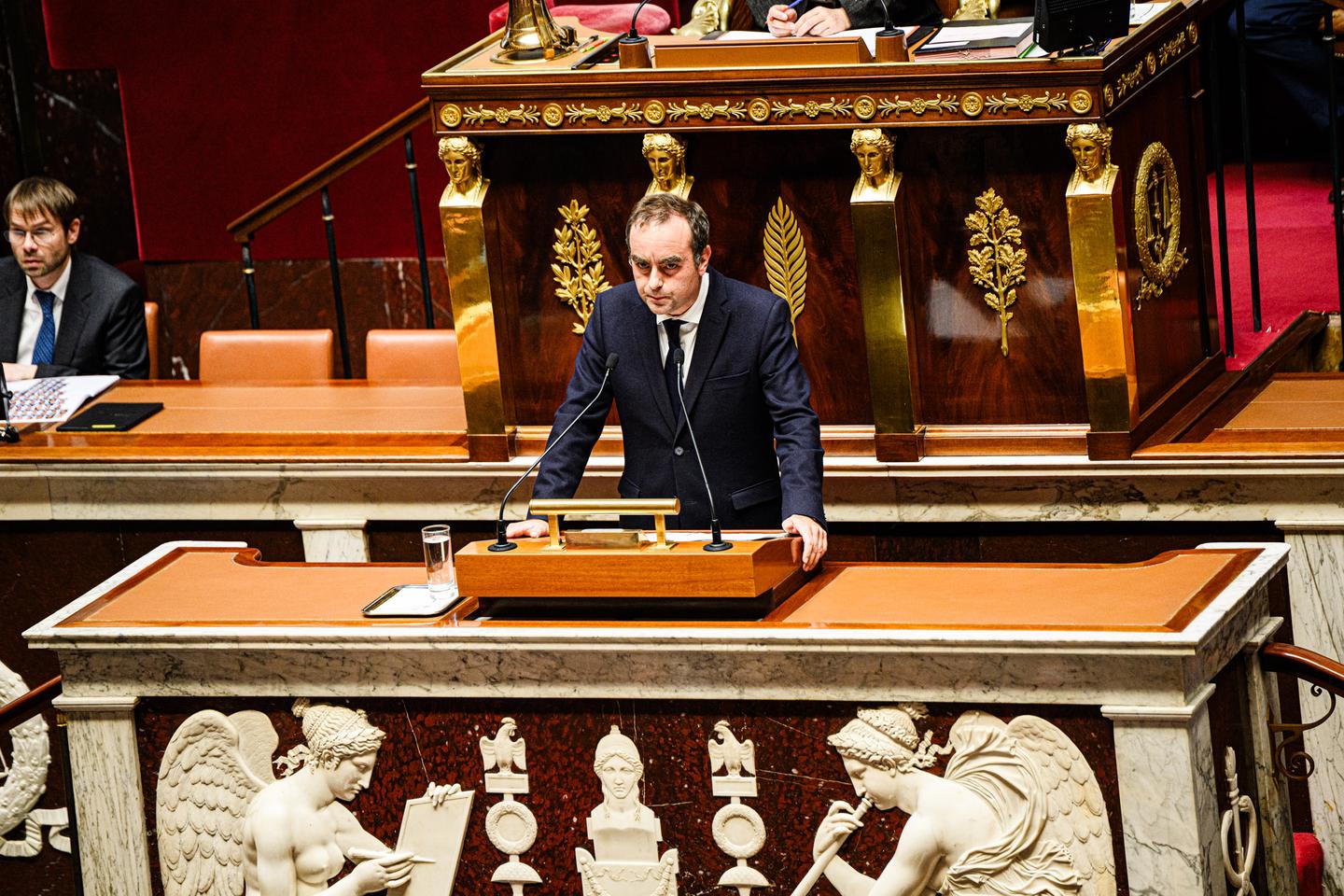
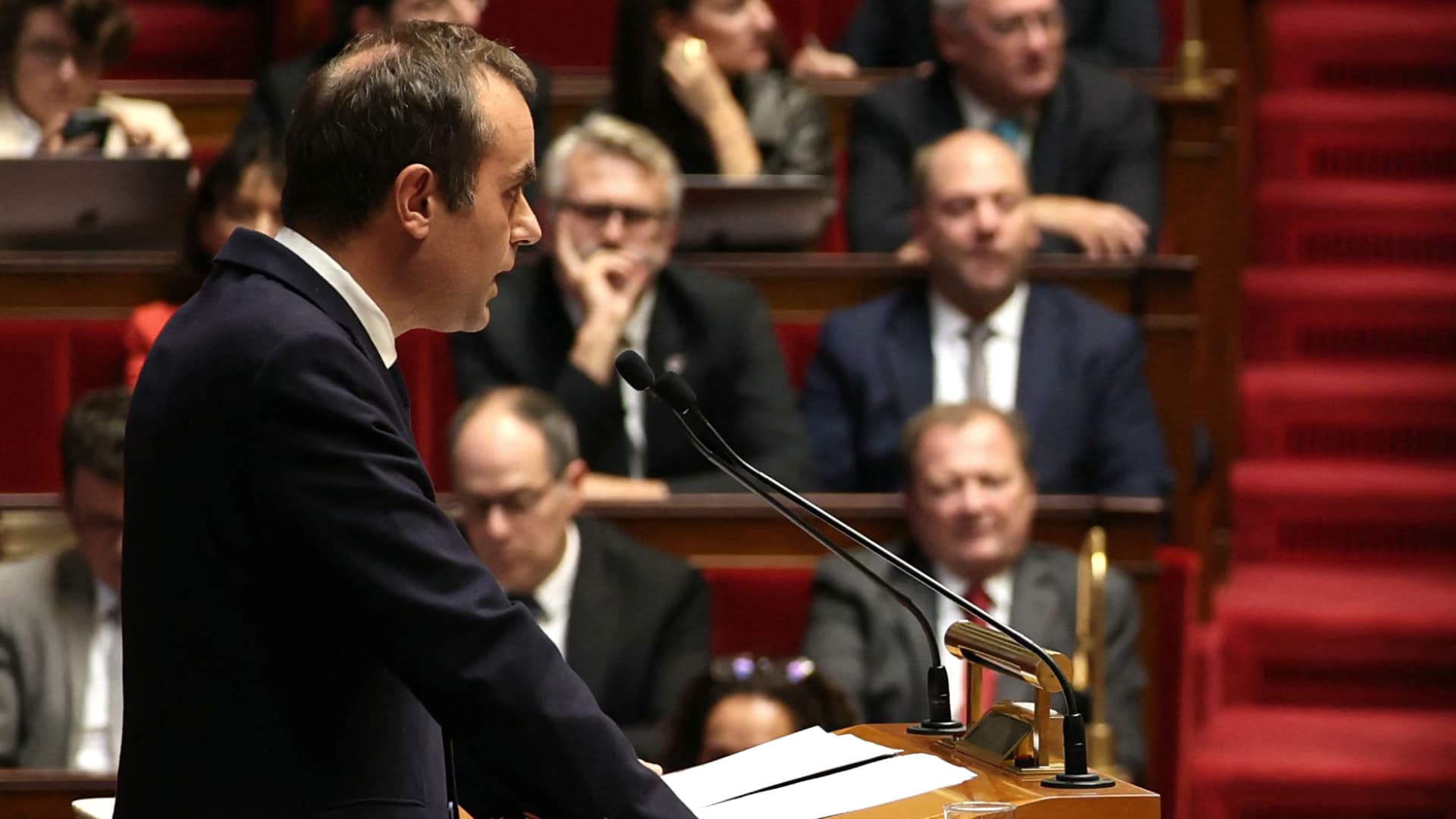
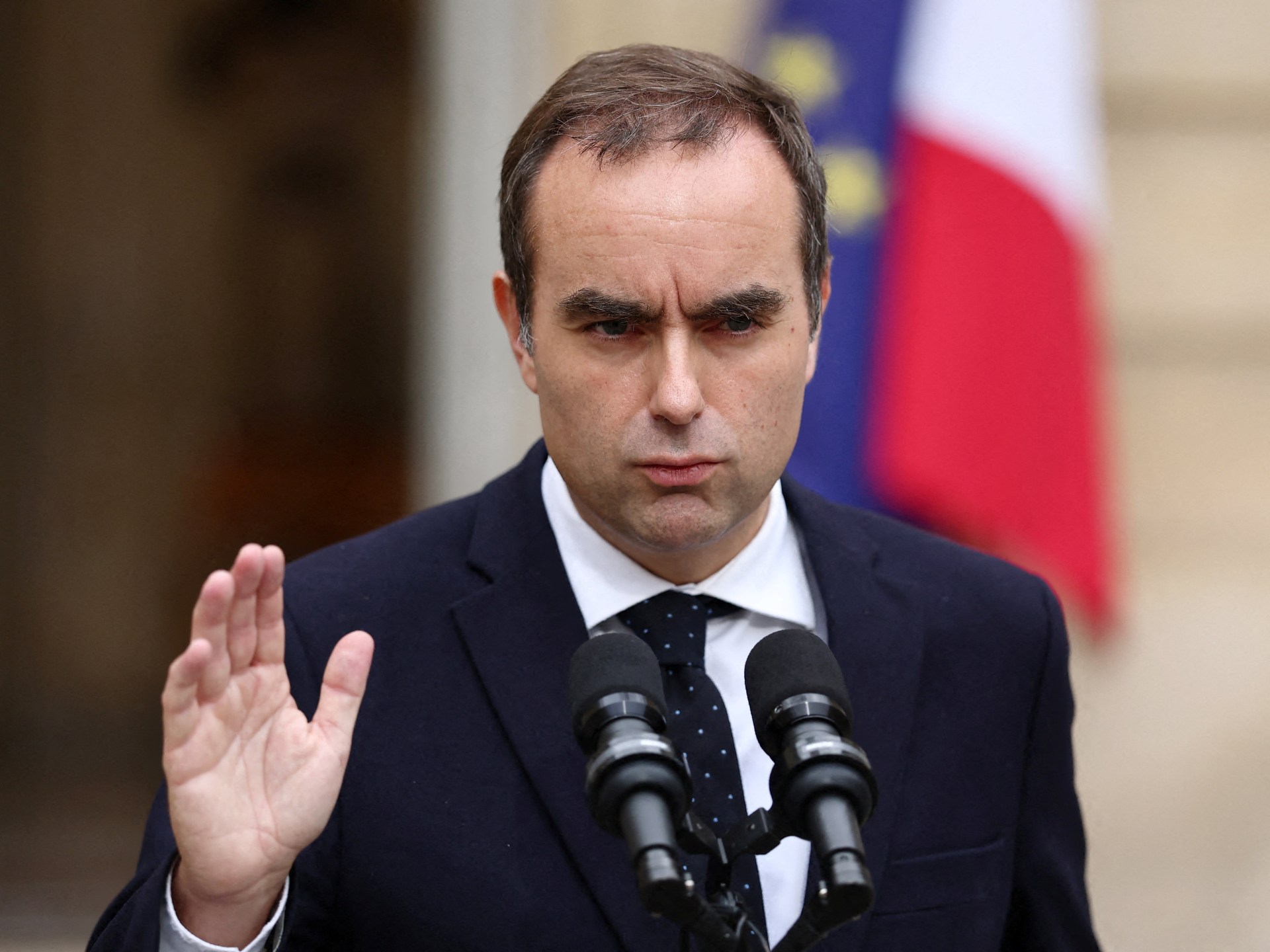
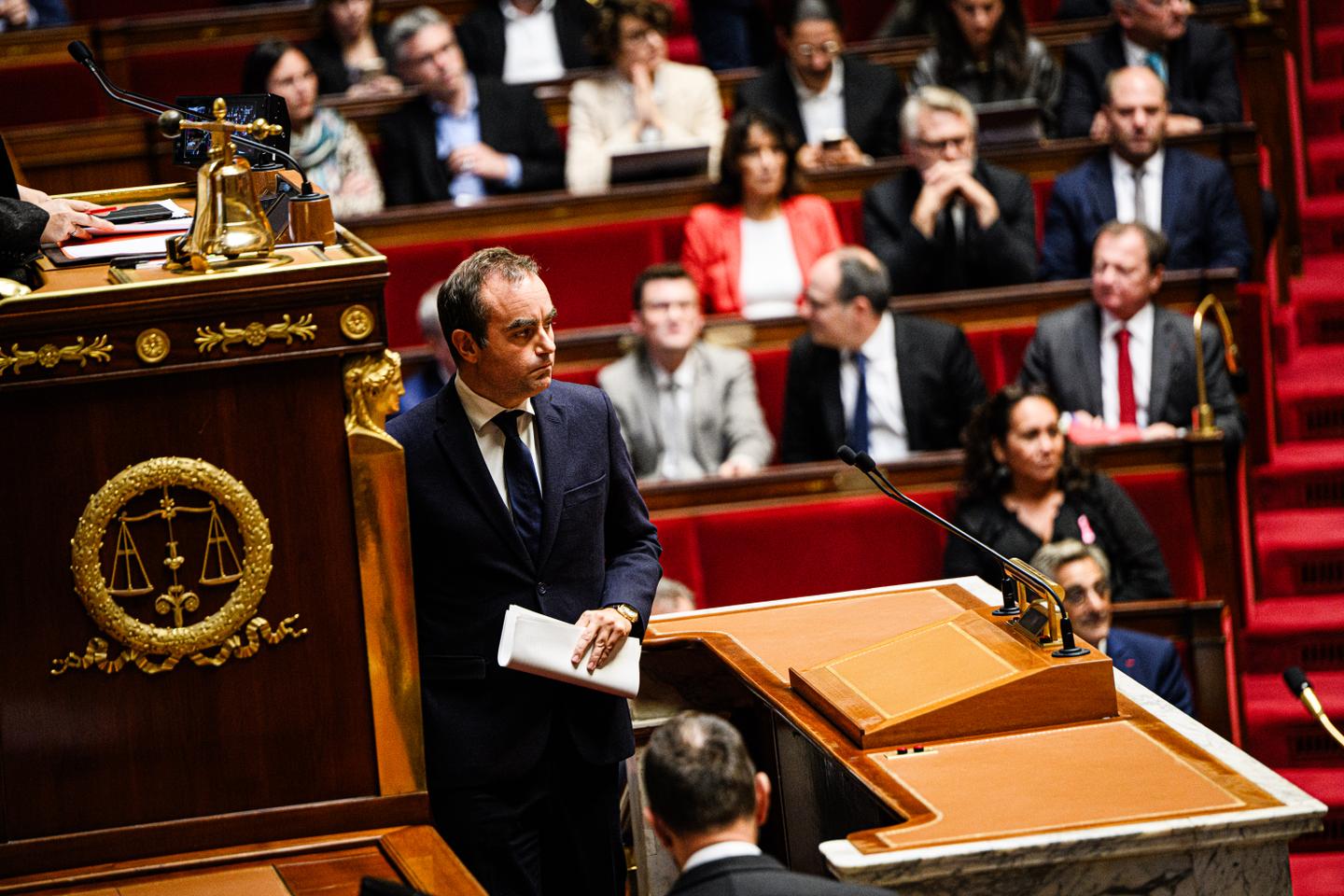
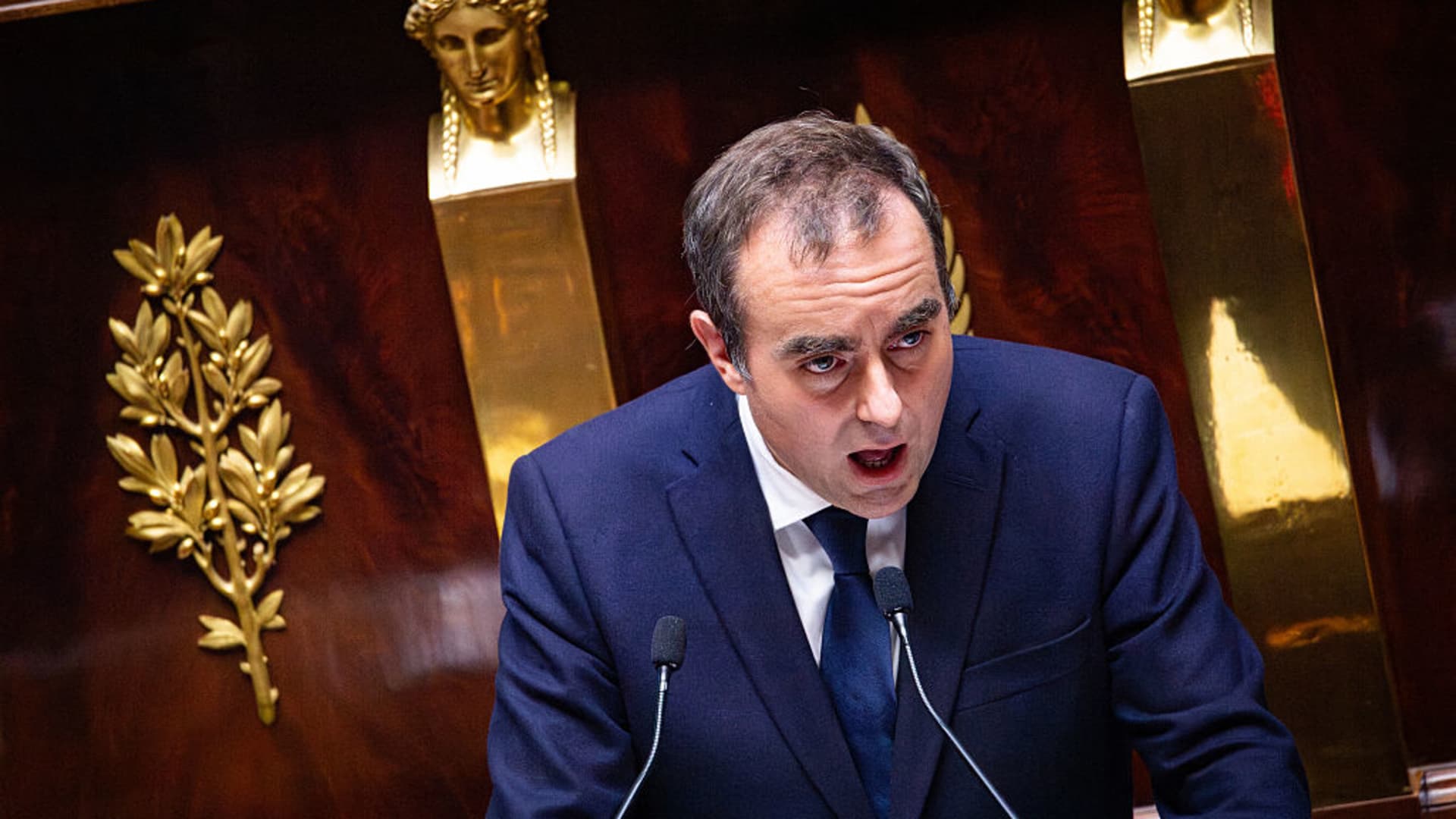
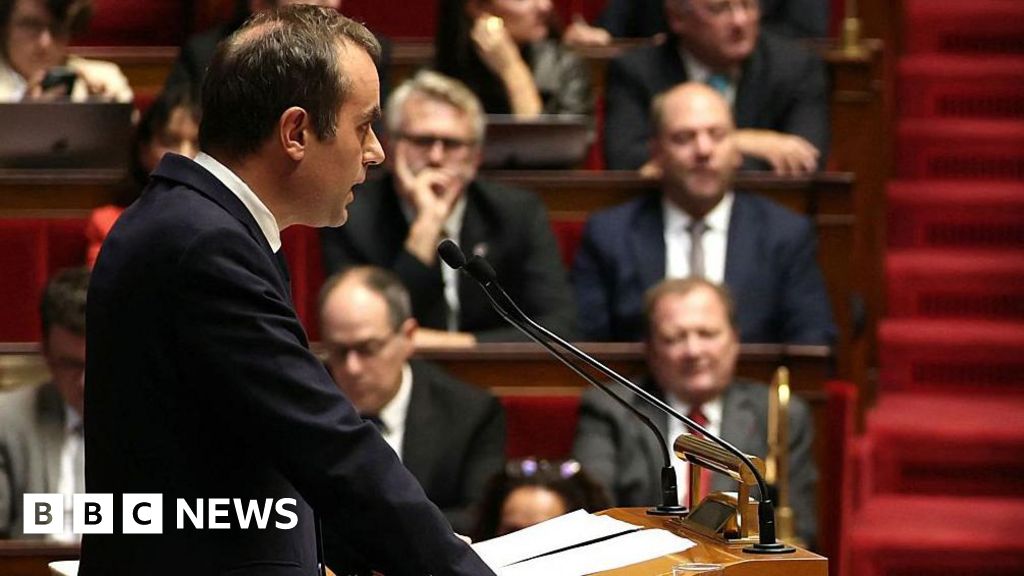
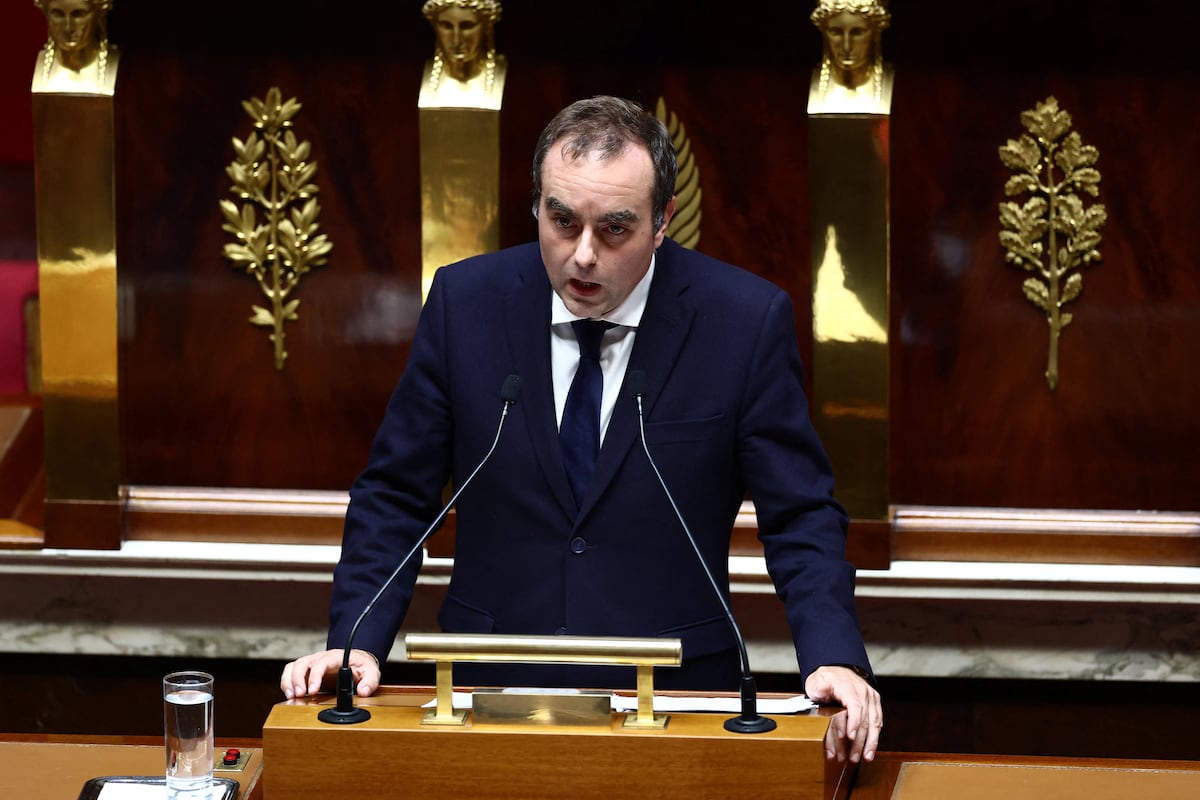
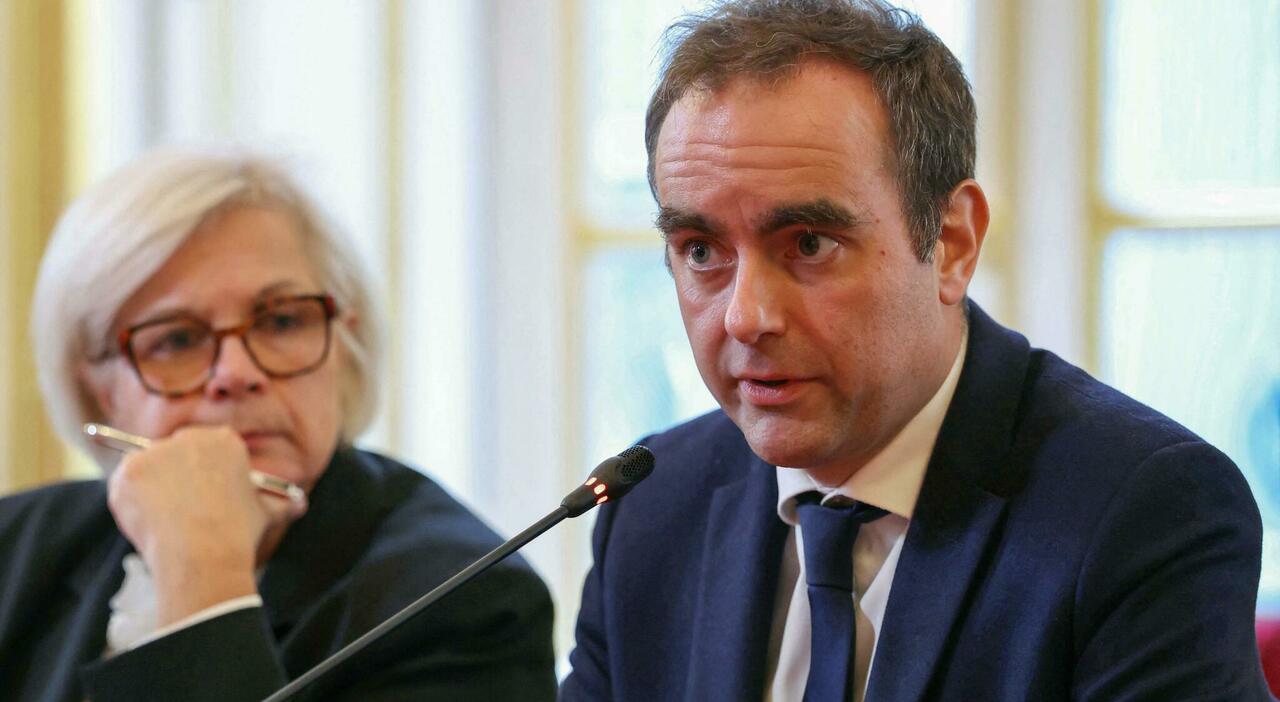
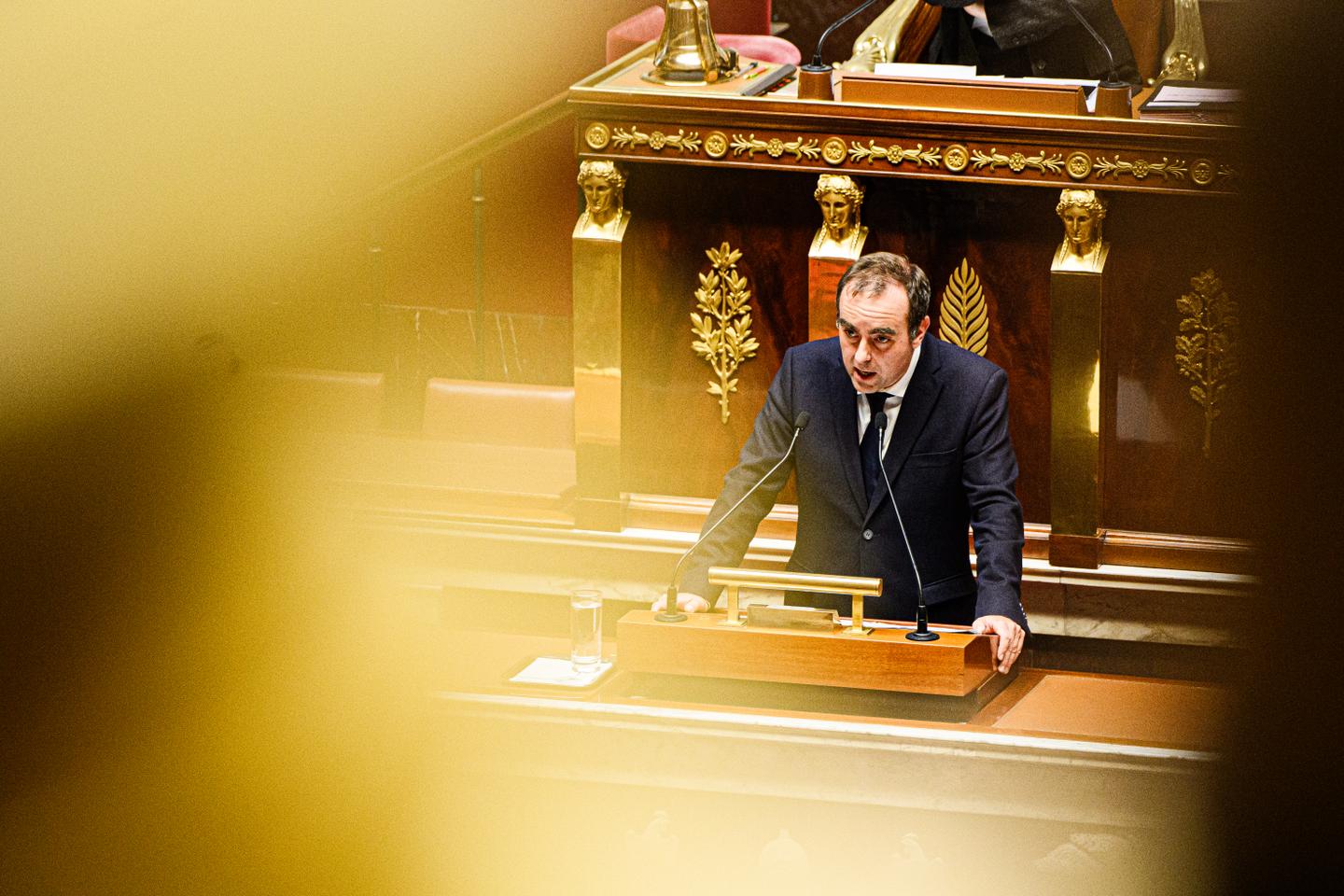
is words were eagerly anticipated. Sébastien Lecornu delivered them, without pretense or ambiguity. On Tuesday, October 14, during his government policy statement, the French prime minister announced that he would propose to Parliament "as early as this autumn" to suspend the 2023 reform raising the retirement age "until the 2027 presidential election." Lecornu, who had initially resigned after losing the right's backing, accepted two demands from the left-wing Socialists: freezing the gradual increases of the retirement age at 62 years and nine months and of career lengths.
The prime minister has taken a significant step toward compromise. His initiative could help resolve a major political crisis that has paralyzed the country. As lawmakers at last prepare to examine the budget bills, for them to bring down the government would now seem incomprehensible to many French people, weary of political maneuvering.
If Lecornu were to fall, it could lead to a dissolution that, at best, would solve nothing, or even to the resignation of the president. Hastily called and largely improvised election campaigns do not allow for a calm debate on these issues, nor for the presentation of real political projects.