Desert settlement of Chinguetti faces rising sands, dwindling tourism and insecurity due to conflict in neighbouring Mali
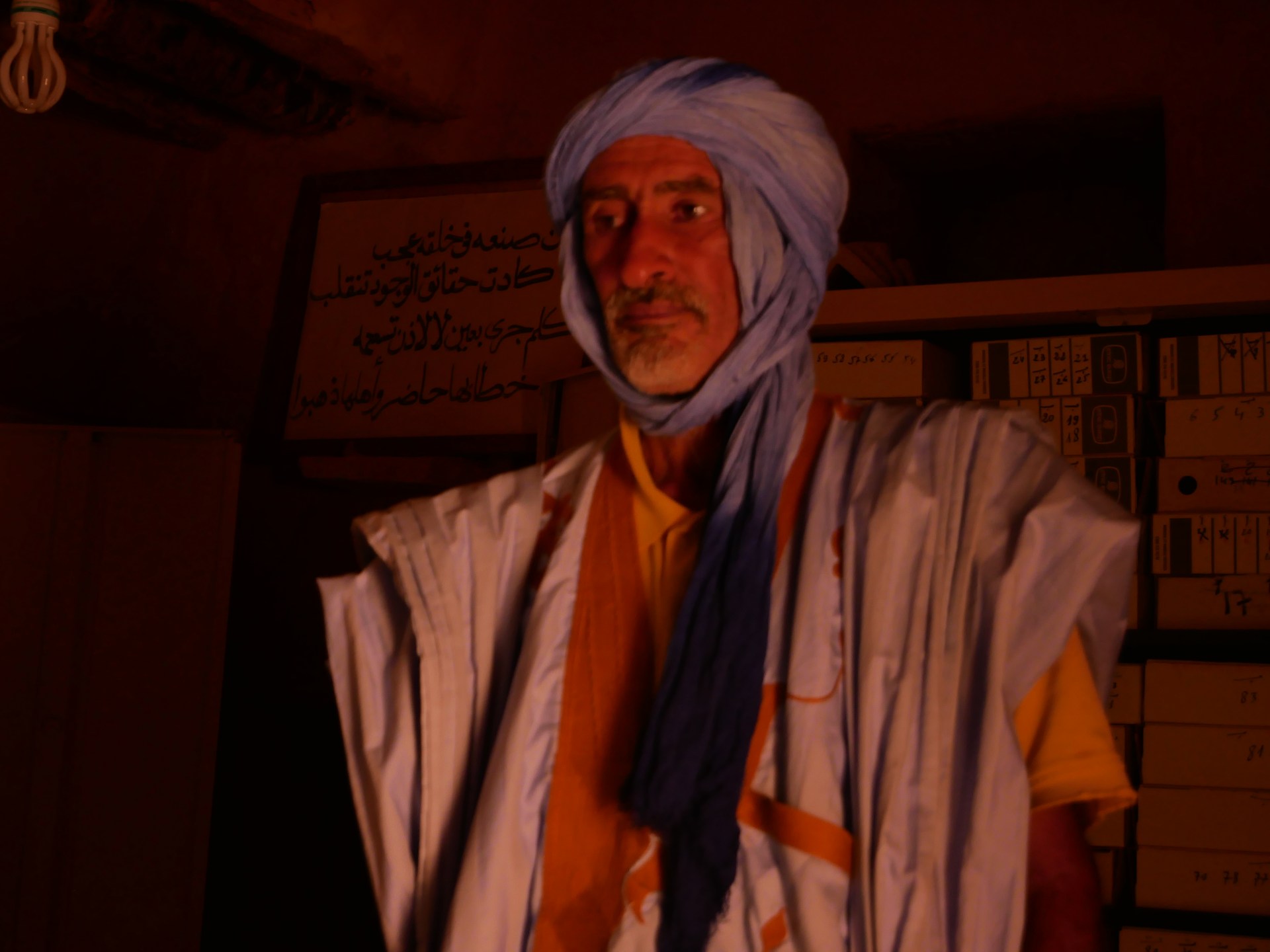
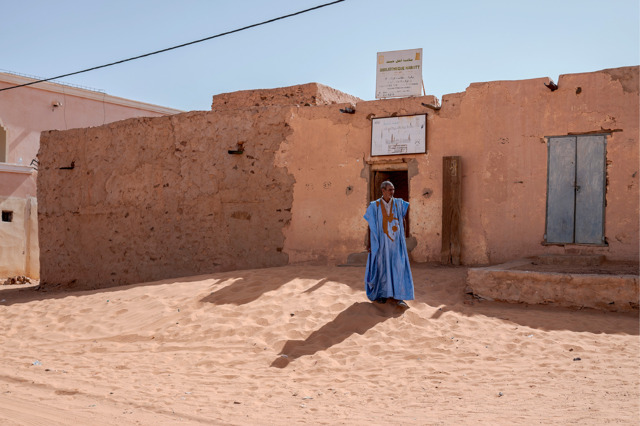
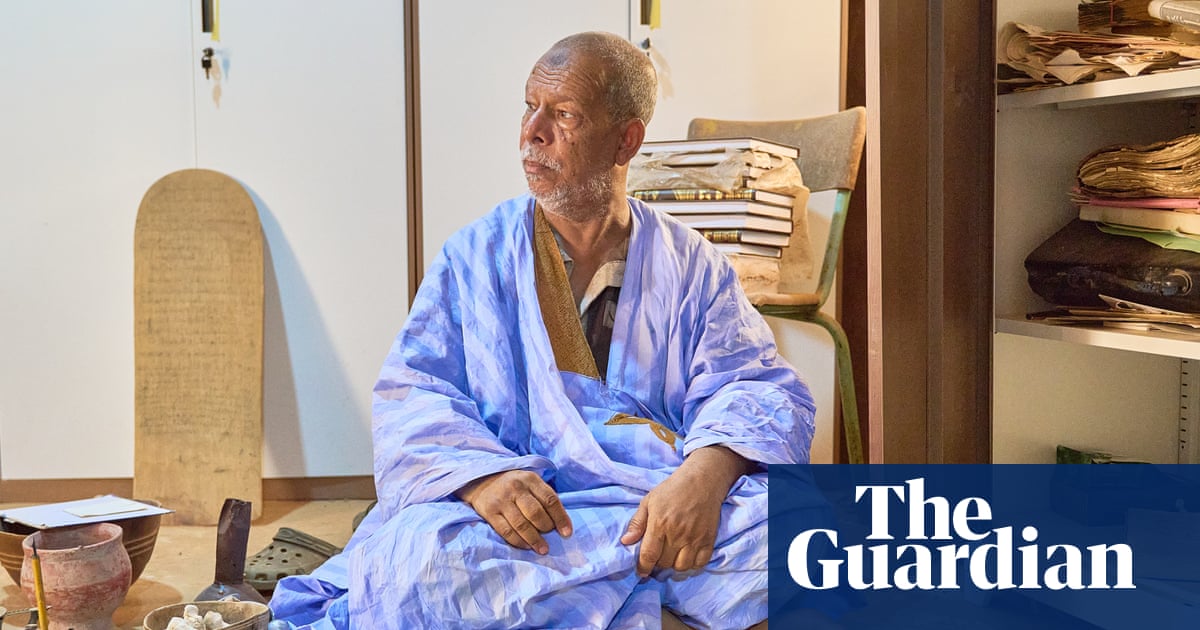
On a recent afternoon, 67-year-old Saif Islam made his way into the courtyard of a library in Chinguetti, a tiny desert settlement nestled in the Sahara in Mauritania.
Decked in a flowing boubou gown striped in two shades of blue, his steps unsteady but his presence still commanding, he sat on a handwoven mat stroking his grey beard, with his black croc sandals neatly placed to the side.
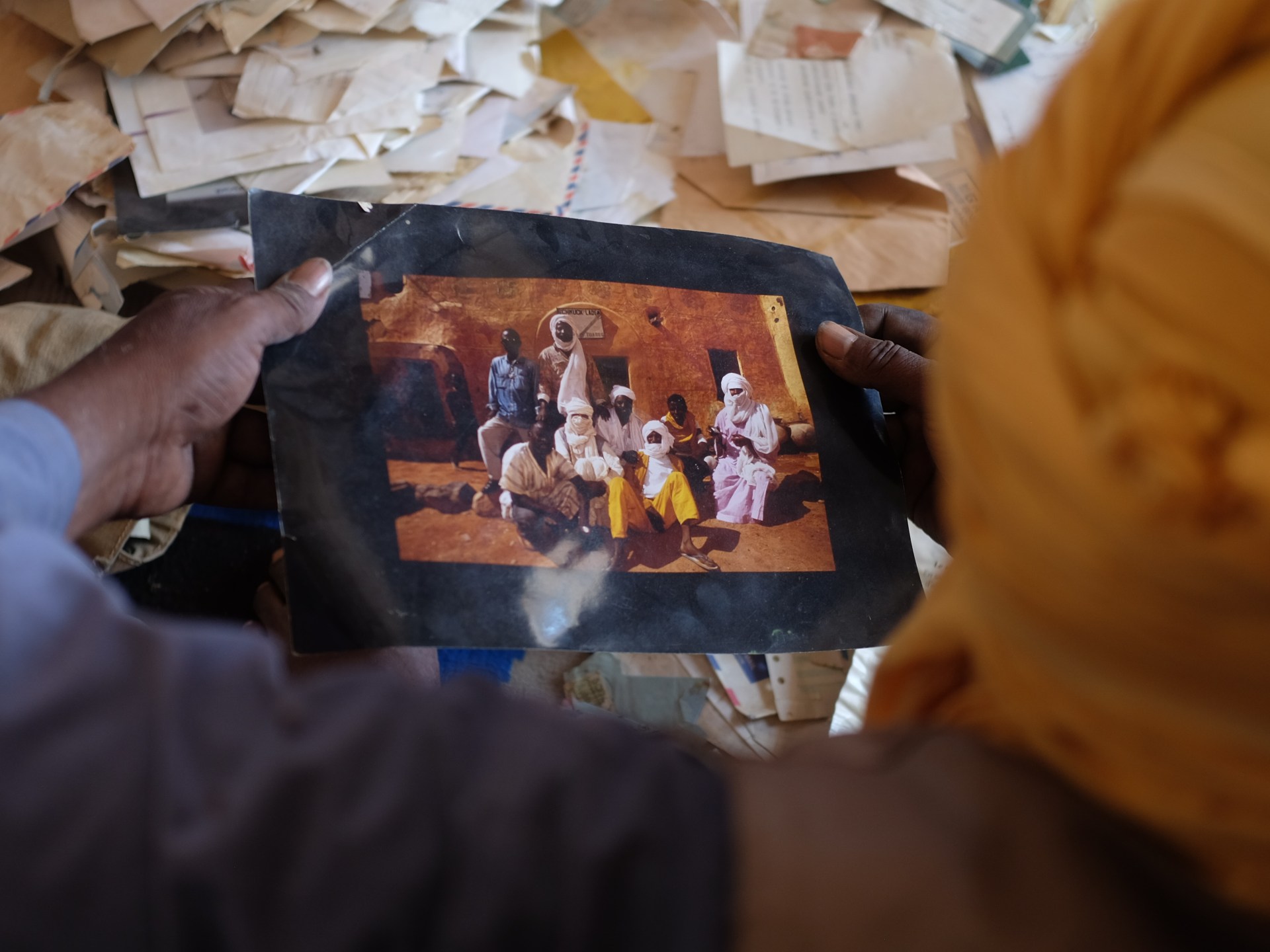
“It’s these books that gave it this history, this importance,” he said, pointing to a 10th-century Qur’an, its pages brown with age. “Without these old dusty books, Chinguetti would have been forgotten like any other abandoned town.”
Chinguetti rose to prominence in the 13th century as a type of fortified settlement called a ksar that served as a stopping-off point for caravans plying trans-Saharan trade routes. It then became a gathering place for Maghreb pilgrims on the way to Mecca, and, over time, a centre for Islamic and scientific scholarship, referred to variously as the city of libraries, the Sorbonne of the desert, and the seventh holy city of Islam. Its manuscript libraries played host to scientific and Quranic texts dating from the later middle ages.