In western Chad, villagers are desperately trying to hold back the sand as the climate crisis wreaks havoc on one of the hottest countries in the world
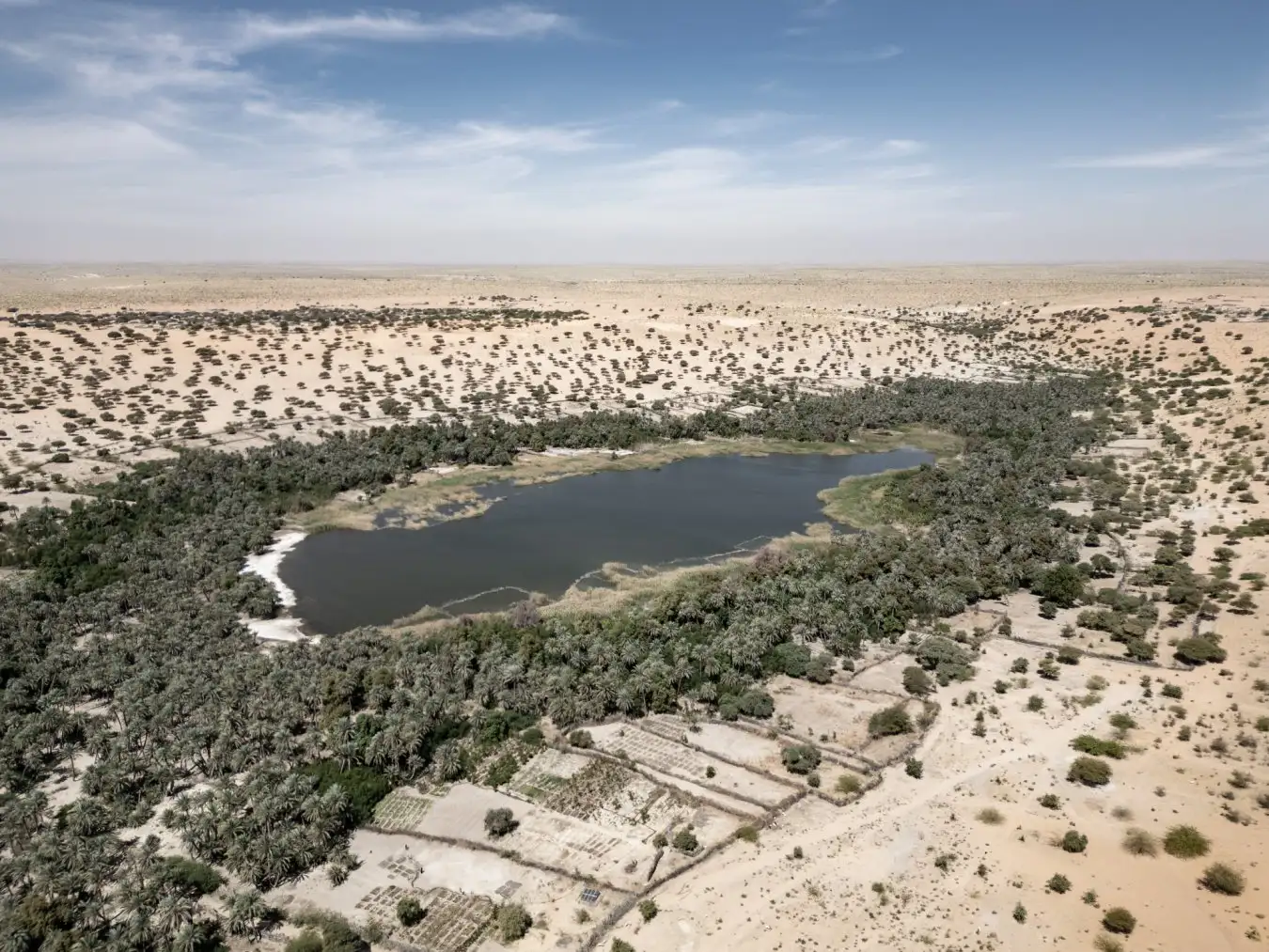
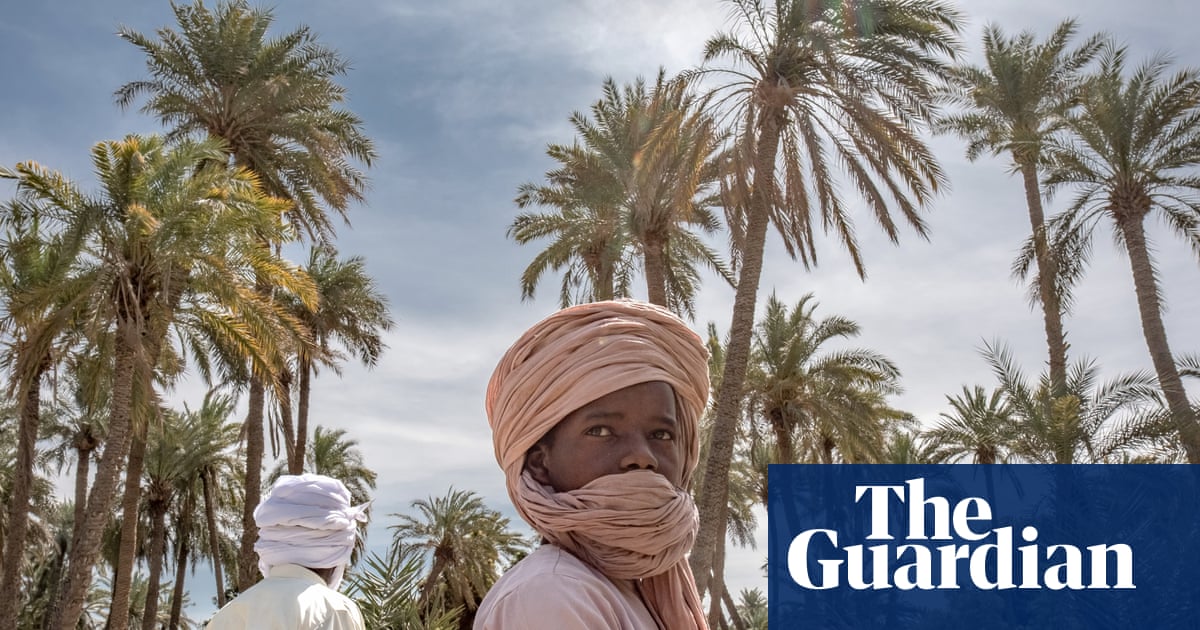
On the ochre sands of Kanem, the neat vegetable gardens and silver-green palm trees of Kaou oasis stand out, incongruous in this desert province of 70,000 sq km in western Chad.
Oases such as this, on the edge of the Sahara, have sustained human life in the world’s deserts for thousands of years. Globally, an estimated 150 million people rely on the water, arable land and access to trade networks they provide. But in Chad, such oases are disappearing fast.
With two-thirds of its territory consisting of desert, the landlocked central African country is the most vulnerable in the world to climate breakdown. It ranks among the world’s hottest and temperatures in Kanem province are rising almost twice as fast as the global average.
Standing in the scalding sand, Mahamat Souleymane Issa gestures at a thin strip of greenery stretching along a few hundred metres. “When I was a child, this wadi [river valley] was very big,” he says.