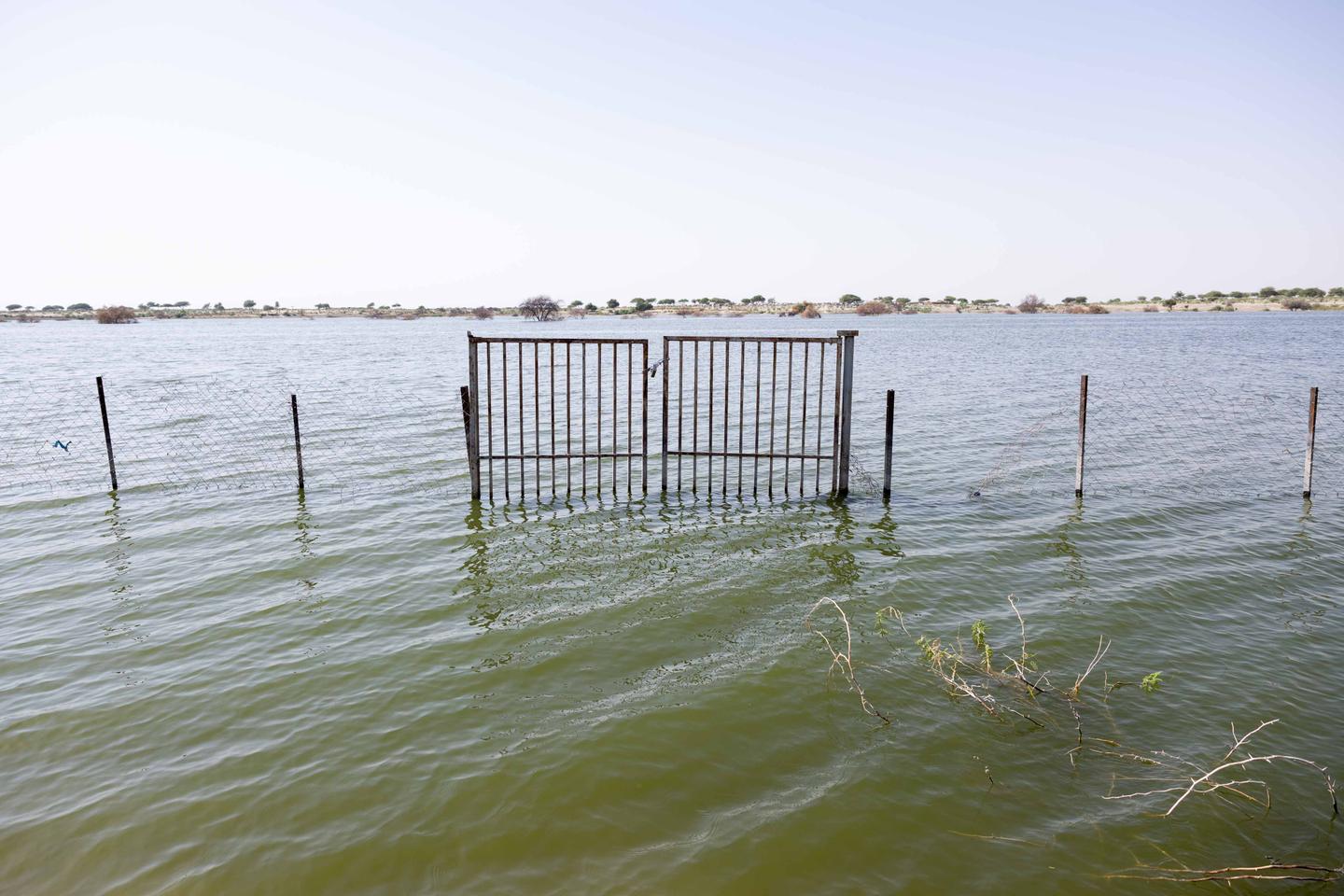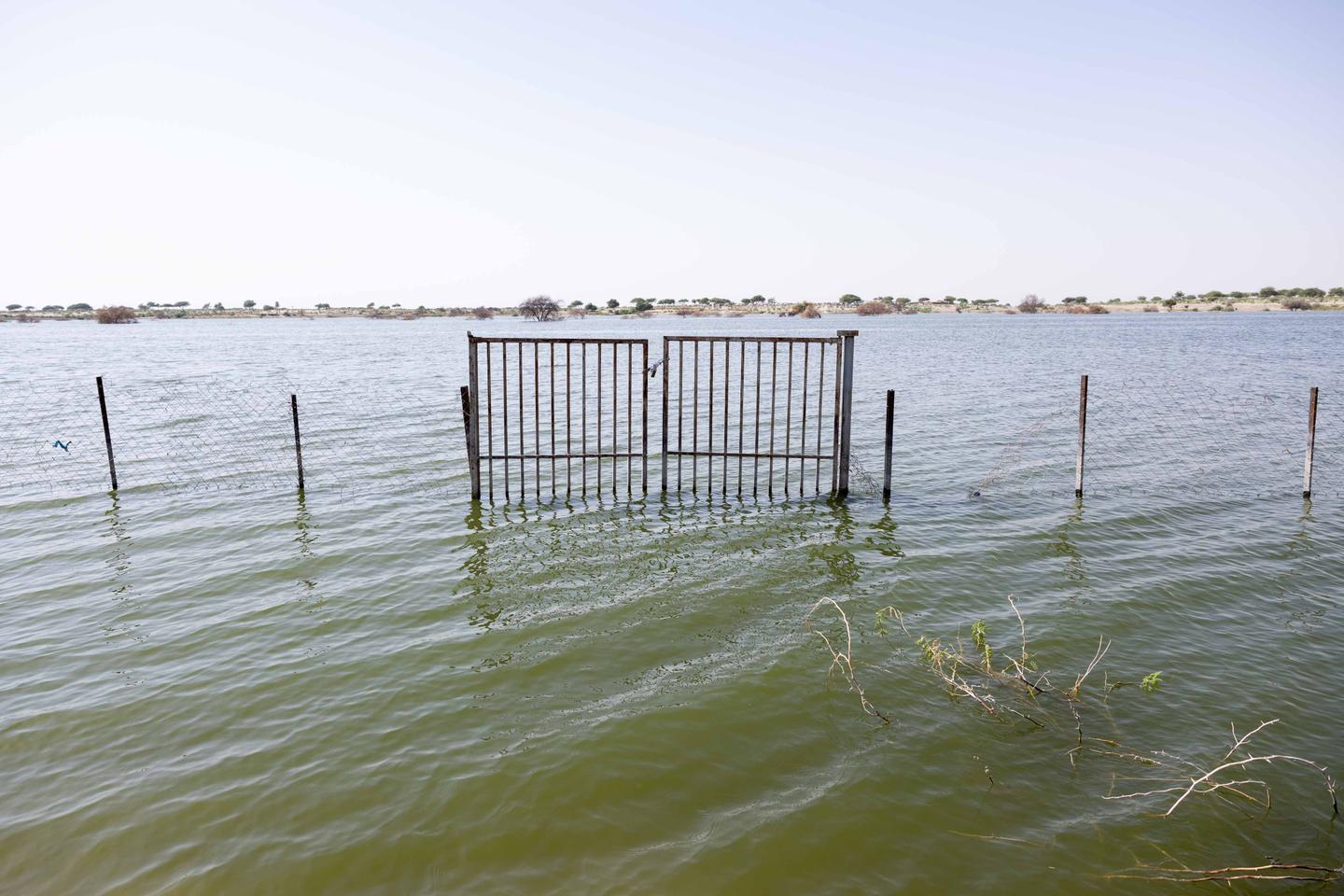
A flooded field near Kiskra, in the Lac province of Chad, on June 19, 2025. JORIS BOLOMEY
René Magritte would likely have enjoyed painting this iron gate, which stands in the middle of the water, reminiscent of the half-open door to the ocean depicted in his painting La Victoire ("The Victory"). For Mahamat Mbomi, however, it is a defeat. This dreamlike landscape represents the annihilation of years of work and the loss of his savings. "The sorghum, the watermelon, the melon... Everything is lost," said the landowner. The enclosure and the gate were supposed to keep animals away from his crops. He never imagined the invader would be liquid.
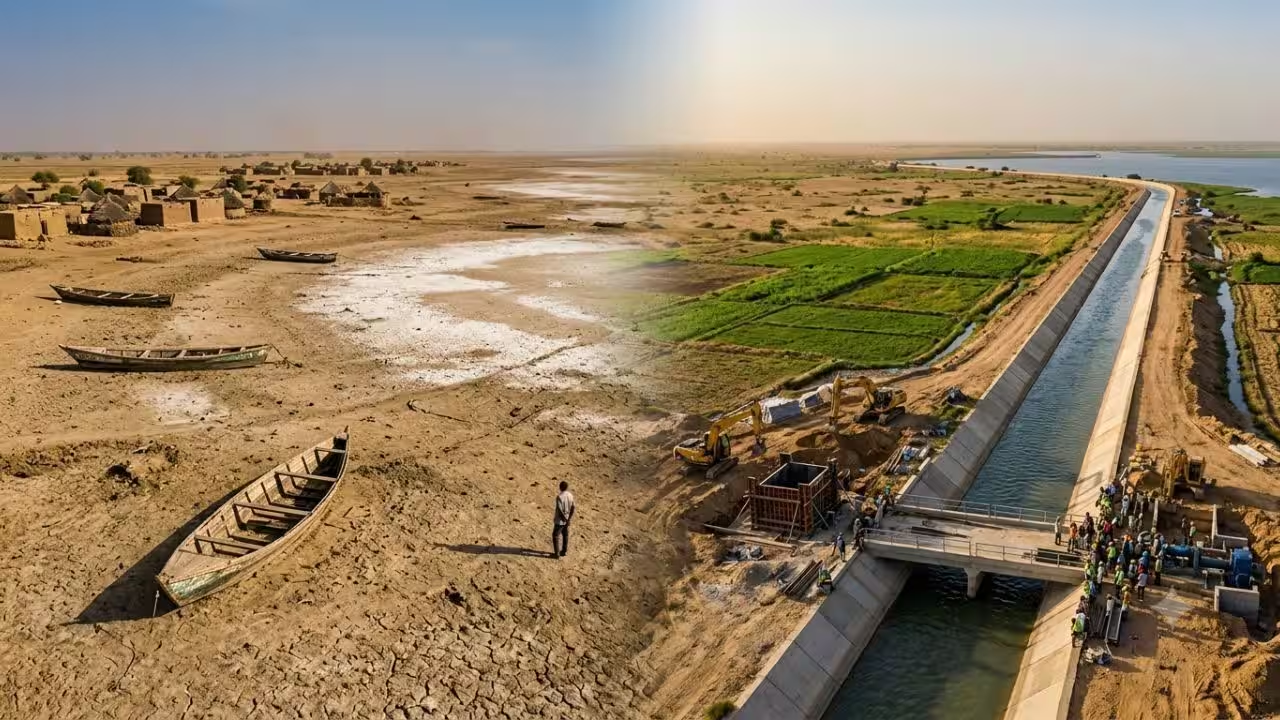
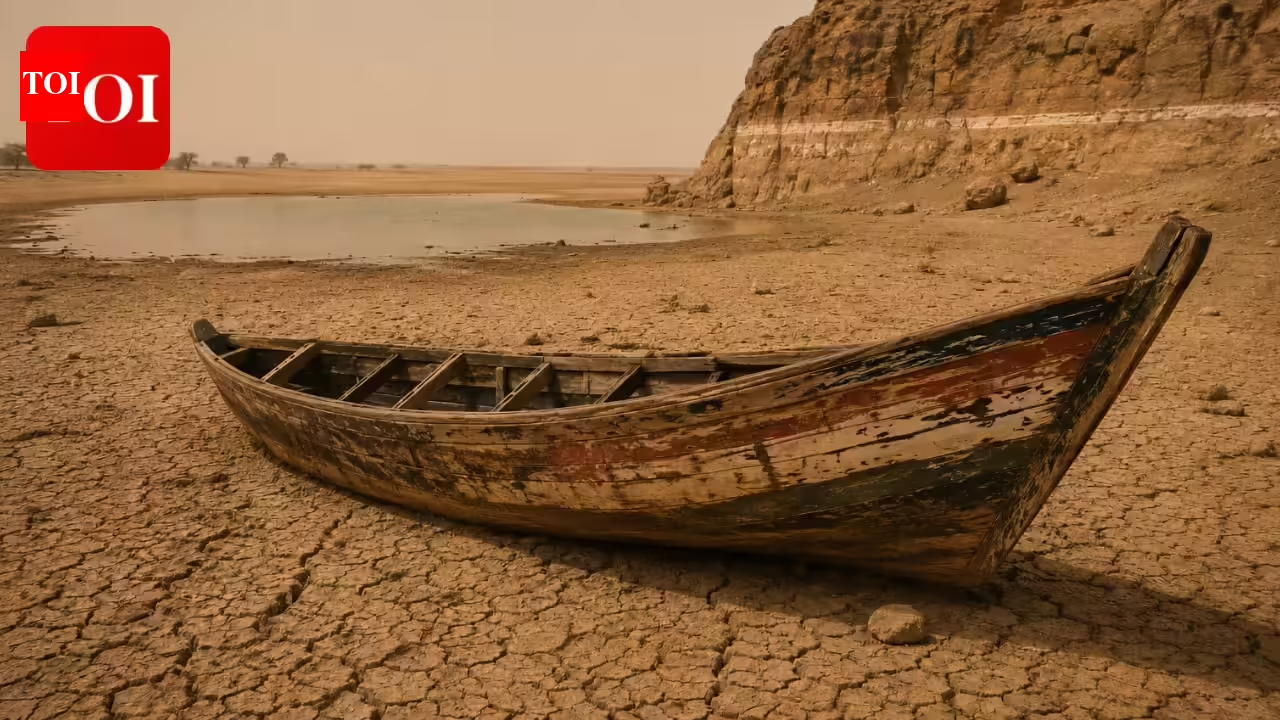
"There hasn't been water here since Tombalbaye died!" he exclaimed, referring to Chad's first president, who passed away in 1975. For him and thousands of other farmers, the arrival of the water was anything but a blessing. Located on the edge of the Sahara, Lake Chad was long thought to be drying up. In reality, it has been refilling and expanding due to climate change, worsening food and security crisis on shores already battered for more than a decade by Boko Haram jihadists.
Garmadji Sangar, head of the studies division at the Lake Development Corporation (SODELAC, a public institution), sees this change each morning when he measures the water level at the Bol hydrological observation station, known to locals as a small beach for swimming and washing clothes. The flood gauge has become unusable since a careless hippopotamus sat on it. Unfazed, this day, Sangar set up his optical level amid a crowd of children competing in diving contests. He frowned, visibly concerned by what he saw through the viewfinder.