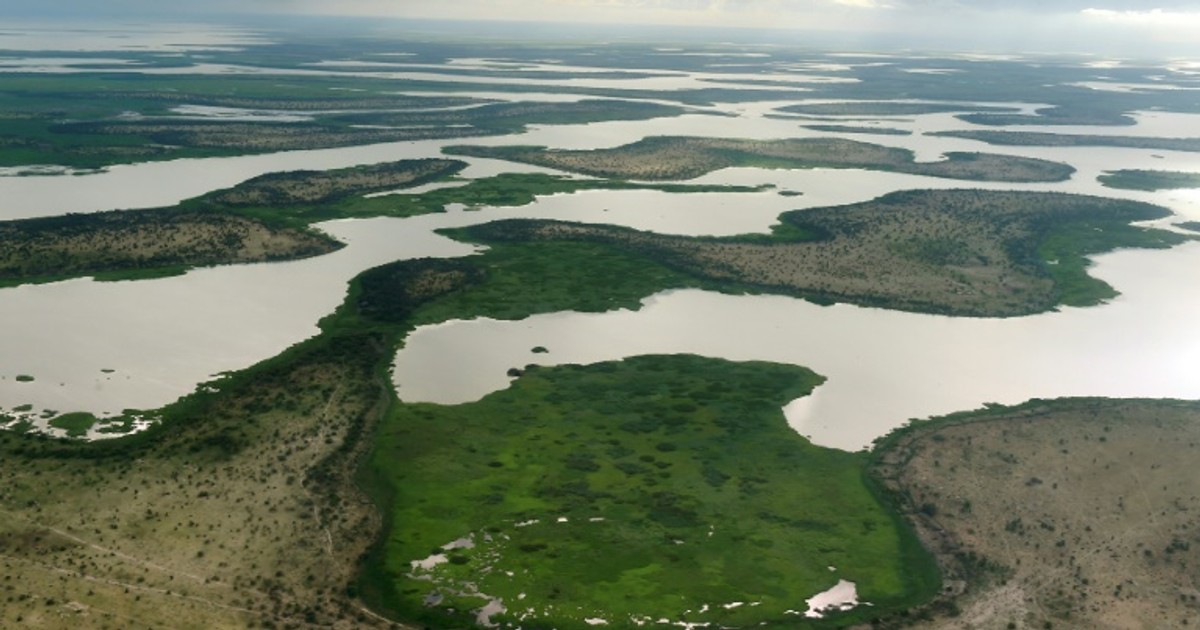
Aerial view of Lake Chad, June 18, 2025. JORIS BOLOMEY
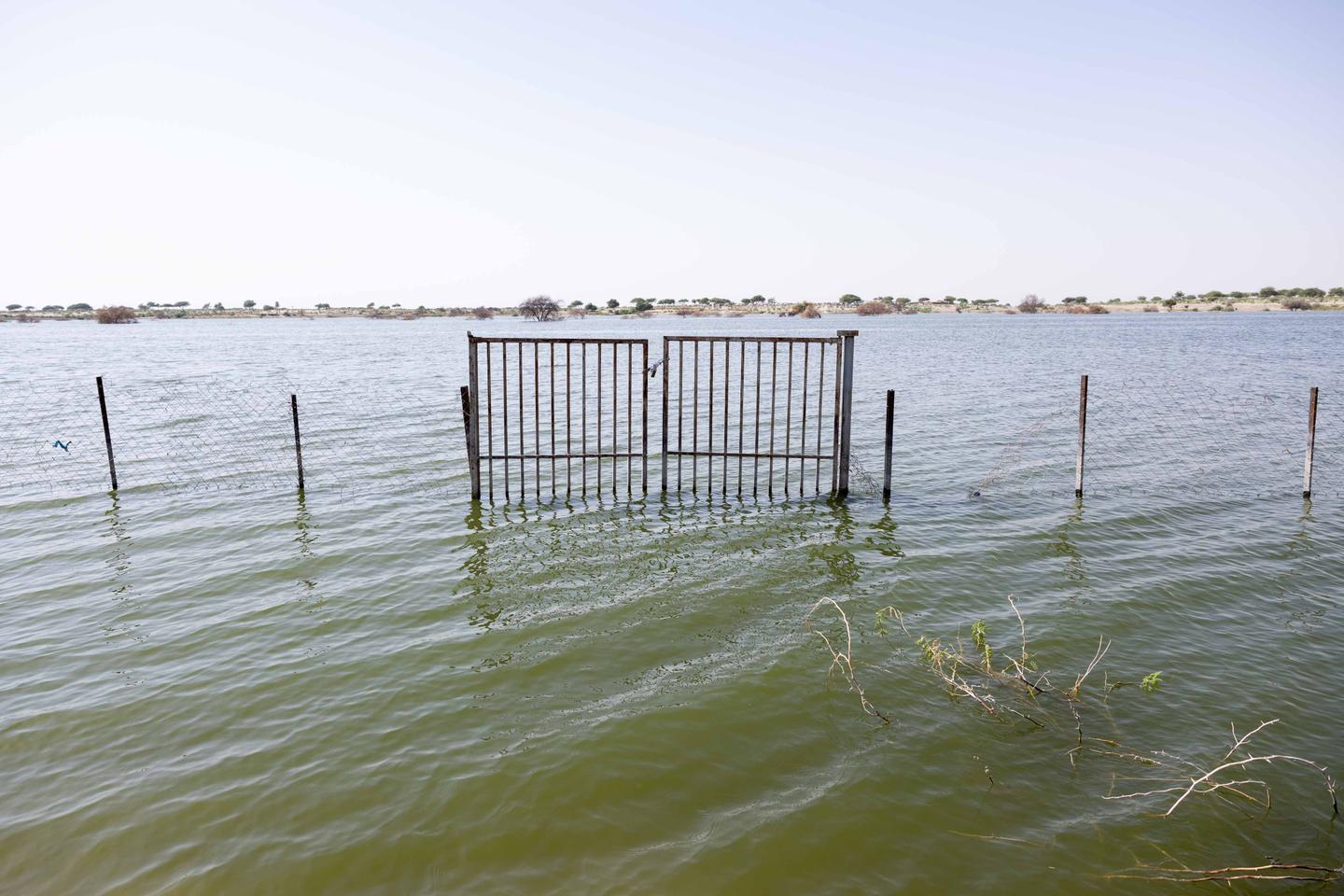
Small pools of water are becoming more numerous and wider, until the line between water and land is no longer visible. Even from the sky, it is impossible to discern the precise contours of Lake Chad, only to try to decipher the shapes drawn by its tongues of sand, dotted with green, flat islets like giant water lilies.
On Monday, June 30, the United Nations Cessna 208B Caravan (a small propeller plane) took off one last time from the dusty airstrip in Bol, the capital of Lac province in Chad. After seven years of transporting NGO staff to the area, the link has been discontinued due to a lack of funding. The main donors – first and foremost the United States – have drastically reduced their aid. UN agencies estimated that they would lose two thirds of their funding for Chad in 2025 compared to the previous year. The remaining resources were redirected to other crises, and Lake Chad has faded into oblivion.
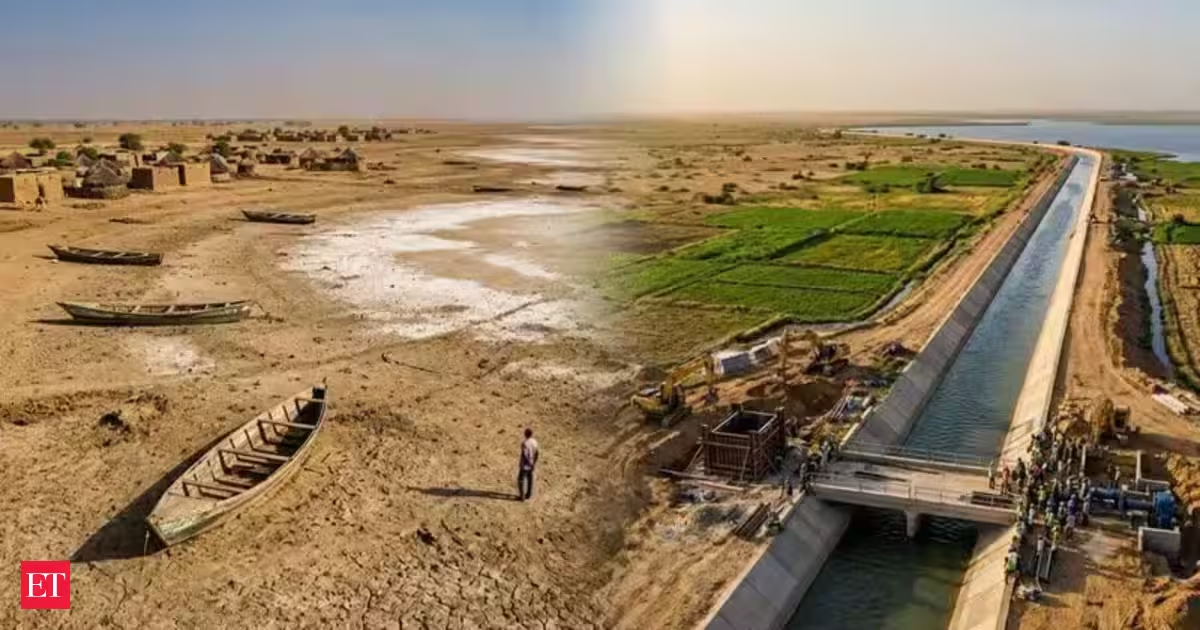
However, 10 years earlier, the region made international headlines. The West discovered the brutality of the Islamist militant group Boko Haram: suicide bombings carried out by children, filmed beheadings, mass rape and abductions. The kidnapping of schoolgirls from Chibok, Nigeria, in 2014 sparked international outrage, embodied by the online campaign #BringBackOurGirls, which resonated worldwide. In a context of growing awareness of climate issues, NGOs and political leaders did not hesitate to draw a link between the insecurity in the region and the drying up of Lake Chad, which lost 90% of its surface area between the 1960s and 1990s, raising concerns that this natural environment could disappear altogether.