By refusing to slash funding to poorer nations, Spain became an outlier in the new world disorder. Next week it hosts a UN summit in Seville to prove it
S
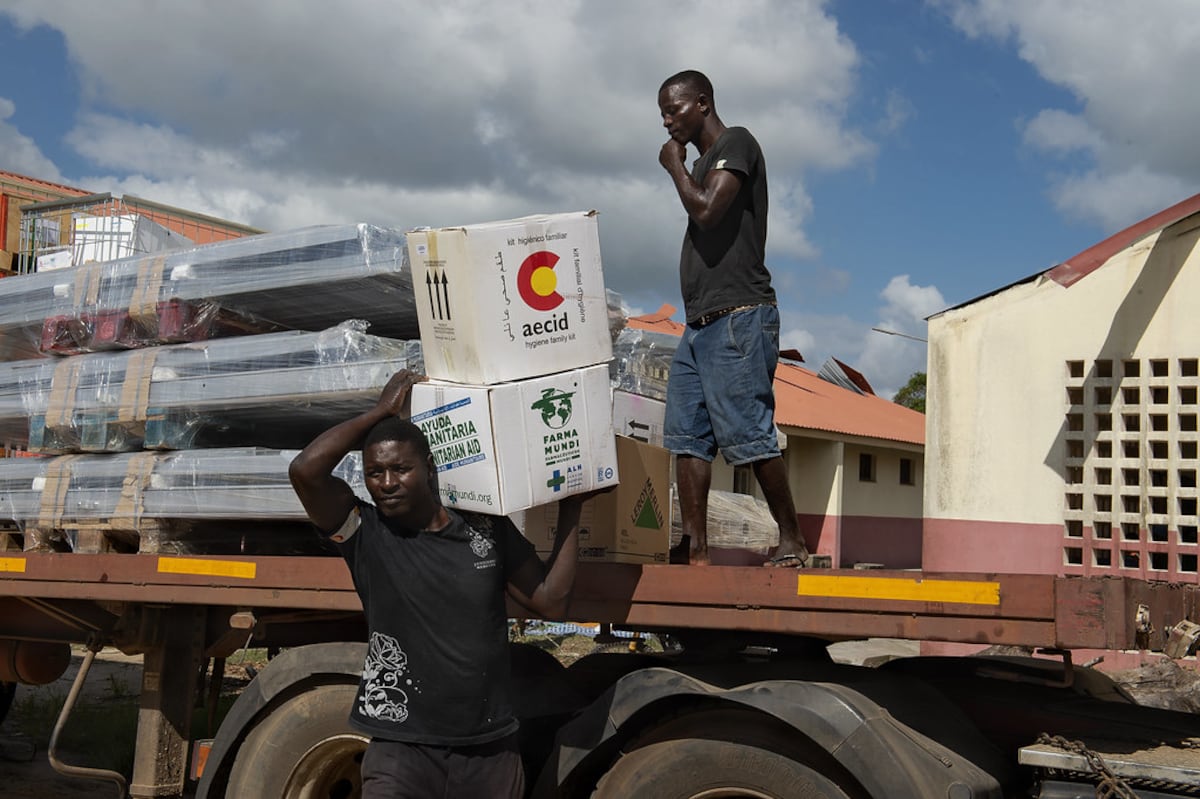
pain swims against the tide. At a time when much of Europe is grappling with economic crises, caving in to populist anti-aid narratives and slashing development budgets, the country is increasing its financial support for the global south. Instead of planning future aid cuts, Spain has put ambitious goals for 2030 into law.
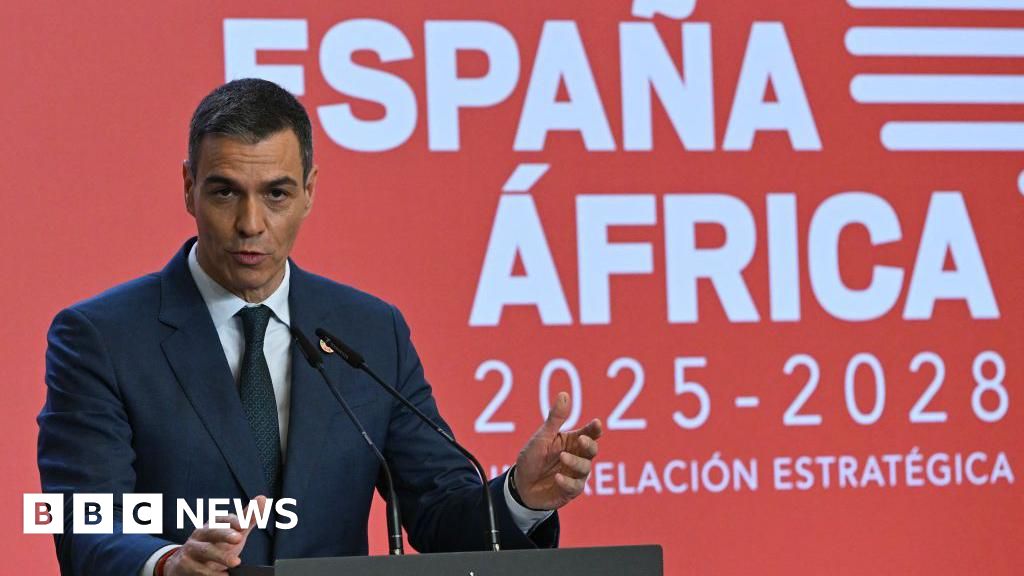
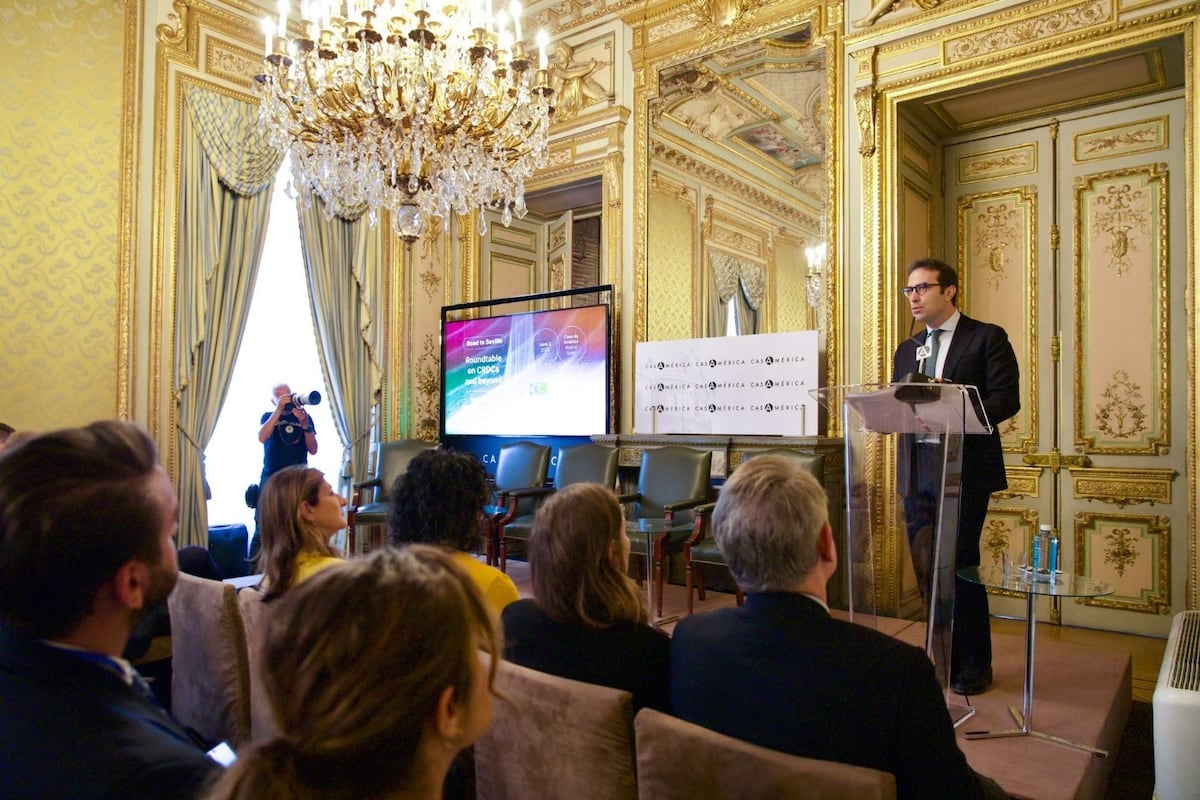
Moreover, at a time when much of the world is looking inward and retreating from multilateralism, Spain will host a UN summit in Seville this month, the first of its kind in the global north. Dozens of heads of government, state and multilateral organisations will discuss how to finance development in a post-aid world, suffocated by military spending and unpayable debt in dozens of countries, particularly those in Africa. For the Spanish government, the forthcoming Seville summit is a clear political statement.
By promoting multilateralism and international cooperation – while increasing development aid – Spain has become an outlier in the new world disorder. After all, the Trump administration is not alone in slashing development aid. The UK, France and Germany, among others, have jumped on the aid-cutting bandwagon. According to OECD figures, official development assistance dropped by 7.1% globally in 2024, with the European Union cutting aid by 8.6%. And the OECD warns that this marks just the beginning of a broader downward trend; projections suggest that 2025 could see the largest aid cut in history.