HomeAI · summaries
Storia in 16 fonti
Attributing disaster solely to climate change not enough: Scientists
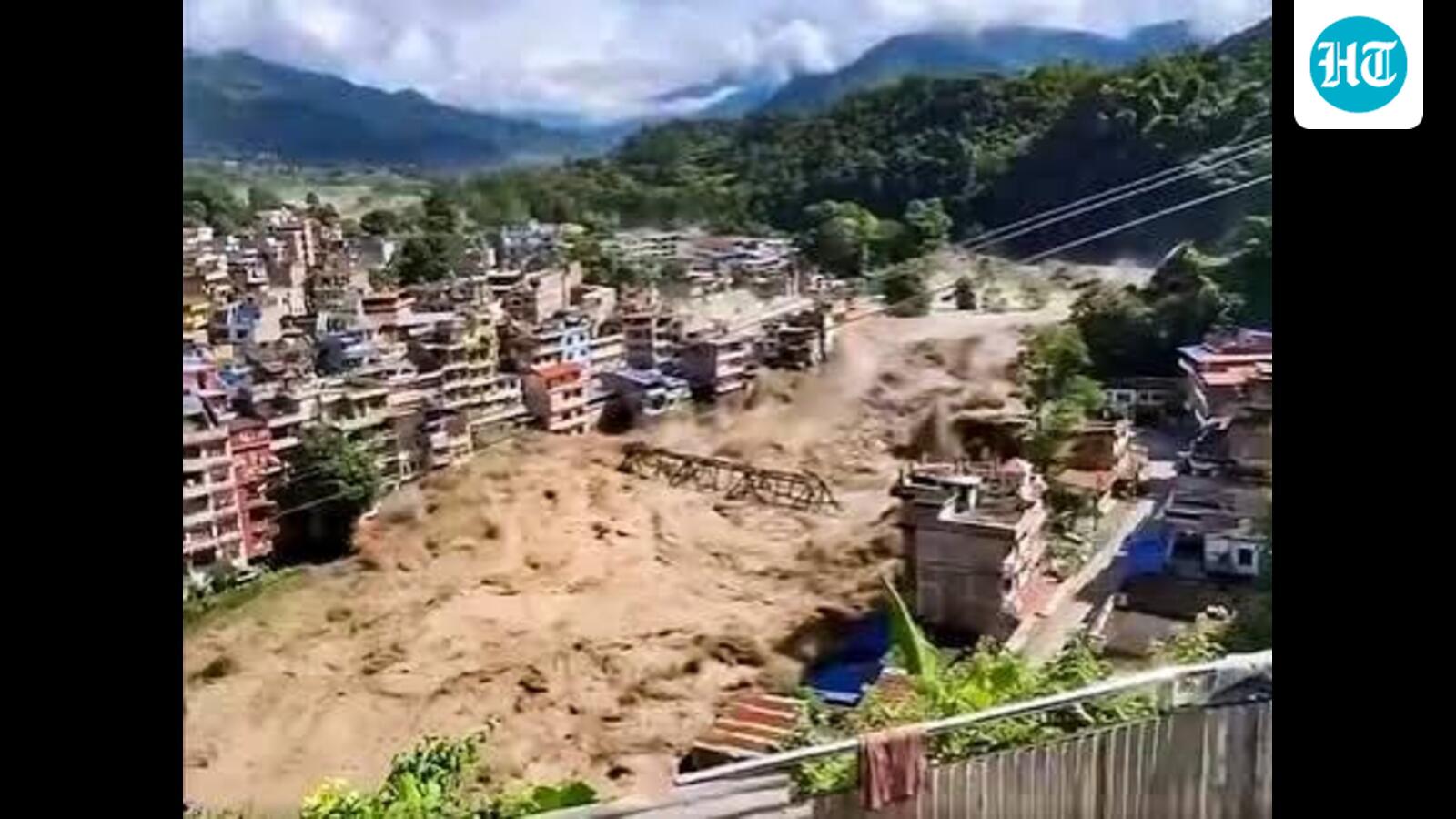
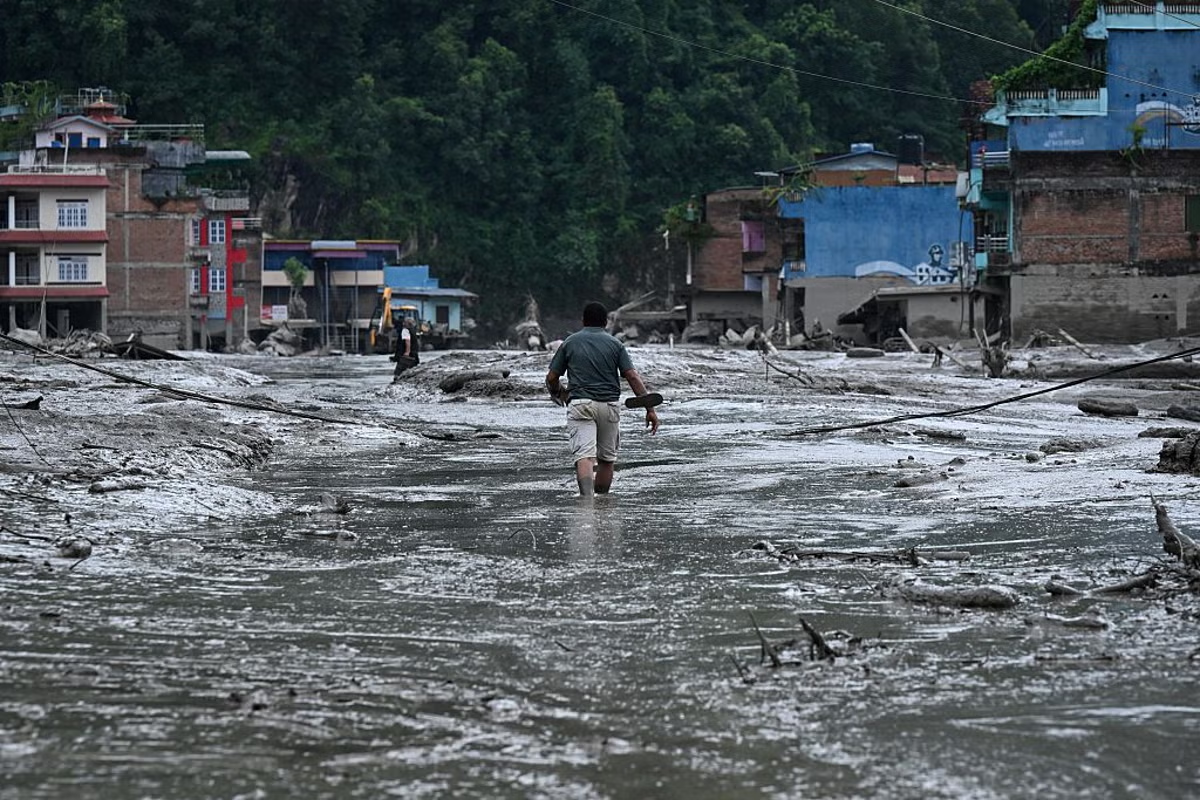
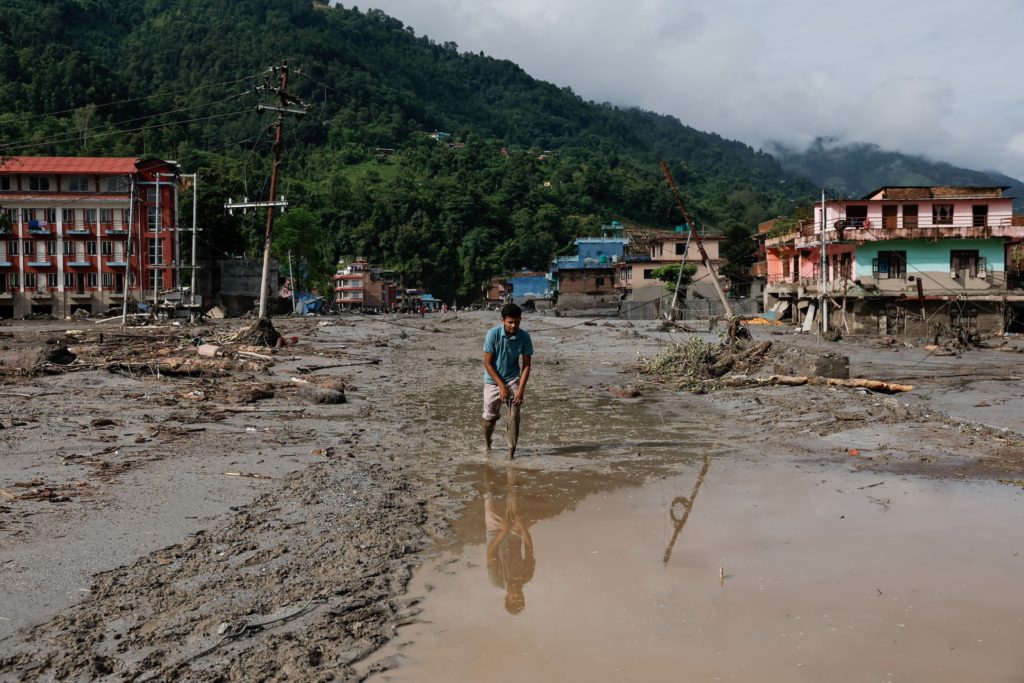
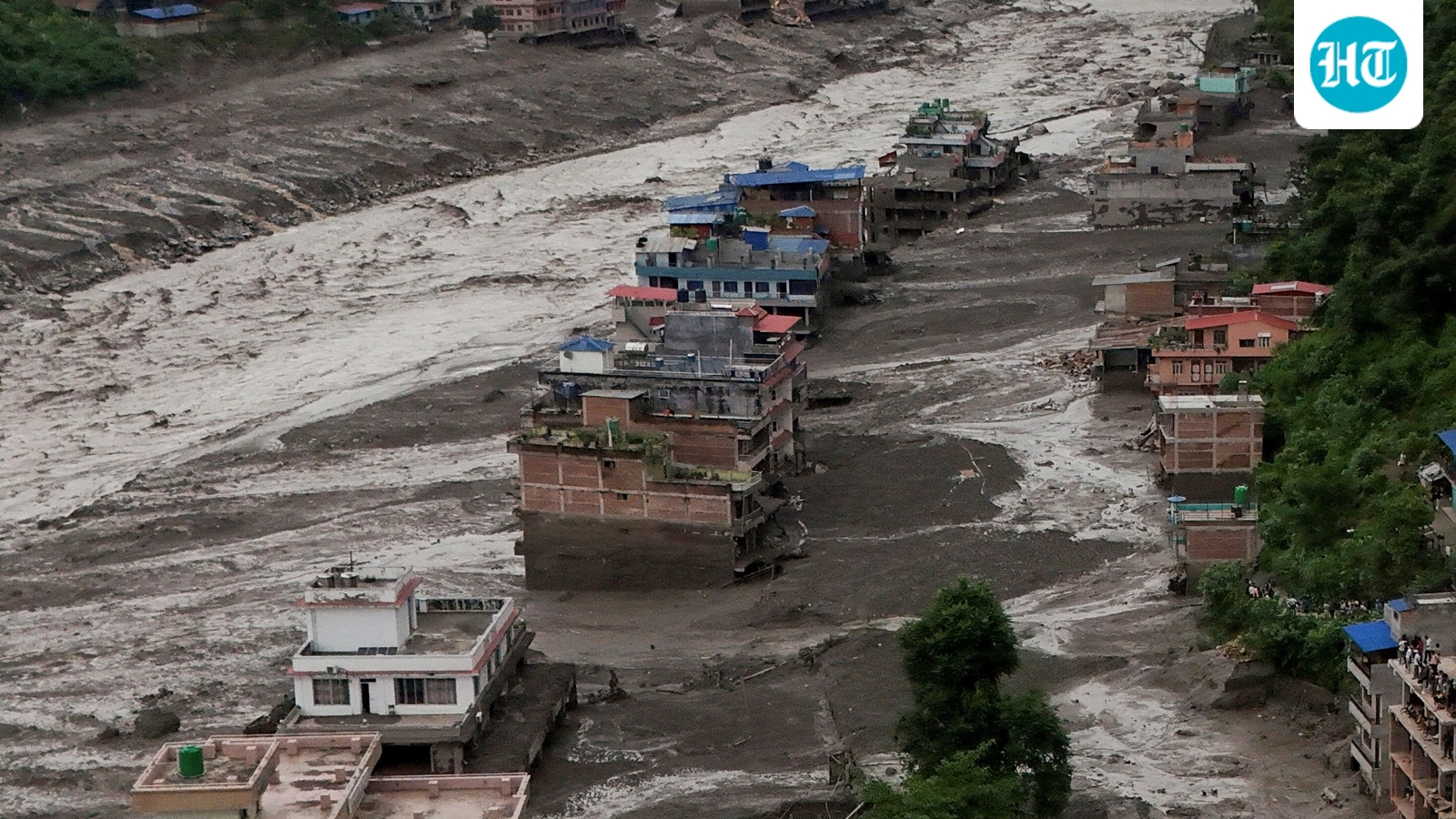
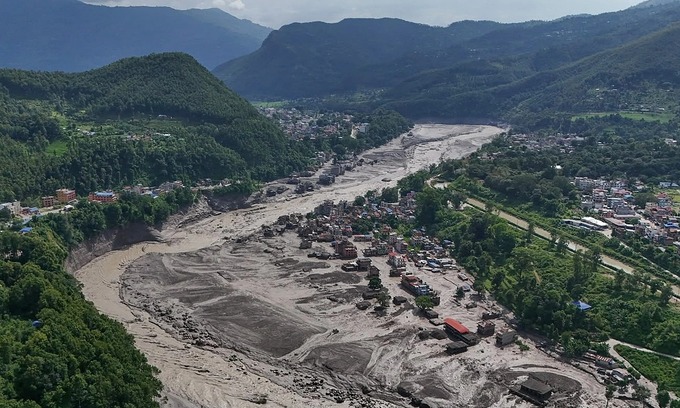
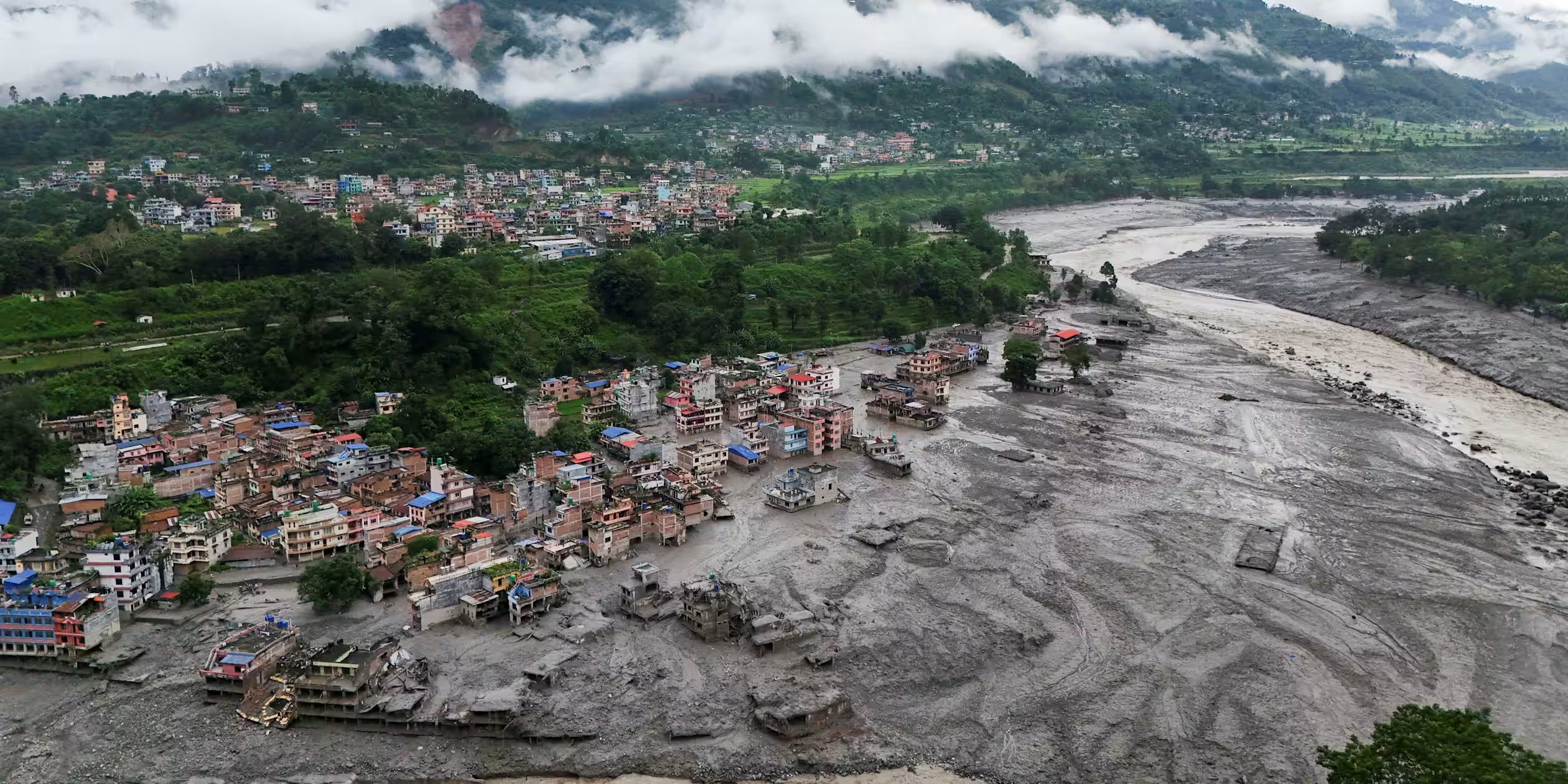
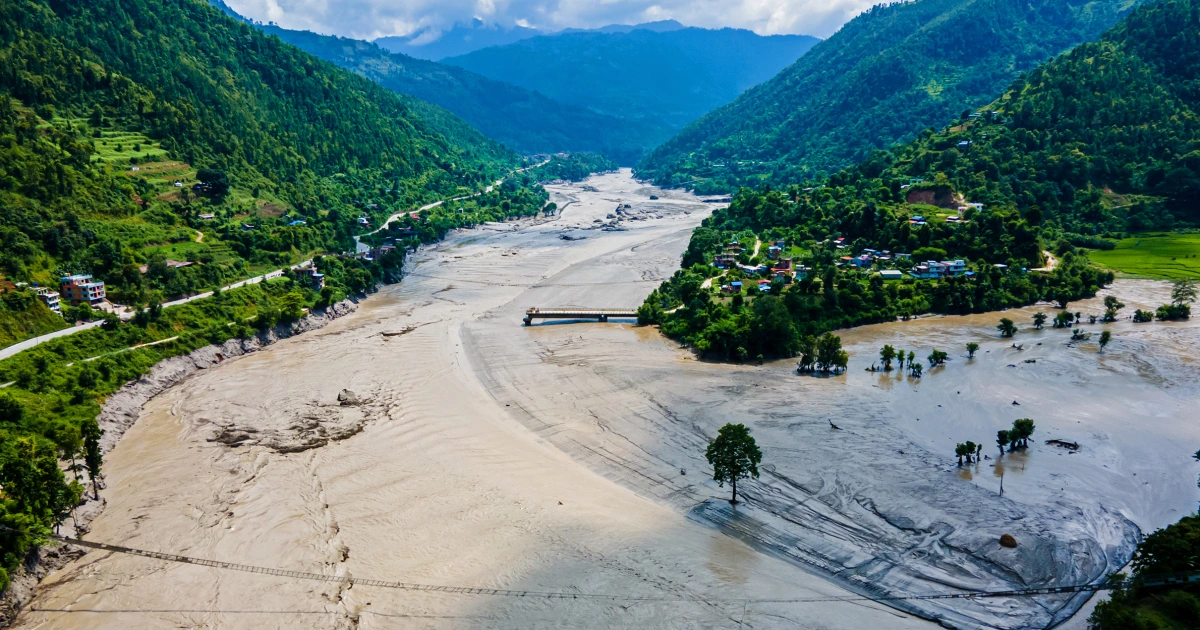
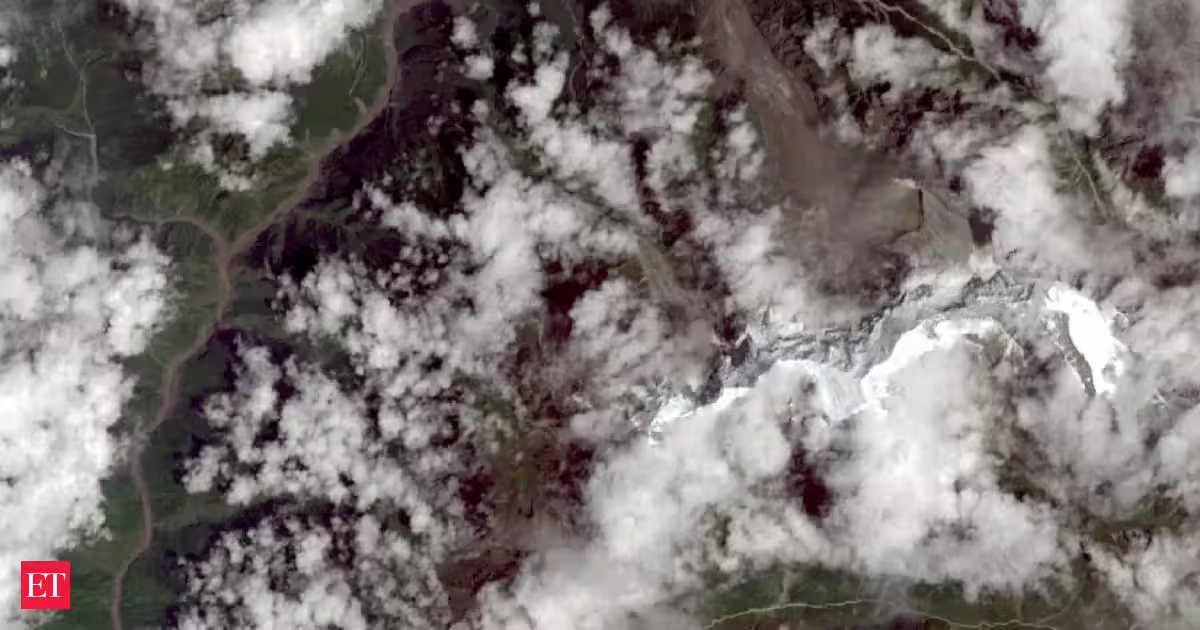
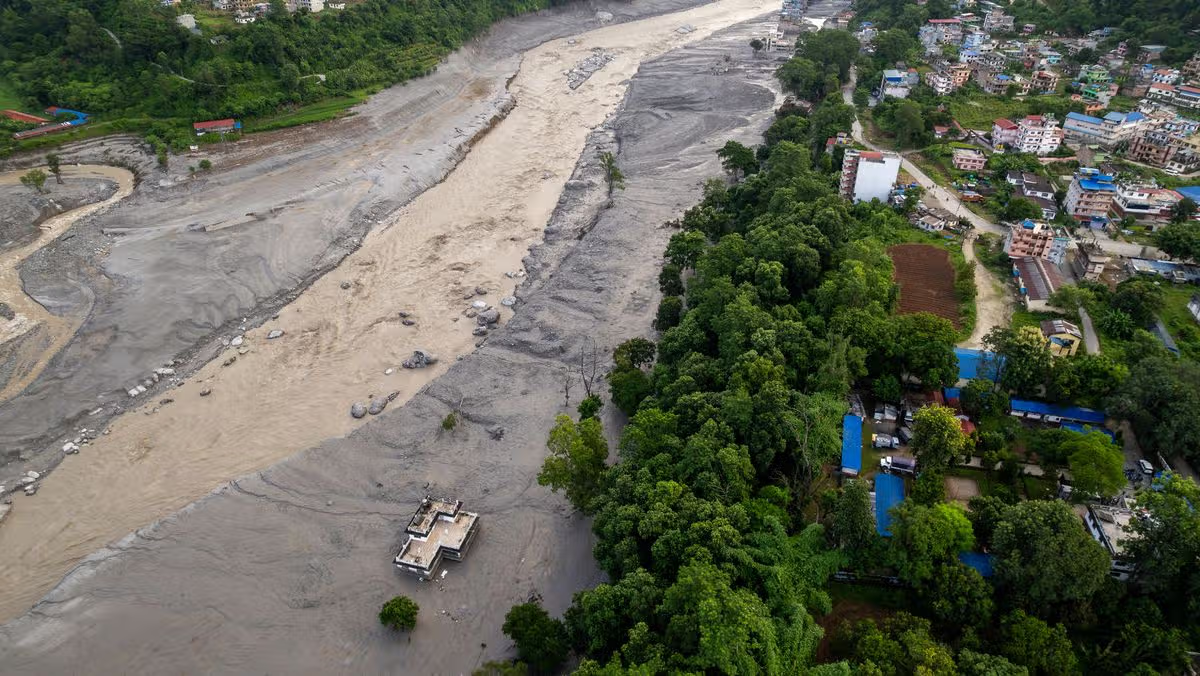
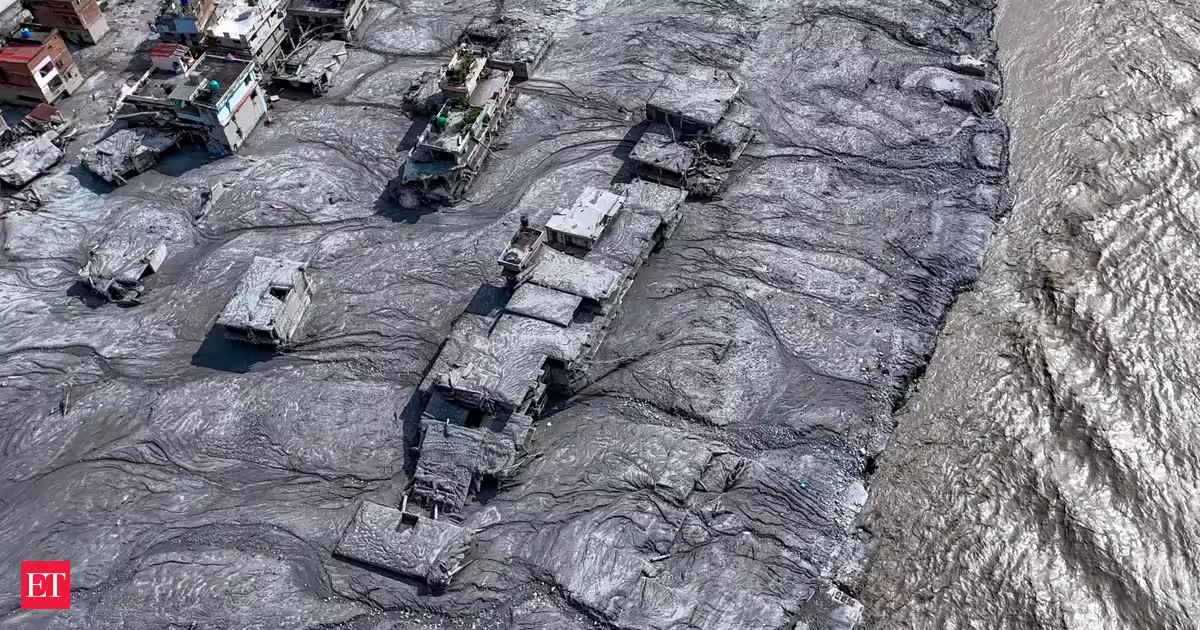
The Himalayan regions are increasingly vulnerable to extreme weather events, largely as a result of climate change. Melting glaciers and altered rainfall patterns significantly raise the risk of landslides and catastrophic floods. Many of these severe flooding incidents stem from small glaciers and streams burdened with debris. Additionally, human activities on precarious slopes amplify the danger. Therefore, it is essential to effectively enforce current regulations to mitigate these disasters.
Confronto fonti
6 prospettive sulla stessa storiaTimeline cronologica
- ·
gulfnews.com
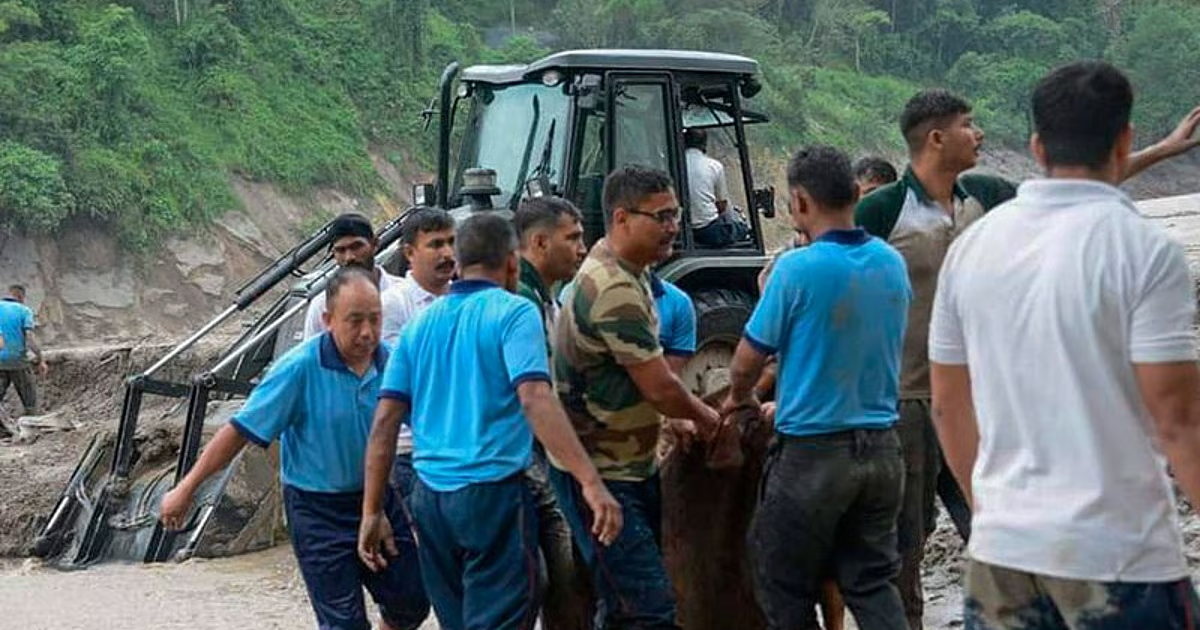
What experts know so far about Nepal's deadly floods
Experts explain how climate change, glacial collapse and extreme Himalayan terrain fueled Nepal’s deadly floods and landslides along the Tibet border.
- ·
dailymail.com
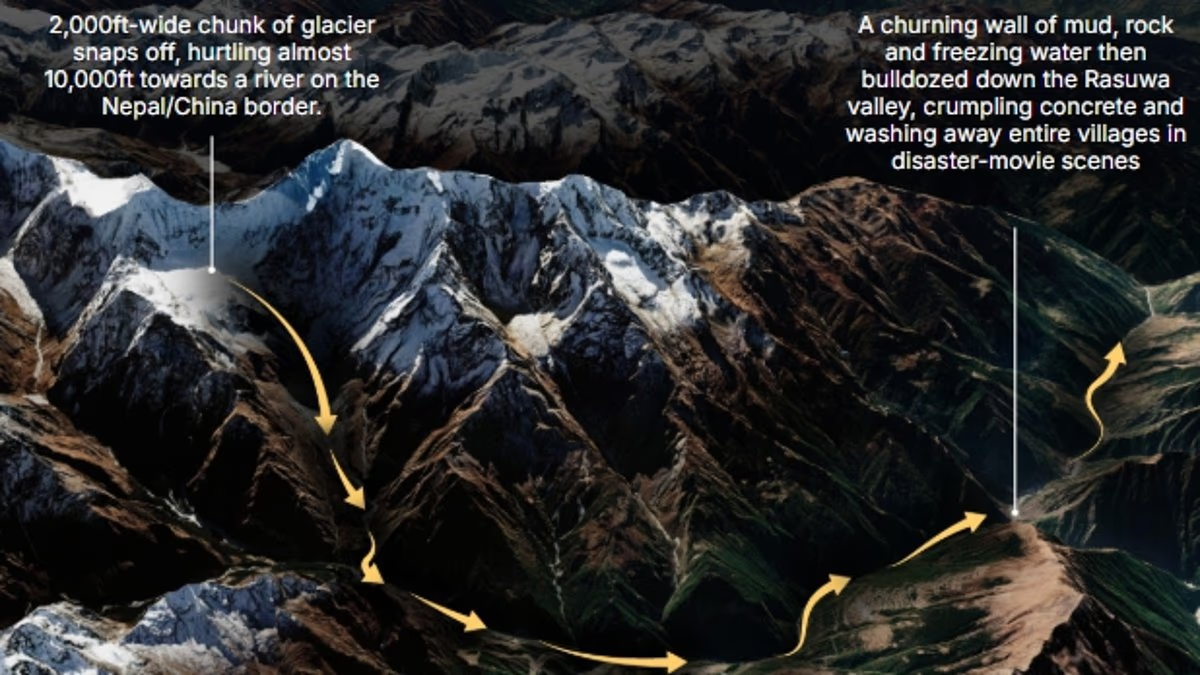
Scientists blame climate change for Nepal's flash flood
While scientists are still studying the exact causes of the disaster, several experts say that climate change is to blame.