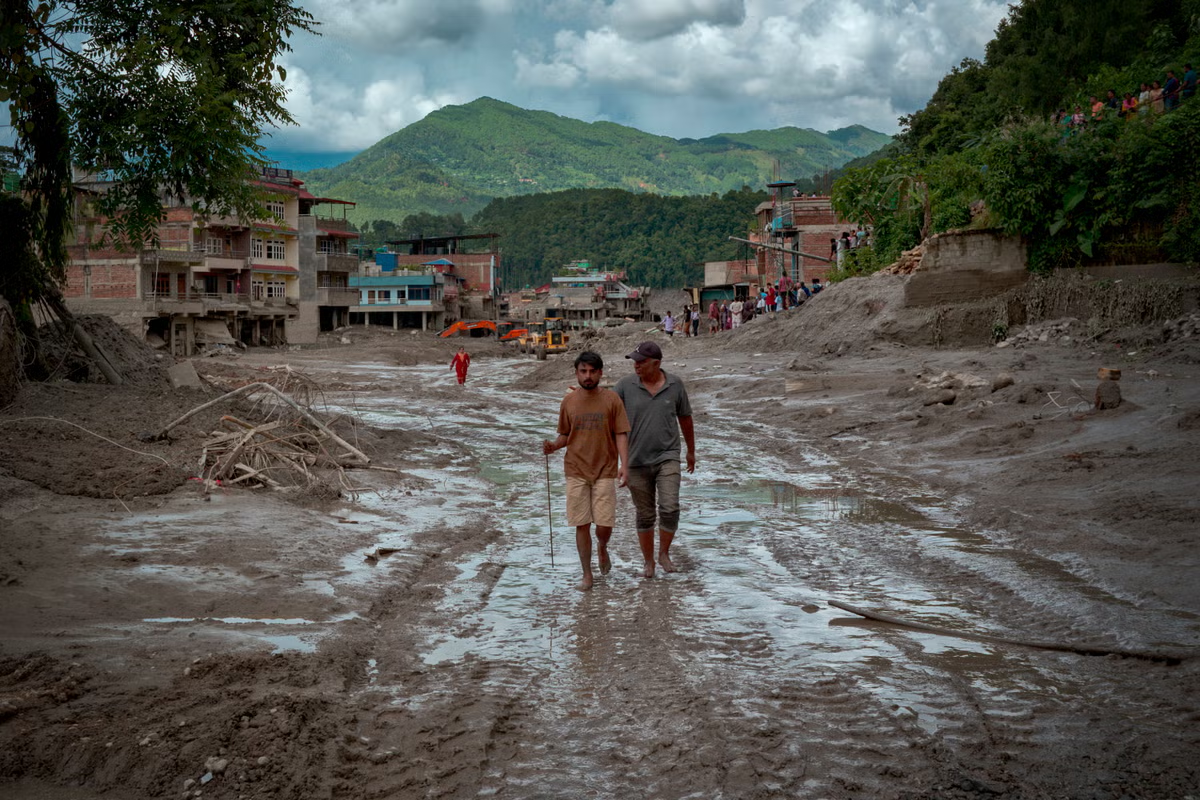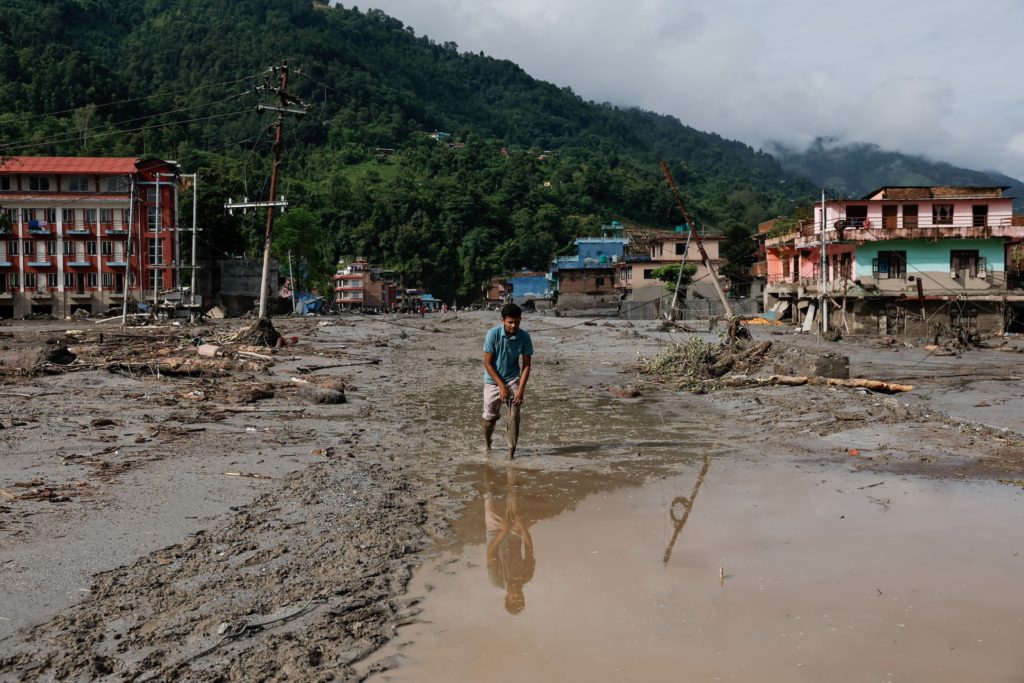
The scale of the disaster in the Himalayas is becoming clearer a day after catastrophic flooding tore through parts of Nepal and Tibet. Scientists believe the disaster was likely triggered by the collapse of a glacier, unleashing a torrent of water, mud and debris that swept away entire communities. Geoff Bennett discussed more with Dan Shugar of the waterSHED Lab at the University of Calgary.Notice: Transcripts are machine and human generated and lightly edited for accuracy. They may contain errors.
Amna Nawaz:
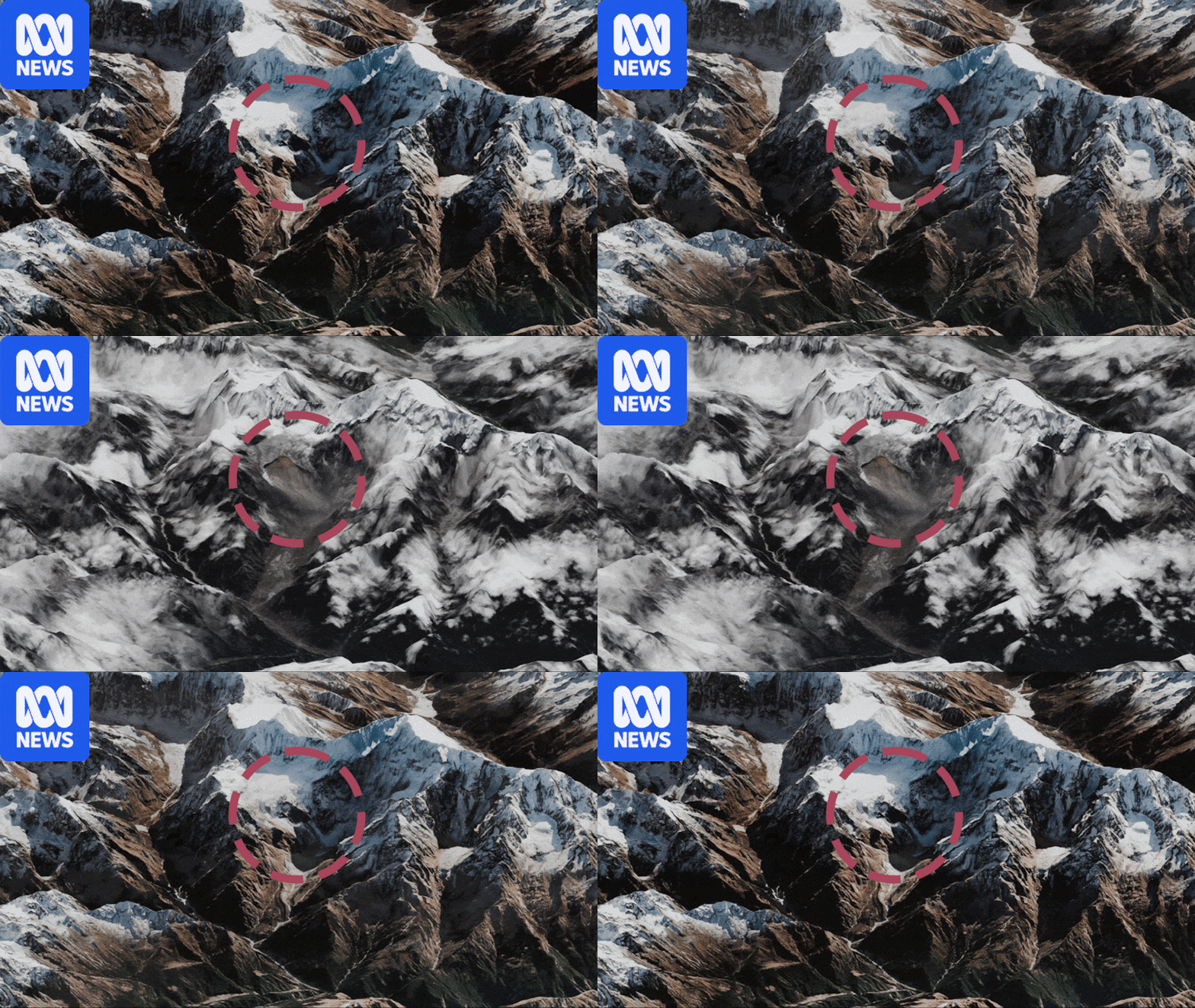
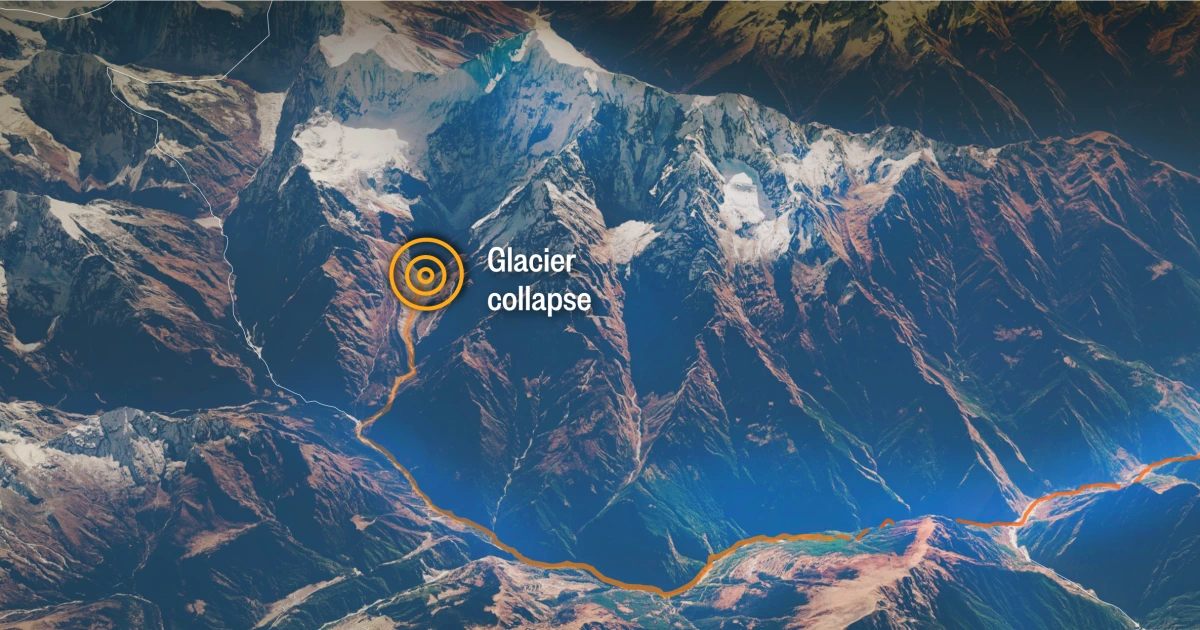
The scale of the disaster in the Himalayas is becoming clearer tonight after catastrophic flooding tore through parts of Nepal and neighboring Tibet. Scientists now believe the disaster was likely triggered by the collapse of a glacier high in the mountains, unleashing a torrent of water, mud, and debris that swept away bridges, roads, and entire communities.
Geoff Bennett:
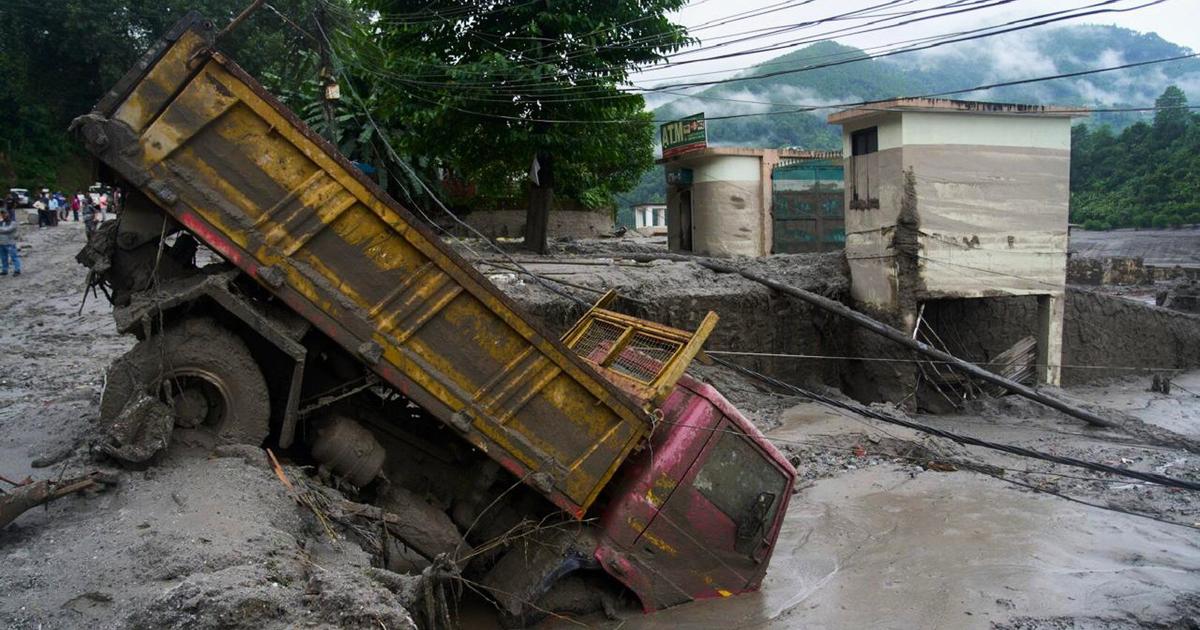
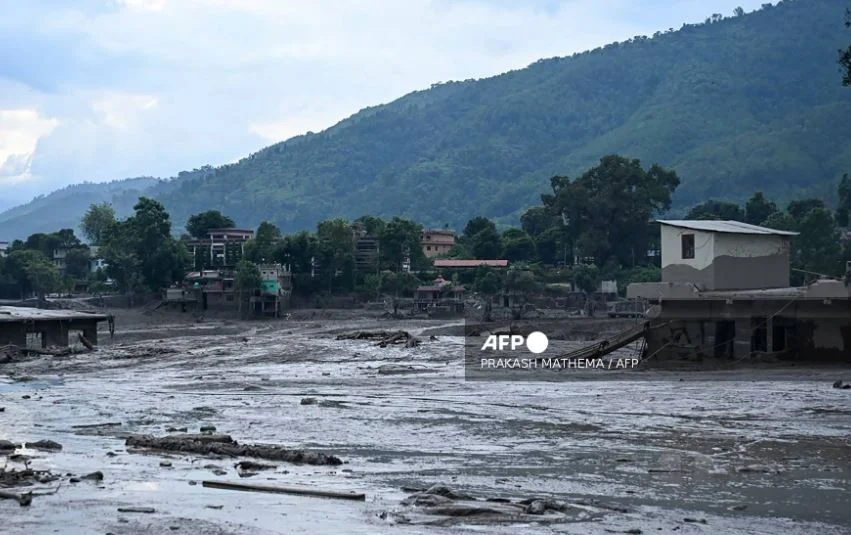
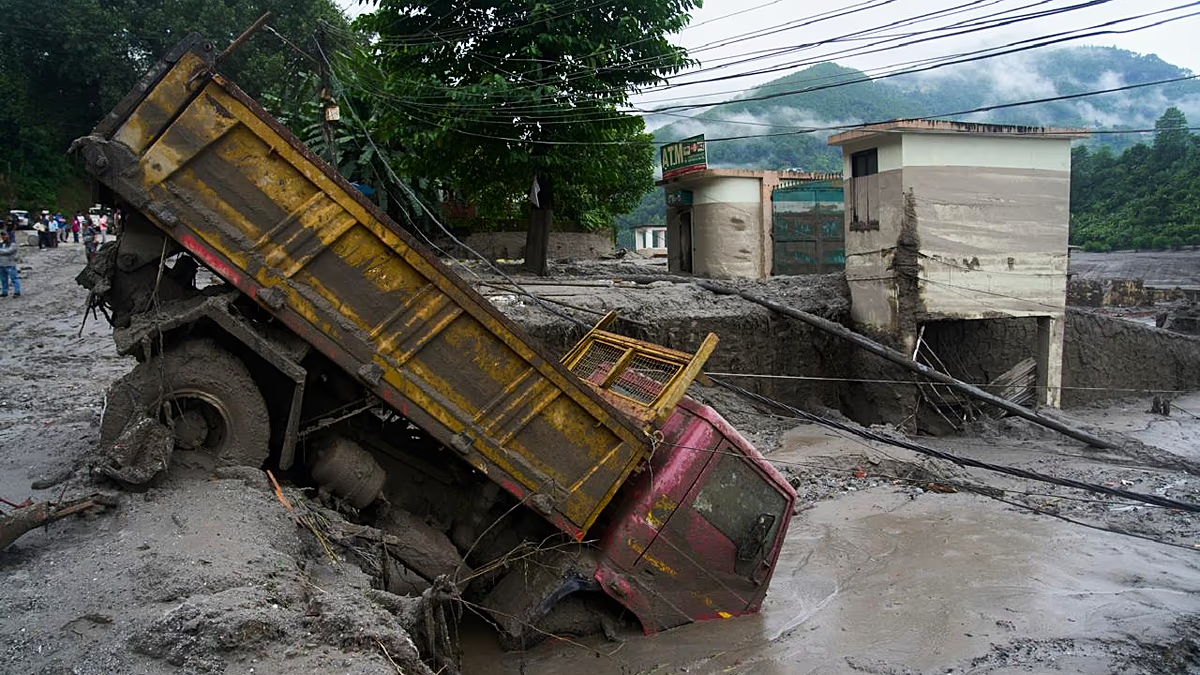
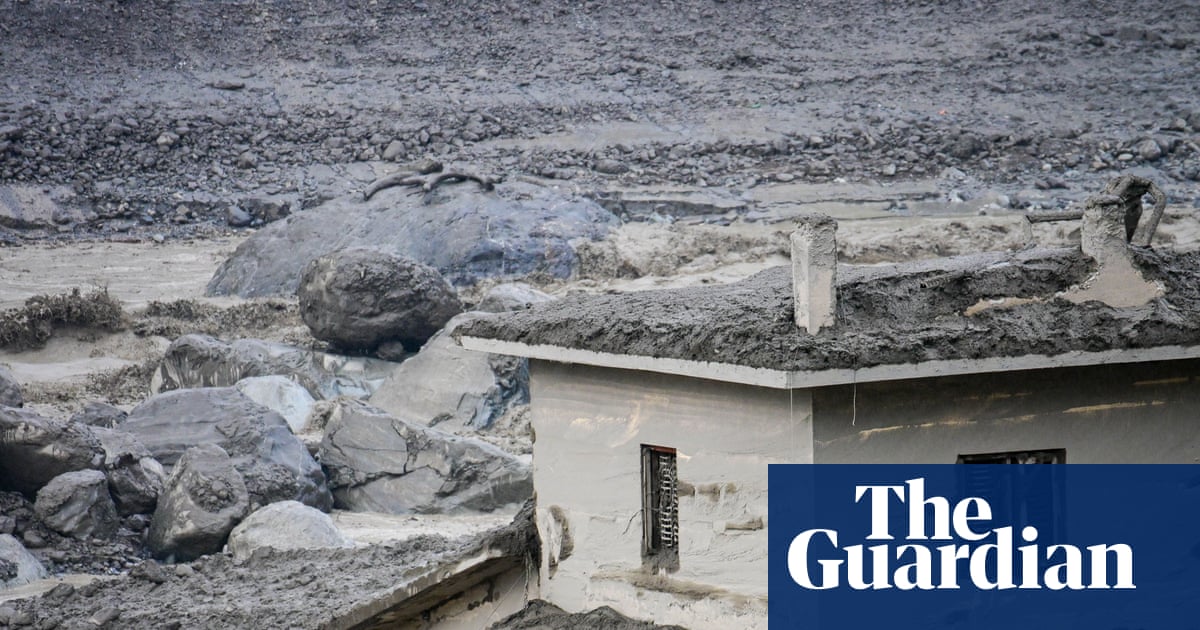
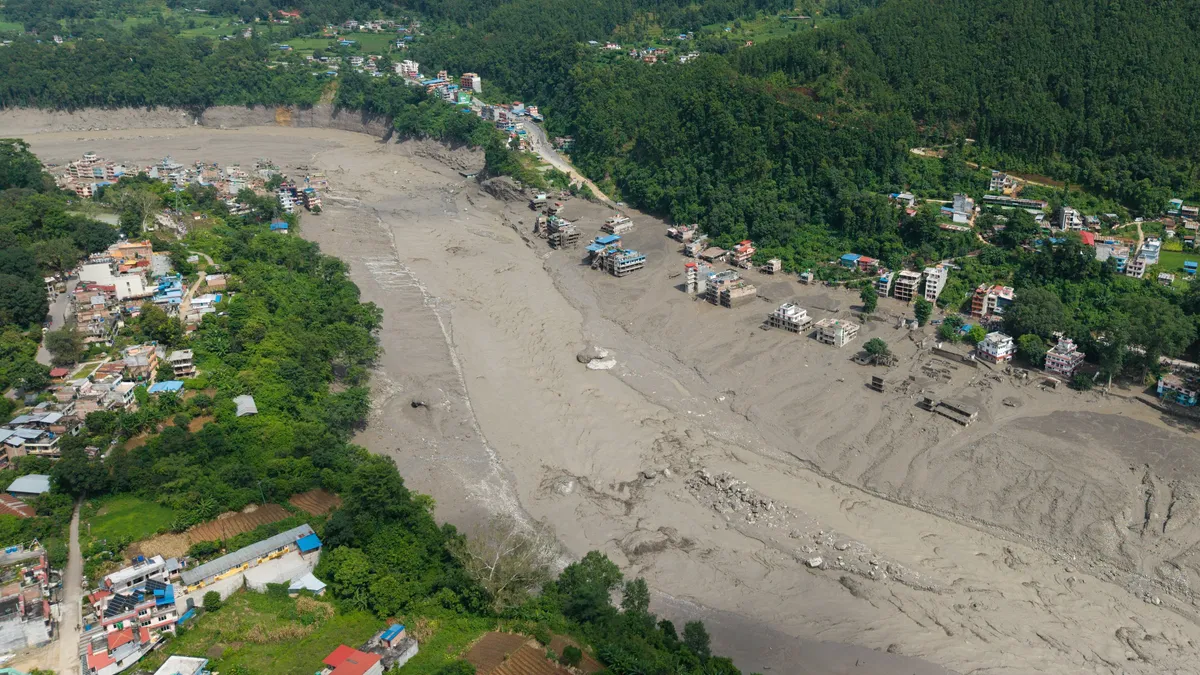
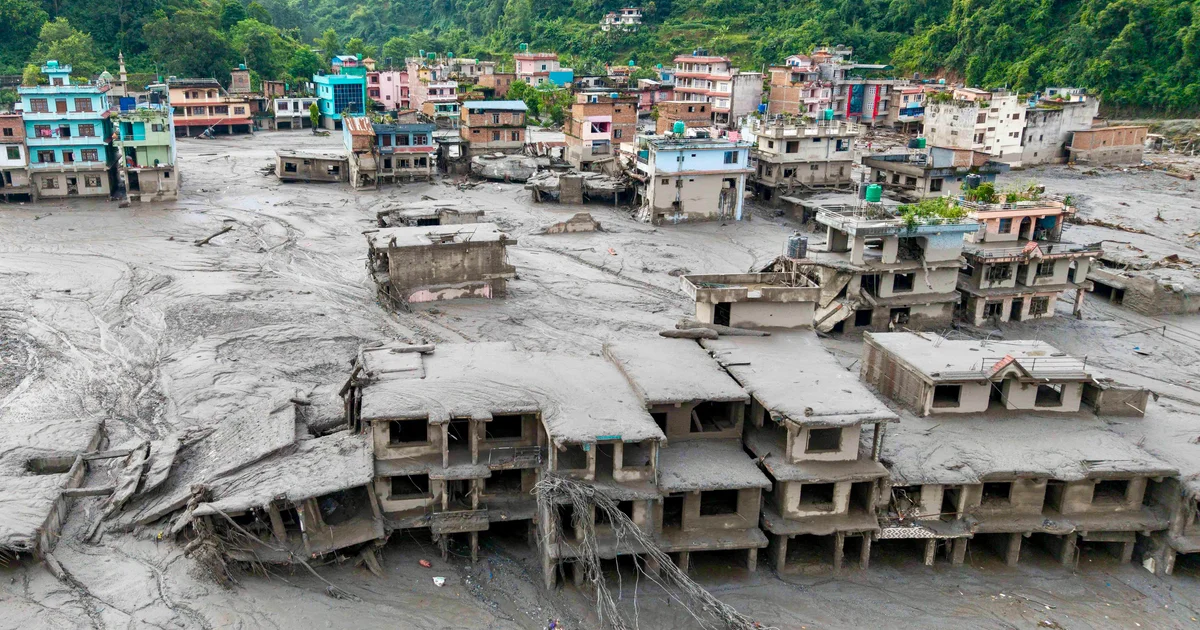
President Trump today called the devastation in Nepal brutal. The death toll stands at least 390, with more than 1,400 others still missing. That's as rescue crews race to reach survivors in some of the world's most difficult terrain.In the valleys that carve through the highest peaks in the world, villages are now buried in mud. This is Nepal's Nuwakot district. Yesterday's floods left behind a layer of sludge so high, it reached rooftops and trapped trucks as if in quicksand.Survivors recounted the terror as it all unfolded without warning.