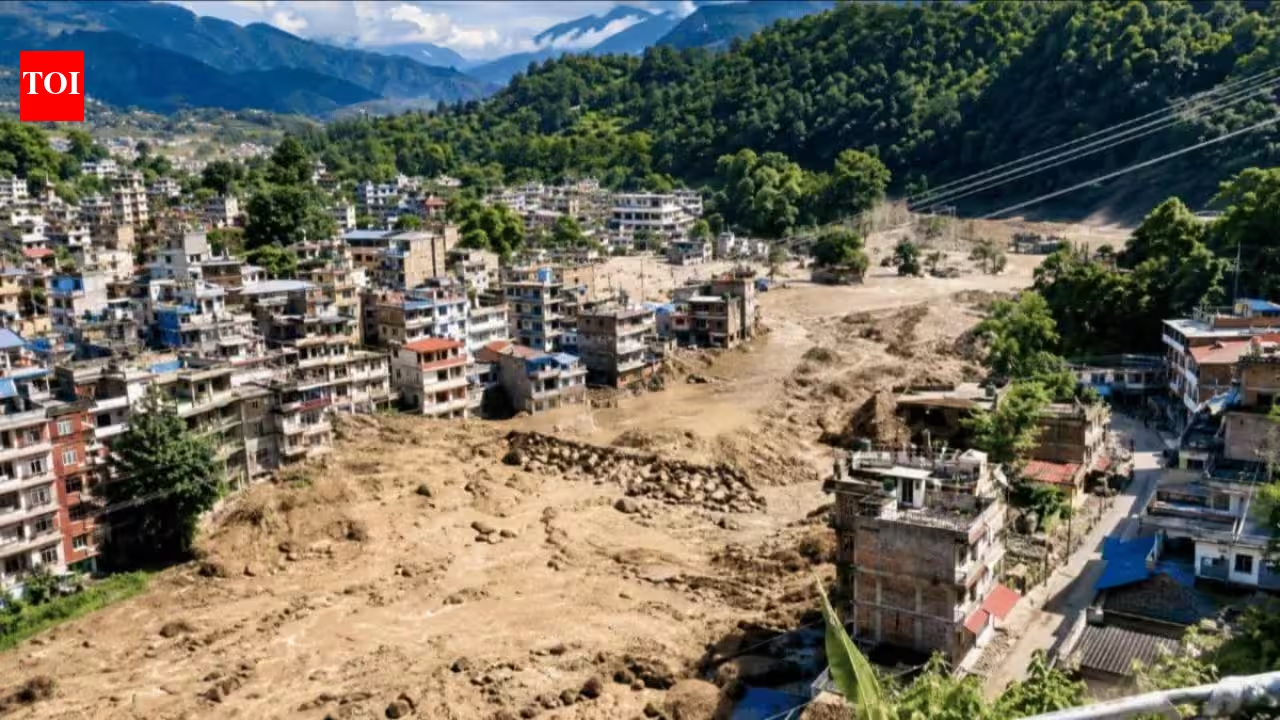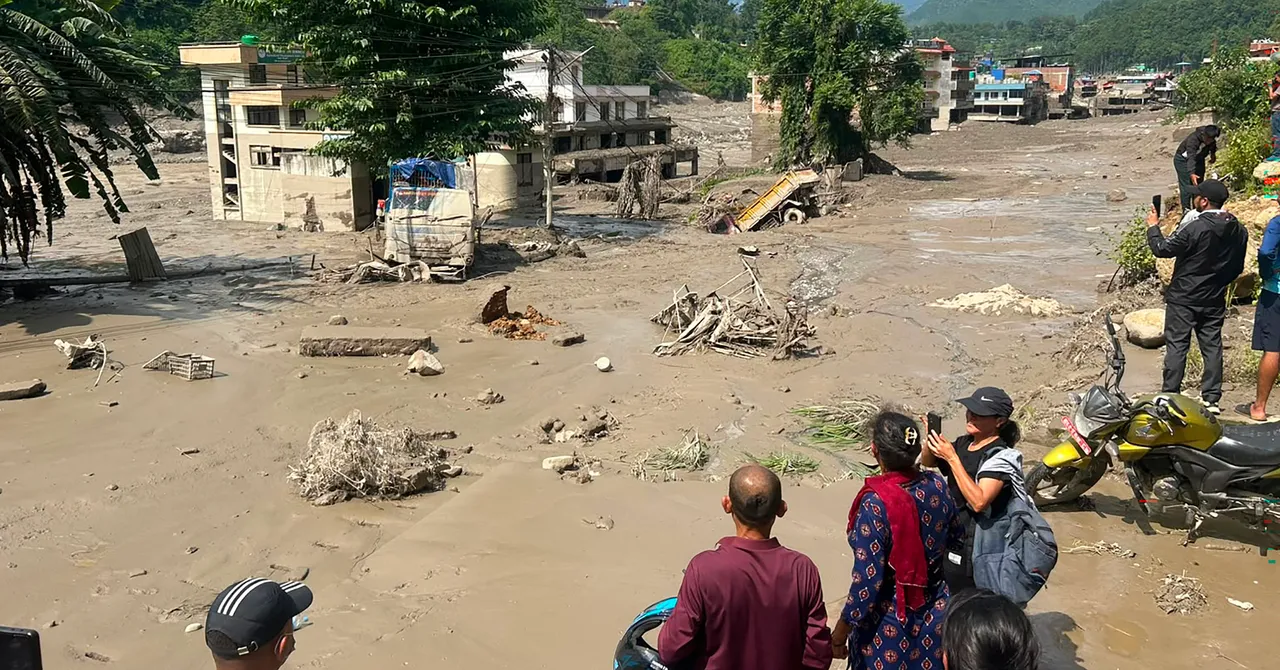
Did a massive glacial collapse in the Himalayas trigger the disaster and is climate change involved?
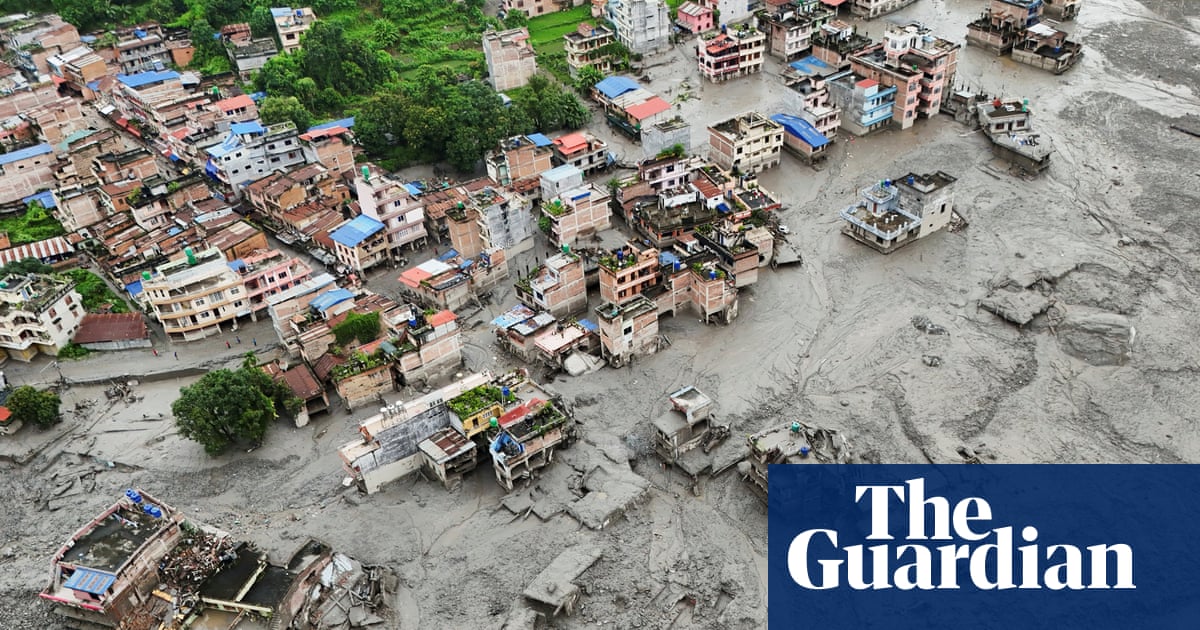
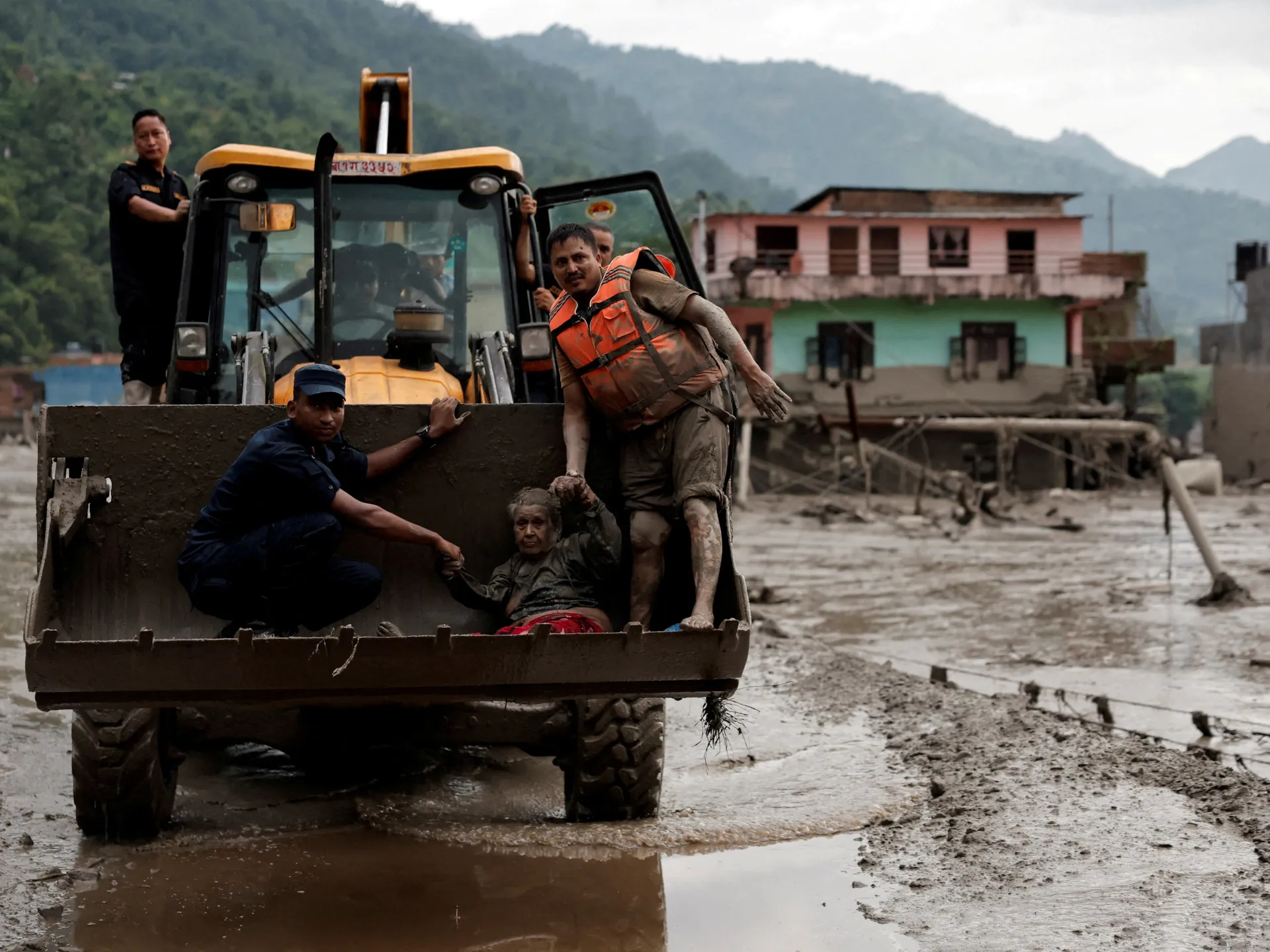
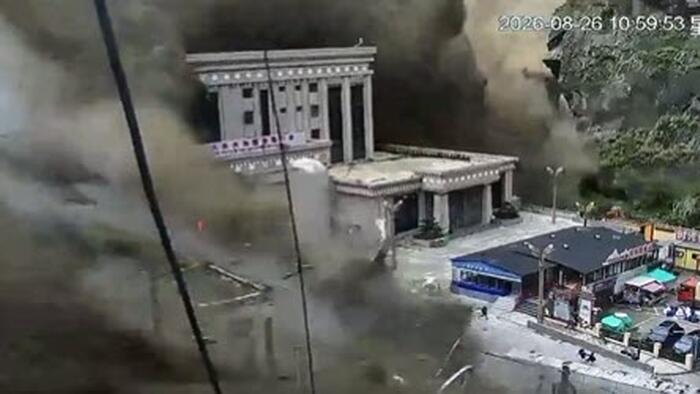
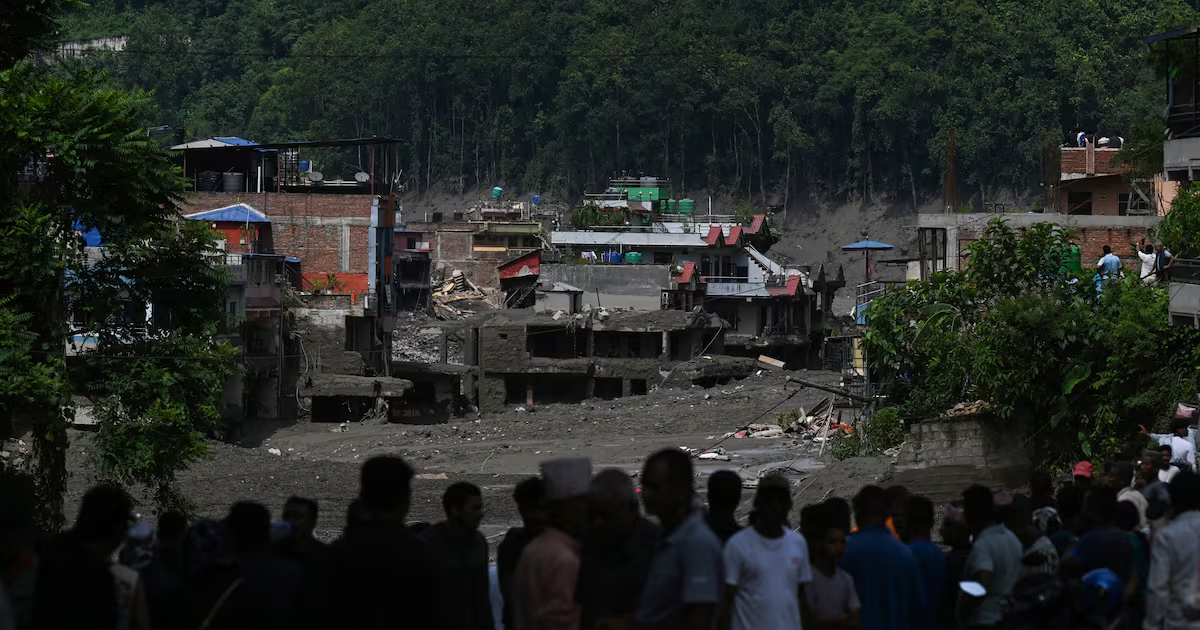
Flash floods that swept through the Nepal-Tibet border region on Wednesday have left scores dead and more than 1000 people missing. Here’s what we know so far, and what likely caused the disaster.
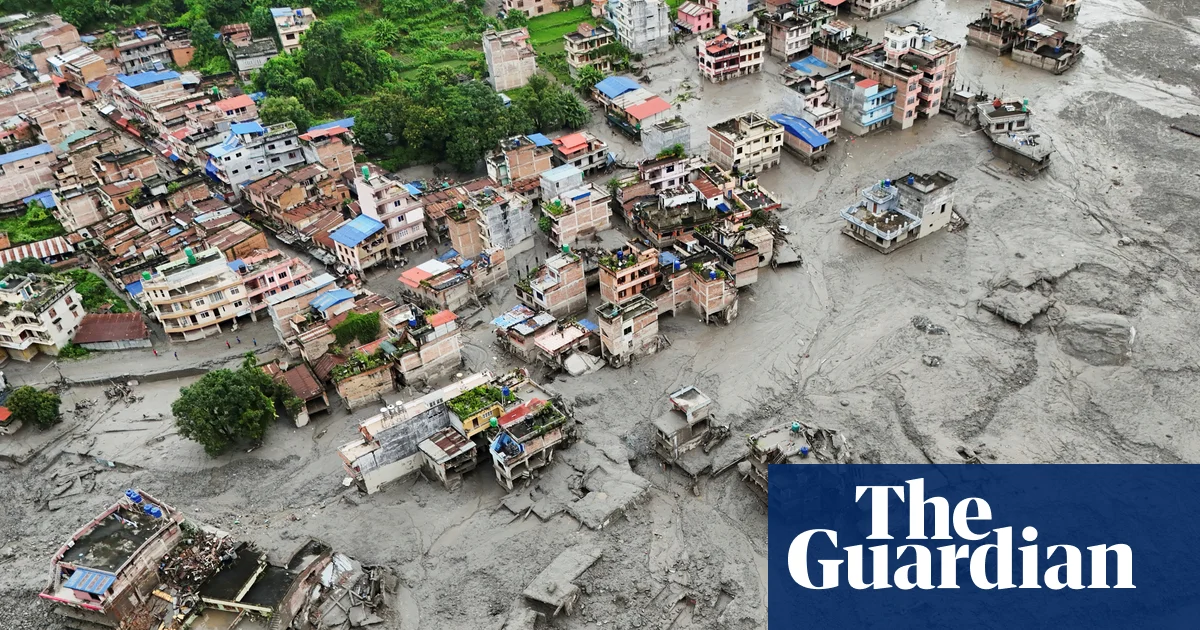
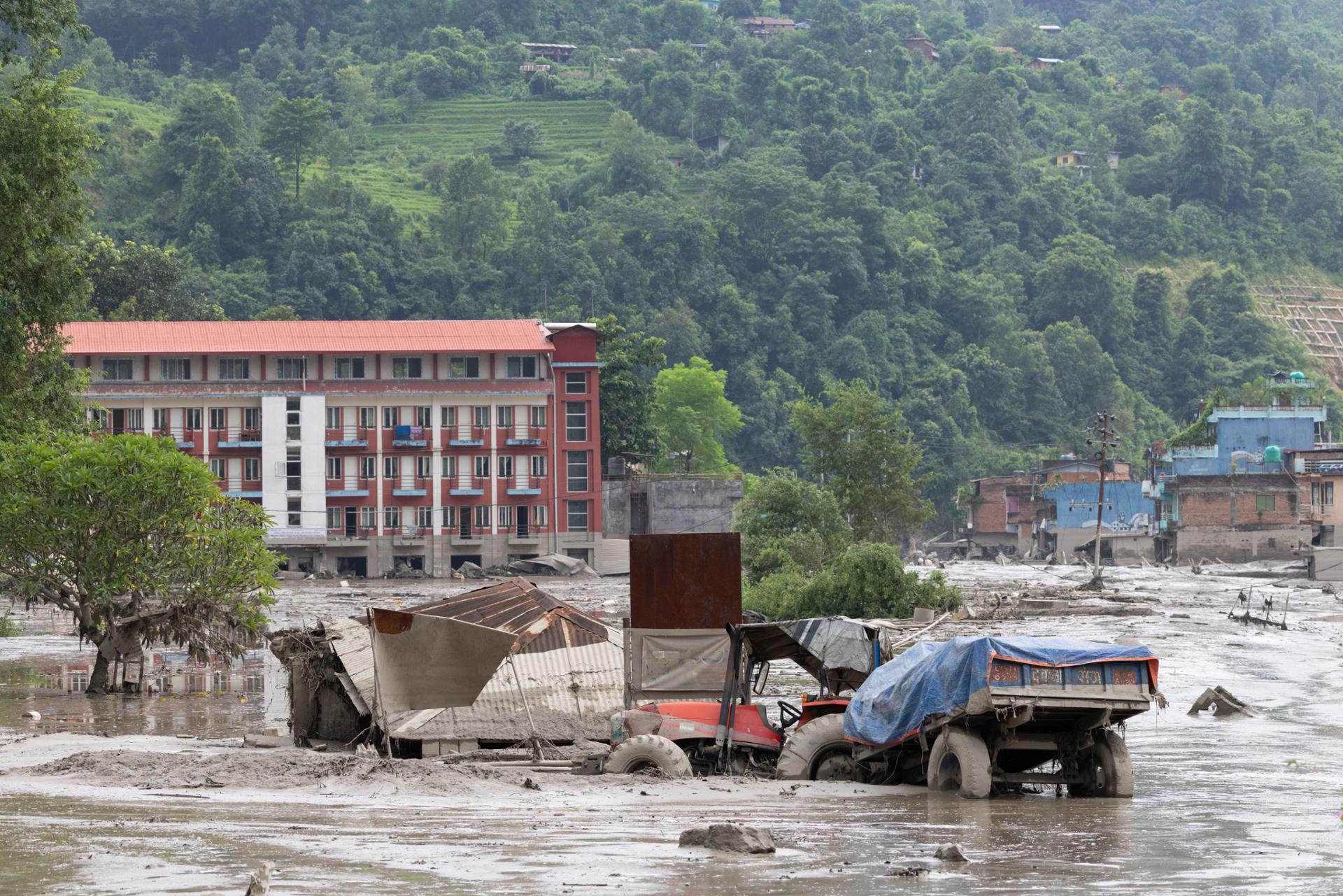
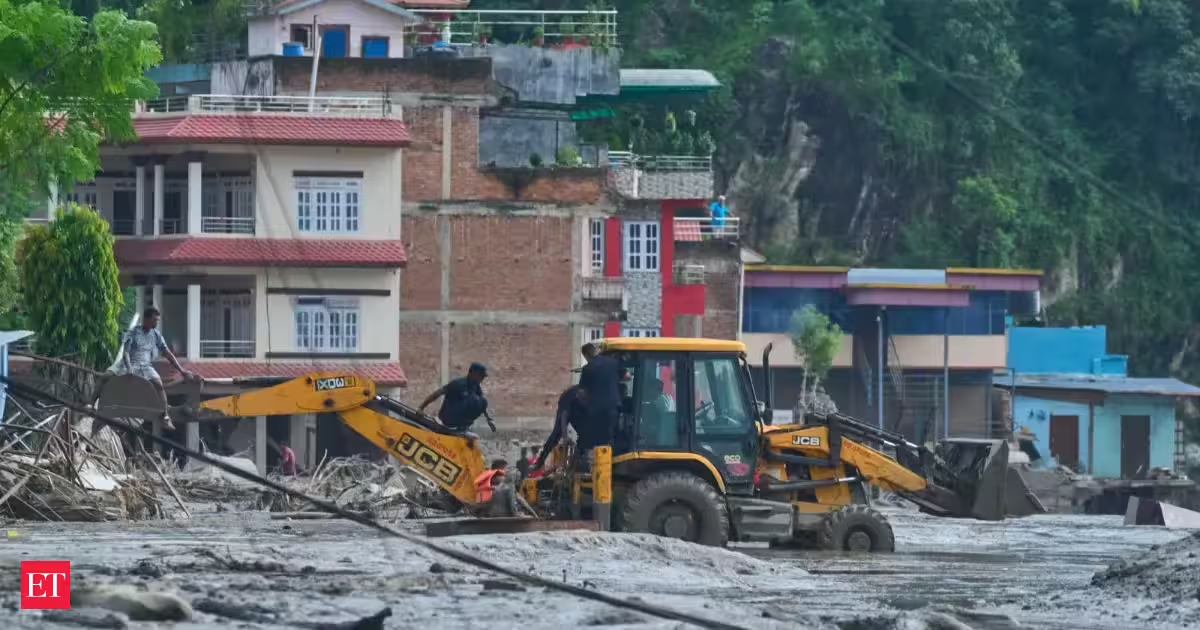
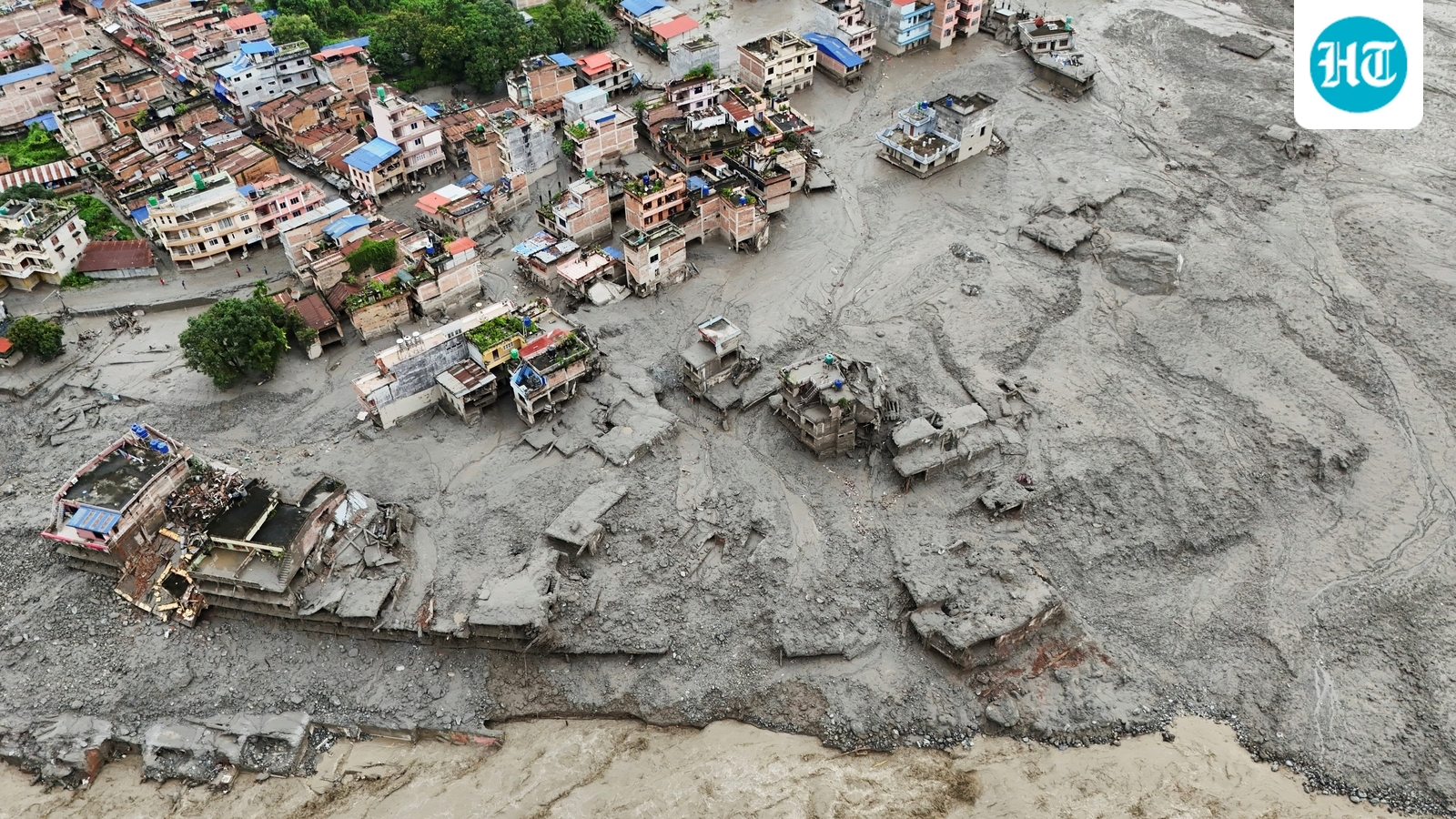
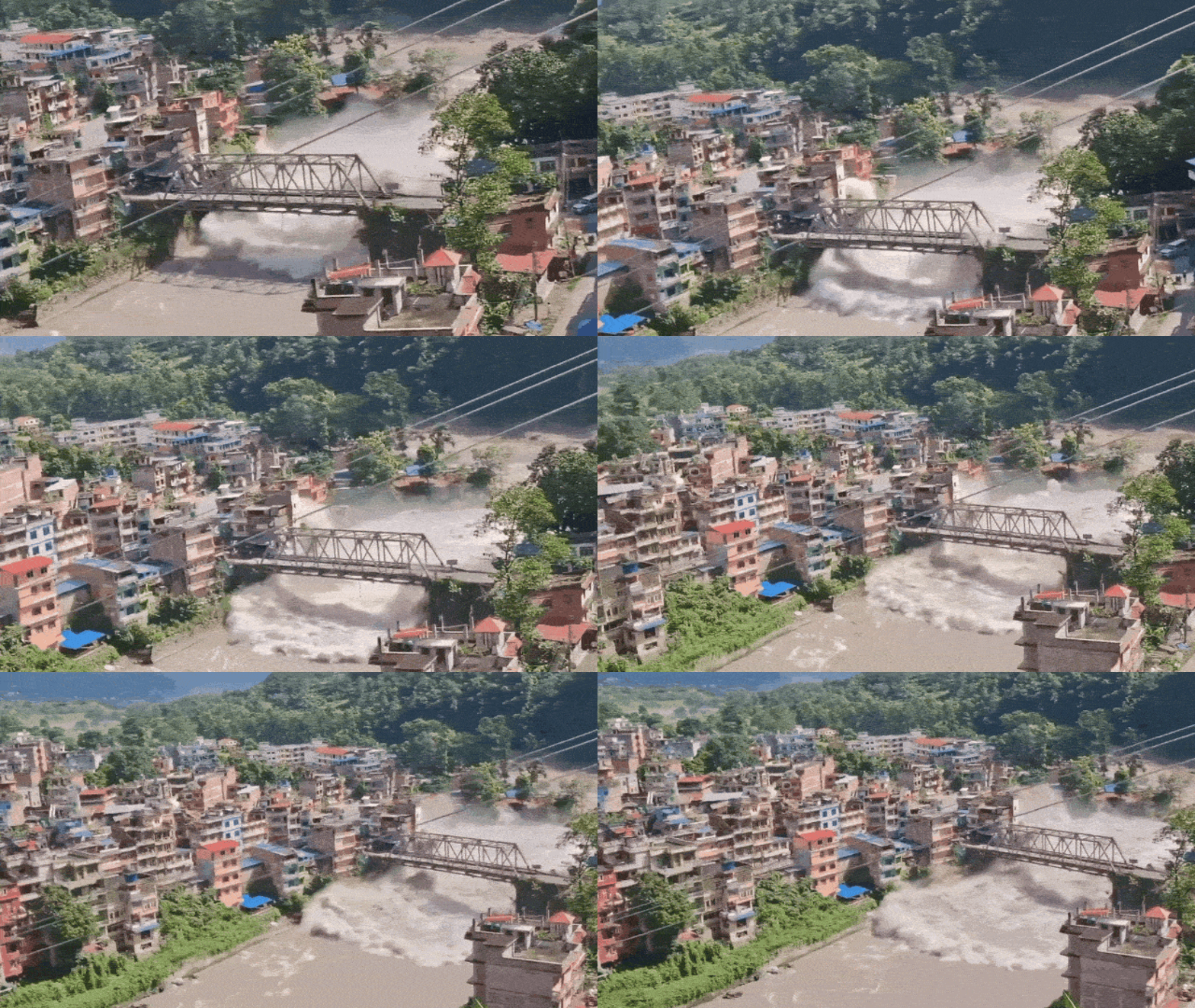
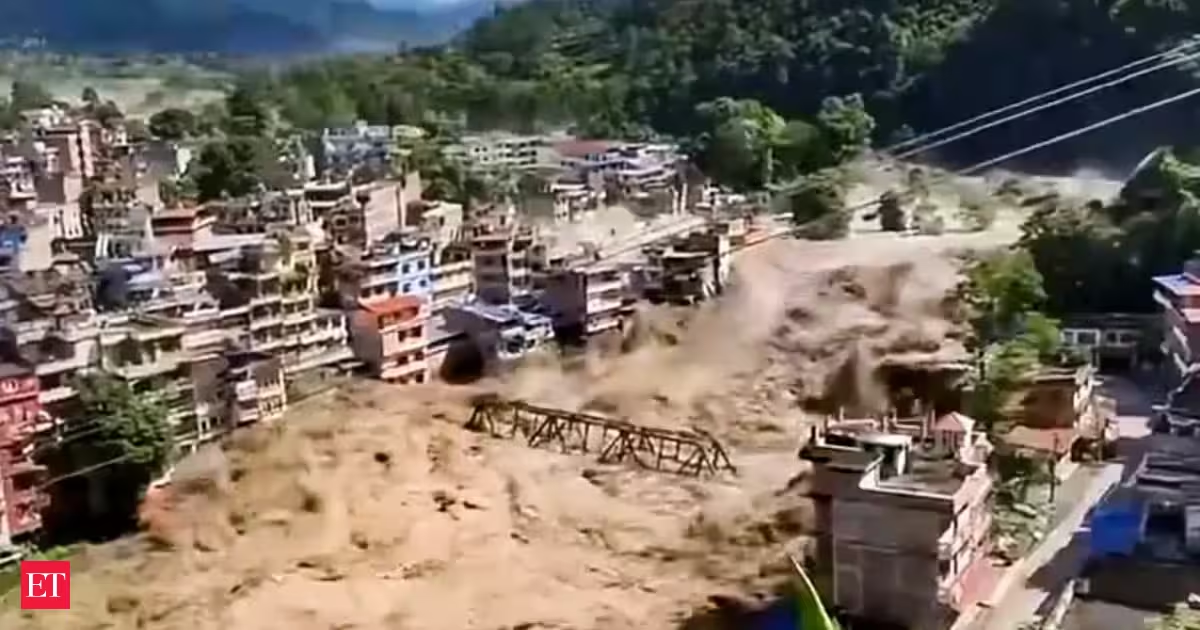
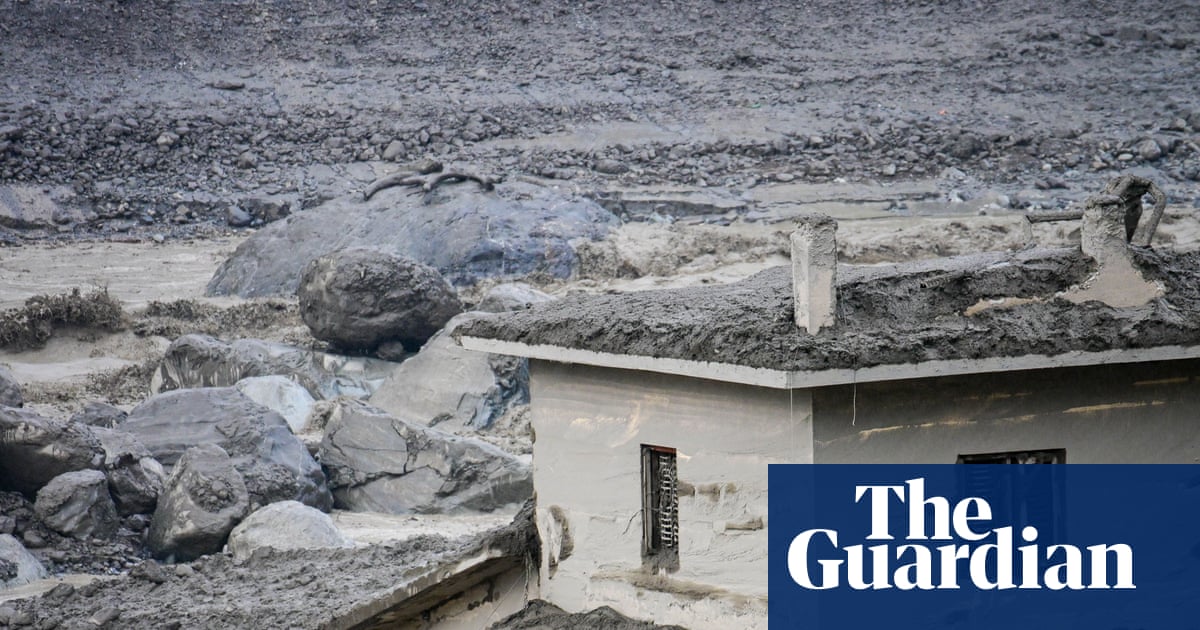
On Wednesday morning local time, a landslide of ice and rock resulted in a torrent of mud, water and debris bursting the banks of the Trishuli river, also known as the Bhotekoshi, which runs between China and Nepal. Homes, roads, bridges and power plants were swept away.
Officials in Nepal said 403 people, including 341 from foreign countries including India, the US, the UK, Australia, South Korea and Malaysia, had been reported missing. In Tibet, China’s state broadcaster said at least three people were killed and 265 were missing.
Experts at the Kathmandu-based International Centre for Integrated Mountain Development said water levels on the Trishuli river rose by as much as 9 meters in half an hour. The Lhende Khola river, a tributary of the Bhotekoshi, was most affected, they said.