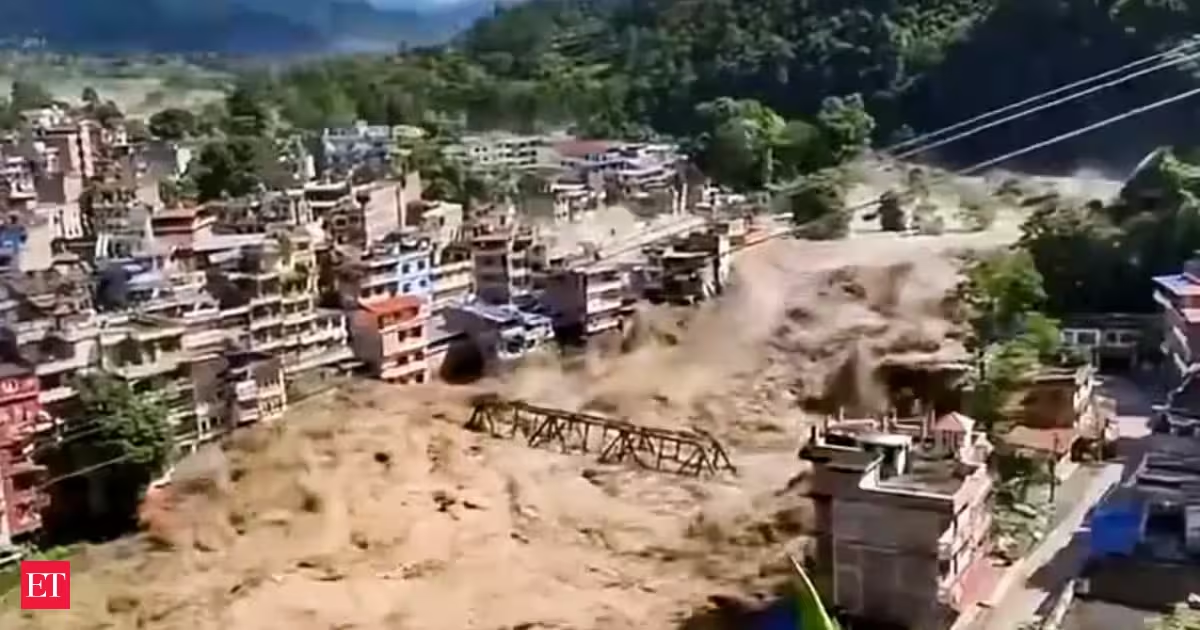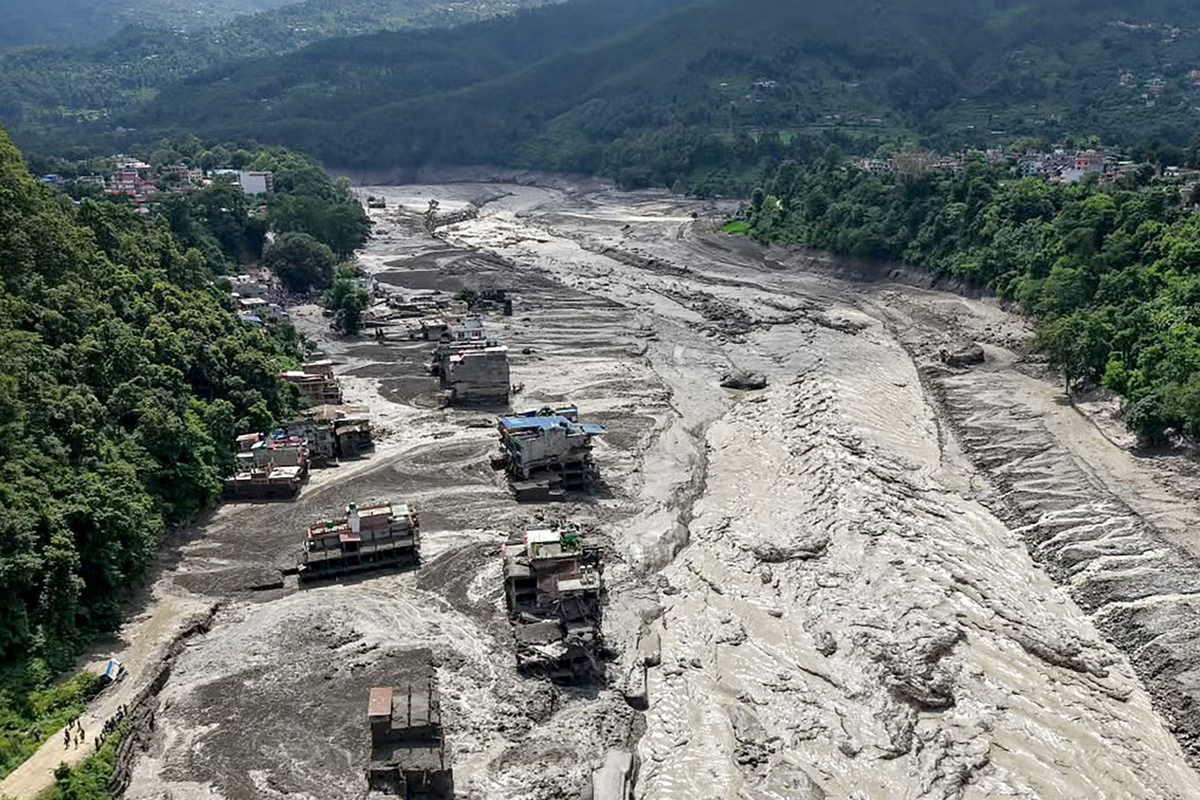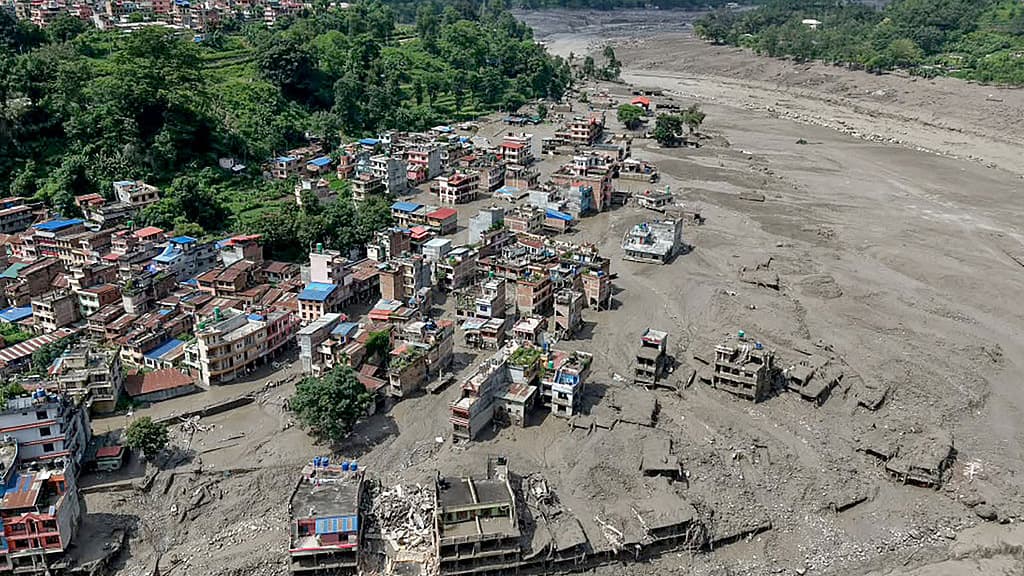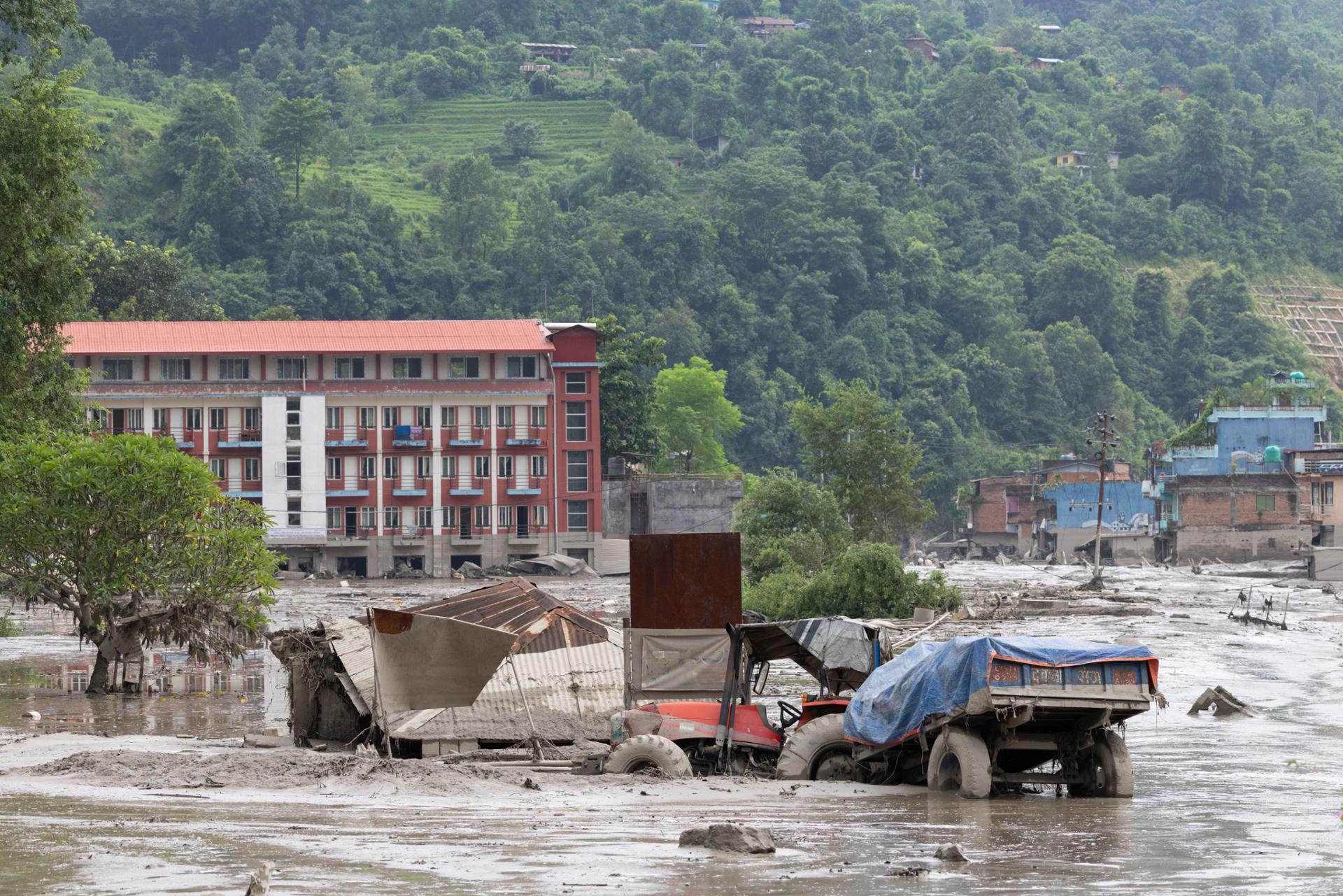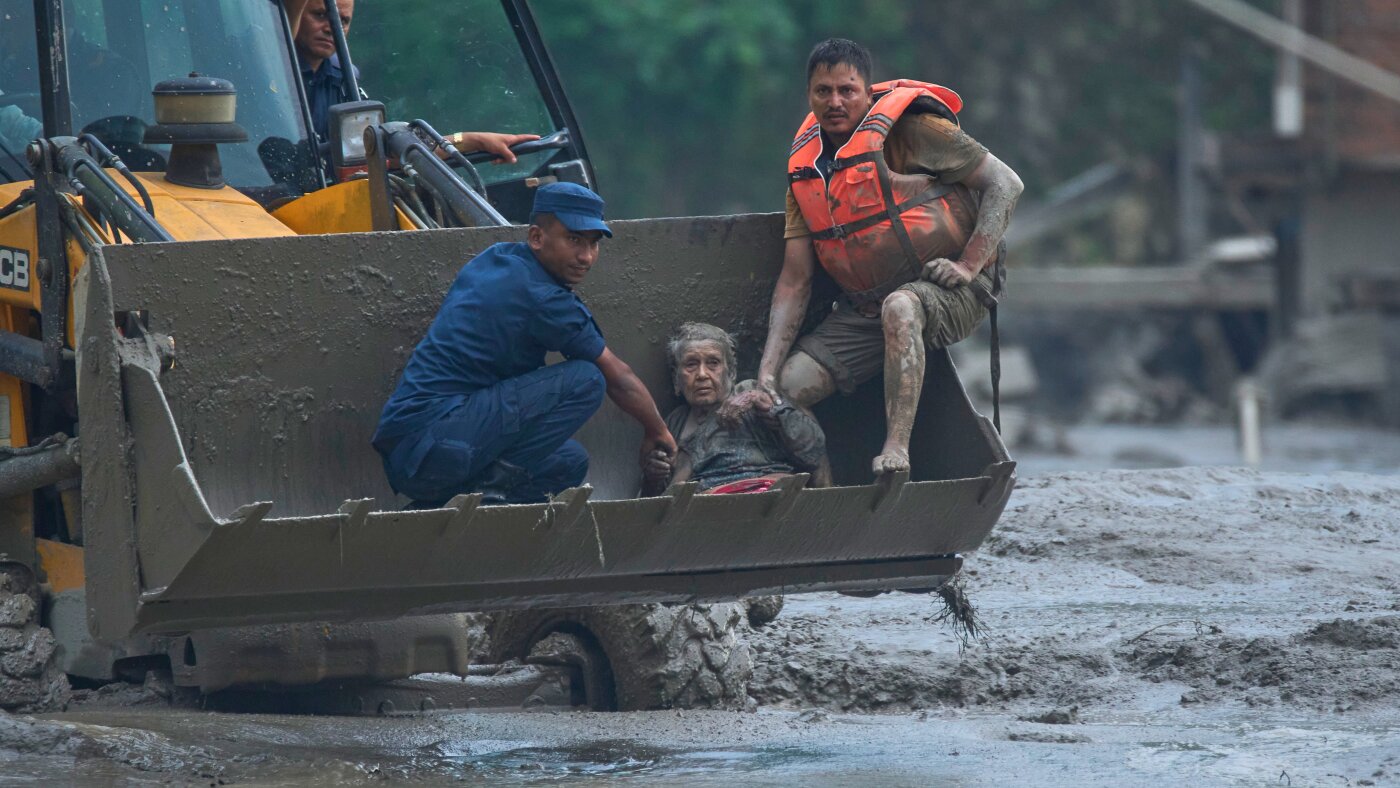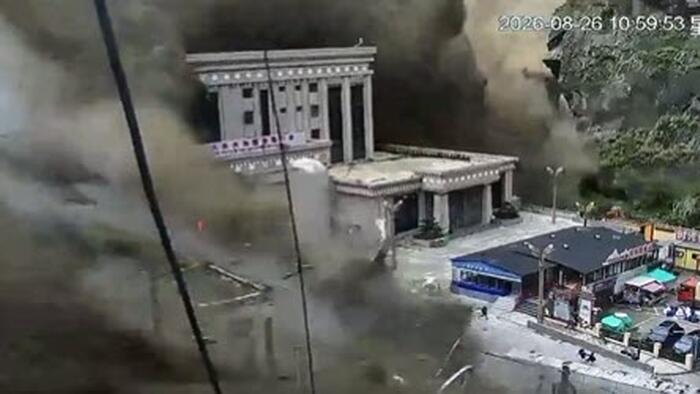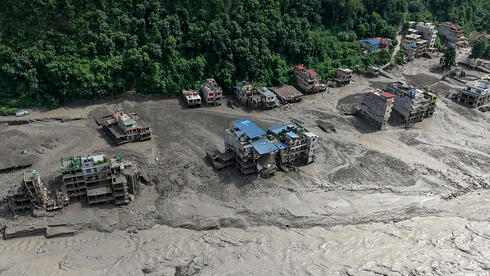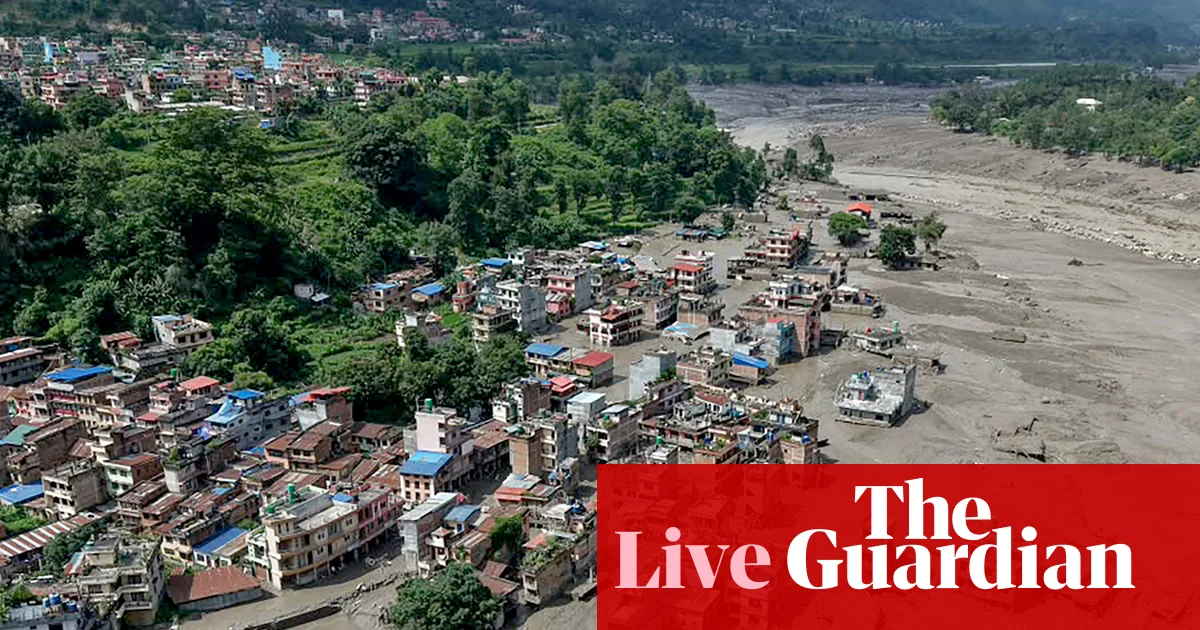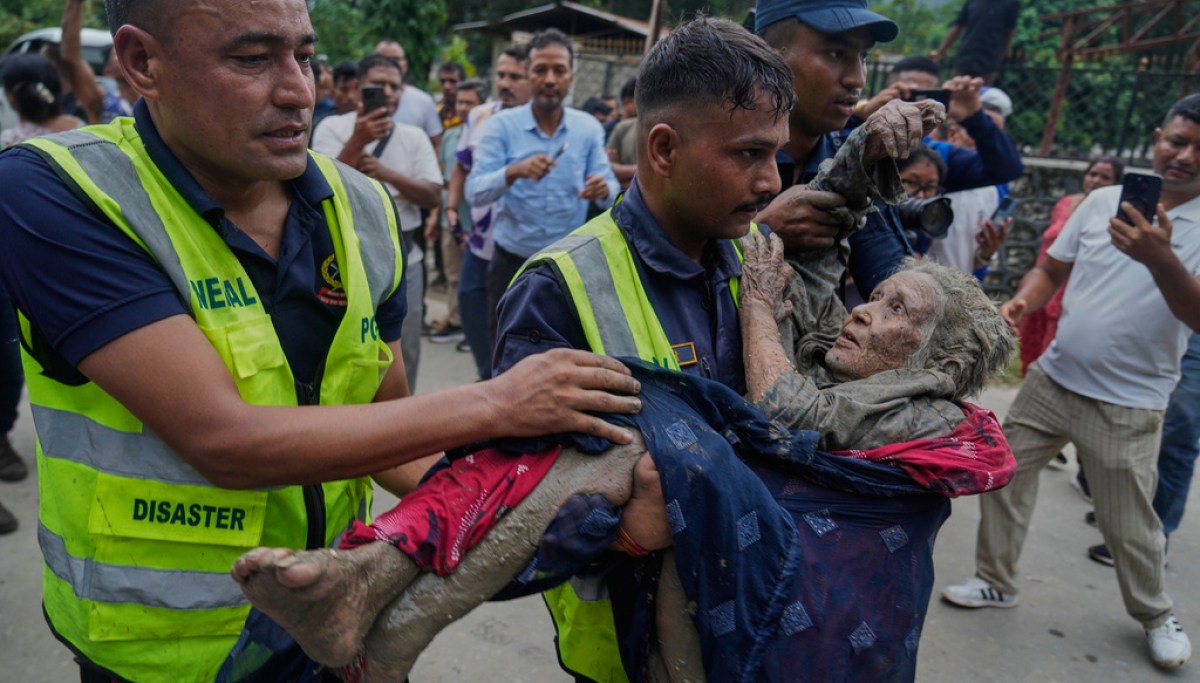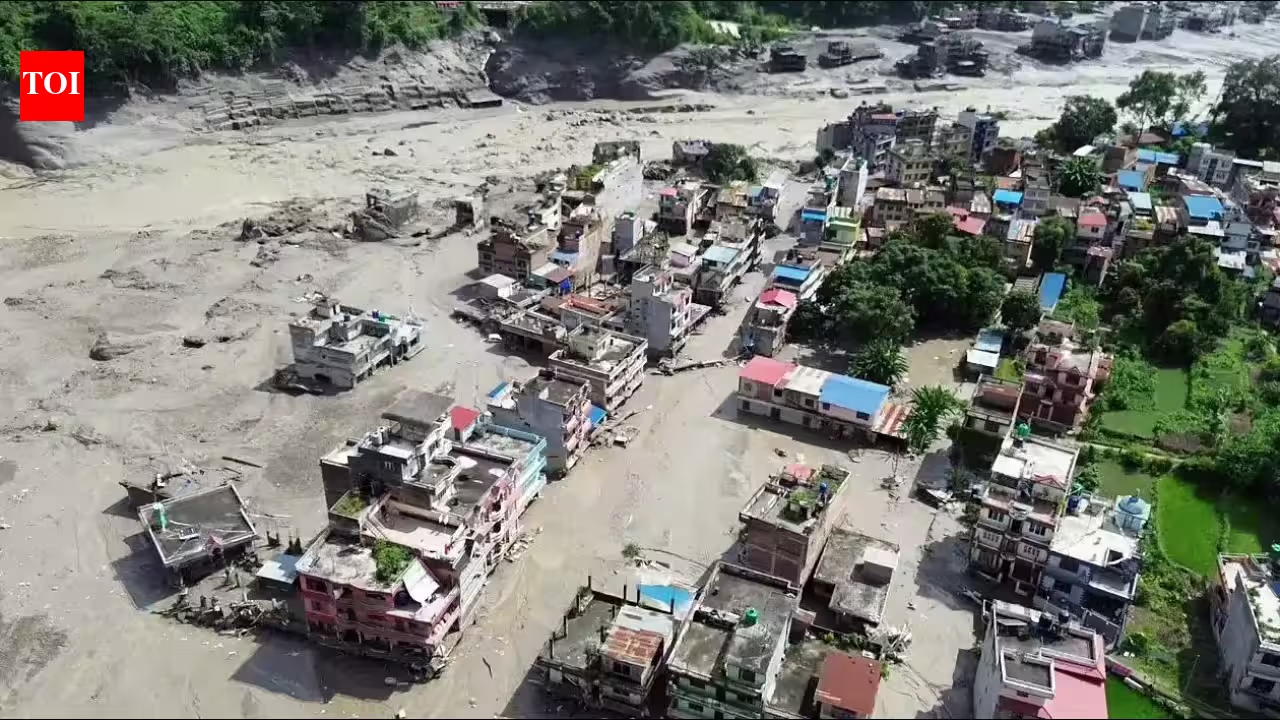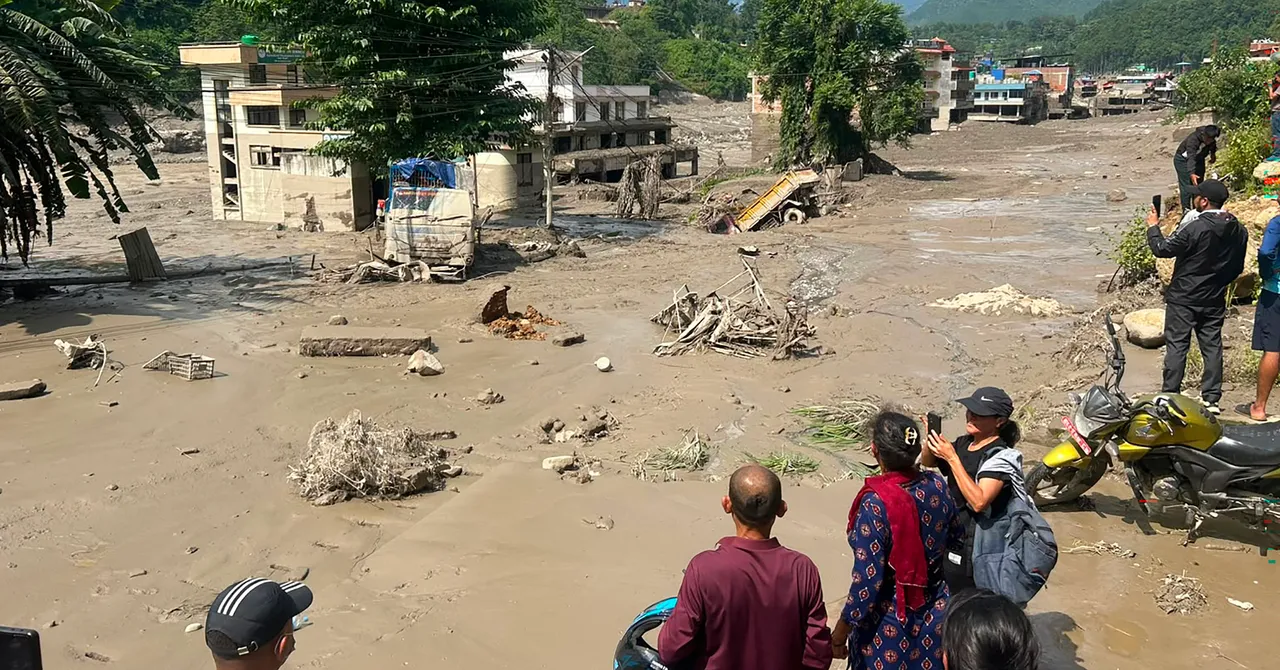
Roughly 160 people are dead and hundreds more—including dozens of international tourists—are missing after flash floods hit a region on the mountainous border of Nepal and Tibet on Wednesday. Devastating footage posted to social media shows people fleeing a wall of water that washed away buildings and vehicles.Initial analysis of satellite imagery and reports from the Nepalese government indicate that the flooding was likely triggered by a landslide caused after a piece of a glacier fell hundreds of feet.As the region warms, its ice is becoming increasingly unstable, raising the risk of catastrophic flooding.“The glaciers over there are definitely in retreat,” says Joseph Shea, an associate professor of geography at the University of Northern British Columbia. “There’s a lot of glacier mass up there, but we’re seeing thinning, we’re seeing retreating.”Since 2000, the world’s glaciers have lost 5 percent of their ice, with much more drastic impacts in certain regions. Nepal’s glaciers lost nearly a quarter of their area between 1970 and 2010. More than 160 smaller glaciers in the country, research has found, have vanished entirely.A recent study finds that 40 percent of the world’s glacial ice could disappear if the world does not keep warming under 1.5 degrees Celsius.Before and after imagery shows debris left behind by the floods.
How Rising Temperatures Likely Contributed to Nepal’s Deadly Flood
Climate change is causing glaciers to retreat and become less stable, upping the odds of catastrophic collapses.
542 words~2 min read