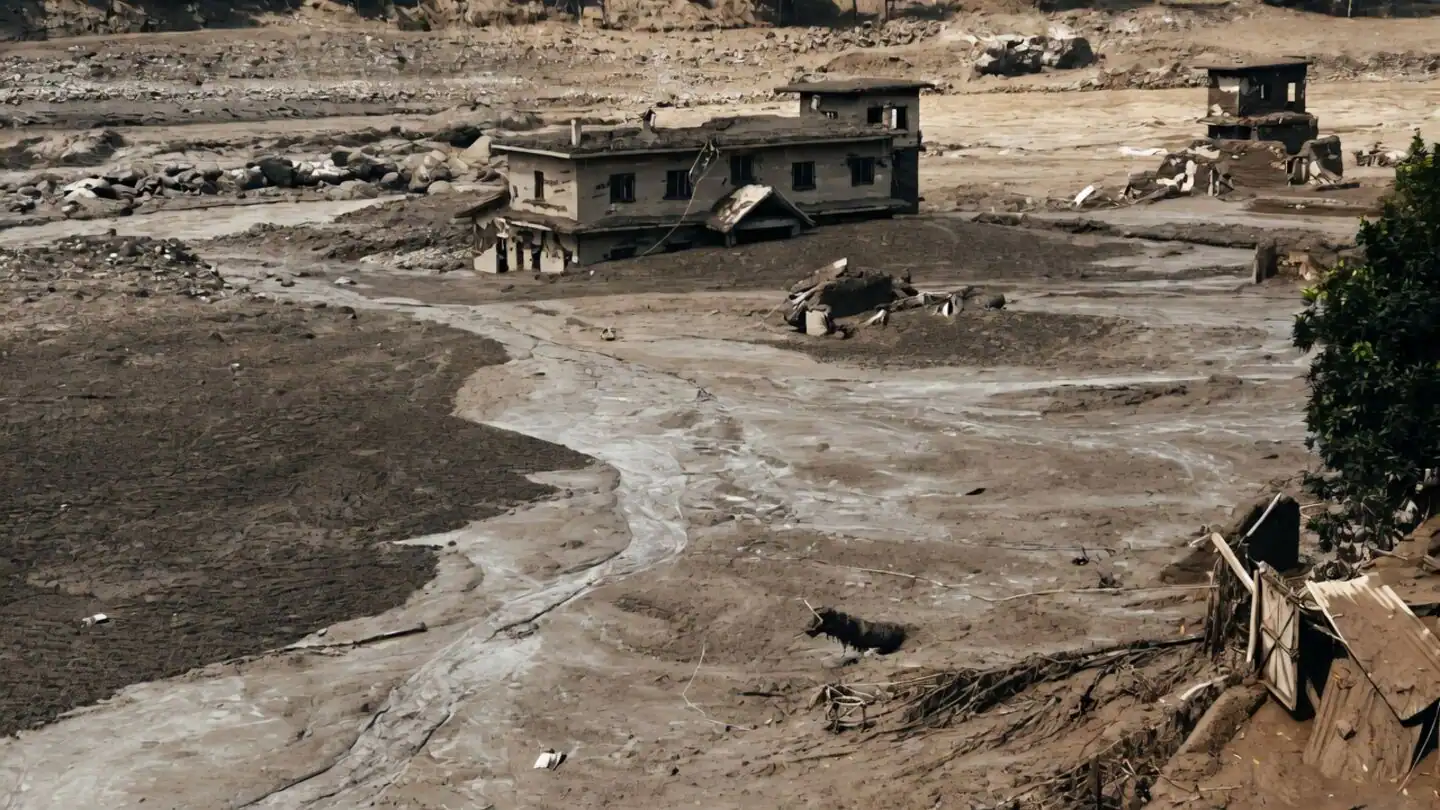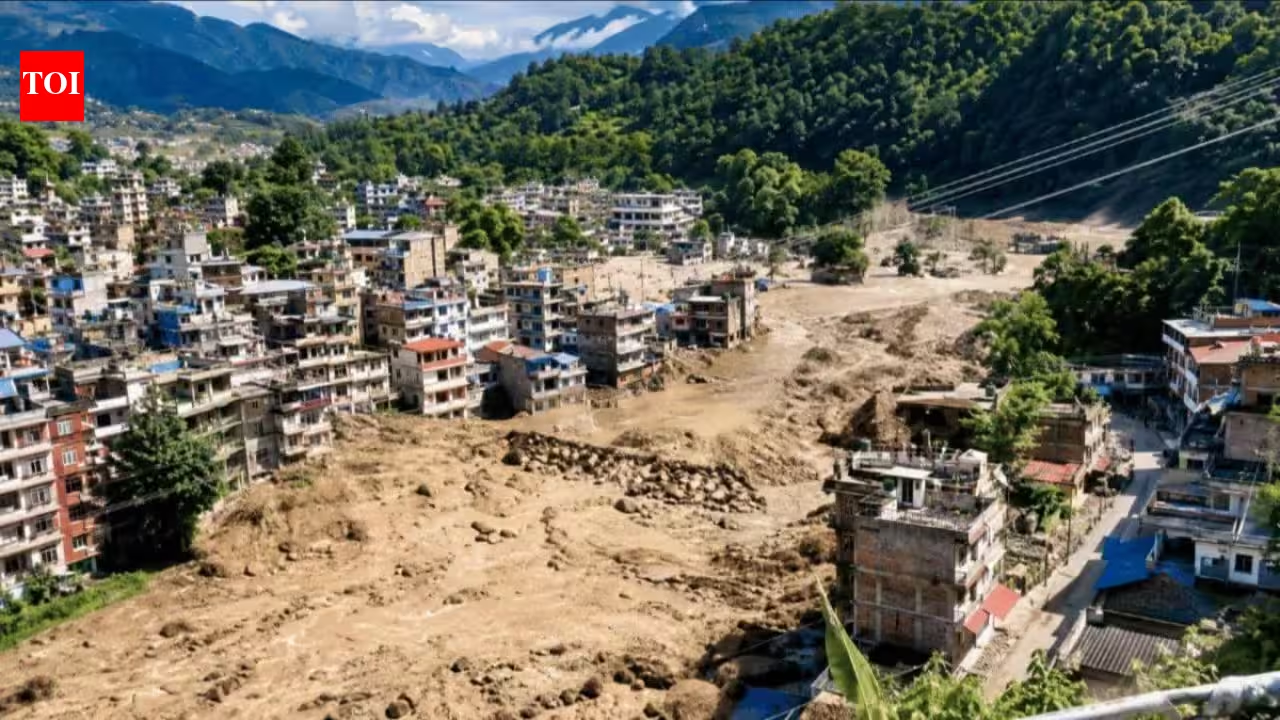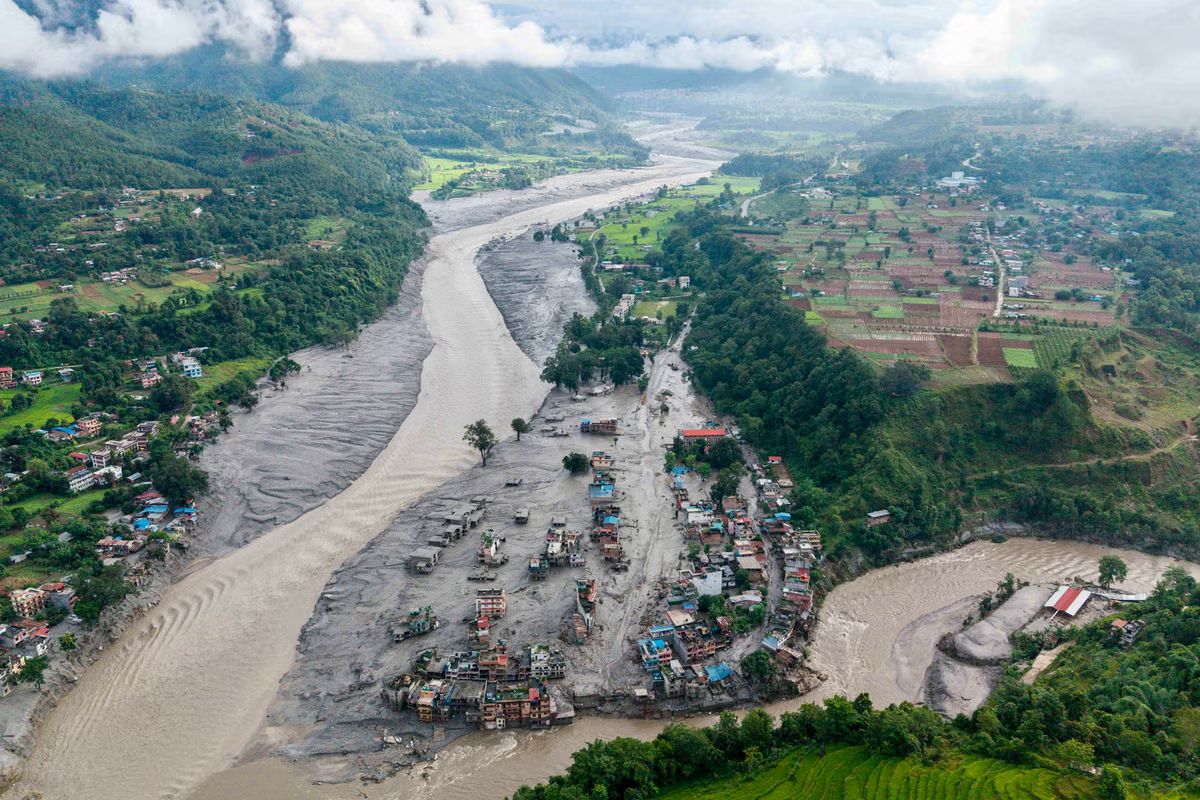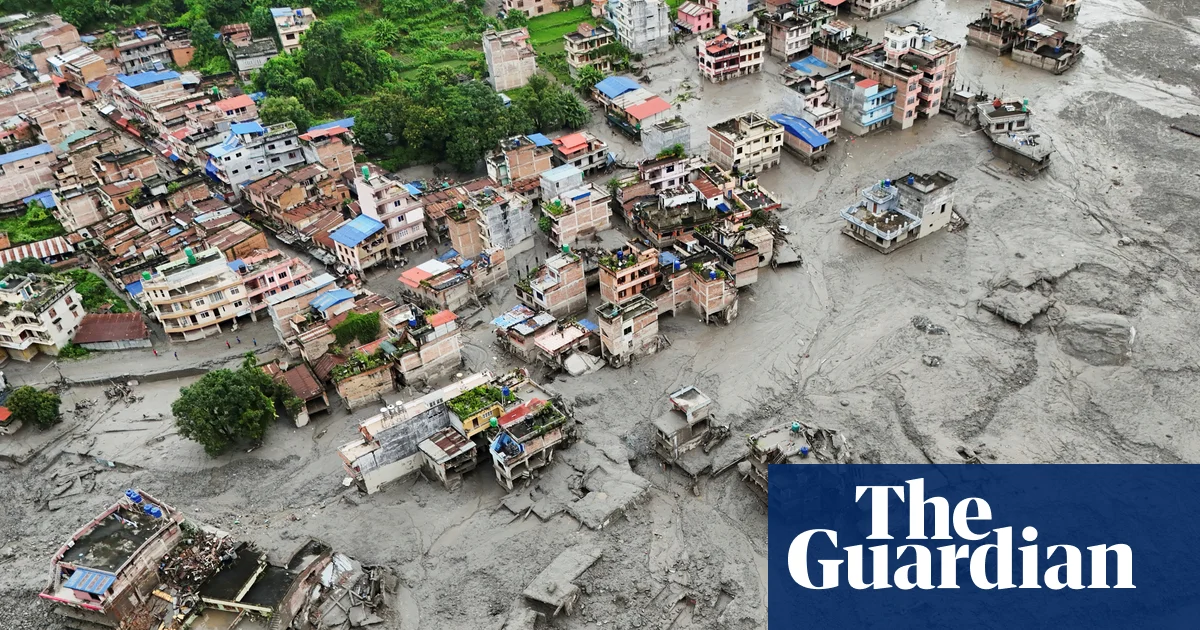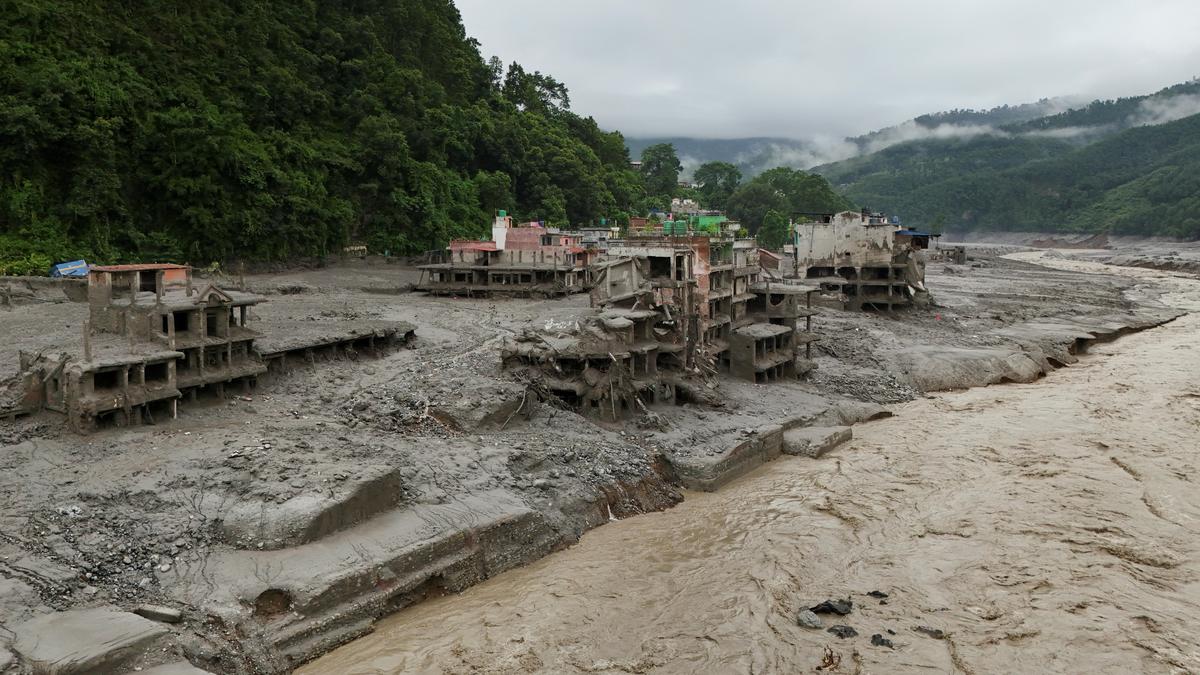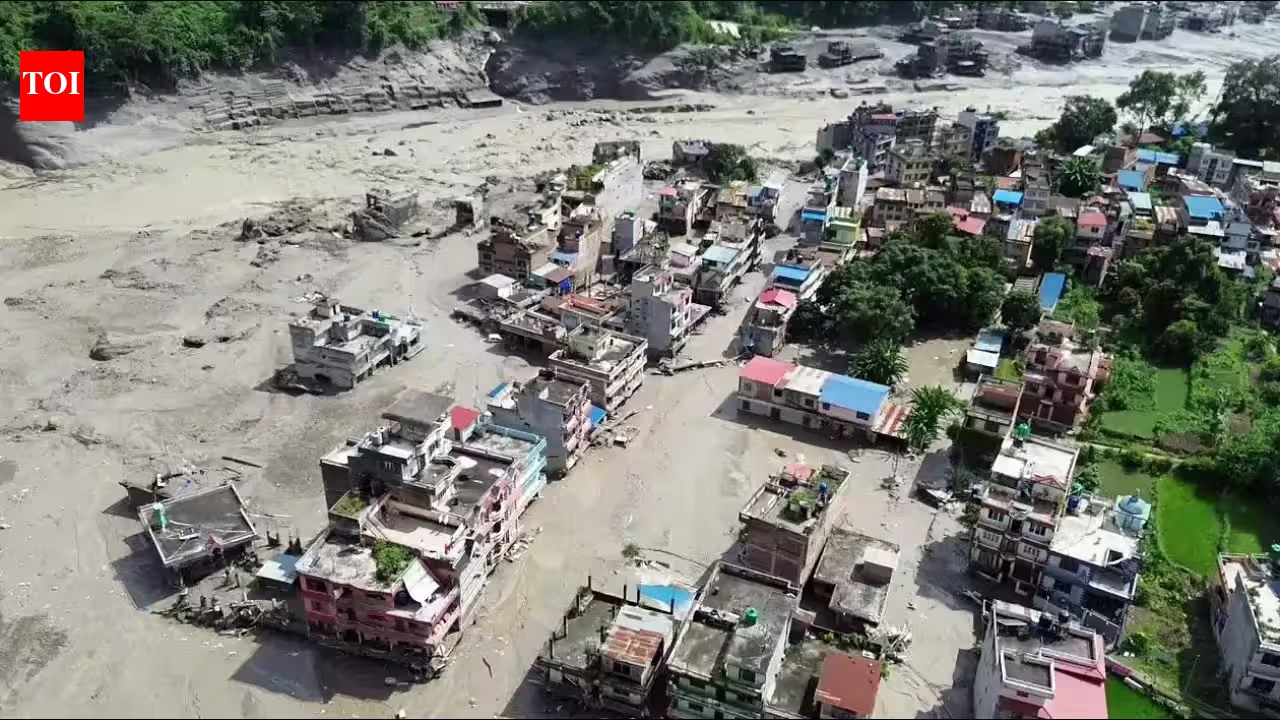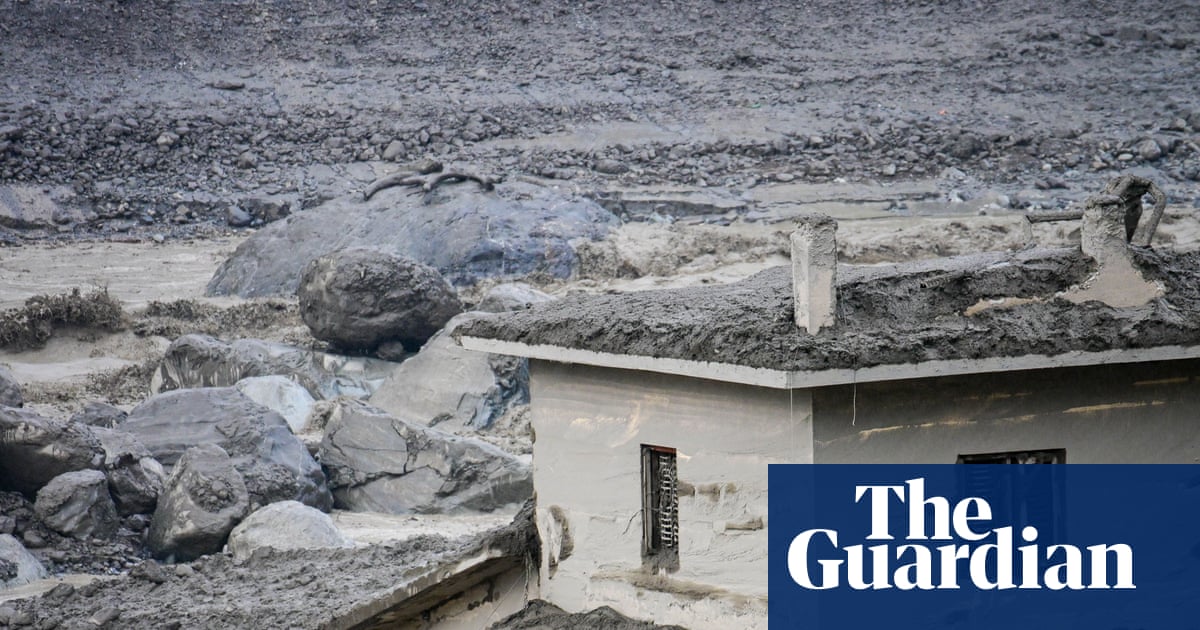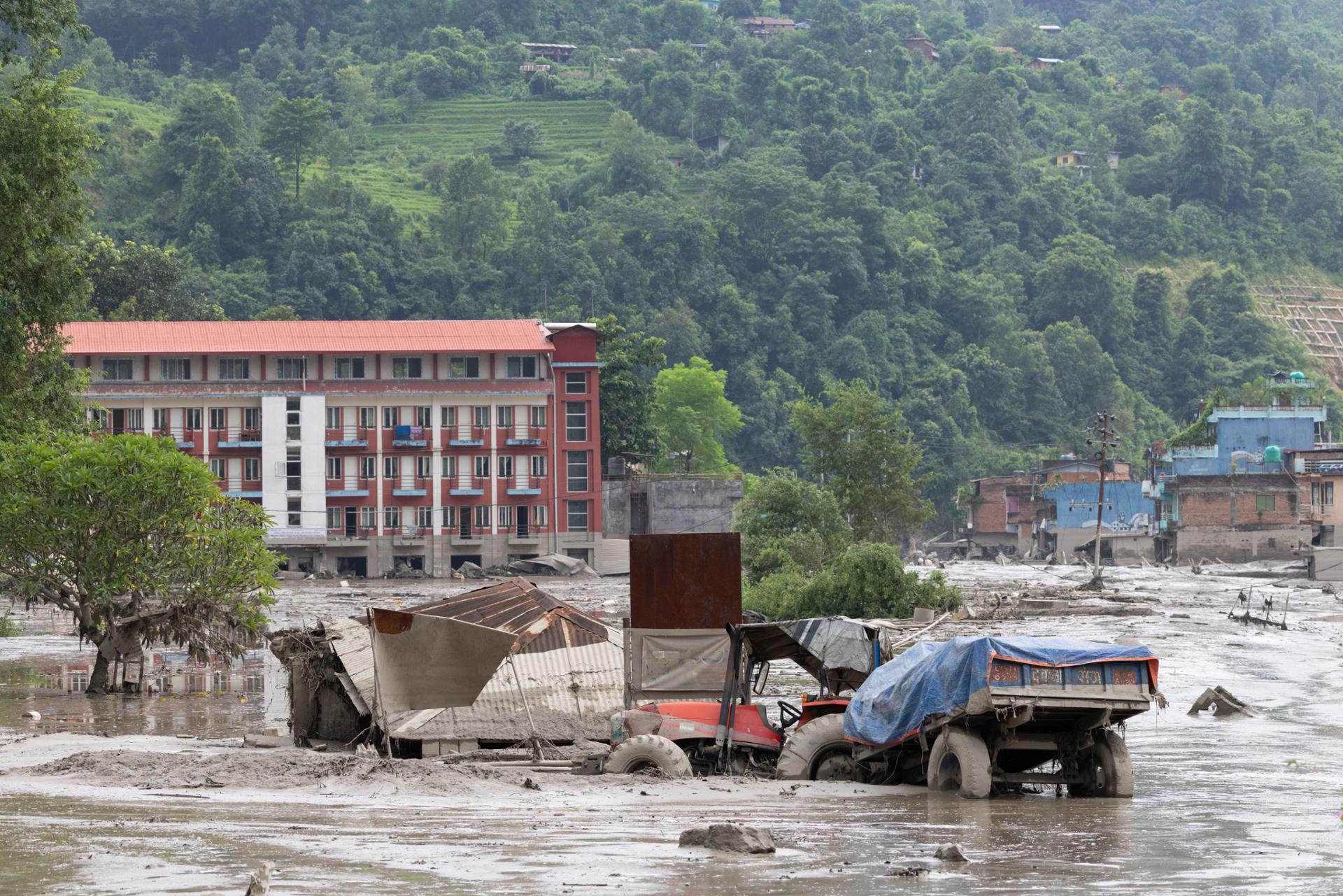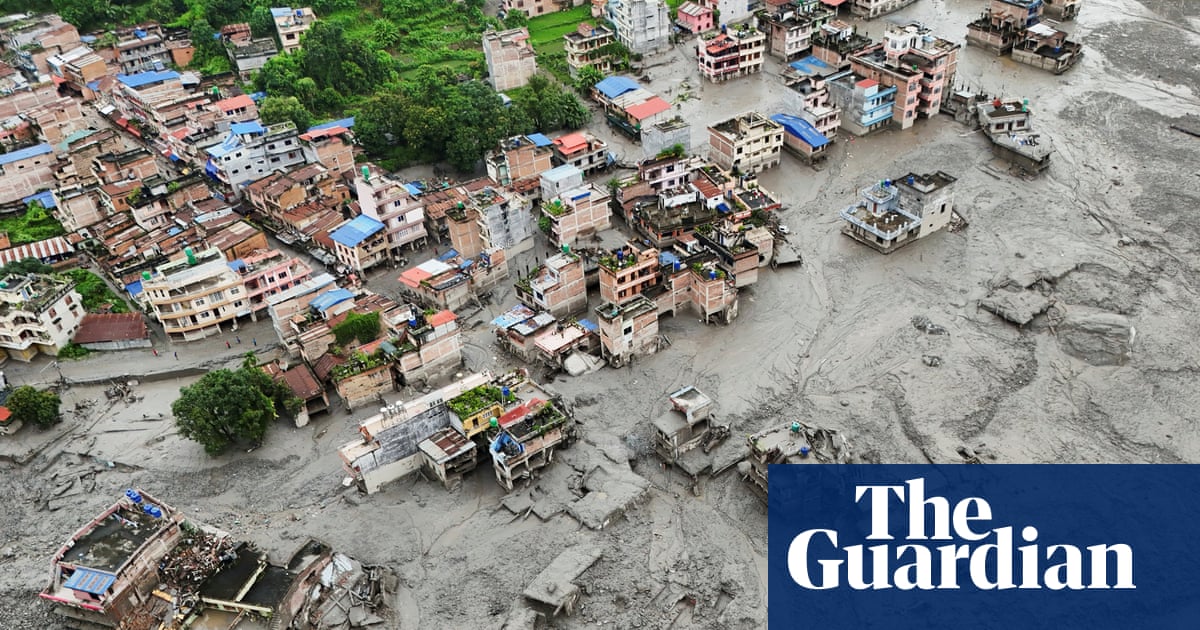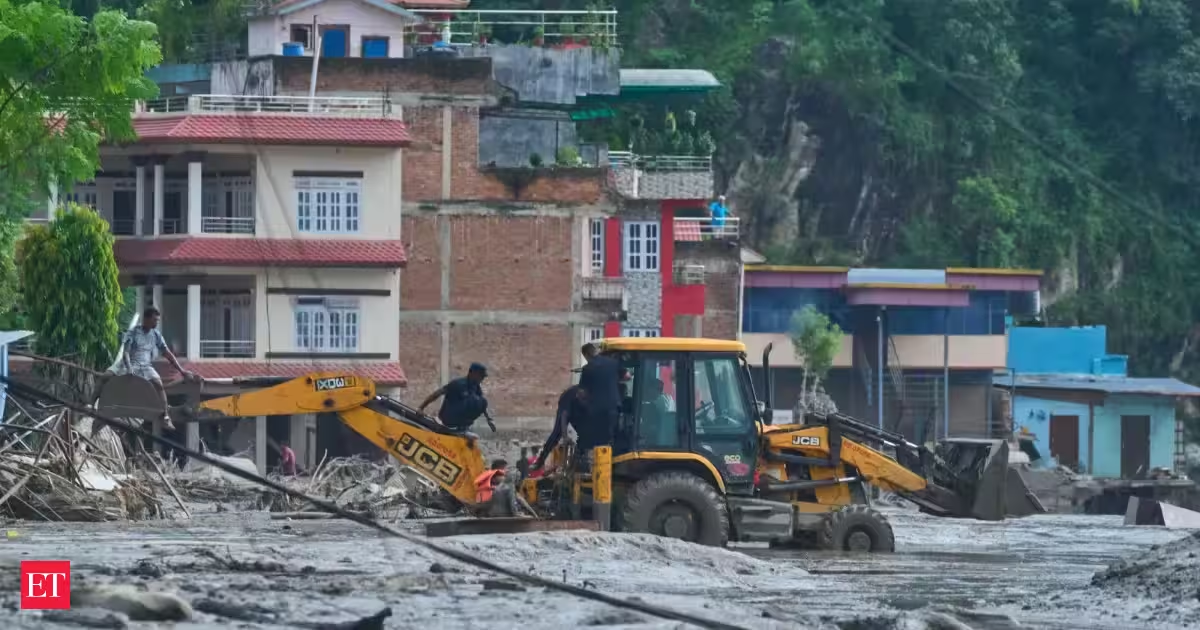
The deadly flash floods that swept through parts of Nepal after originating in Tibet were caused by a glacial collapse and debris flow, not a 4.4-magnitude earthquake as initially reported, the US Geological Survey (USGS) said in an updated assessment.The USGS said analysis of long-period seismic waves, data from nearby seismic stations and satellite imagery showed that no earthquake had occurred. It also revised the magnitude associated with the seismic event to 5.2 from the earlier 4.4 assessment.The disaster sent a massive surge of water and debris through the Bhote Koshi River, affecting Nepal's Rasuwa and Dhading districts along the Tibet border. The flooding destroyed settlements, roads, bridges and power infrastructure, while hundreds of people were reported missing.Also Read:Nepal Flash Flood latest news updates"This event was initially reported as a magnitude 4.4 earthquake. Additional analysis of nearby seismic stations, long period seismic waves, and satellite imagery led to the determination that the seismic event was instead a glacial collapse and debris flow, and that no earthquake had occurred," the USGS said in an update.The agency said the glacial collapse caused a debris flow that produced catastrophic impacts downstream.What caused the Nepal floods?The USGS finding changes the initial understanding of what triggered the disaster. Early reports had suggested that an earthquake in Tibet may have set off an ice-rock avalanche, which then caused the flooding. Nepal's foreign minister had told Parliament that an earthquake was detected shortly before the floods began.The latest USGS assessment instead points to a glacial collapse as the starting event.Daniel Shugar, an associate professor of geomorphology at the University of Calgary in Canada, said the flash floods were triggered when a glacier rolled off a cliff at an altitude of about 5,200 metres.Also Read: Nepal flash floods- List of nationalities of missing touristsComparing satellite images taken before and after the event, Shugar said there appeared to have been a significant loss of snow around the glaciers."Comparing satellite imagery from yesterday and today, the glaciers in the vicinity do seem to have lost a fair bit of snow in the last 24 hours," Shugar was quoted as saying by New Scientist."My guess is that snow melt, and glacier ice melt as well, injected a lot of liquid water into the glacier, which percolated down to the bed and lubricated it. That was enough for it to collapse," he said.Nepal flood damageThe flash floods struck the Bhote Koshi River at around 9 am local time on Wednesday, with the surge coming from the Tibet side. Rasuwa, Dhading and Nuwakot were among the affected areas.The floodwaters swept away houses, roads and bridges and damaged hydropower projects. According to Nepal's Independent Power Producers' Association, eight operating hydropower projects with a combined capacity of 354 MW and five projects under construction were damaged.Also Read: Sadhguru seeks permission to reach flash flood site near Tibet-Nepal border, 80 from Isha Foundation group missingThe disaster also raised concerns downstream in India. The National Disaster Response Force was placed on high alert in Bihar and Uttar Pradesh as authorities monitored rising water levels and the possibility of the flood wave moving through the Gandak River.India has also sent emergency relief supplies to Nepal, including medicines and other assistance, as rescue and relief operations continue.Nepal flood death toll, nearly 300 Indians missingThe Nepal-Tibet flash floods have killed 165 people, while nearly 300 Indian tourists are among 800 still missing, Nepal Foreign Minister Shisir Khanal said on Thursday.The floods swept through three districts on Wednesday after an avalanche blocked the flow of the Lhende tributary of the Bhotekoshi River, sending water and debris towards Timure near Nepal’s border with China.At least 50 of the missing Indians were pilgrims travelling for the Kailash Manasarovar Yatra, according to earlier reports. The Indian Embassy in Kathmandu has issued emergency helplines and is coordinating with Nepalese authorities on rescue and relief efforts.India’s Embassy in Kathmandu can be reached at +977 985 131 6807 and +977 970 910 7500. The Nepal Tourism Board has also activated emergency and tourist assistance numbers.In Beijing, the Indian Embassy has issued a WhatsApp helpline at 0086 185 1428 4905 for assistance related to affected Indian nationals.
Nepal flash floods: Glacial collapse, not earthquake, triggered deadly disaster
Nepal flash floods were caused by a glacial collapse, not an earthquake. This event originated in Tibet and caused significant destruction in Nepal. The disaster killed 162 people and left 750 individuals missing. Among the missing are 133 Indian nationals who were in the affected areas. The US Geological Survey confirmed the glacial collapse after further analysis.
689 words~3 min read