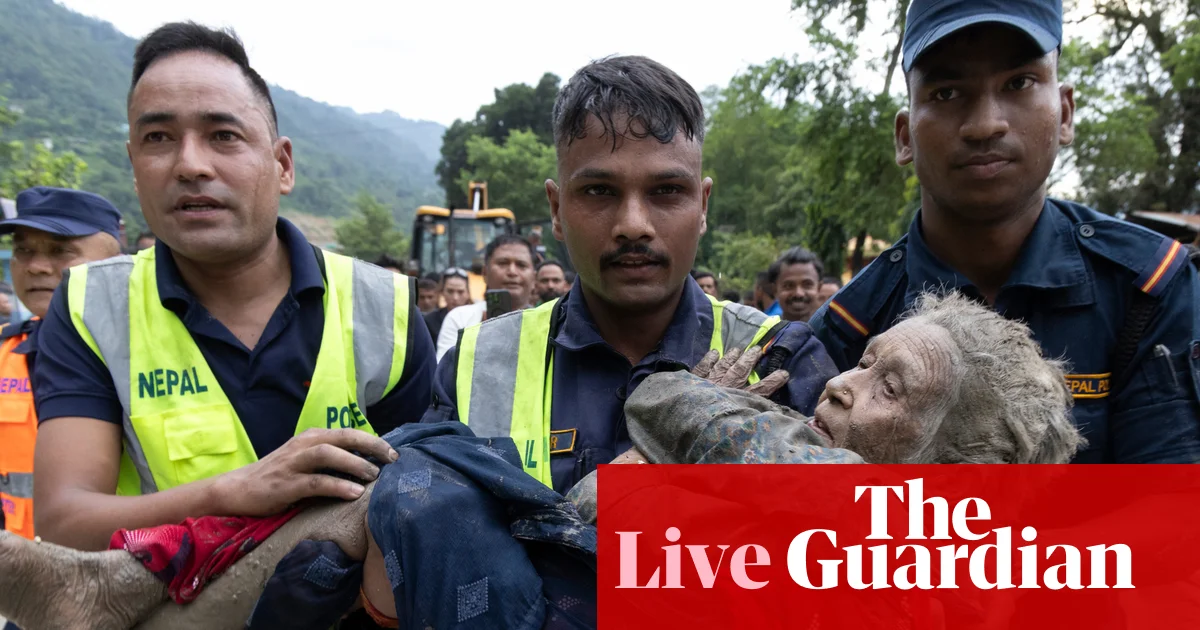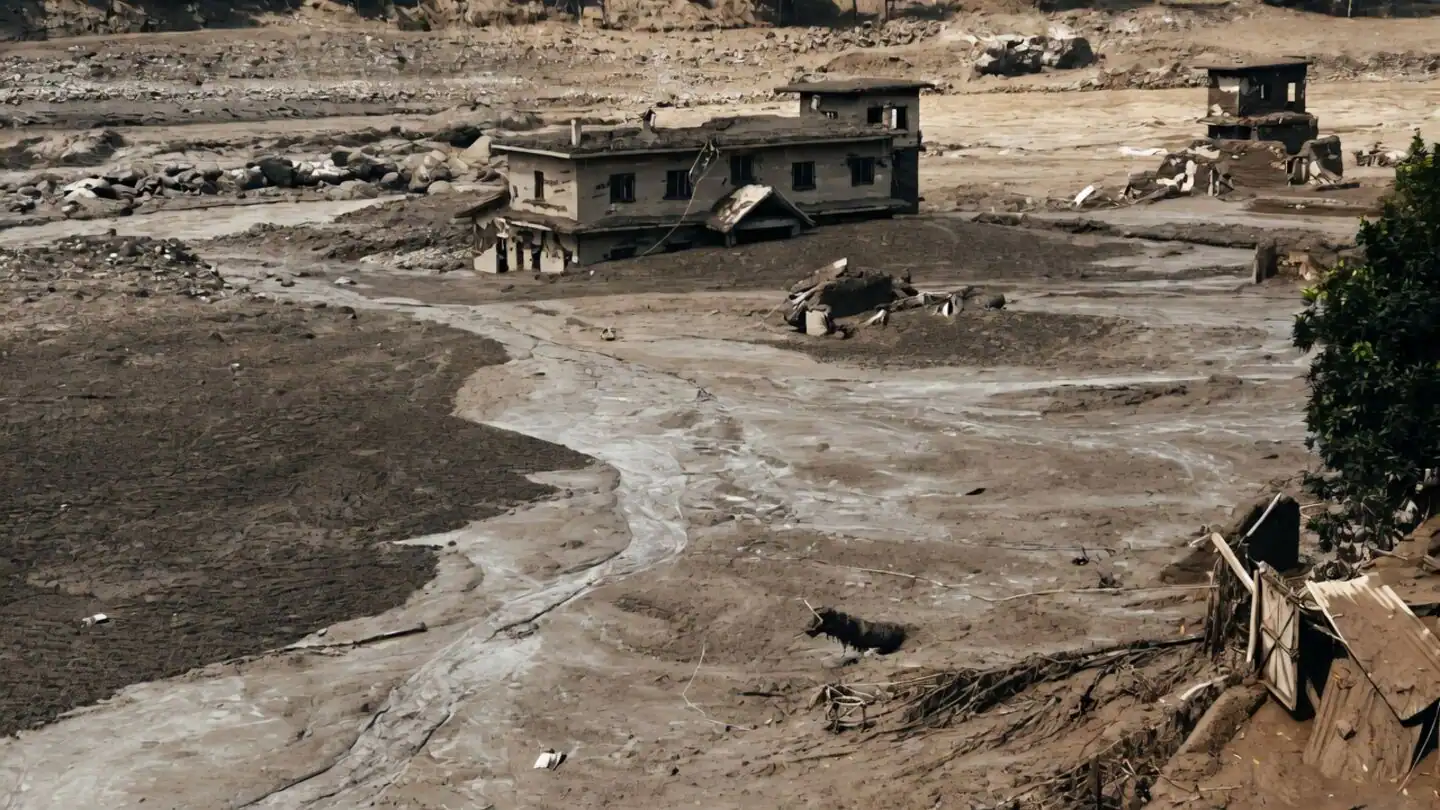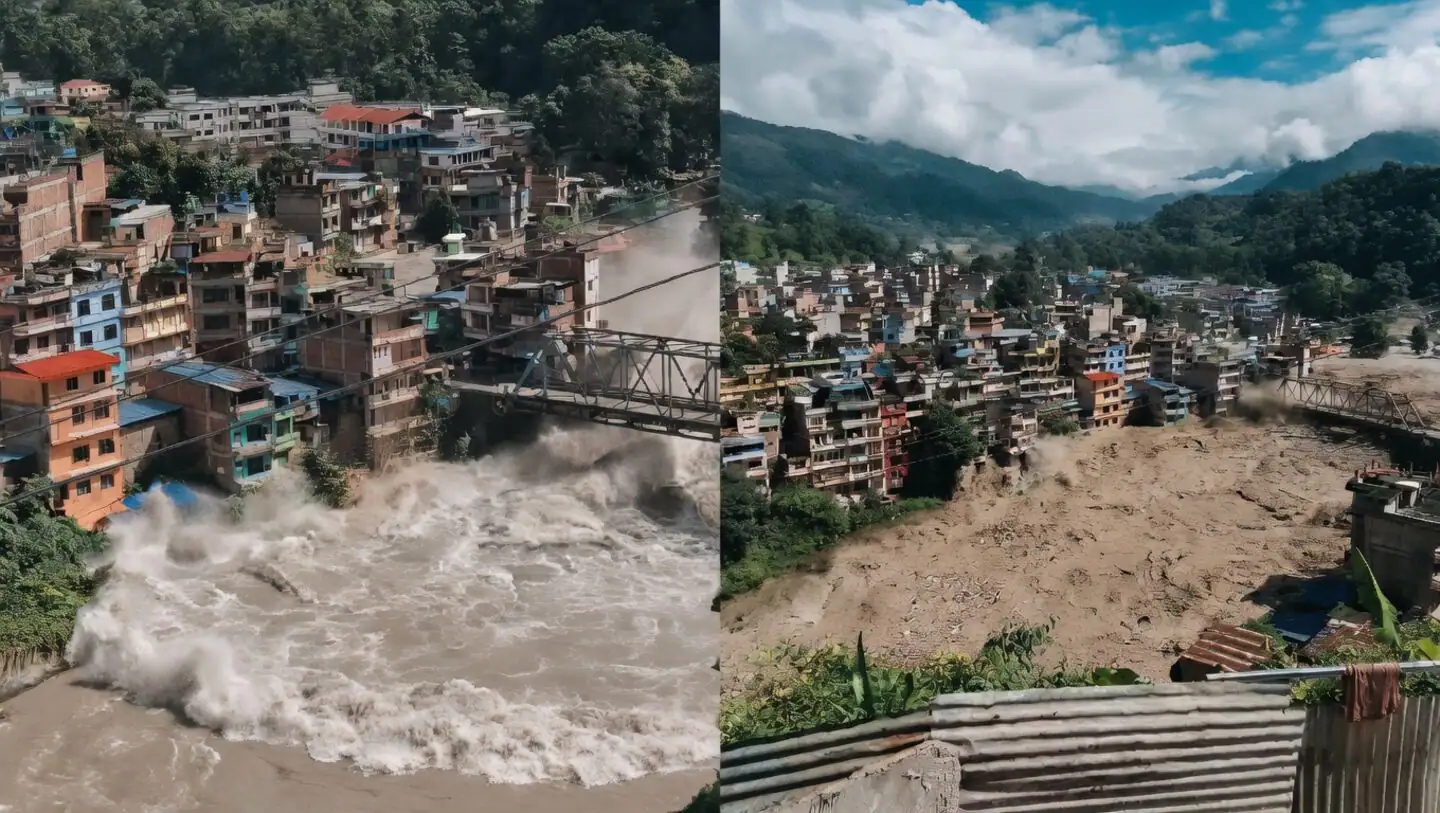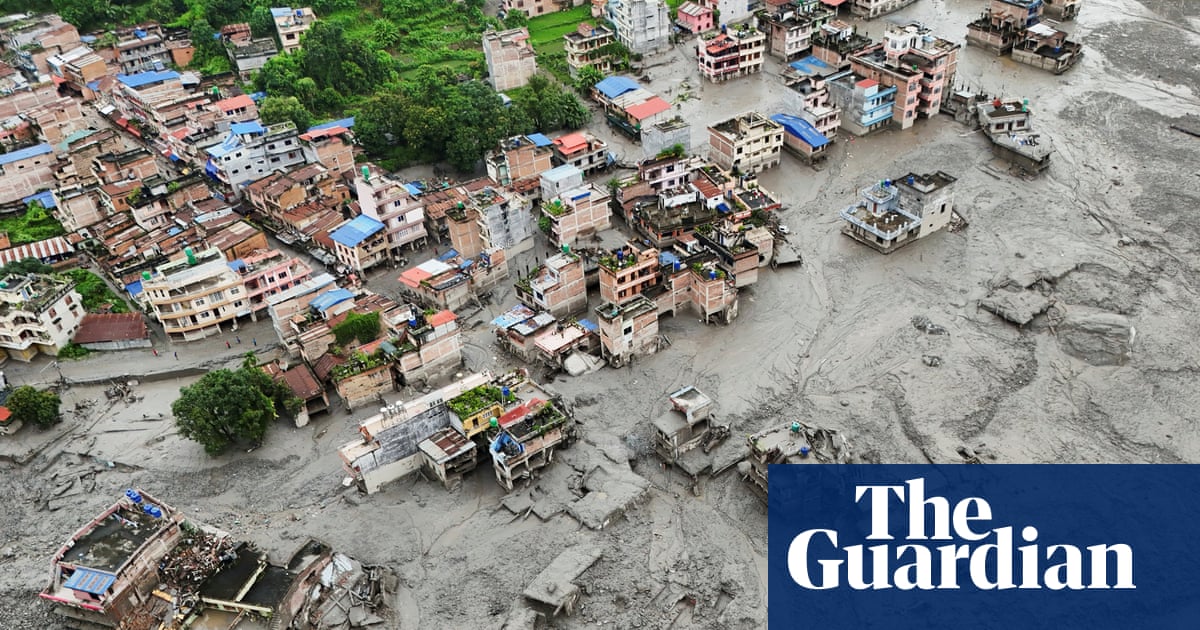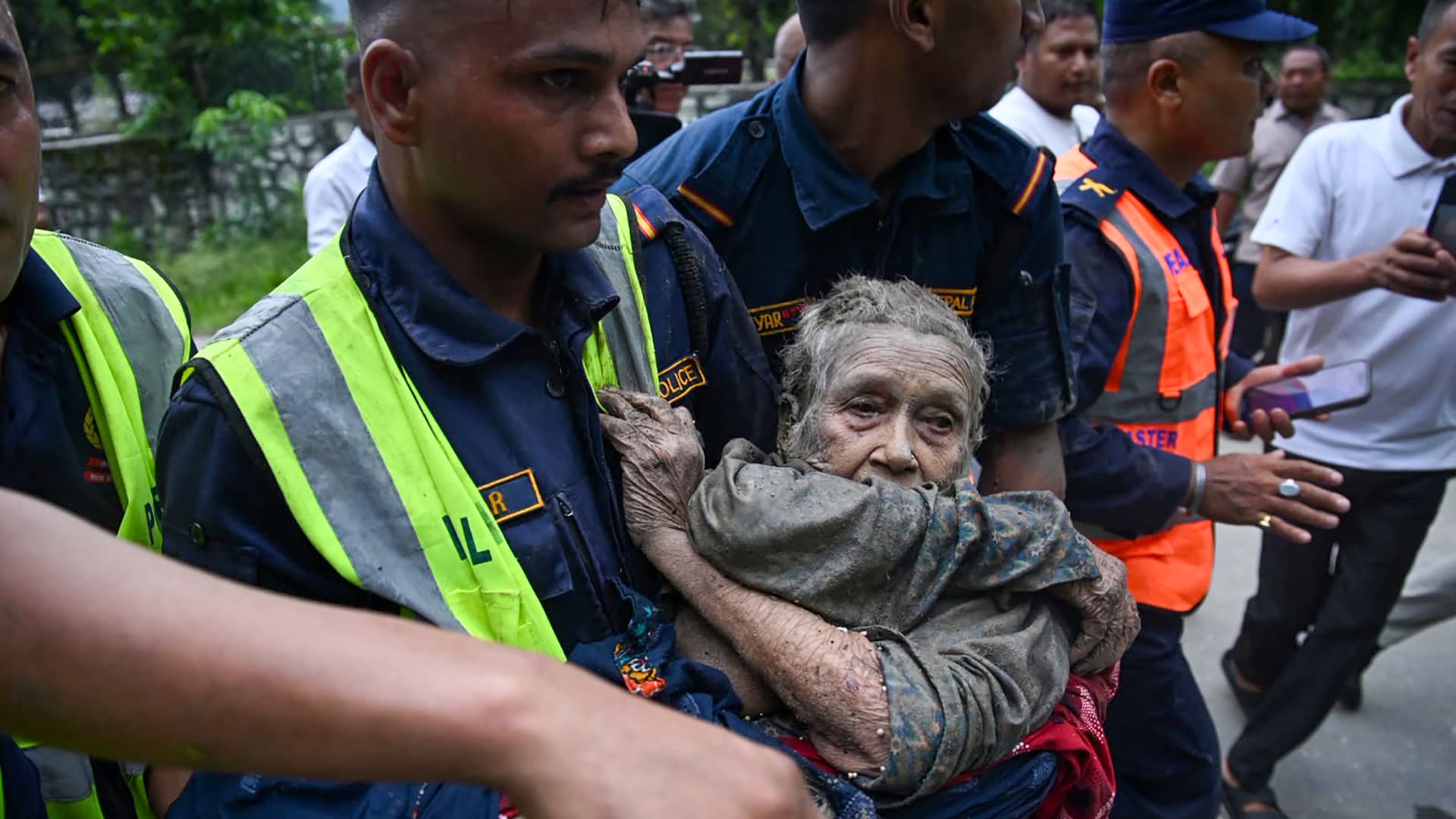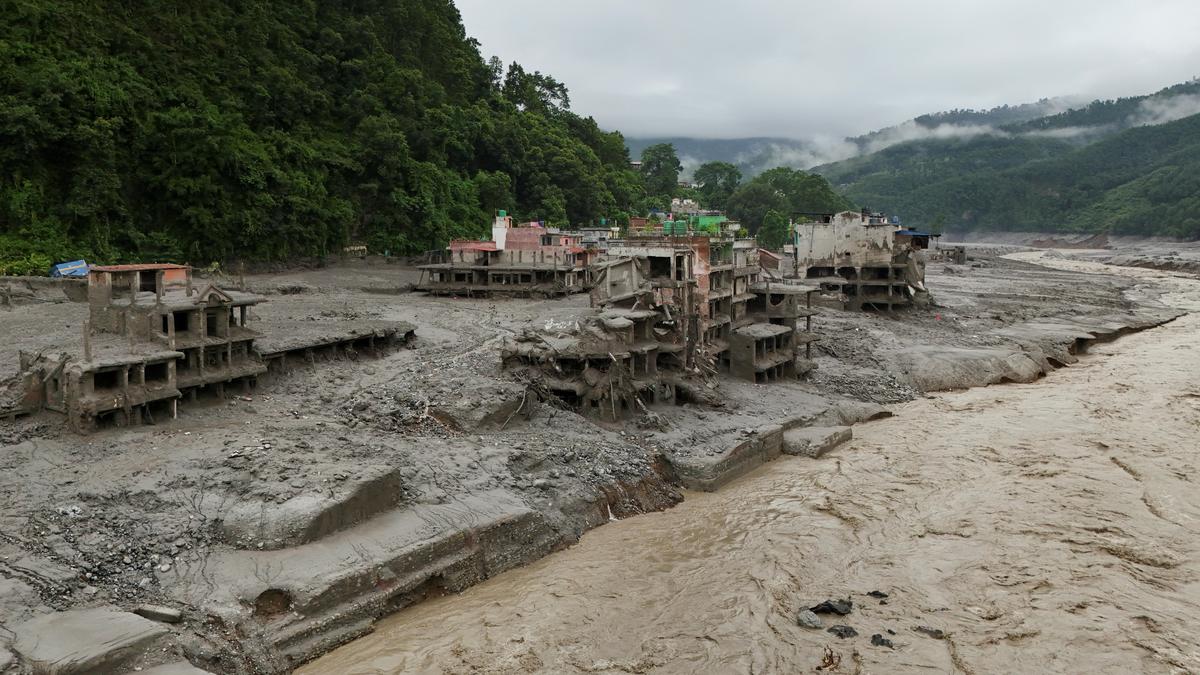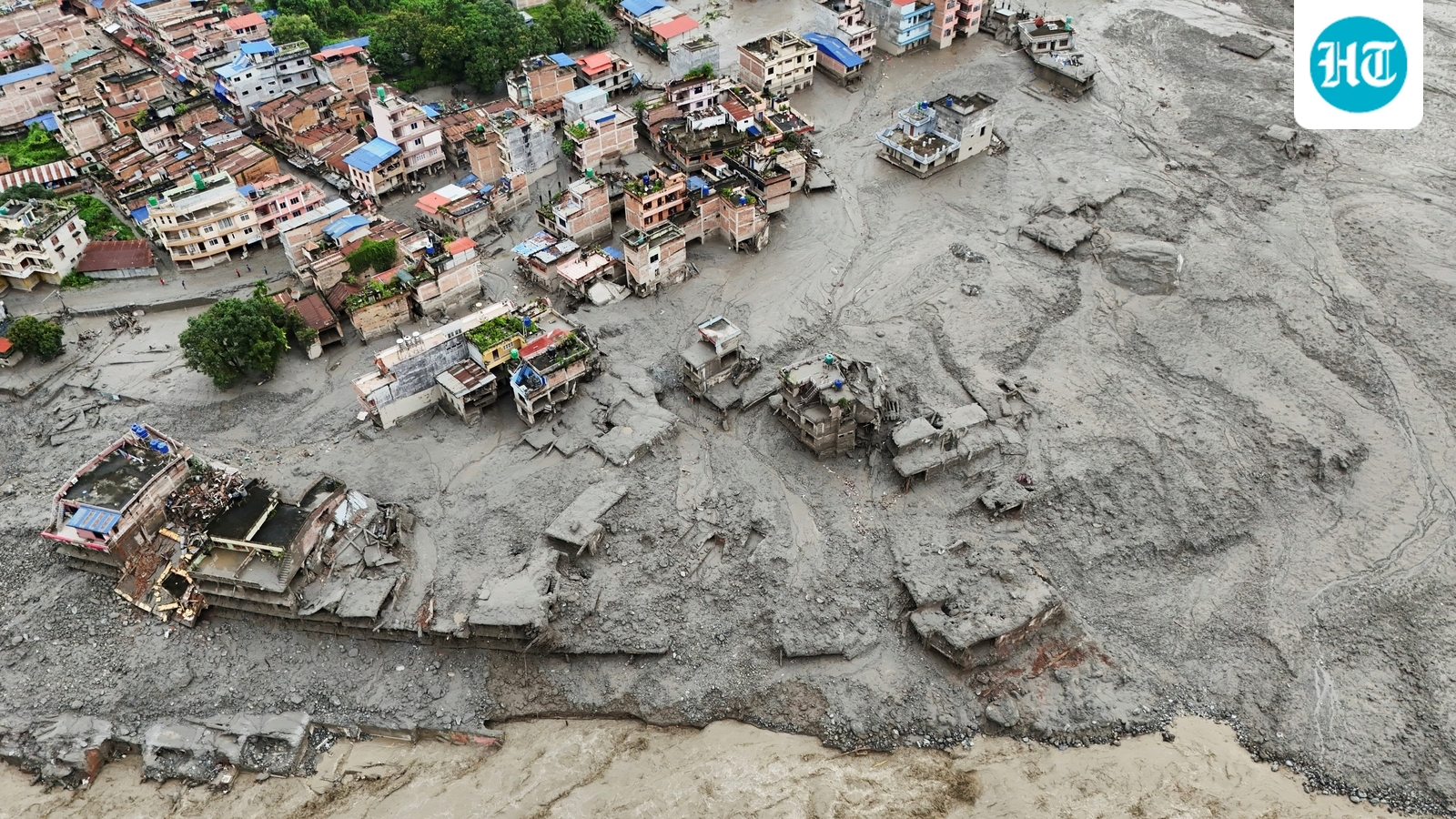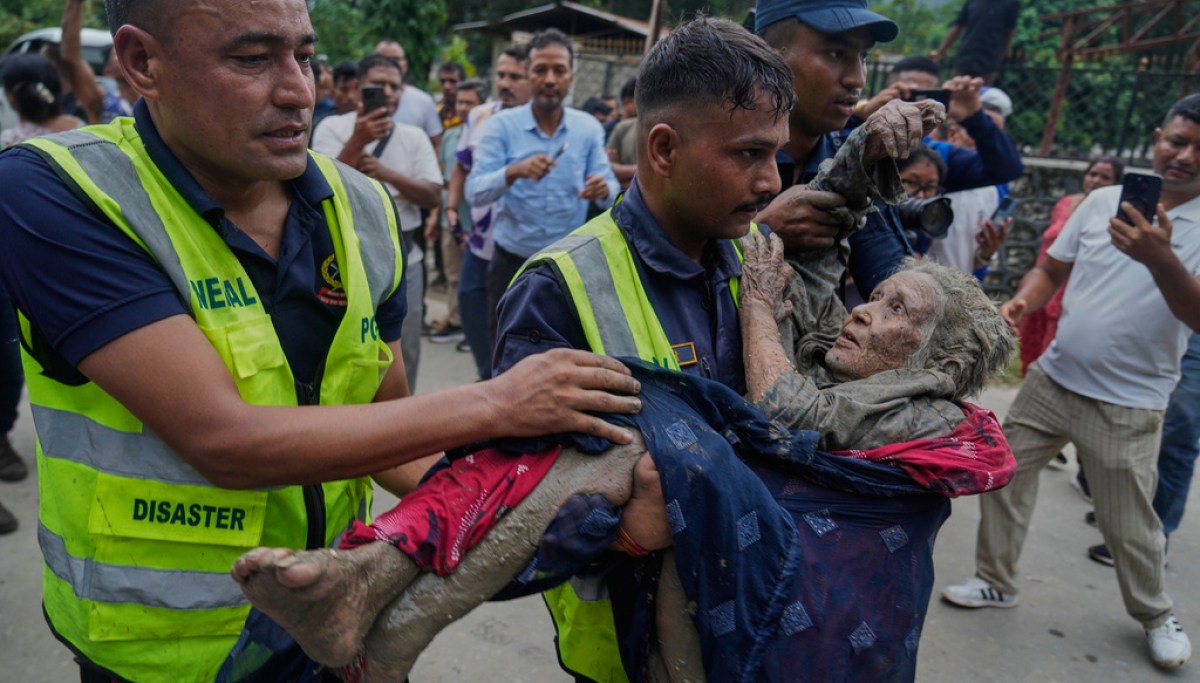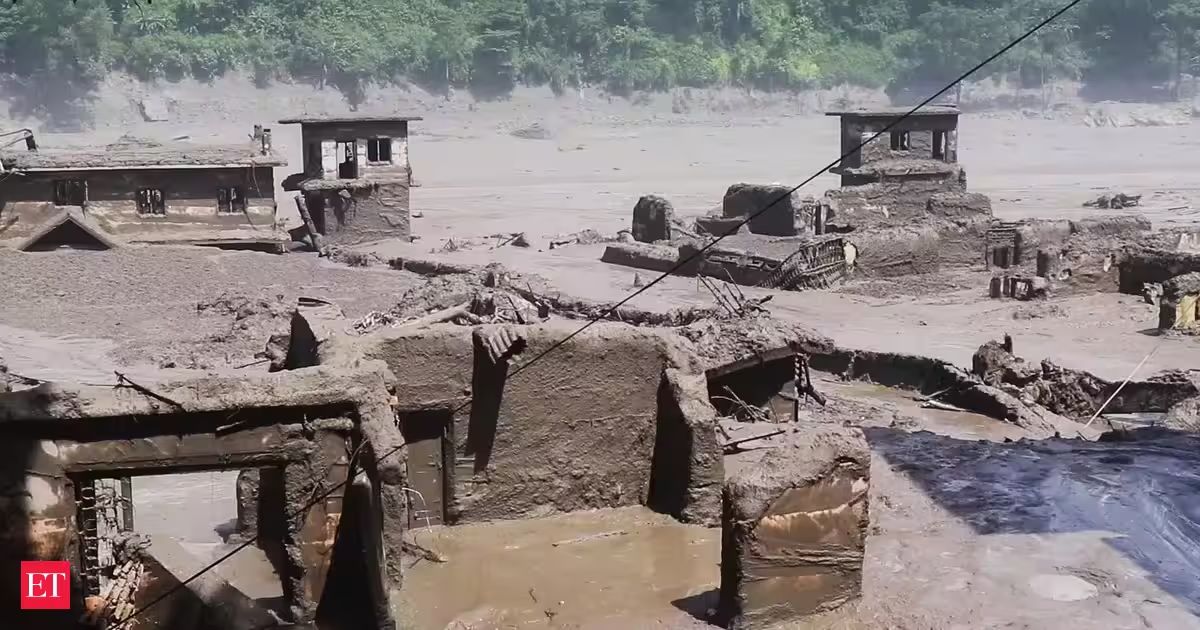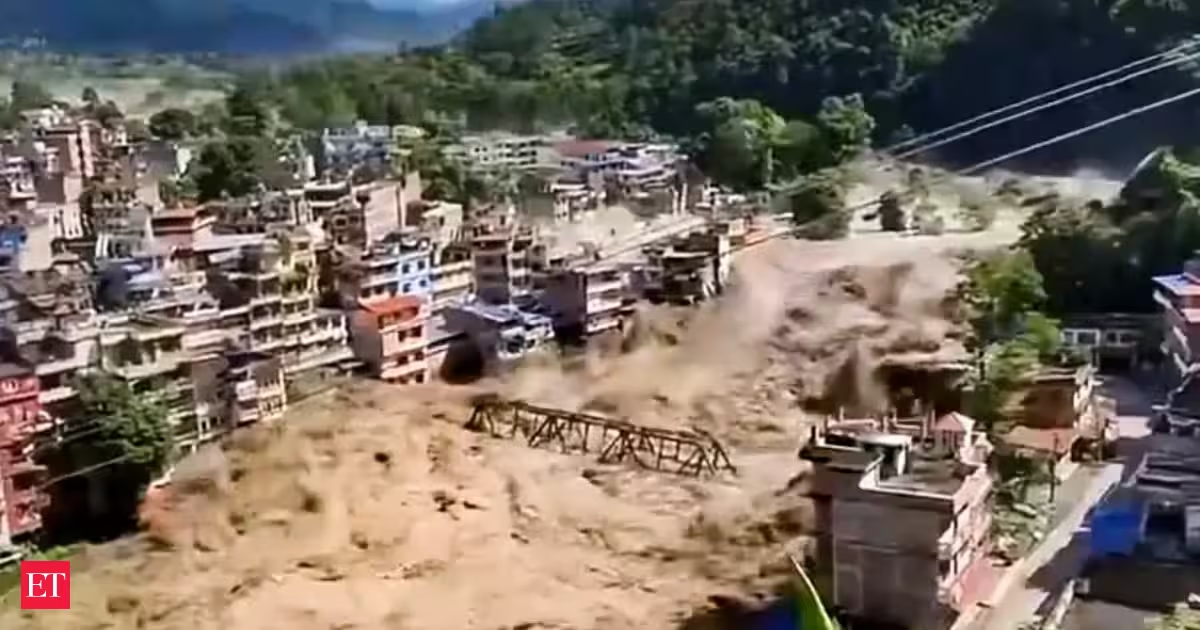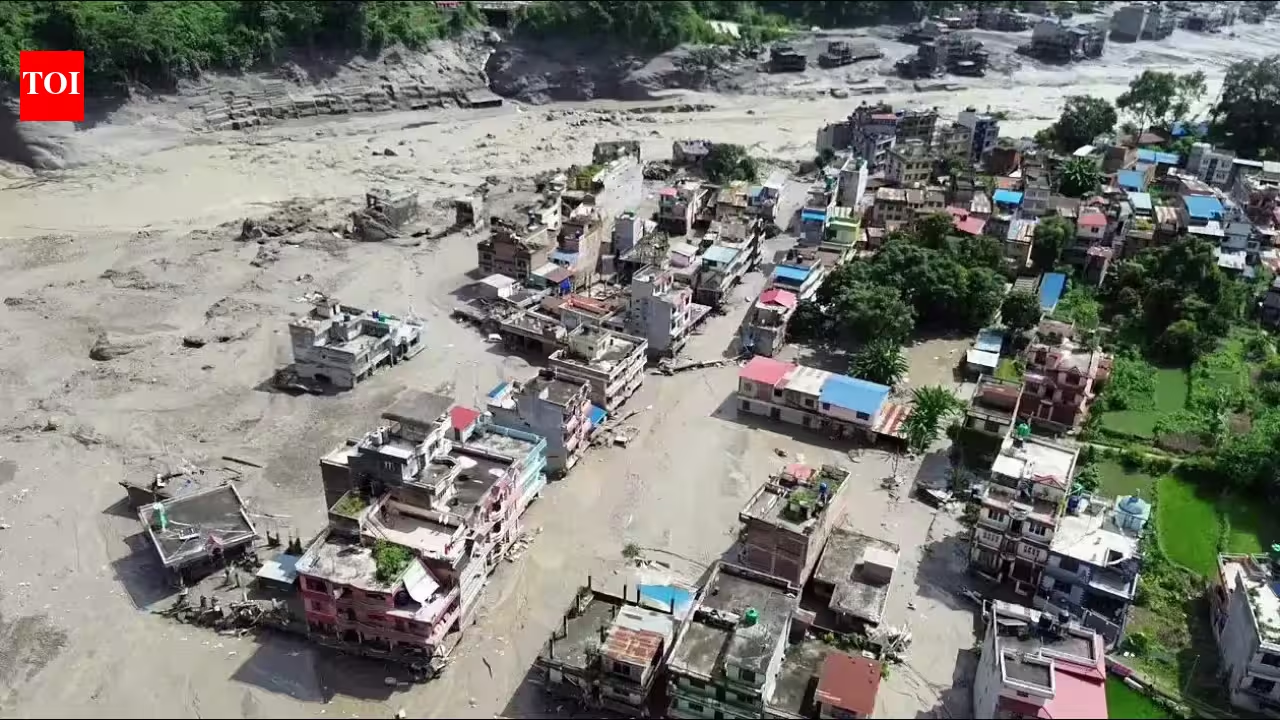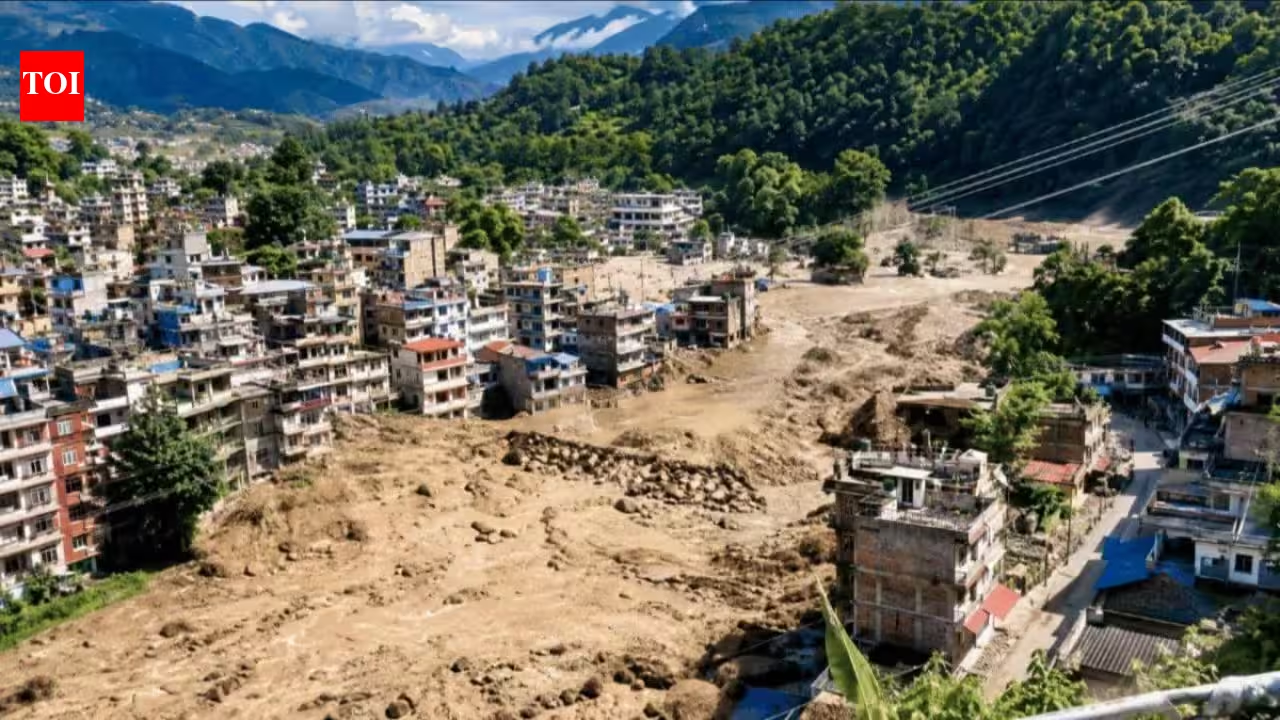
Glacial collapse behind Nepal’s ‘catastrophic’ floodsAt least 162 people have been killed and hundreds remain missing after massive flash floods swept through communities along the Nepal-China border, with the US Geological Survey ruling out an earthquake and identifying a glacial collapse as the source of the seismic activity.Nepal police reported at least 157 deaths, while China’s state broadcaster CCTV said three people were killed and 265 were missing in Tibet’s Gyirong County near the border. Drone footage showed roads destroyed, buildings buried under thick mud and debris, and vehicles swept away by torrents.Officials in Nepal said 403 people, including 341 foreigners, were reported missing. Among them were 133 Indians travelling on pilgrimage to Mount Kailash in Tibet. At least 47 Americans, 34 Australians, 33 Britons and 24 Canadians were also reported missing.The Nepal Tourism Board said at least 62 Nepali citizens were among those missing after trekking in the Gosaikunda Lake area of Rasuwa district, which borders Tibet’s Gyirong County. At least 28 police personnel were also reported missing.What caused Nepal’s deadly flash floods?The USGS initially recorded what it believed was a magnitude 4.4 earthquake early Wednesday, about 66 kilometres north of Kathmandu near the Nepal-China border. It later revised its assessment, saying the seismic activity came from a magnitude 5.2 glacial collapse rather than an earthquake.The agency said its conclusion was based on data from nearby seismic stations, long-period seismic waves and satellite imagery. The collapse sent ice, rock and debris downstream, triggering a sudden surge that caused “catastrophic” damage to communities in the valleys below.Climate experts also identified an ice-rock avalanche from a glacier as the likely trigger for the floods. Researchers at the Kathmandu-based International Centre for Integrated Mountain Development said water levels in the Trishuli River rose by as much as 9 metres in just half an hour.“The Lhende Khola has flooded twice in 14 months, this time triggered by an ice rock avalanche from a glacier on the Nepal side that blocked the river and released a sudden surge downstream,” said Saswata Sanyal, a disaster risk reduction specialist.He highlighted the importance of early warning systems in “a warming Himalaya.”Floods swept away roads, bridgesThe floods struck with little warning, sweeping through steep valleys that serve as important travel and economic corridors. At least 19 bridges and nearly 40 kilometres of roads were washed away, while the Bhotekoshi River flooded around 9 a.m., destroying villages and hydropower projects.“When I reached Dhunge bazaar, in half an hour, the flood came and damaged all the market. People were preparing to go to office then,” resident Shoyam Rajbhandari said. “How many people are missing or dead, we don’t know.”Nepal has asked India and China to assist with rescue operations as authorities search for hundreds of missing people.“We have asked both India and China to help us with the rescue efforts,” said government spokesperson Sasmit Pokharel.The disaster has also raised concern in several countries over missing citizens. South Korea said nine citizens working at a hydropower project were missing, while Malaysia said travel agencies had lost contact with 11 Malaysians believed to be in Rasuwa. Russia’s embassy said four citizens reportedly in the affected area were missing.PM Modi offers assistancePM Modi spoke with Nepal Prime Minister Balendra Shah and offered India’s assistance with rescue and relief operations.“India is prepared to provide Nepal with all possible types of humanitarian assistance. Our teams are closely coordinating on rescue and relief efforts,” PM Modi said on social media.United Nations agencies were also deploying personnel to support the response, with U.N. spokesperson Stephane Dujarric warning of “massive humanitarian need”.Himalayan region faces growing risksThe disaster comes after a similar flash flood struck the same region last August, when a glacial lake in Tibet overflowed amid high temperatures. Nine people were killed and key infrastructure, including a bridge linking Nepal and China, was damaged.Researchers have warned that the Hindu Kush Himalaya is becoming increasingly vulnerable to extreme weather, flooding and landslides as glaciers melt faster. A study earlier this year found that ice loss across the region has doubled since 2000.
What triggered Nepal’s catastrophic flash floods? USGS rules out earthquake
At least 162 people have been killed and hundreds remain missing after massive flash floods swept through communities along the Nepal-China border, with the US Geological Survey ruling out an earthquake and identifying a glacial collapse as the source of the seismic activity.
674 words~3 min read