As the Himalayas melt, deadly floods become the new normal
For the 40-year-old climate researcher, who grew up in the hills of eastern Nepal and now studies mountain hazards at the United Nations University in Bonn, Germany, the subject was both professional and deeply personal.He has watched the risks facing the region change within his own lifetime.“When I was kid, it was not like that,” he told me. “Or when my parents were kids or my grandparents, that was not the major challenge [they faced].”
© UNU-EHS/Austin Gonzales
Dipesh Chapagain, on the campus of United Nations University in Bonn, Germany. .
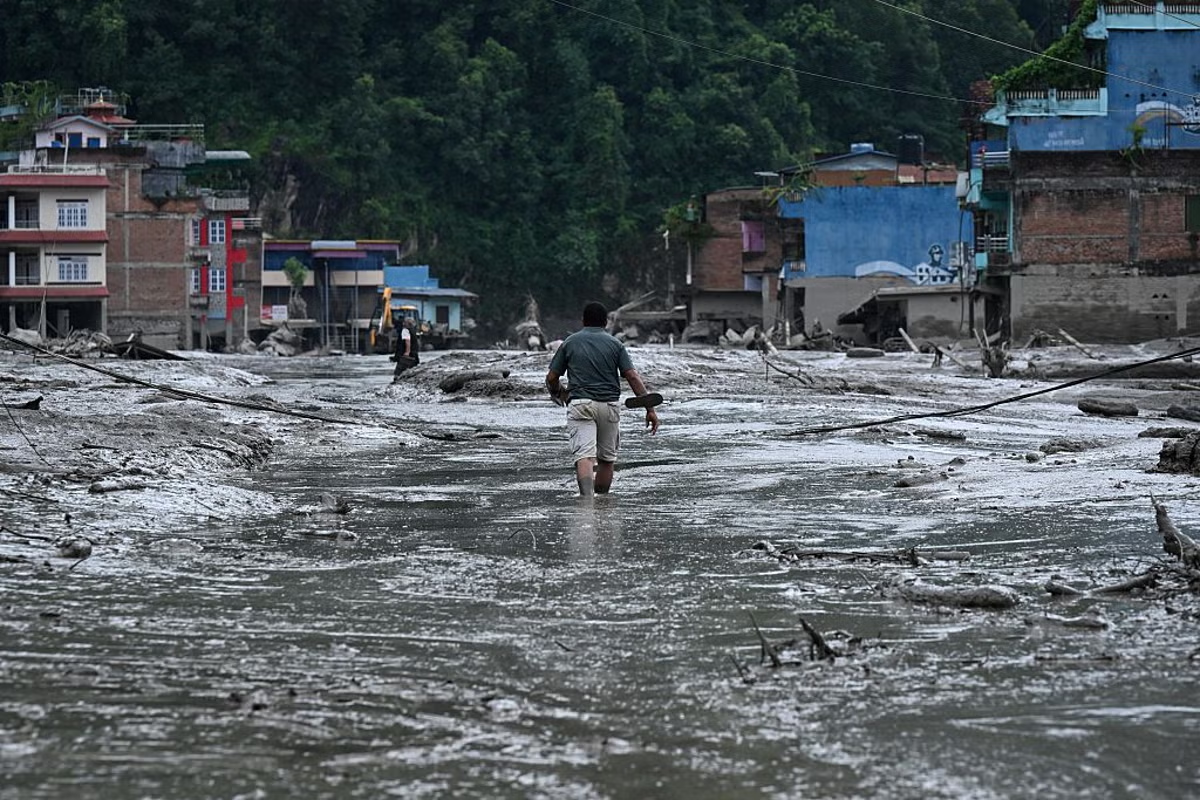
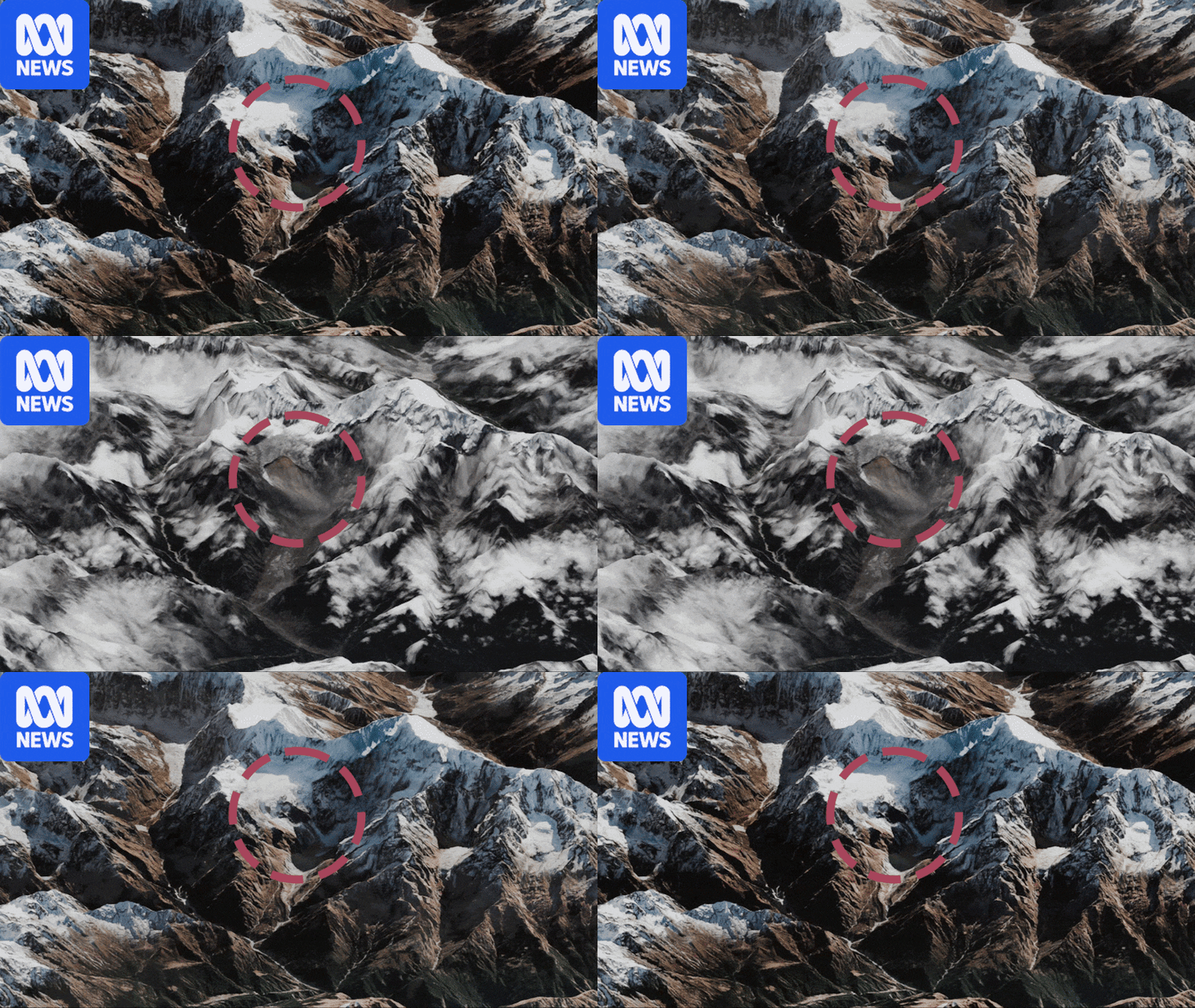
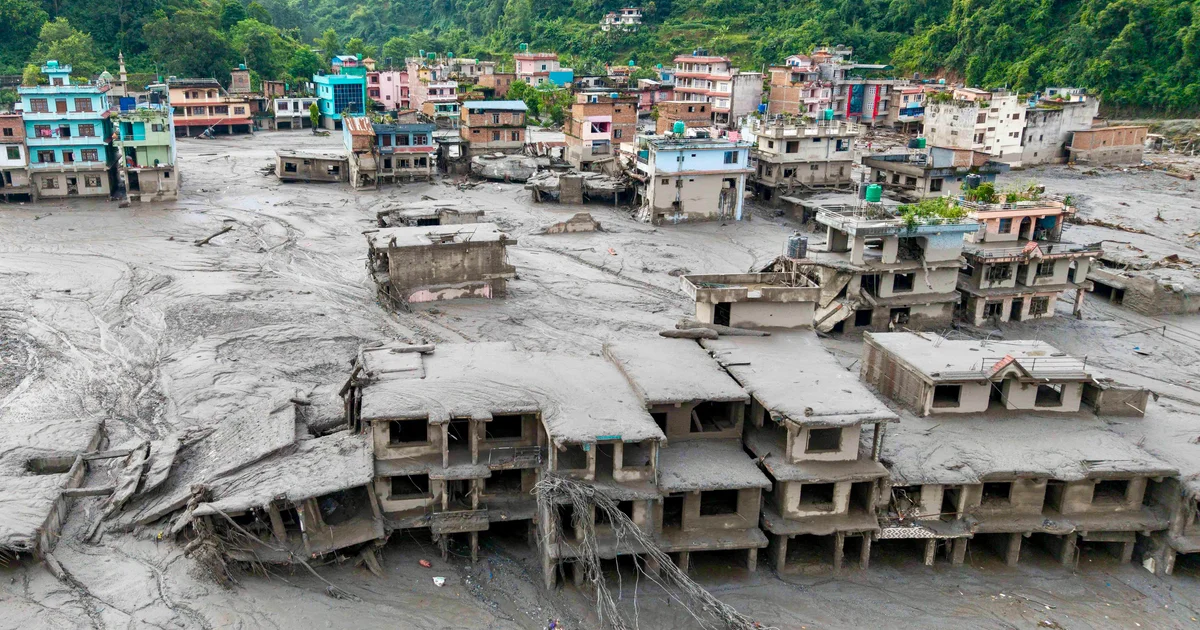
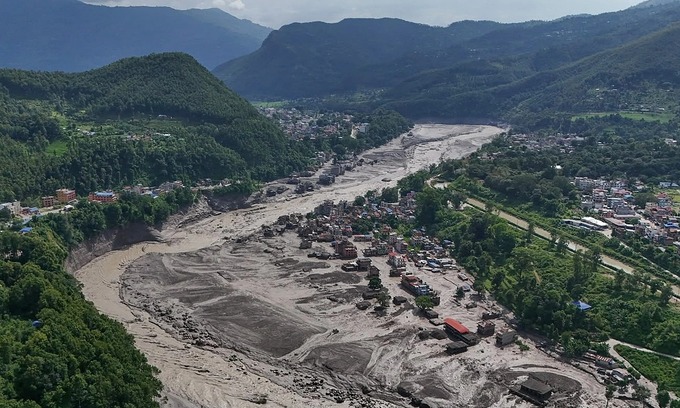
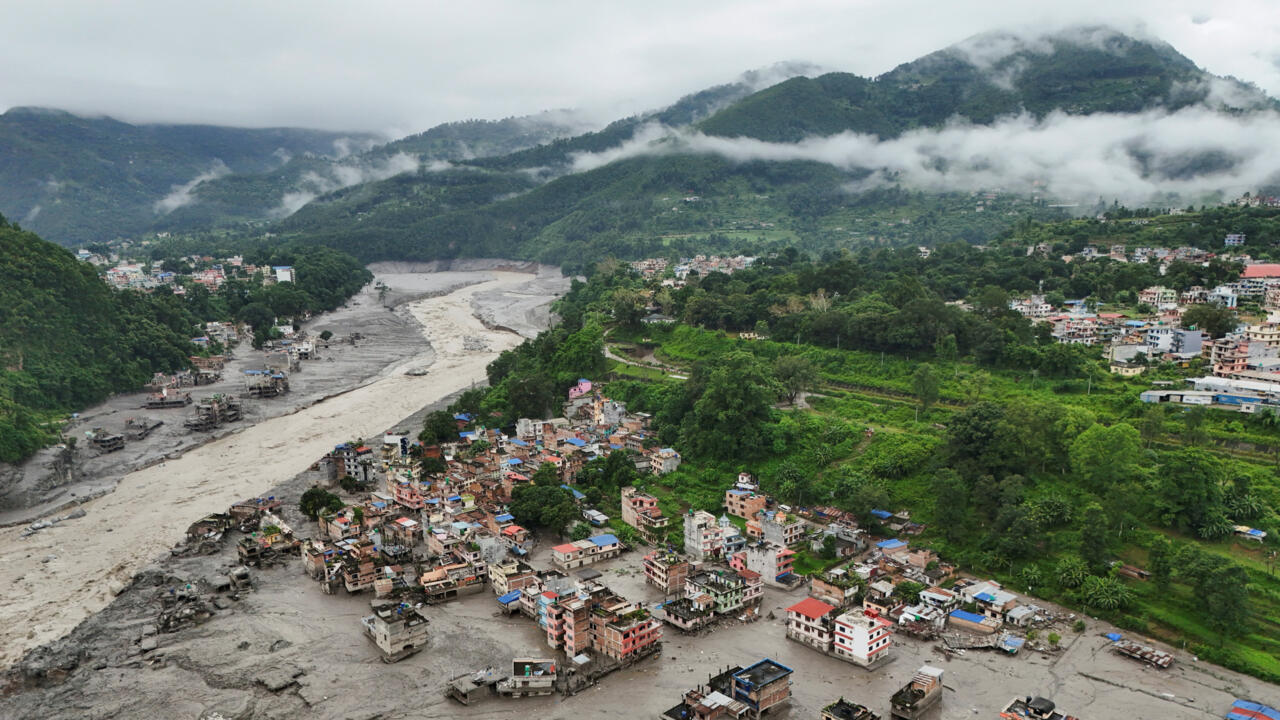
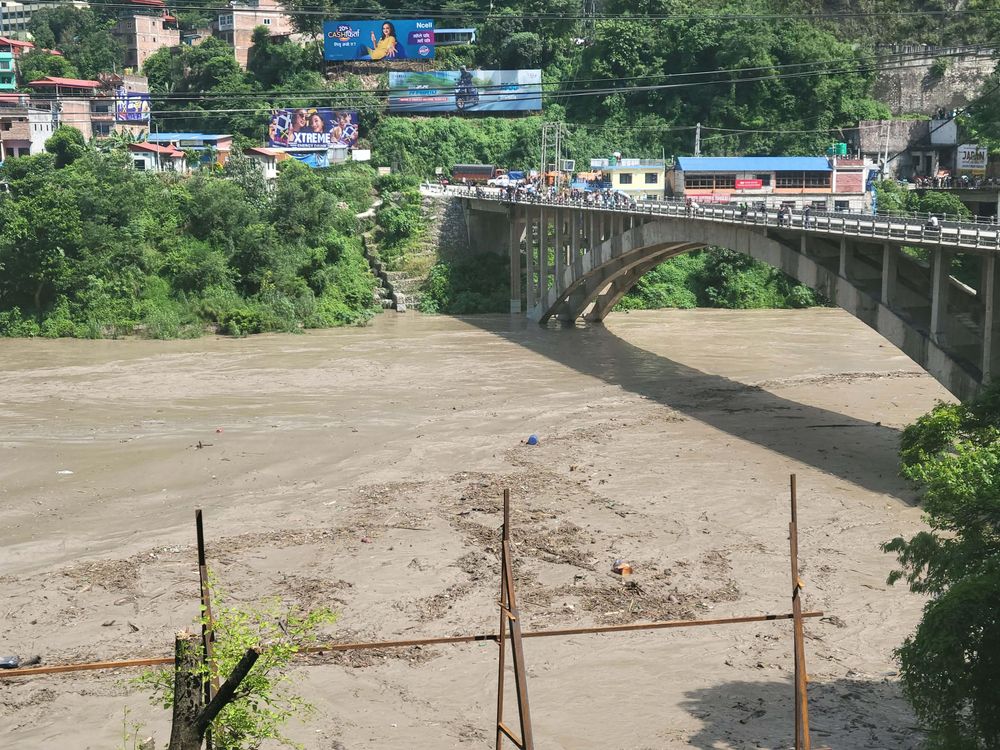
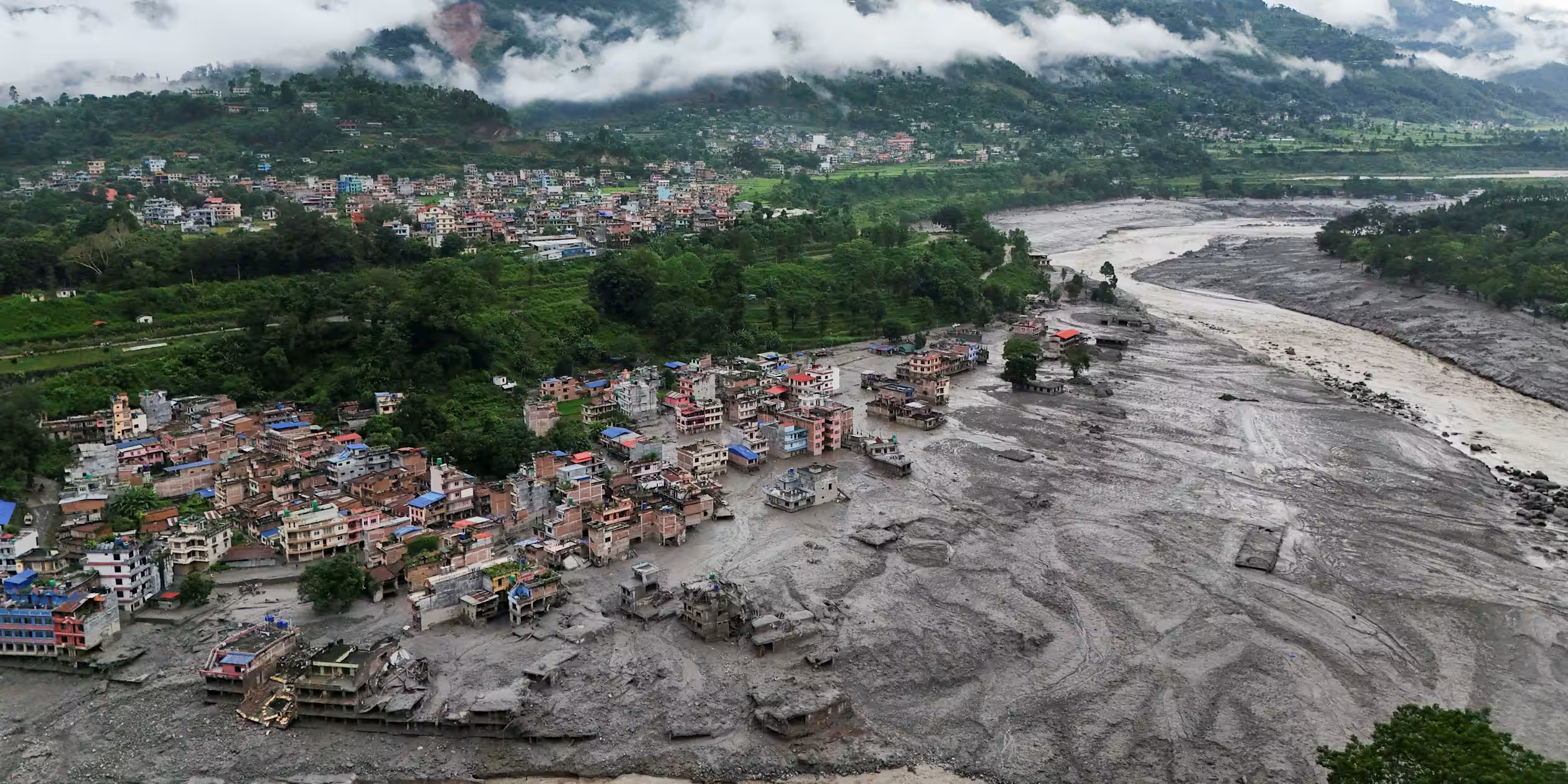
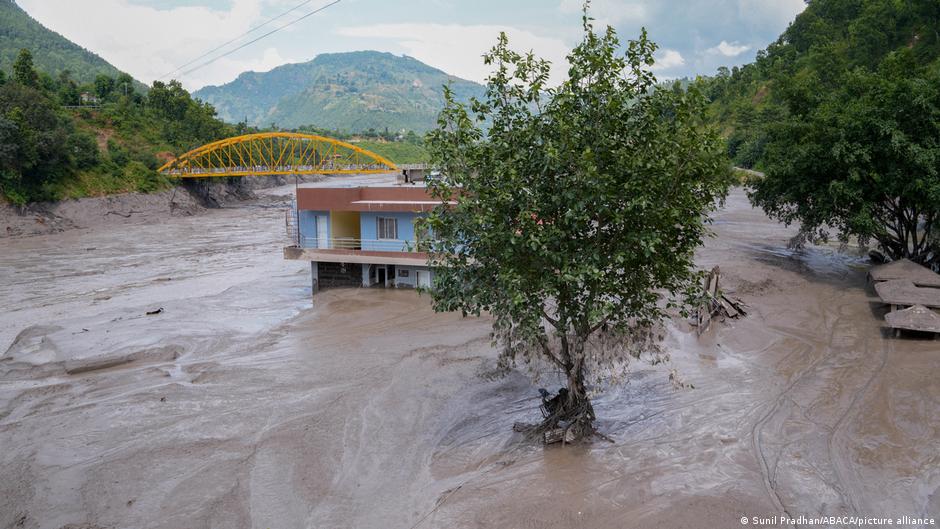
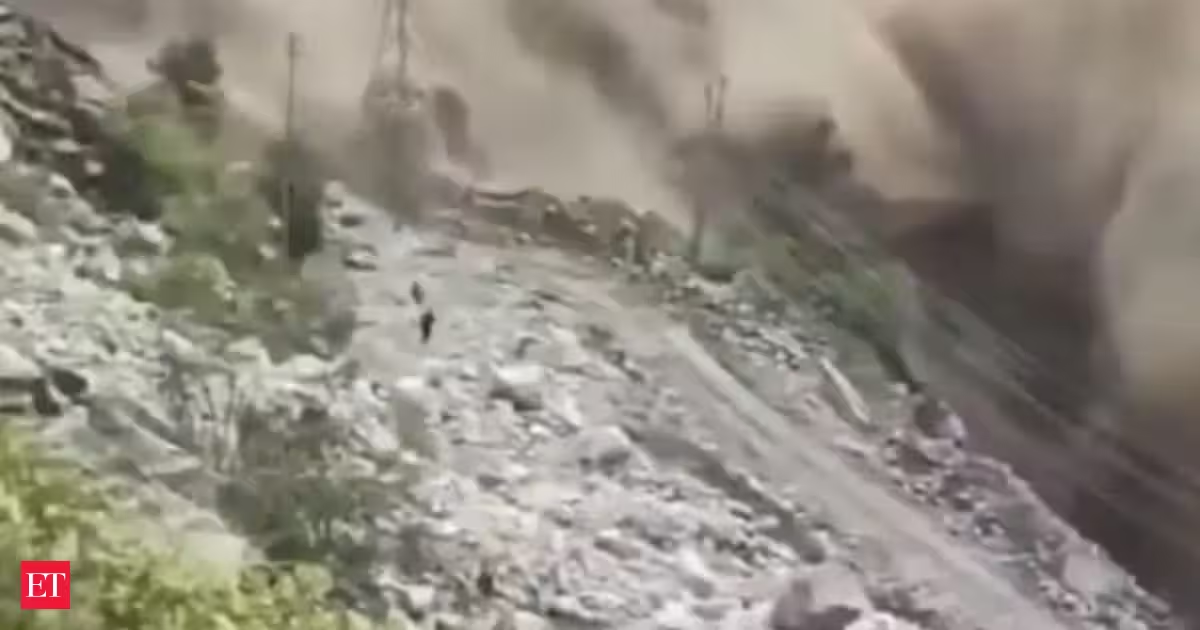
A glacier fails, a mountain collapsesThen, on Wednesday morning at 8:37, a mountainside high in the Himalayas gave way.The collapse was so vast that seismic instruments registered it as a magnitude-5.2 event, initially mistaking it for an earthquake. Bedrock beneath a glacier failed, carrying a huge mass of ice and rock roughly 1,200 meters toward the valley floor.Water, sediment and boulders surged into the rivers below, sweeping through towns and villages along one of Nepal’s most important trade routes with China. At one monitoring station, the water rose as much as nine meters in half an hour.By Friday, more than 500 people had been reported dead across Nepal and Tibet and more than 1,500 remained missing, including hundreds of foreign nationals.Dr. Chapagain’s immediate family was spared. Still, the news took a toll on him.“It’s always hard to get these devastating messages from back home,” he said. “It’s getting more frequent and more intense.”The catastrophe is a brutal illustration of a problem climate scientists have been warning about for years. The frozen architecture of the Himalayas is changing, exposing millions of people to hazards that are becoming harder to predict and, in some cases, more destructive.