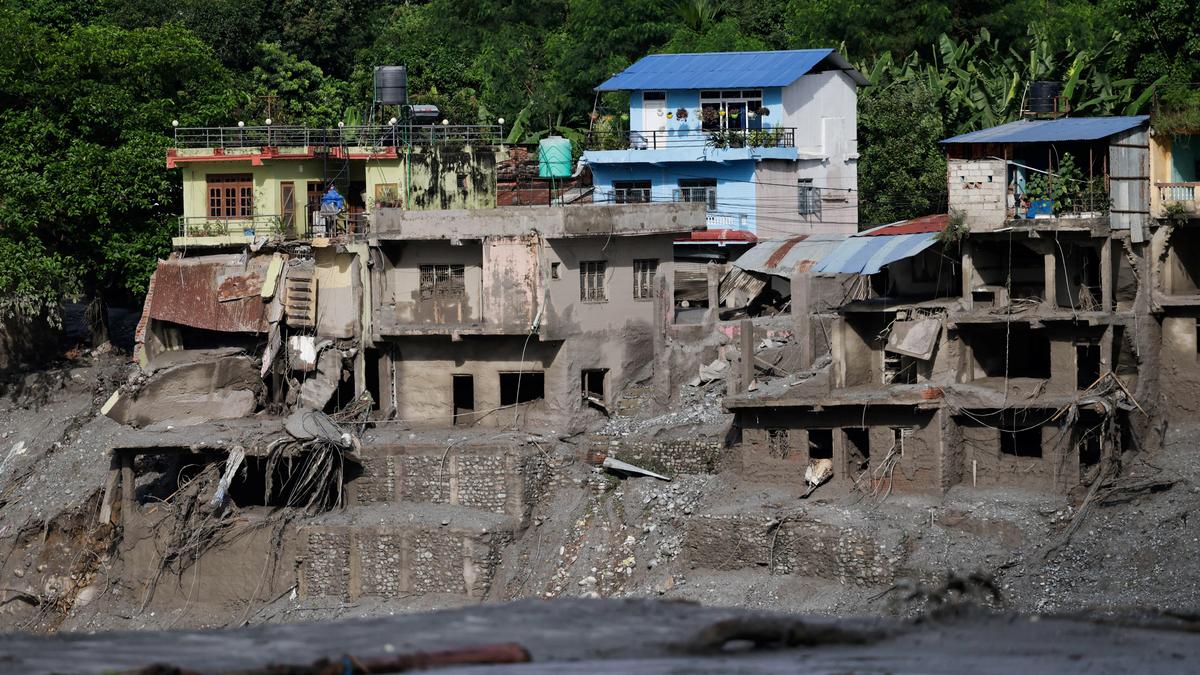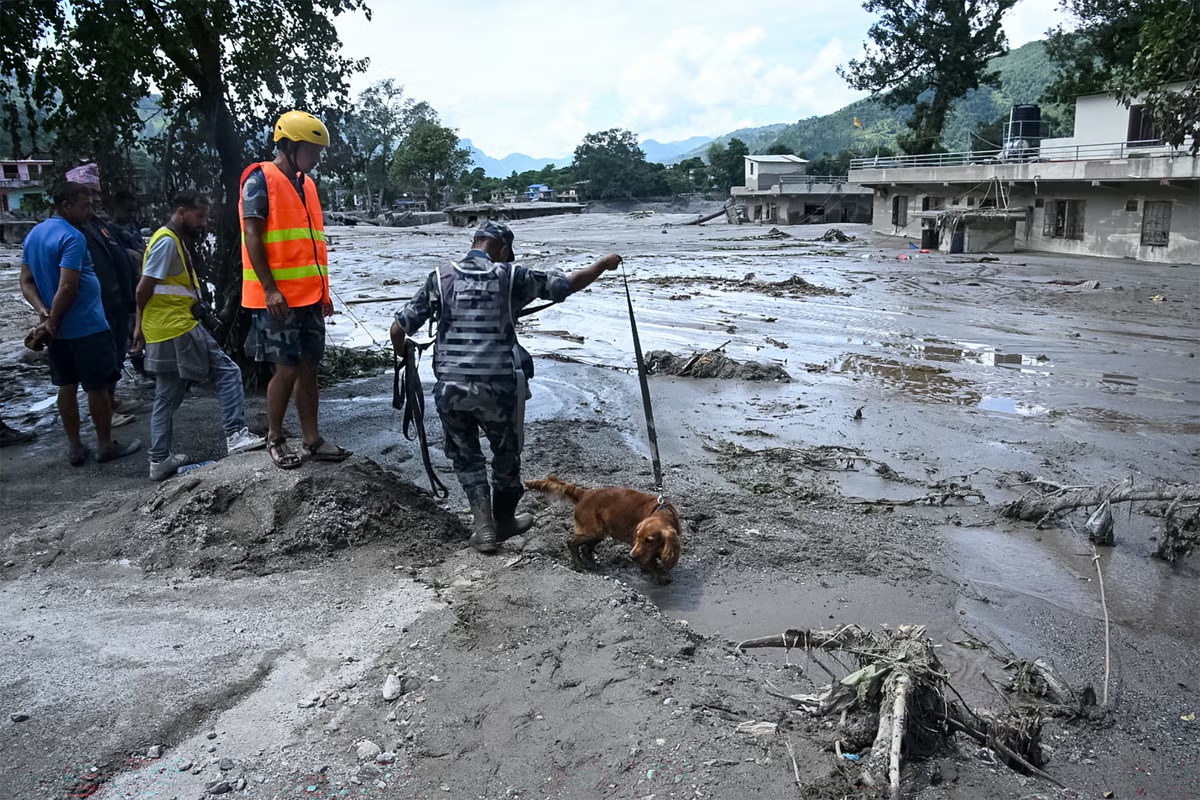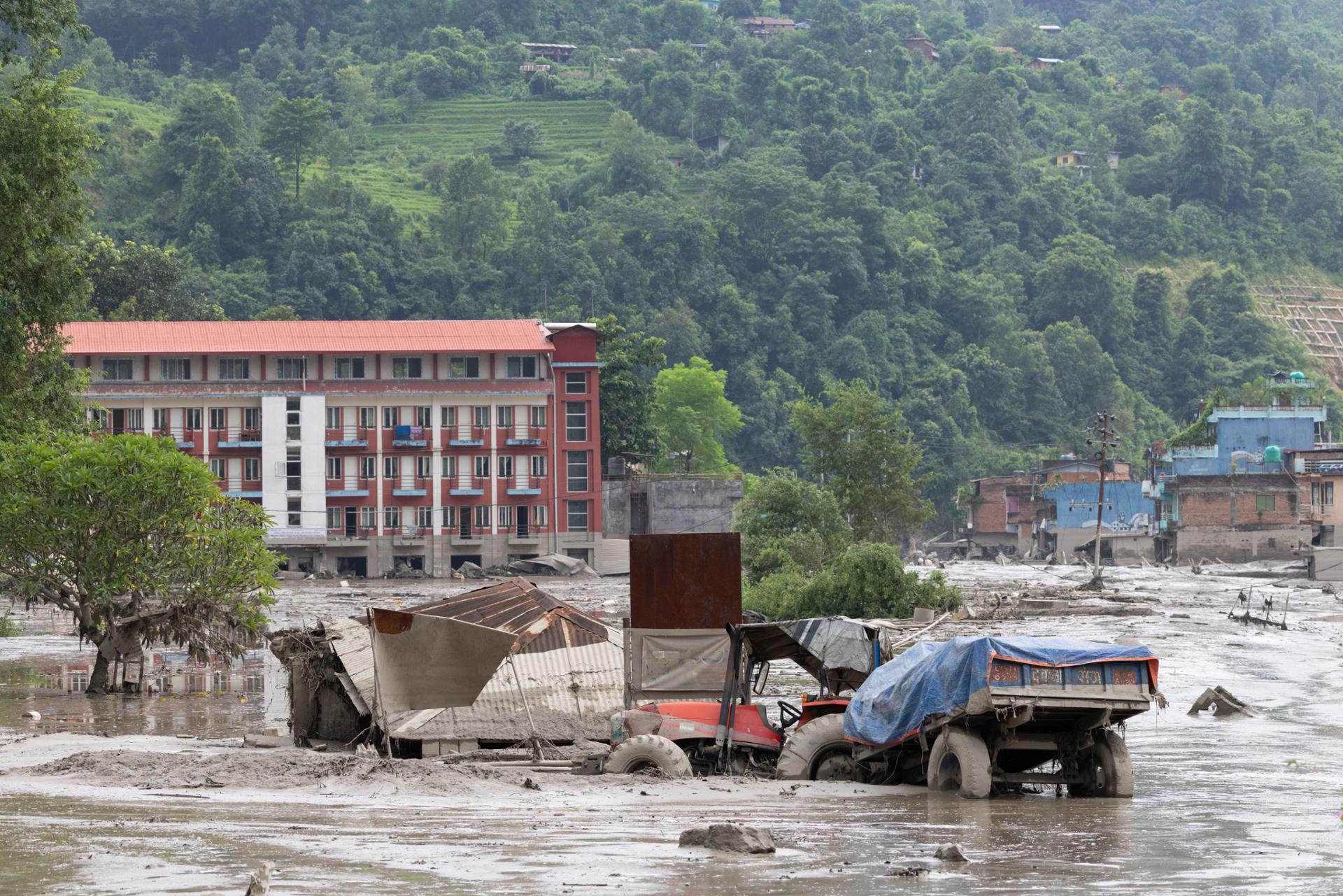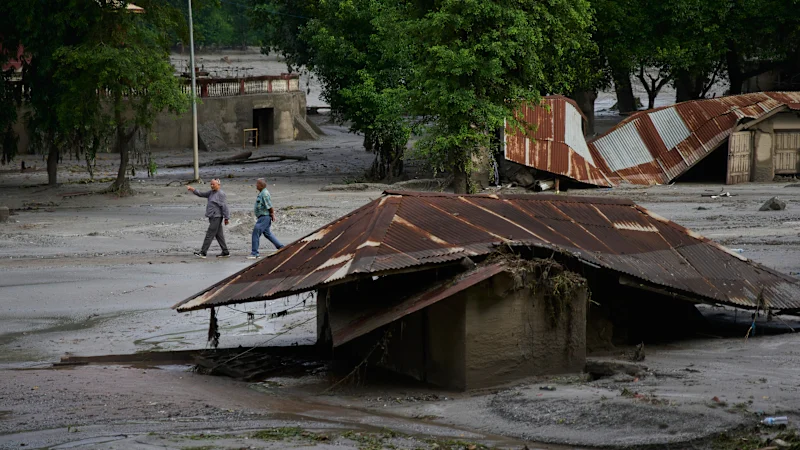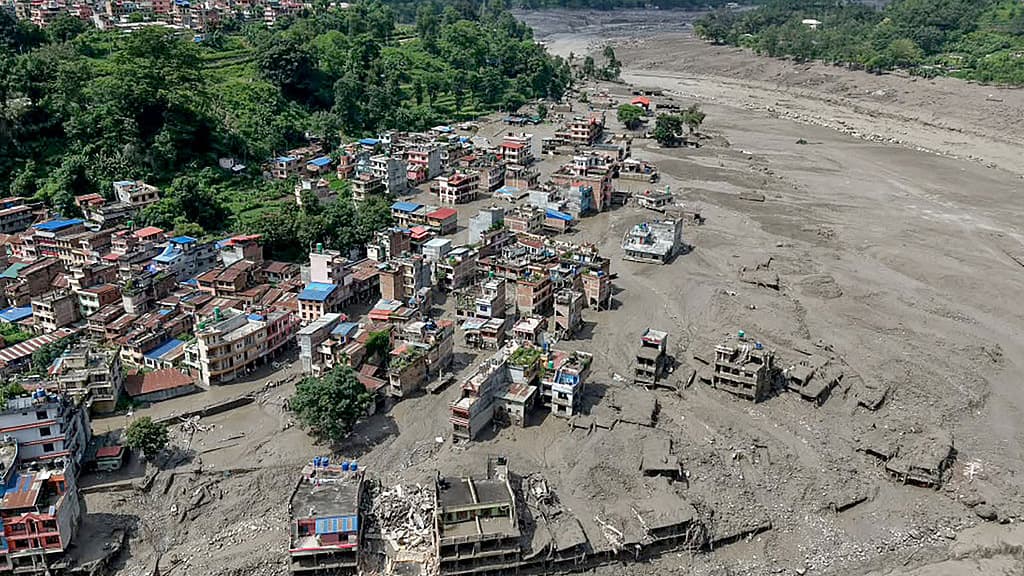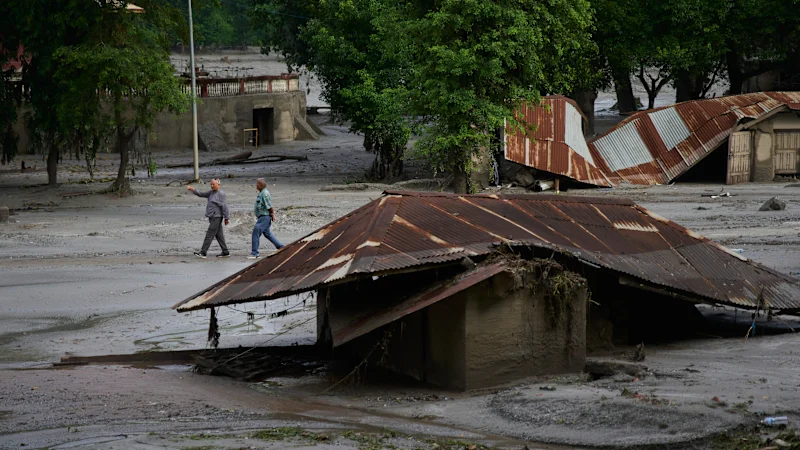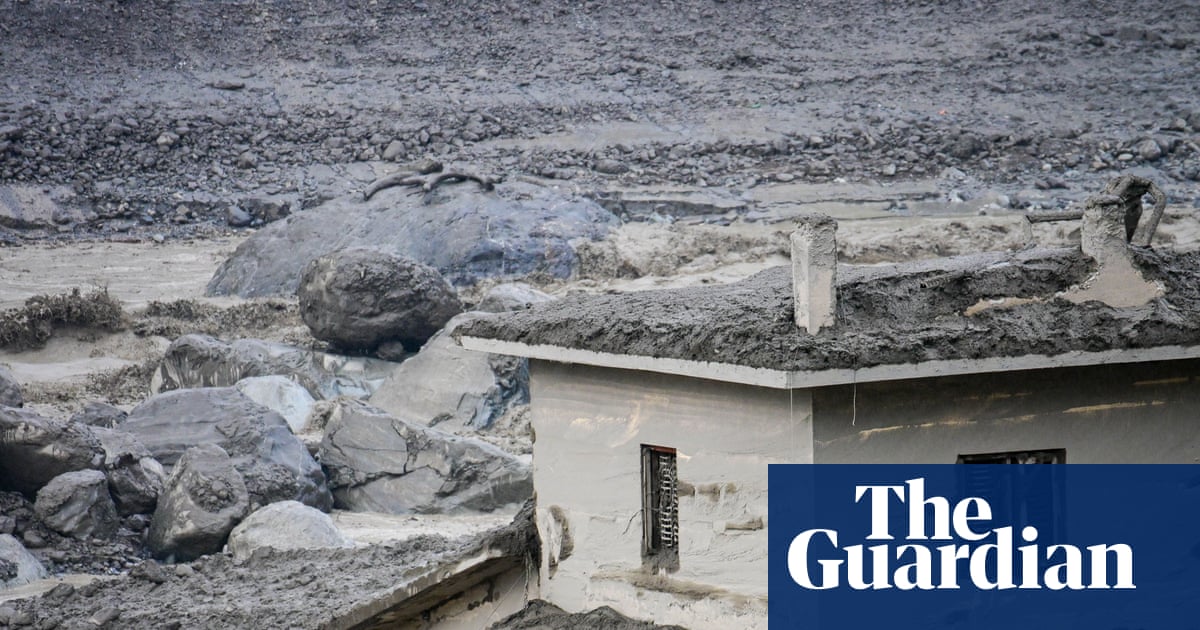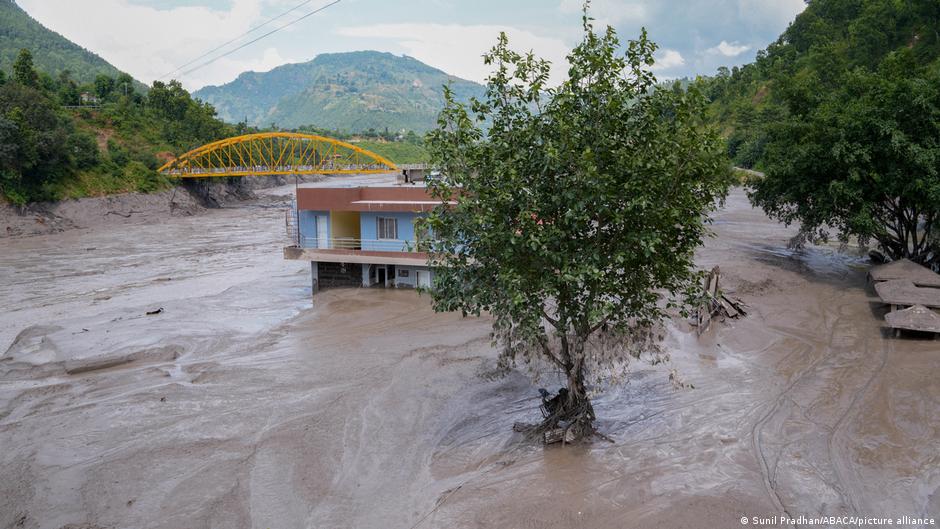
The disaster in the border region between China and Nepal was as sudden as it was unexpected: Within just 10 minutes, enormous volumes of water and debris swept 20 kilometers downstream on Wednesday, with devastating consequences for thousands of people in the region.
Flash floods are a frequent occurrence in the Himalayas. "They are more the rule than the exception," says Niels Hovius, head of the Geomorphology Section at the GFZ Helmholtz Centre for Geosciences in Potsdam. He has worked in the Himalayas and other mountainous regions for many years and is an expert on early warning systems.
What triggered the flash flood?
Scientific data indicate that the disaster began with a glacier collapse in the northern part of the Langtang massif: a large amount of ice broke away and turned into a massive ice avalanche. The Langtang massif is located in central Nepal near the border with China.Devastating flash floods hit northern NepalTo view this video please enable JavaScript, and consider upgrading to a web browser that supports HTML5 video
"This glacier collapse sent huge amounts of ice rapidly downhill," says Hovius. The heat generated by friction melted the ice into water, which then swept up debris and mud. The resulting mudflow moved downhill at speeds "reached by passenger cars on German highways."