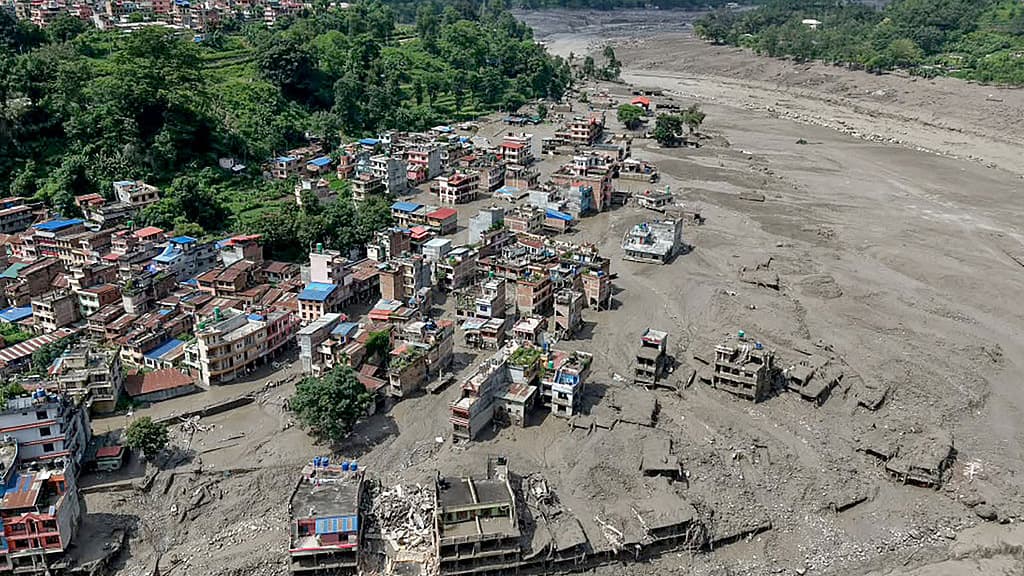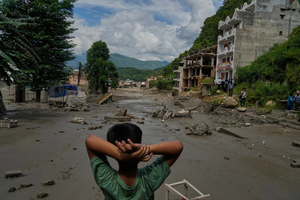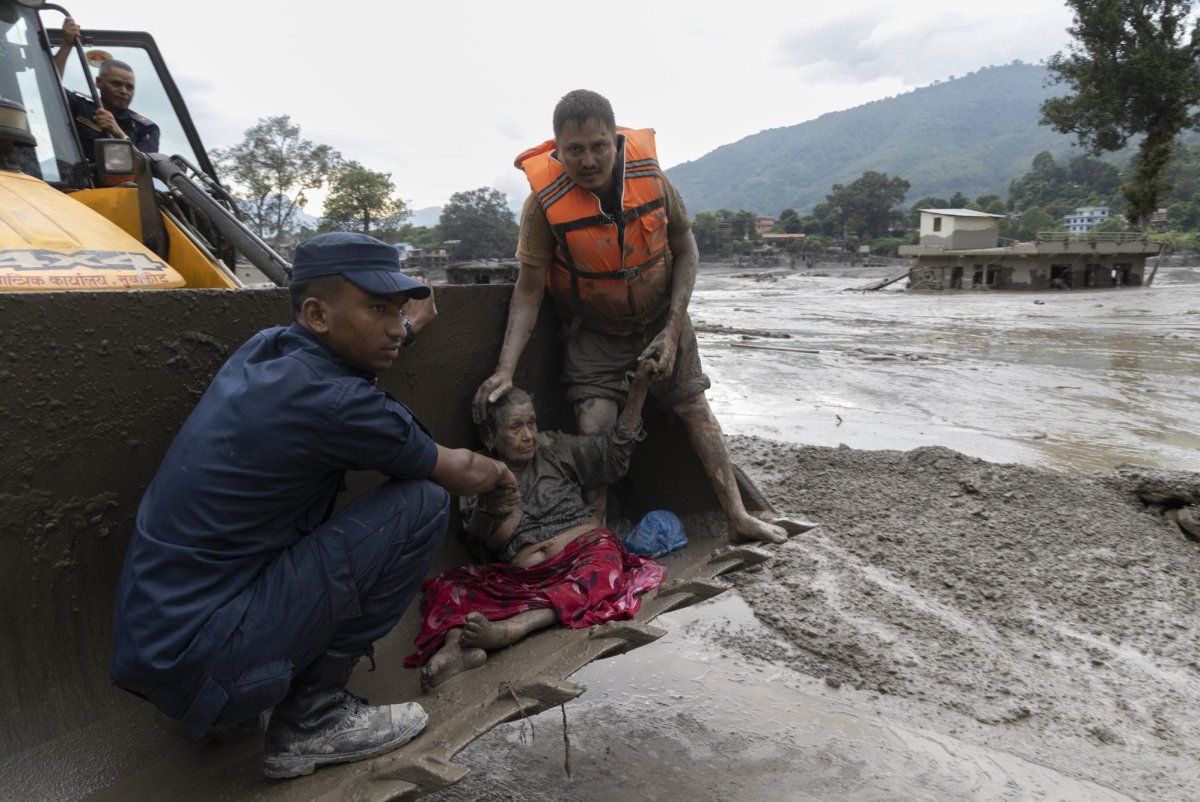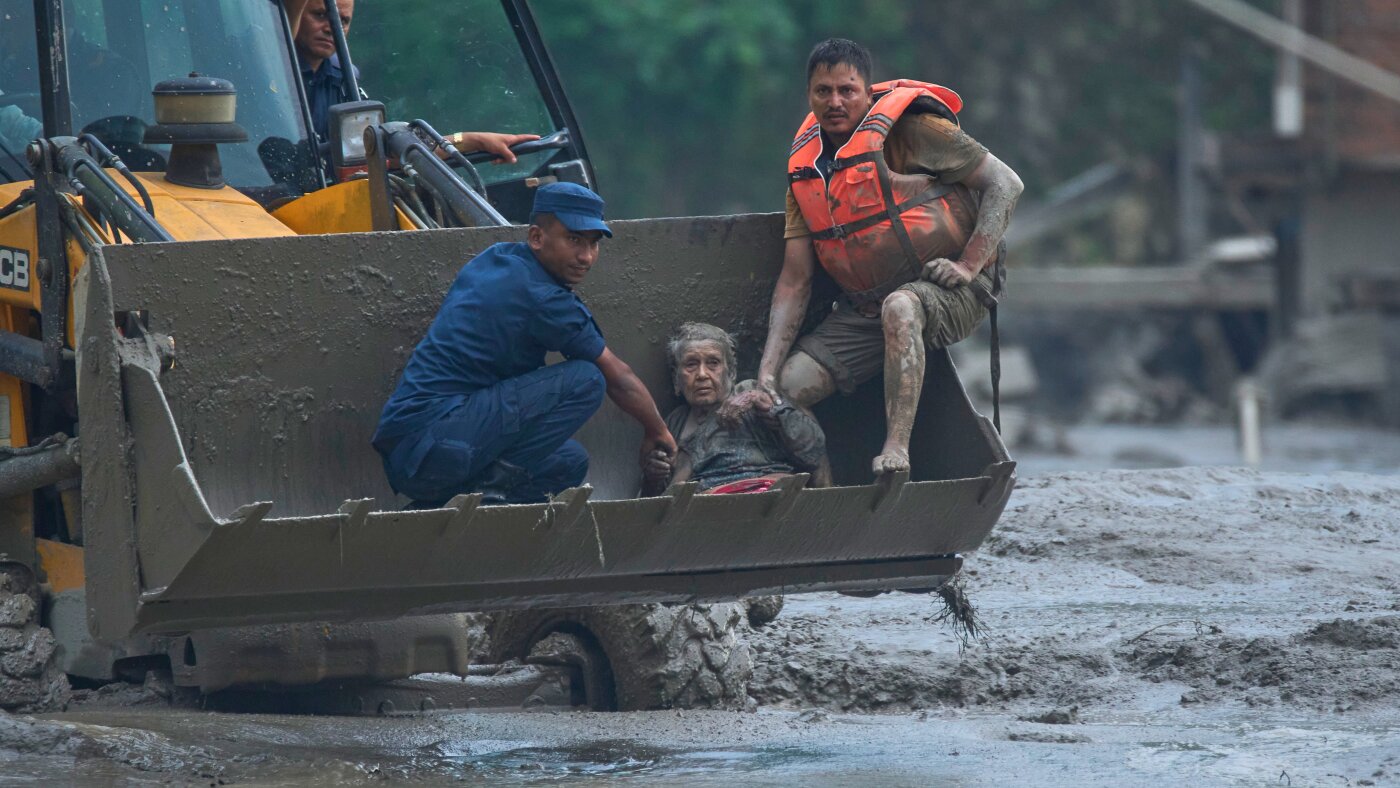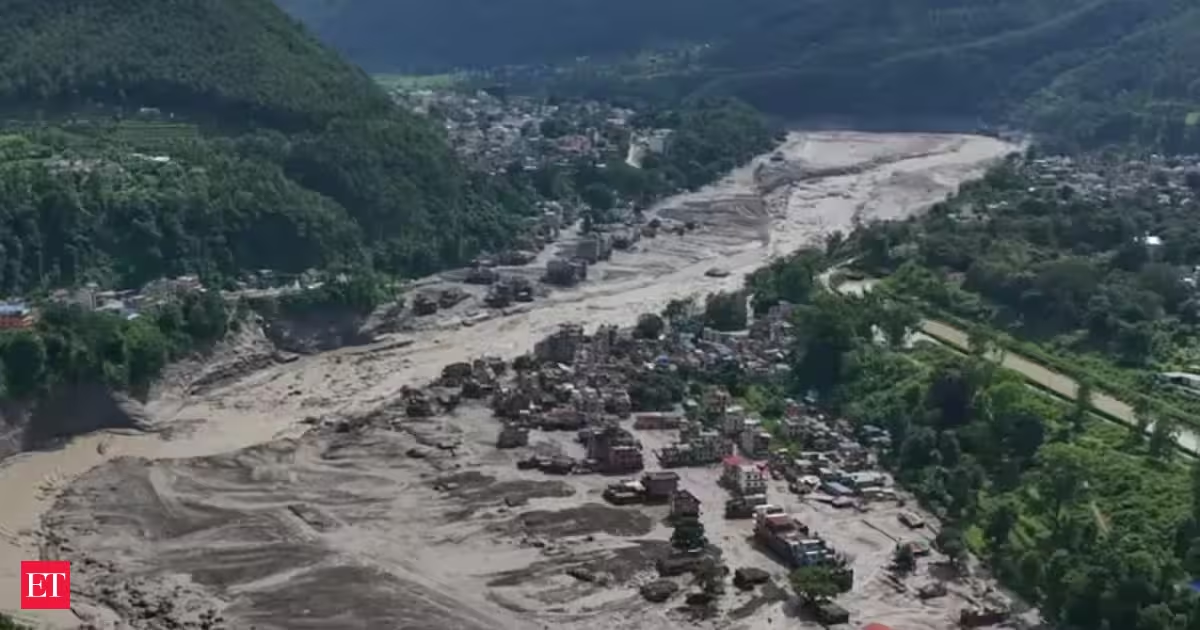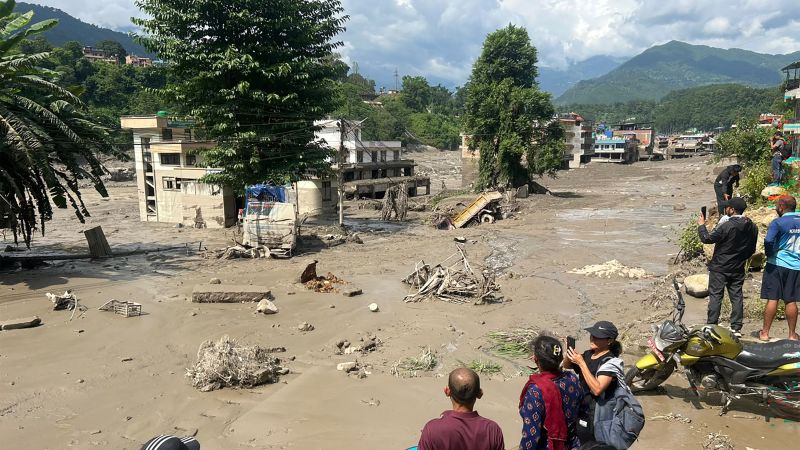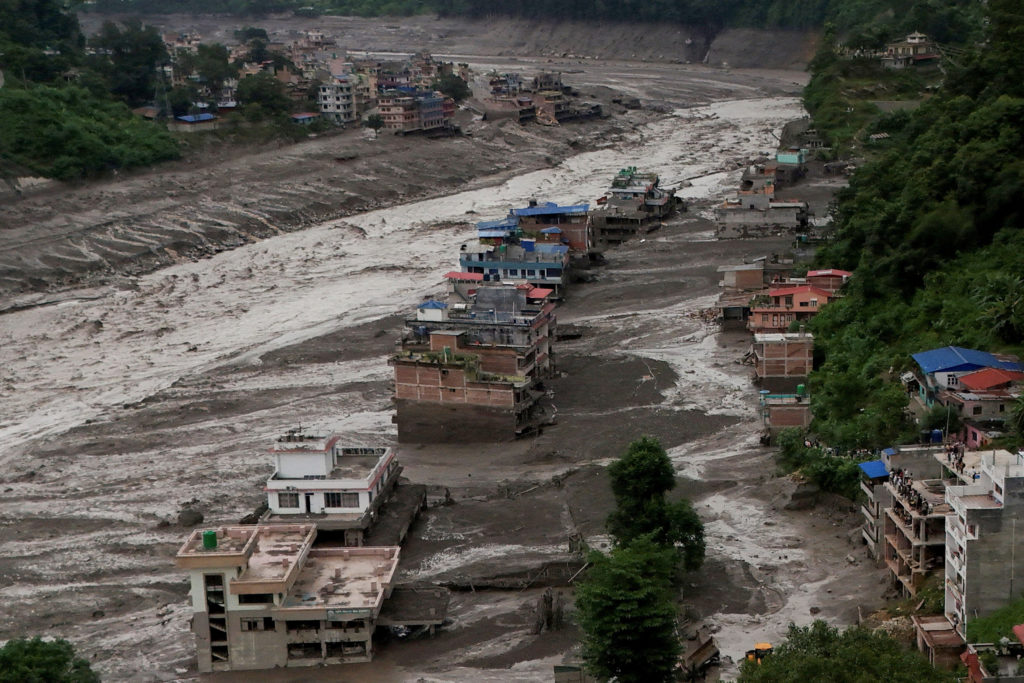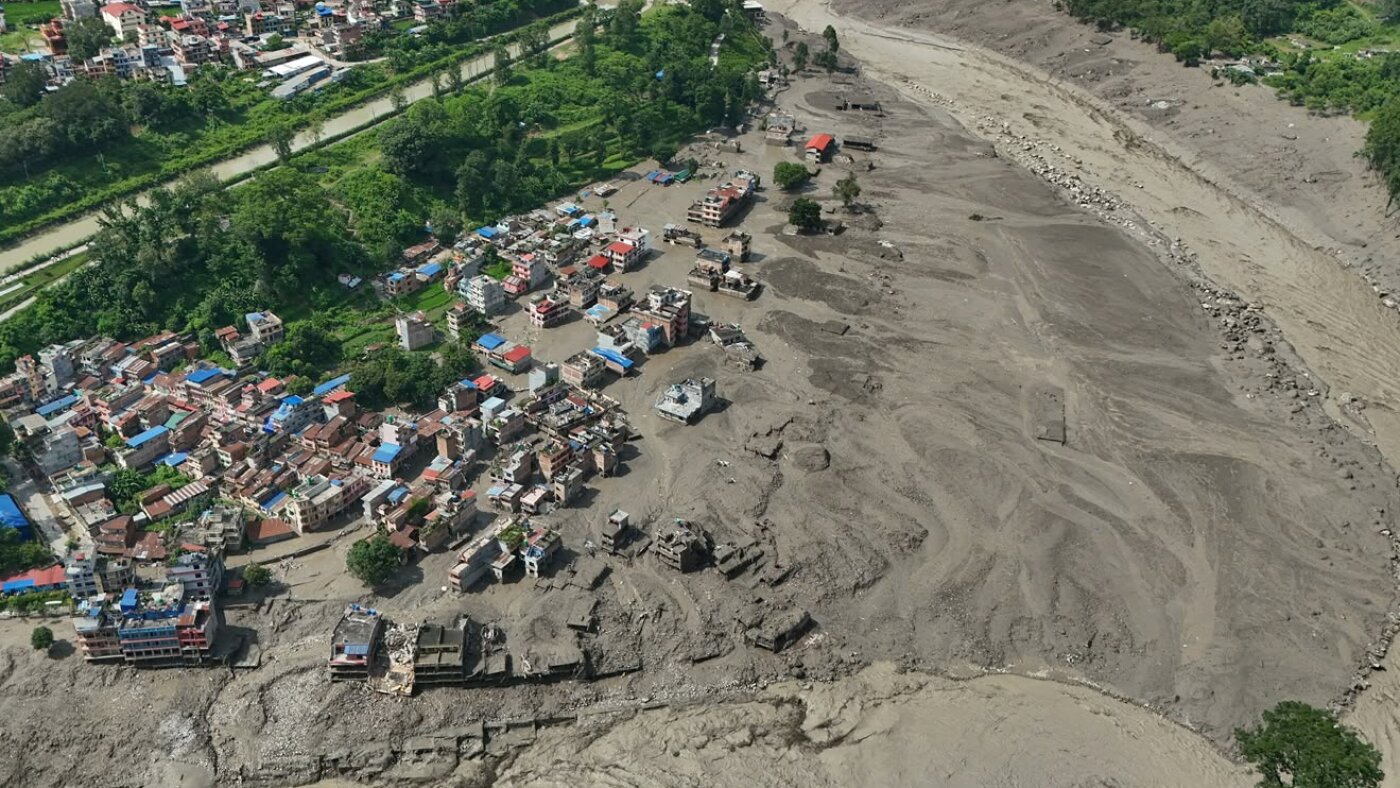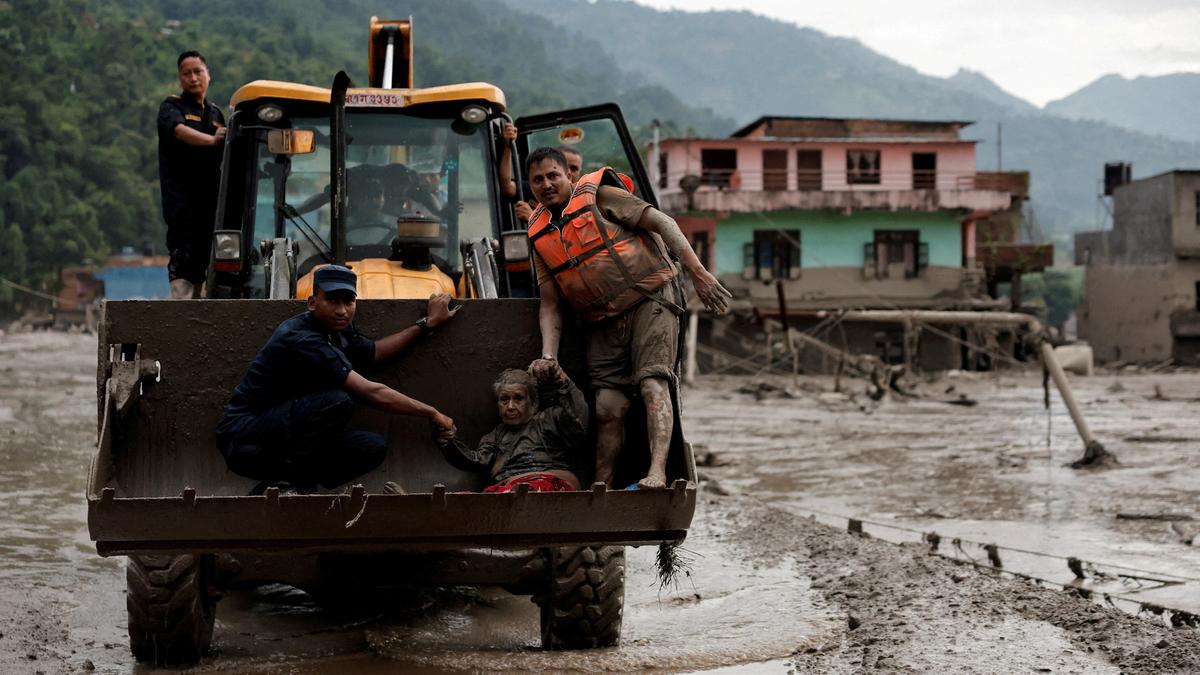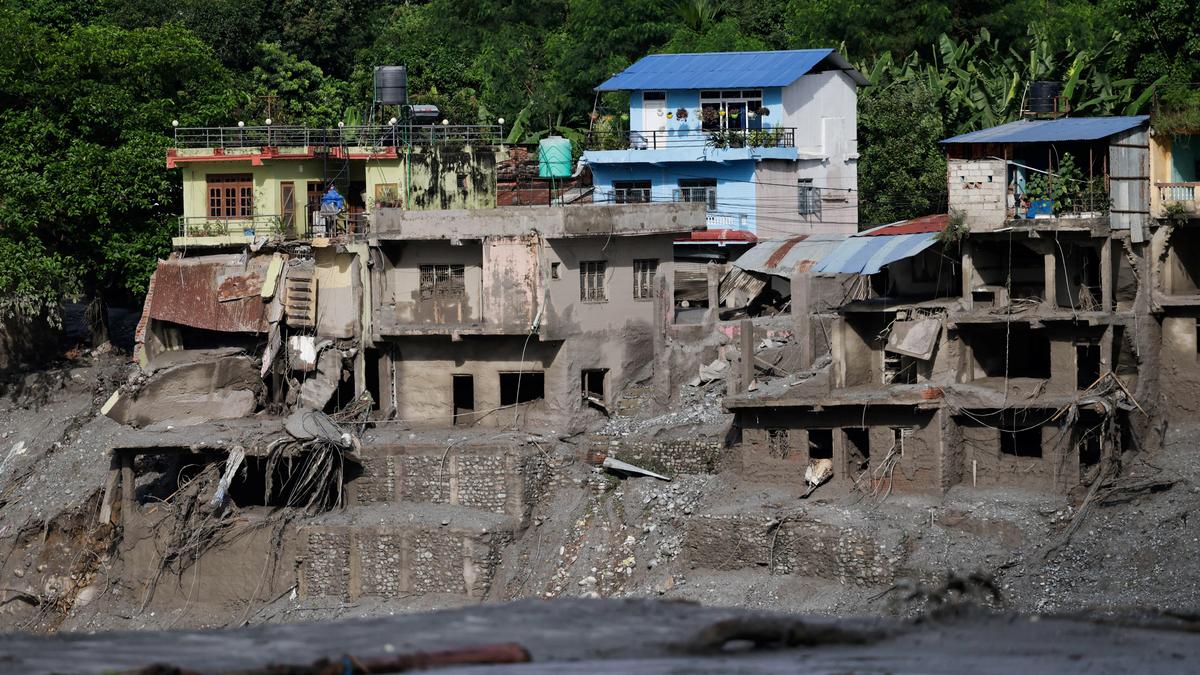
Damaged houses following devastating floods, in Trishuli in Nuwakot district, Nepal, on August 27, 2026.
| Photo Credit: Reuters
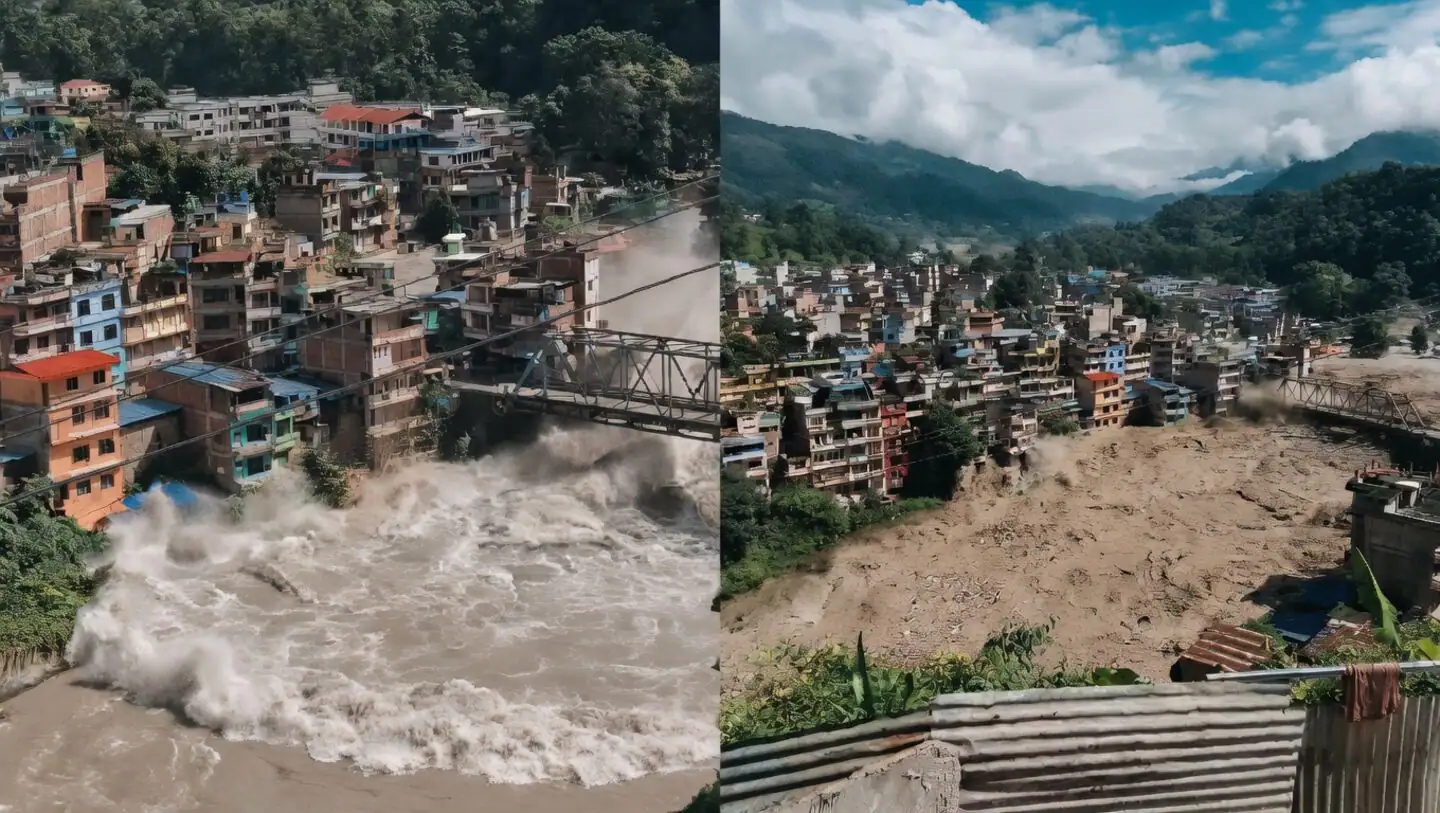
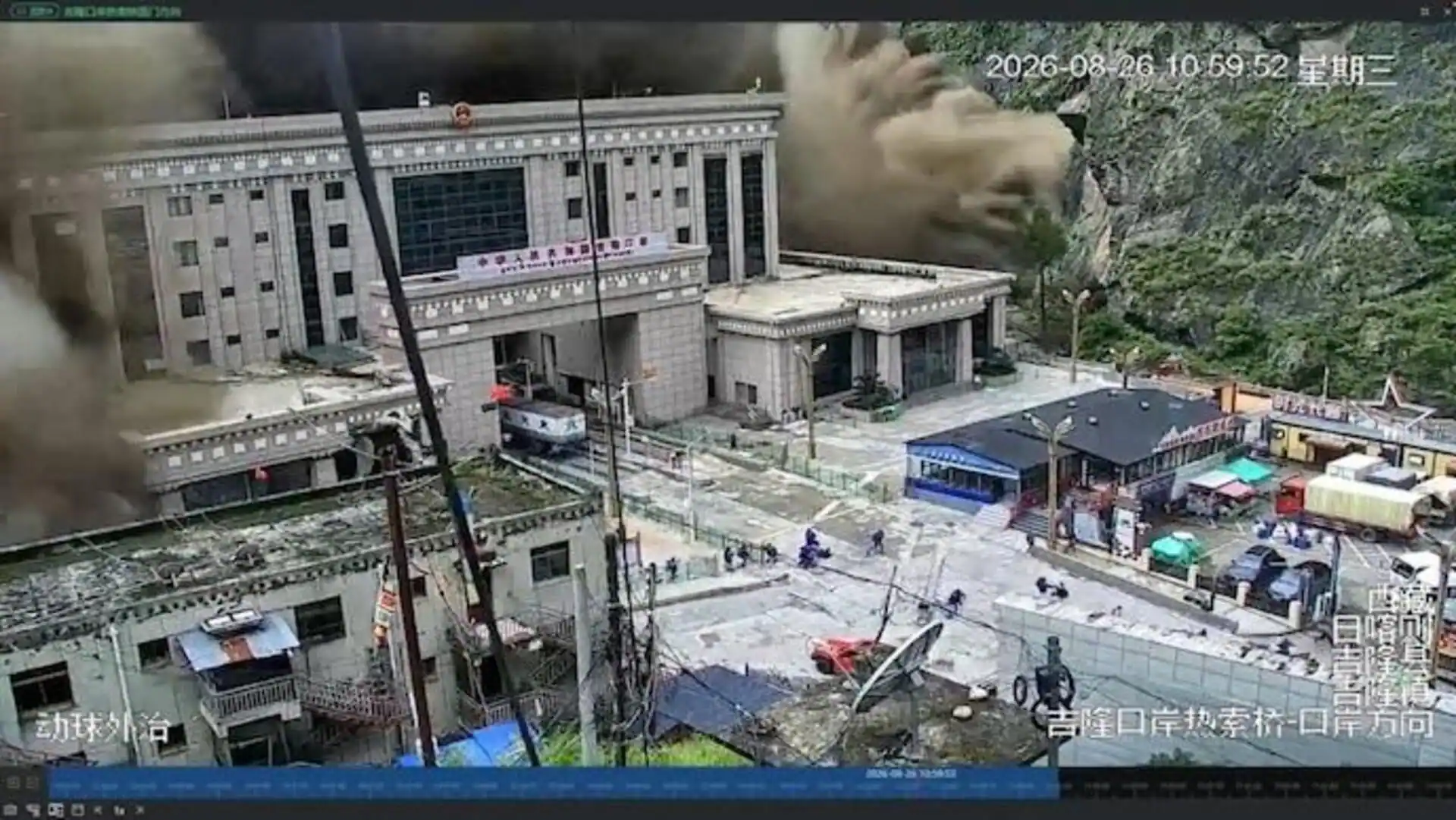
Catastrophic flooding on the Nepal-Tibet border unleashed waves of water and debris that have killed at least 160 people and left hundreds more missing. The exact sequence of events is still unclear, but on Wednesday (August 26, 2026) morning, torrents of water and debris crashed downstream on both sides of the border.Surveillance video from the Chinese side showed a wall of mud and water crashing over a building as terrified people ran away. In Nepal, a surge of water hit villages and towns on the path of two rivers - Bhote Koshi and Trishuli.The disaster was intially described as a flood on the Nepalese side, and a mudslide by Chinese authorities. While preliminary satellite analysis points to a rock-and-ice landslide as the immediate cause, experts say a thorough assessment is needed to establish the sequence of events and whether a glacial process also contributed to the flood.Nepal’s National Disaster Risk Reduction and Management Authority, citing a preliminary analysis of Planet Labs satellite imagery, said in the evening that a rock-and-ice landslide along the Nepal-China border, about 20 km northeast of the Rasuwagadhi border crossing, caused a debris-laden flood in the Lhende River, a tributary of Bhotekoshi, that flowed through Timure and entered the Trishuli River. Earlier, Foreign Minister Shishir Khanal told Parliament that preliminary information suggested an earthquake around 8.37 a.m. triggered an ice avalanche, which was followed by the flood around 8.40 a.m. “The information needed further verification,” he said.