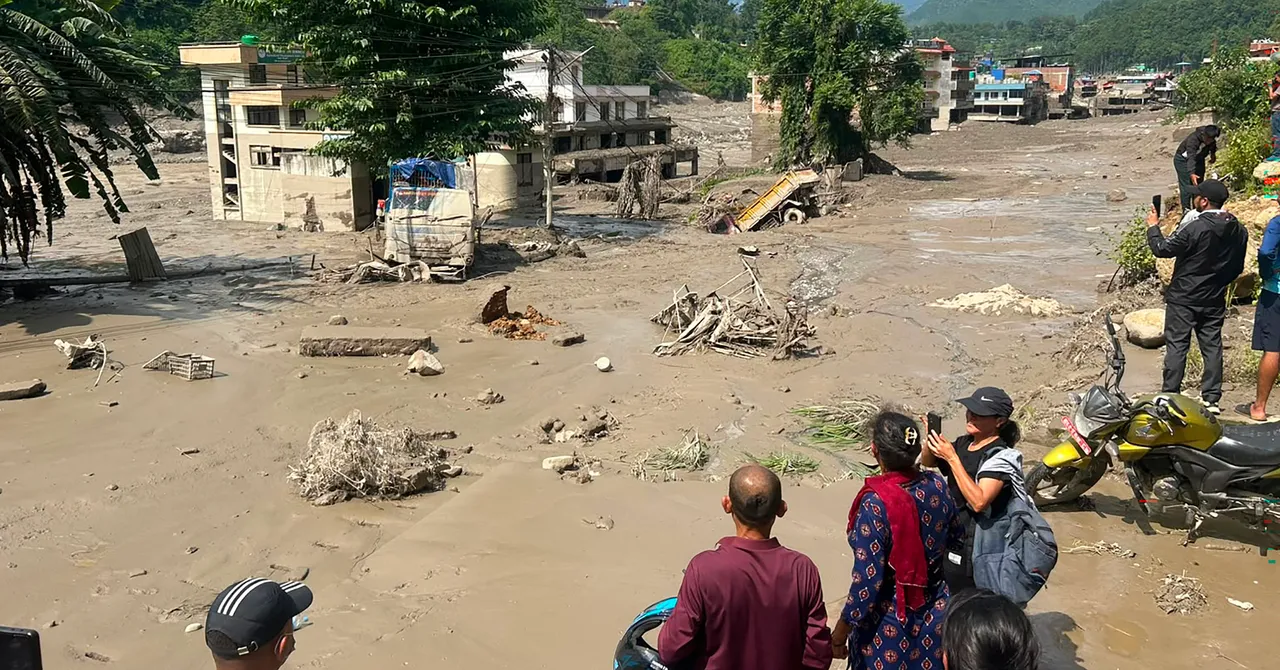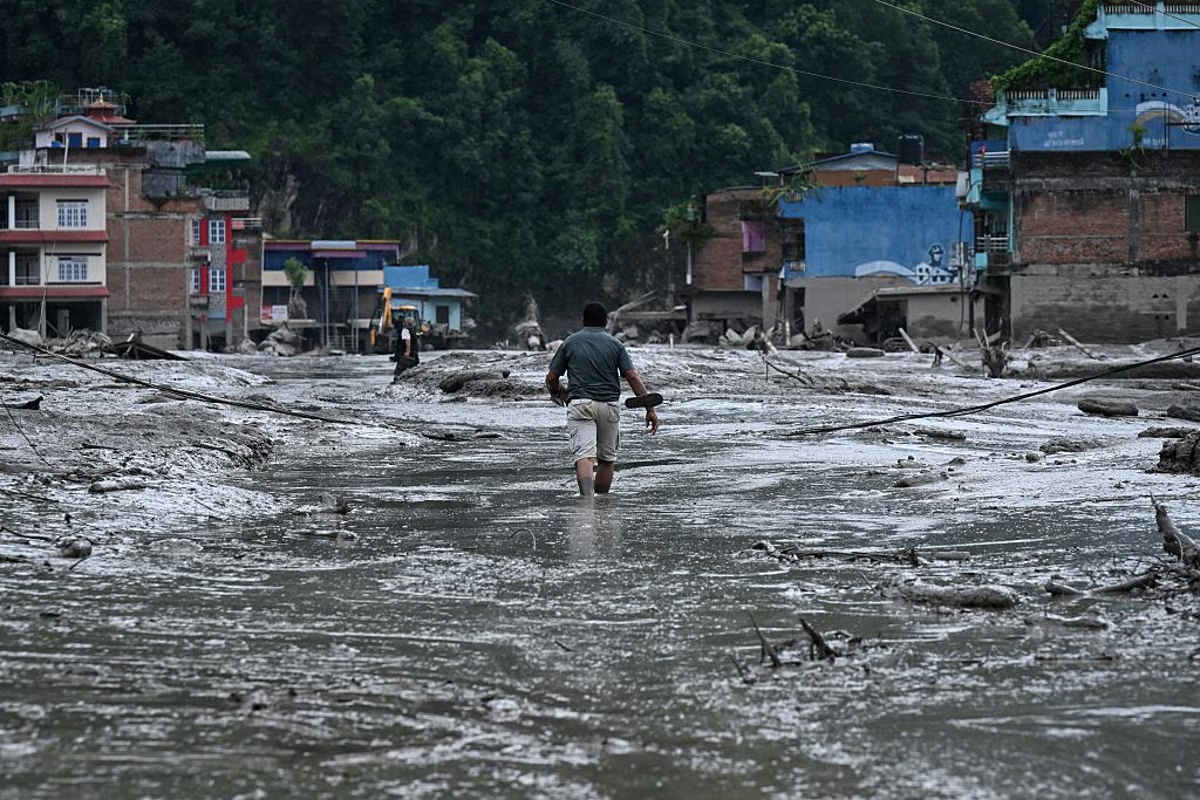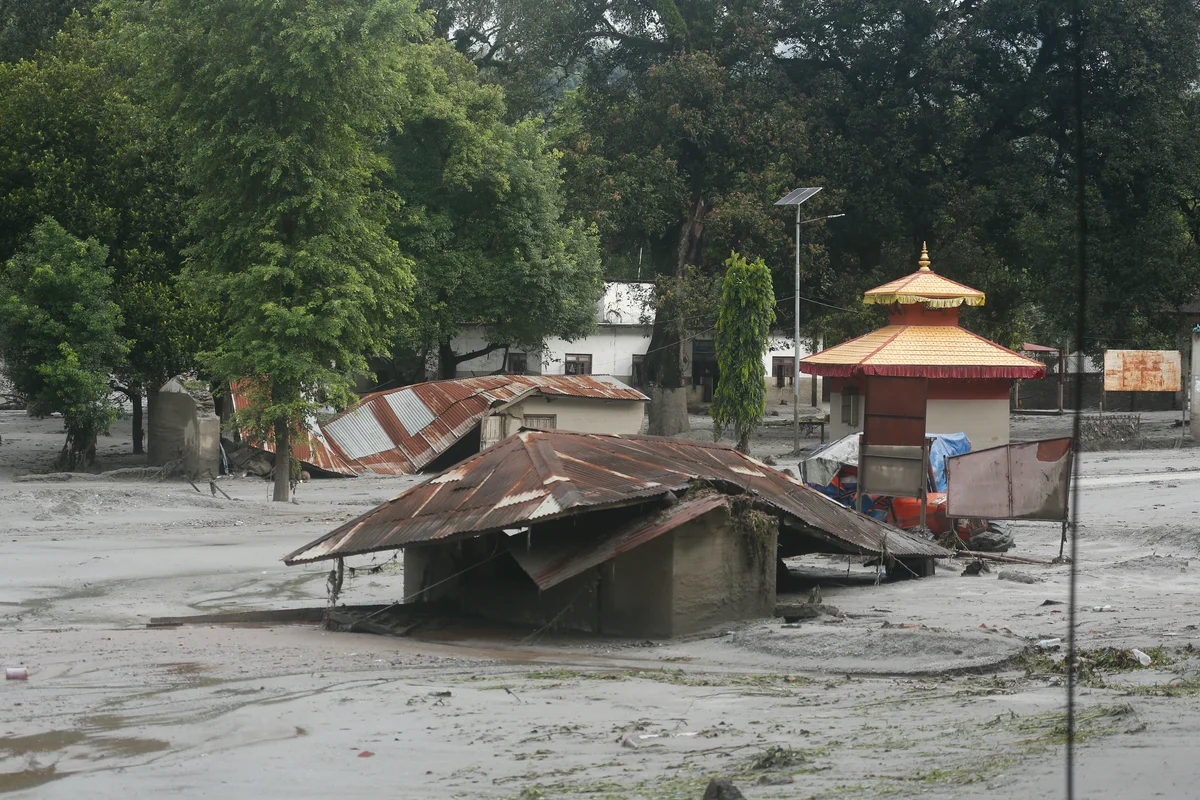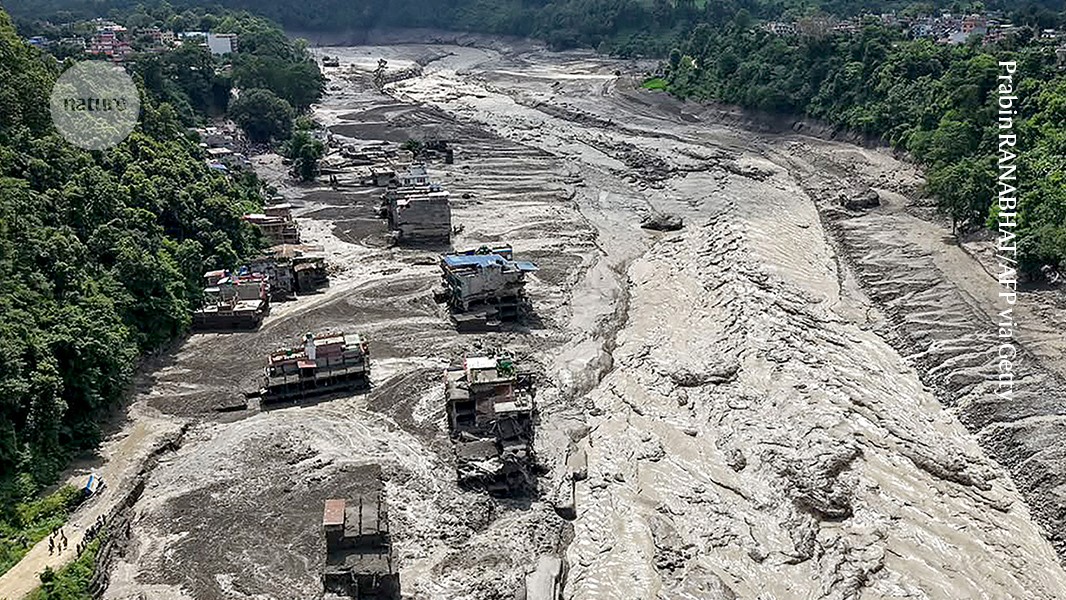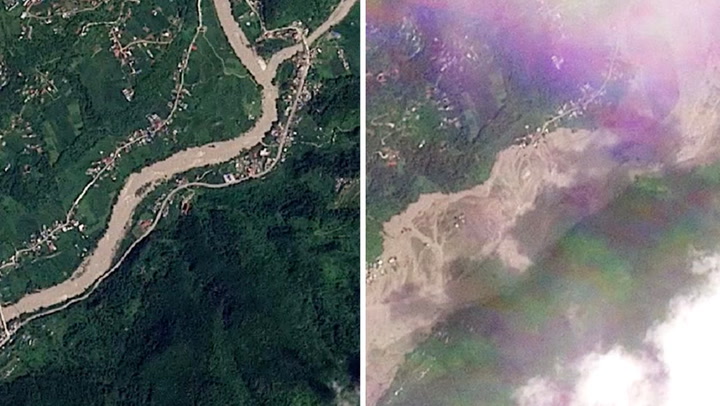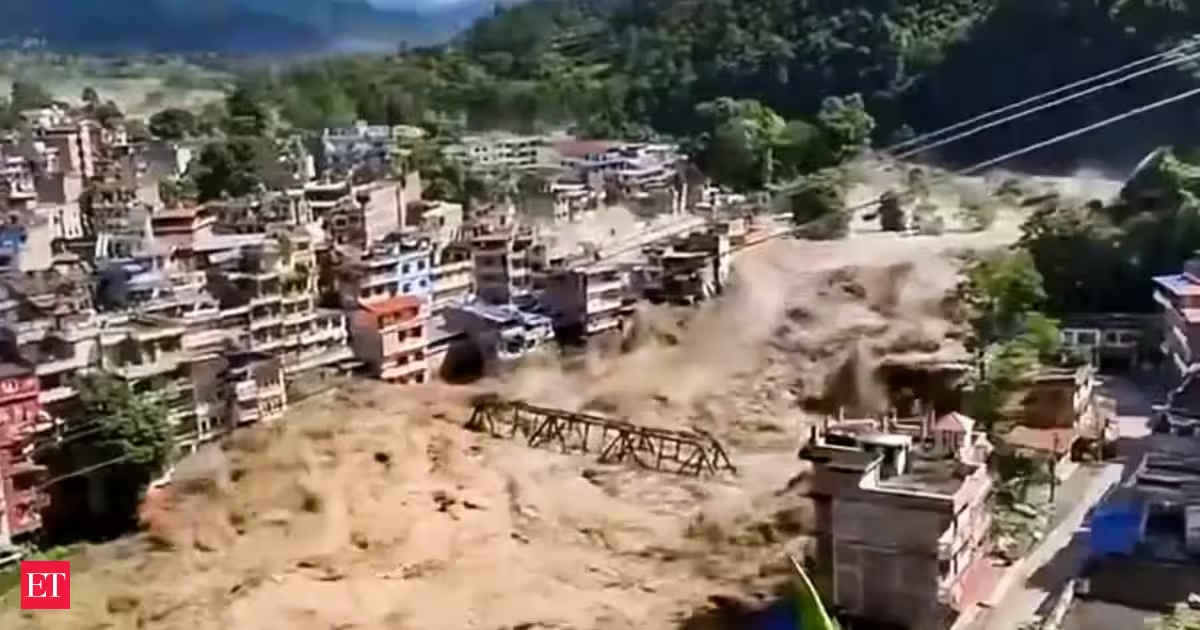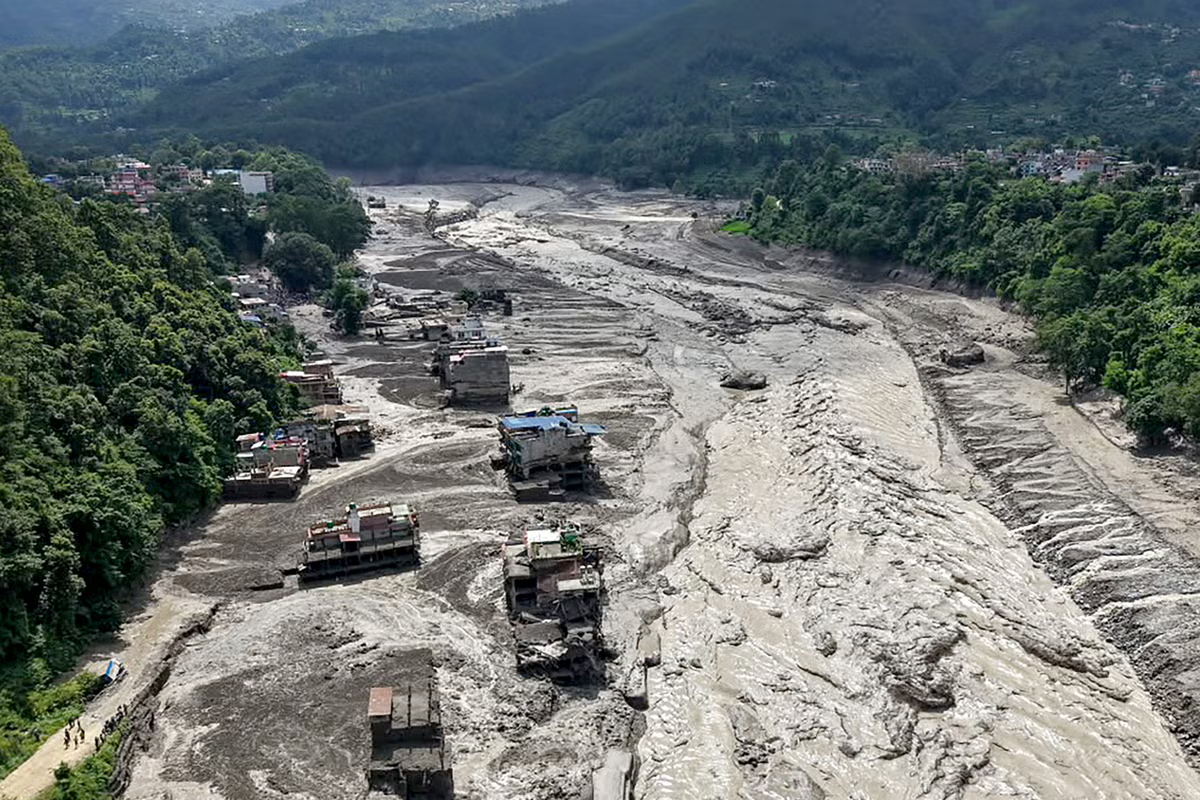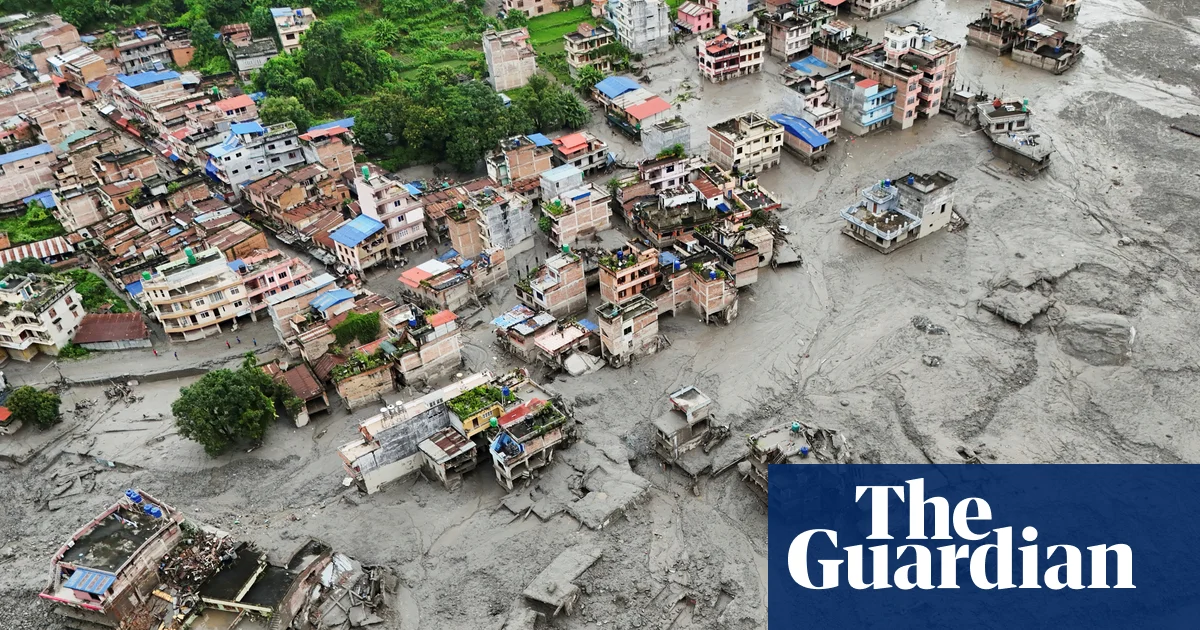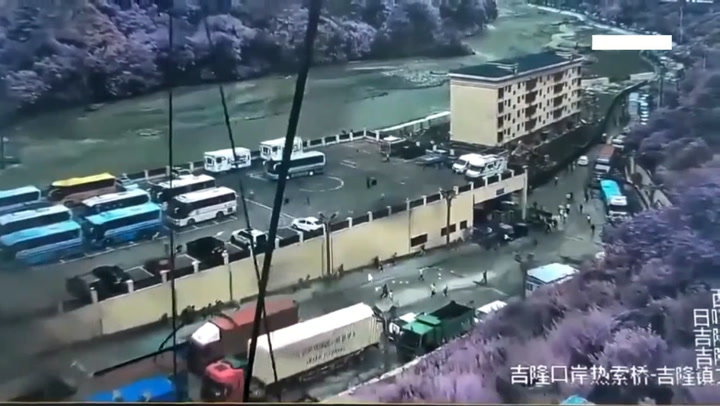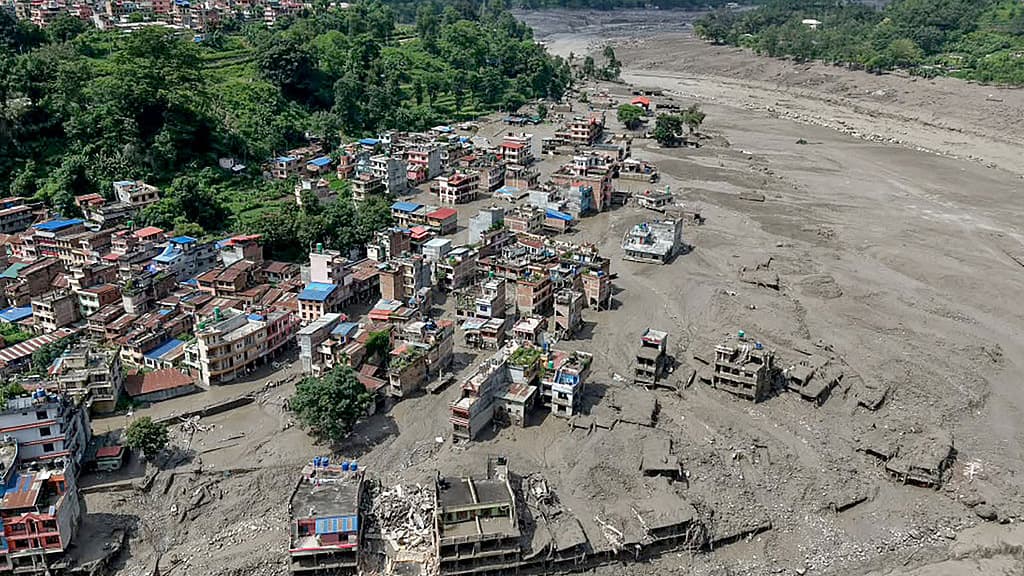
Disaster struck Nepal on Wednesday after a flash flood ravaged the Himalayas and foothills. As of Thursday, at least 359 people including several foreign tourists, had died, while at least 300 Indians remained missing. Satellite imagery analysed by global agencies, including the Indian Space Research Organisation, points to a glacier collapse or ice-rock avalanche in Tibet, possibly followed by a temporary river blockage and its sudden failure. An earthquake was initially suspected, but evidence has not borne it out. While the immediate flood wave has passed, there are warnings of possible secondary flooding from debris blockages upstream. There has been extensive damage along the Bhote Koshi and Trishuli corridors, with settlements washed away and hydropower and monitoring infrastructure damaged. Nepalese authorities said 35 motorable and 45 suspension bridges and about 40 kilometres of roads had been damaged.Given that it is the monsoon, north India and the larger Himalayan regions are under the influence of a powerful Western Disturbance. It would thus not have been unreasonable to attribute the floods to these extratropical storms that can cause clouds to collide with mountains and release enormous quantities of rain at short notice. But the ubiquity of satellites is helping establish a more complex picture, pointing to collapsing glaciers and recalling the October 2023 South Lhonak Lake disaster in Sikkim. There, an eponymous Himalayan glacier suddenly gave way, releasing millions of tonnes of water, debris and rock that pulverised Sikkim’s largest hydropower project. Subsequent analysis showed that the resulting Glacial Lake Outburst Flood (GLOF) had been years in the making. The Indian Himalayas have nearly 7,500 glacial lakes and about 15,000 glaciers, some monitored through remote sensing. Yet, fully assessing their condition requires site visits, difficult because these lakes lie in inhospitable terrain while expeditions are generally feasible only from July to September. Even with satellite monitoring, accurately forecasting a glacier collapse remains exceedingly difficult — and can be counterproductive if warnings trigger panic among residents who, often because of habit or lack of alternatives, are unlikely to move out of harm’s way. Dams and hydropower projects in such terrain are often among the first casualties of these natural outbursts, which are increasing amid global warming. Beyond relief and rescue, governments must enforce construction codes, discourage settlements and large projects in known vulnerable zones, and invest in better tracking of glacier health. Such monitoring can feed long-term disaster planning into development programmes. A tragedy is frequently not the result of a conspiracy but the product of passive neglect; the latter can be addressed. Published - August 28, 2026 12:20 am IST
Danger from above: on the Nepal flood
Nepal’s disaster highlights how the the risk of natural outbursts in fragile Himalayan terrain is increasing amid climate change
428 words~2 min read