WARPTECHNEWS · LAB
HomeAIBusinessTechArchive
WARPTECH LAB NEWS

Warptech Lab News aggrega le notizie più rilevanti da oltre 700 fonti internazionali, con classificazione AI, TL;DR sintetici e timeline cluster su singole storie.

Navigazione

  • Home
  • Archivio
  • Editor's Brief
  • Cerca
  • Il tuo account
  • Newsletter tech/AI

Informazioni legali

  • Privacy Policy
  • Termini di servizio
  • Cookie Policy

© 2026 Sparktech S.R.L. — Tutti i diritti riservati. Sito gestito e manutenuto da Sparktech S.R.L.

Sede legale: Corso Libertà 55, 13100 Vercelli (VC), Italia · P.IVA / C.F. 02835910023 · Contatti: admin@warptechlab.com

Home
Storia in 7 fonti

Synthetic biology may finally be ready to solve life's biggest mystery

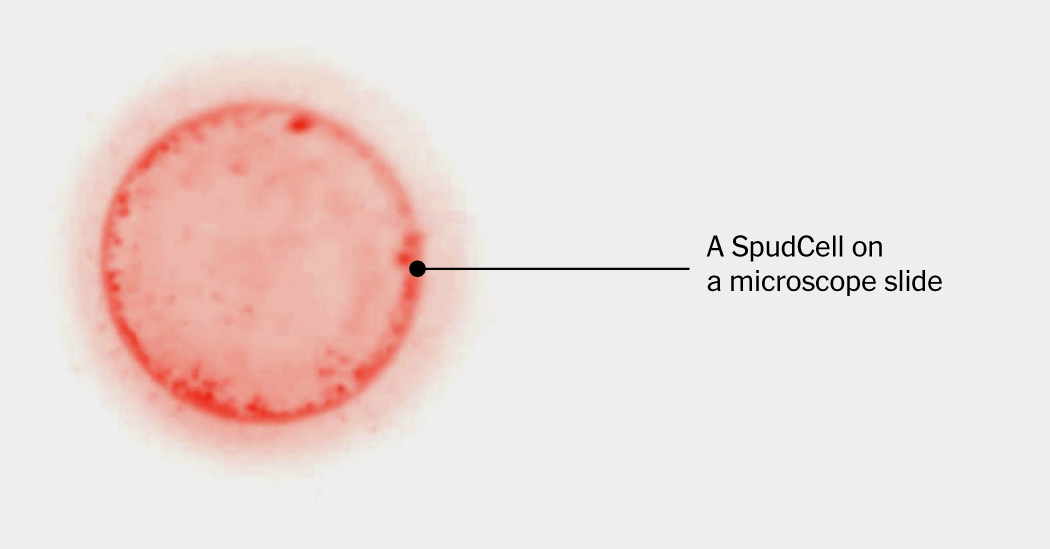
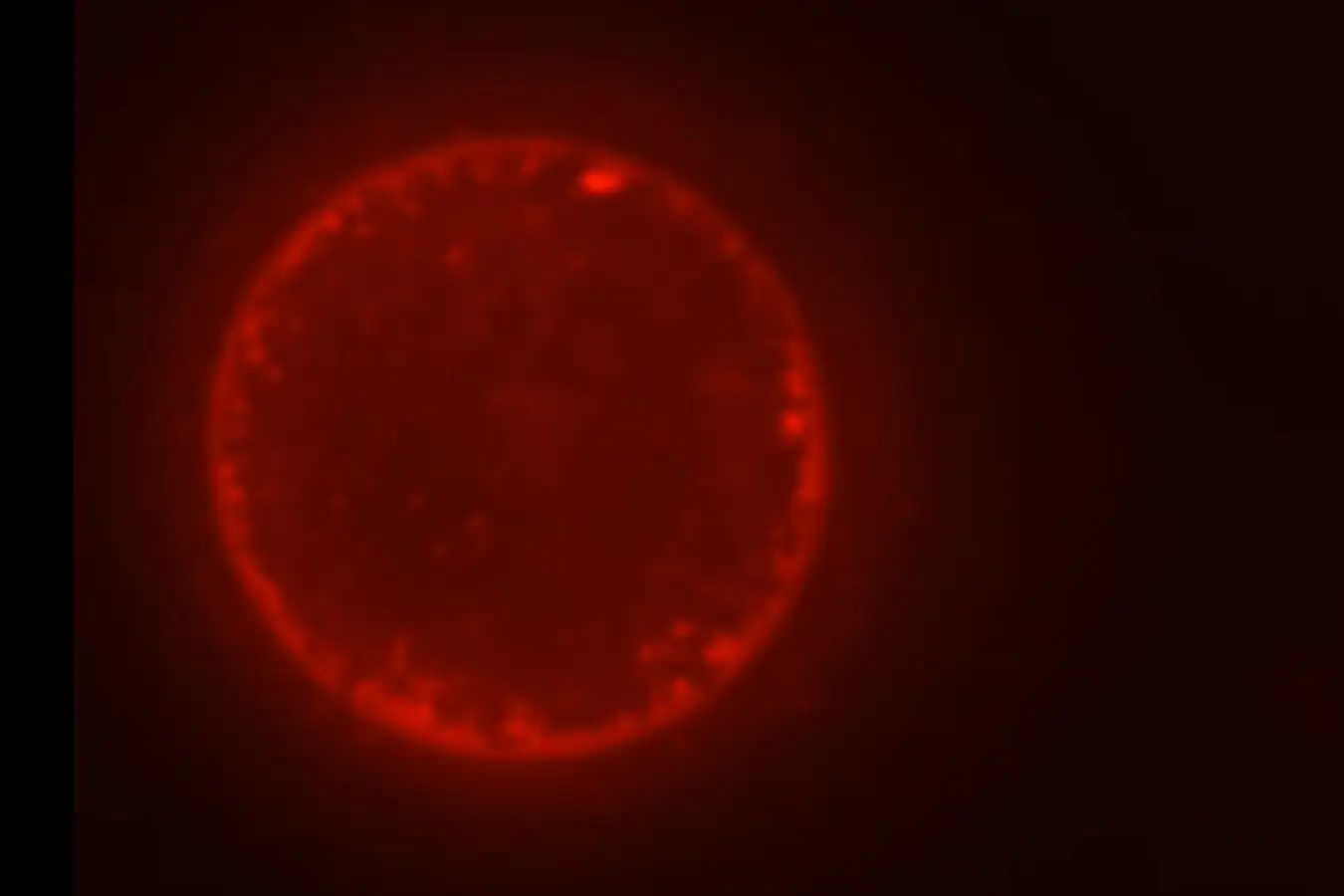
What makes something alive? We simply don't know, but synthetic biologists are a step closer to providing an answer thanks to SpudCell, the most sophisticated attempt at creating an artificial life form yet

Raccontata danytimes.comstatnews.comtheregister.comnewscientist.comeconomictimes.indiatimes.comtheweek.comthenextweb.com

Confronto fonti

6 prospettive sulla stessa storia
AI · summaries
newscientist.comStai leggendo2 g fa

Synthetic biology may finally be ready to solve life's biggest mystery

What makes something alive? We simply don't know, but synthetic biologists are a step closer to providing an answer thanks to SpudCell, the most sophisticated attempt at creating an artificial life form yet

originale
economictimes.indiatimes.com2 g fa

Scientists create artificial life from chemicals, and it eats, grows, and divides like the real thing

Scientists at the University of Minnesota have engineered "SpudCell," a lab-made entity from lifeless chemicals that mimics key life processes like eating, growing, and dividing. This groundbreaking creation, resembling…

Leggi questa versione → originale
statnews.com3 g fa

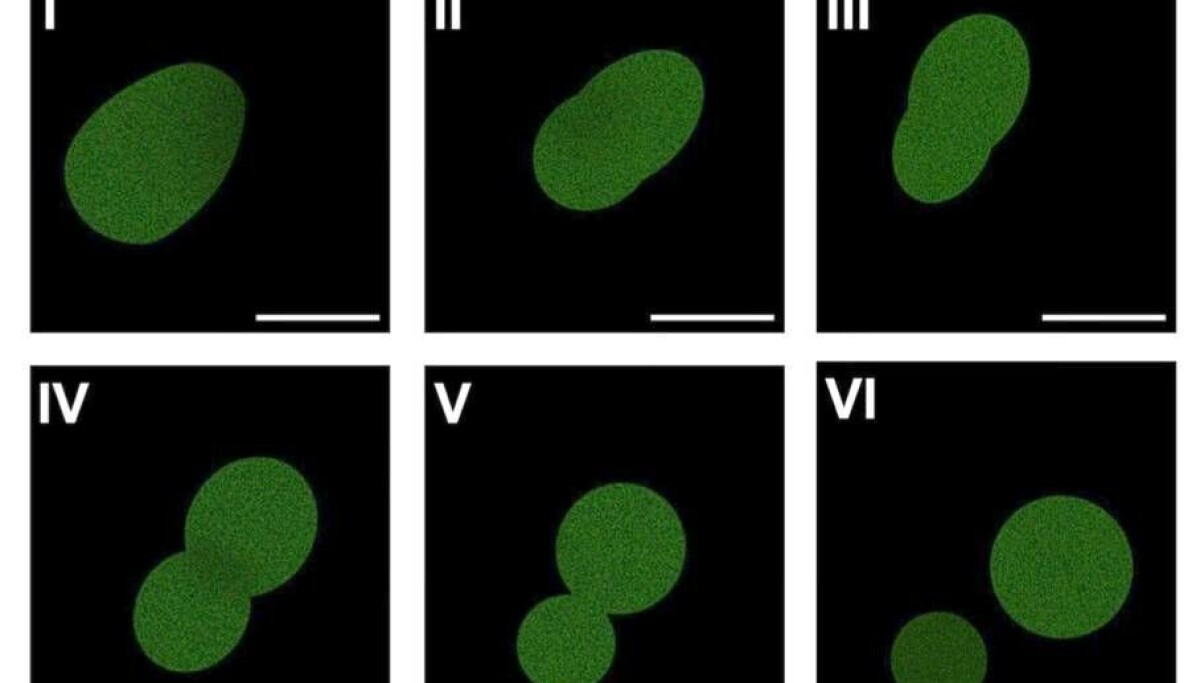
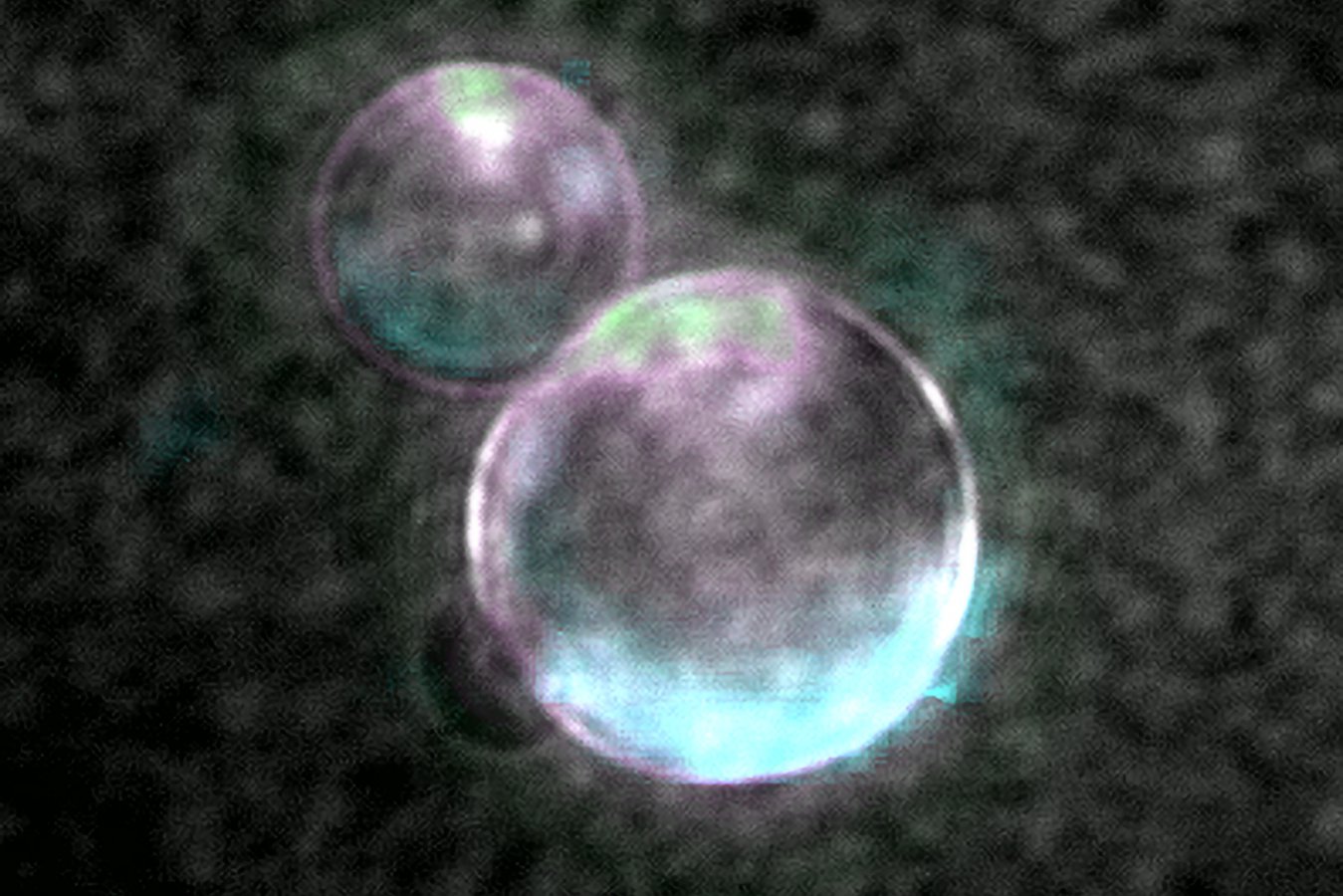
Synthetic biology researchers think they’ve made a cell. Is it alive?

Researchers have created what they say may count as the first synthetic cell, and have started a public benefit corporation to share the technology with
Leggi questa versione → originale
theregister.com2 g fa

An artificial cell with a full lifecycle has been created for the first time

SpudCell can feed, divide, and even outcompete its siblings. It's not truly alive, its creator tells us, but it could still transform the bioengineering world

Leggi questa versione → originale
thenextweb.com1 g fa

SpudCell: the first synthetic cell with a full life cycle

Scientists built SpudCell, the first synthetic cell that grows, divides and evolves, entirely from non-living chemicals. They still won't call it alive.

Leggi questa versione → originale
nytimes.com3 g fa

This Cell Feeds, Grows and Reproduces. And It’s Manmade.

From chemical building blocks, scientists have created synthetic cells that have most of the hallmarks of life.

Leggi questa versione → originale

Timeline cronologica

  1. mercoledì 1 luglio 2026·nytimes.com

    This Cell Feeds, Grows and Reproduces. And It’s Manmade.

    From chemical building blocks, scientists have created synthetic cells that have most of the hallmarks of life.

  2. mercoledì 1 luglio 2026·statnews.com

    Synthetic biology researchers think they’ve made a cell. Is it alive?

    Researchers have created what they say may count as the first synthetic cell, and have started a public benefit corporation to share the technology with
  3. mercoledì 1 luglio 2026·theregister.com

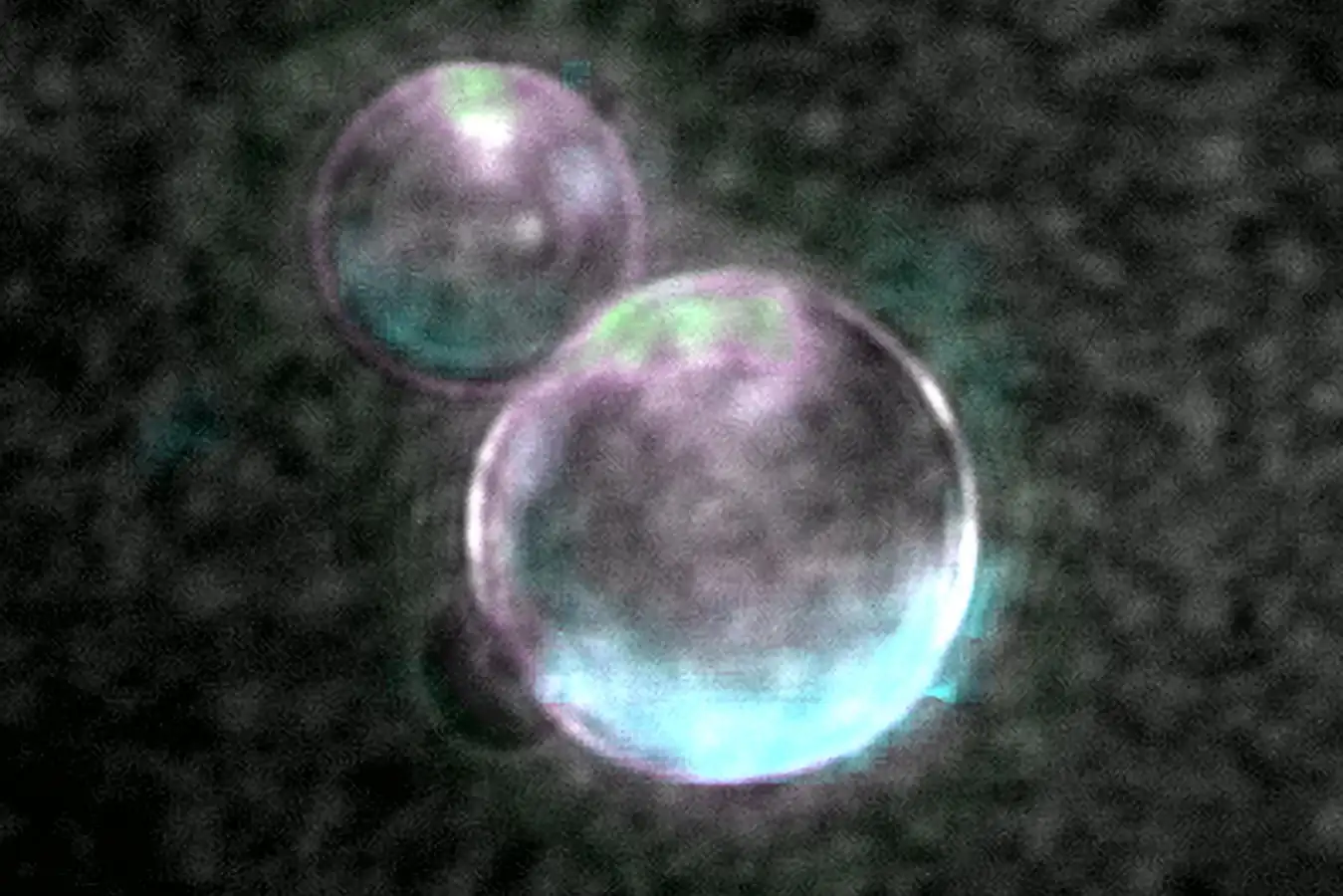
    An artificial cell with a full lifecycle has been created for the first time

    SpudCell can feed, divide, and even outcompete its siblings. It's not truly alive, its creator tells us, but it could still transform the bioengineering world

  4. mercoledì 1 luglio 2026·newscientist.com

    Have scientists really made a living cell from scratch? Not quite

    A prototype cell partly capable of replicating itself has been created using 36 existing bacterial genes, but it's not really a living organism – yet

  5. giovedì 2 luglio 2026·economictimes.indiatimes.com

    Scientists create artificial life from chemicals, and it eats, grows, and divides like the real thing

    Scientists at the University of Minnesota have engineered "SpudCell," a lab-made entity from lifeless chemicals that mimics key life processes like eating, growing, and dividing.…

  6. giovedì 2 luglio 2026·newscientist.com

    Synthetic biology may finally be ready to solve life's biggest mystery

    What makes something alive? We simply don't know, but synthetic biologists are a step closer to providing an answer thanks to SpudCell, the most sophisticated attempt at creating…

  7. giovedì 2 luglio 2026·theweek.com

    New synthetic cells tiptoe toward creating life

    Scientists have built a cell from scratch for the first time

  8. venerdì 3 luglio 2026·thenextweb.com

    SpudCell: the first synthetic cell with a full life cycle

    Scientists built SpudCell, the first synthetic cell that grows, divides and evolves, entirely from non-living chemicals. They still won't call it alive.