Every member of Congress emoting and grandstanding on social media should be building momentum to pass laws that mitigate problems with the 14th Amendment.

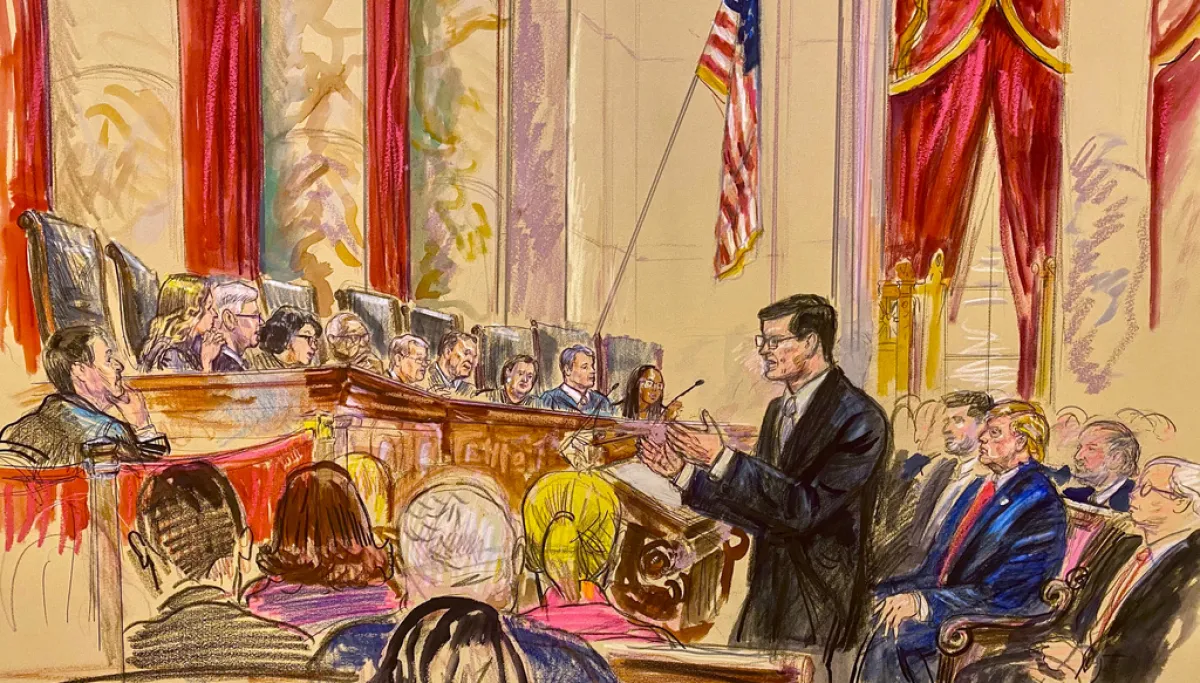
In addition to constitutional and ethical arguments, it's worth consulting the demographic implications of Trump v. Barbara — they're just as important.

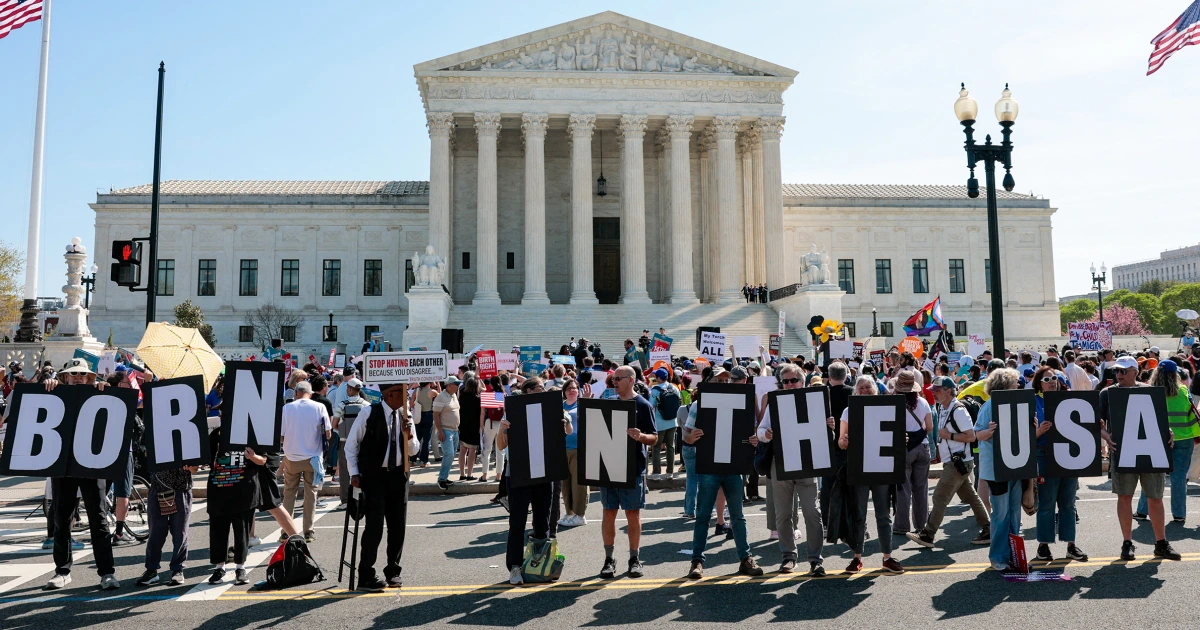
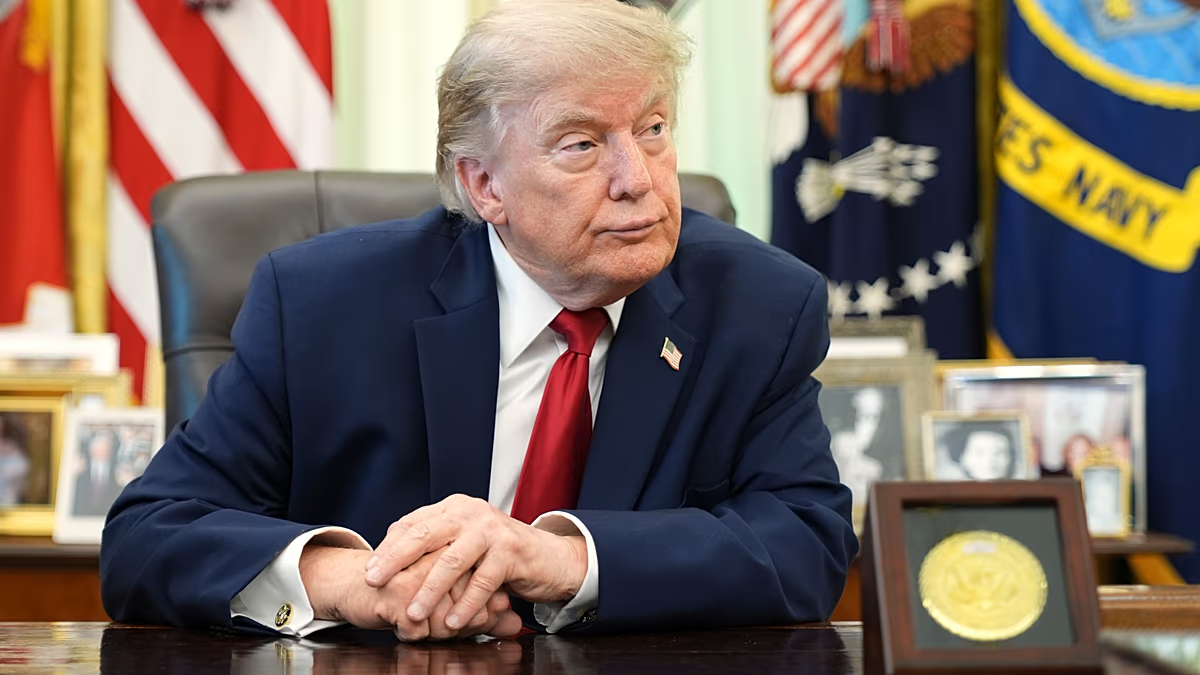
The Trump administration sought to upend the historical understanding of the 14th Amendment, which has long been interpreted to extend birthright citizenship broadly.
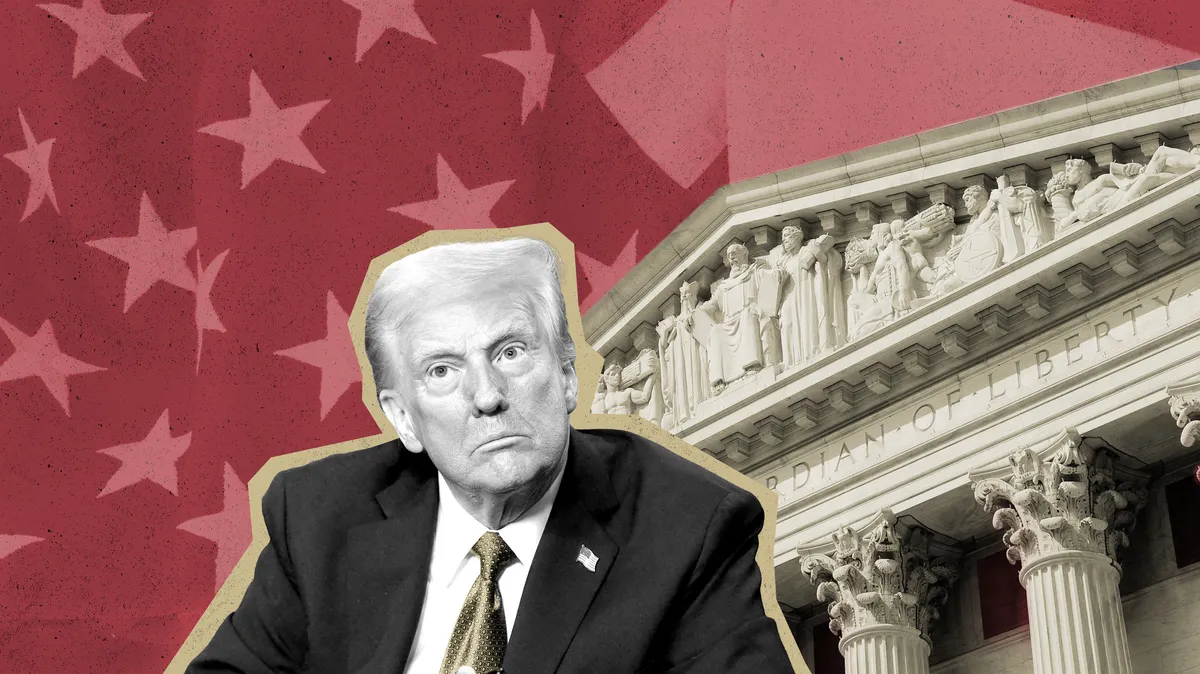
The Supreme Court's decision upheld a 14th Amendment provision. Here's a look at how many people gain citizenship through birthright in the U.S.

While many Republicans called for congressional action in response to the ruling, others in the GOP celebrated the decision as “well-reasoned.”

GOP supporters of changing the 14th Amendment argue that it was not intended to grant citizenship to illegal immigrants.

The 14th Amendment says that "all persons born or naturalised in the United States, and subject to the jurisdiction thereof, are citizens of the United States and of the State…

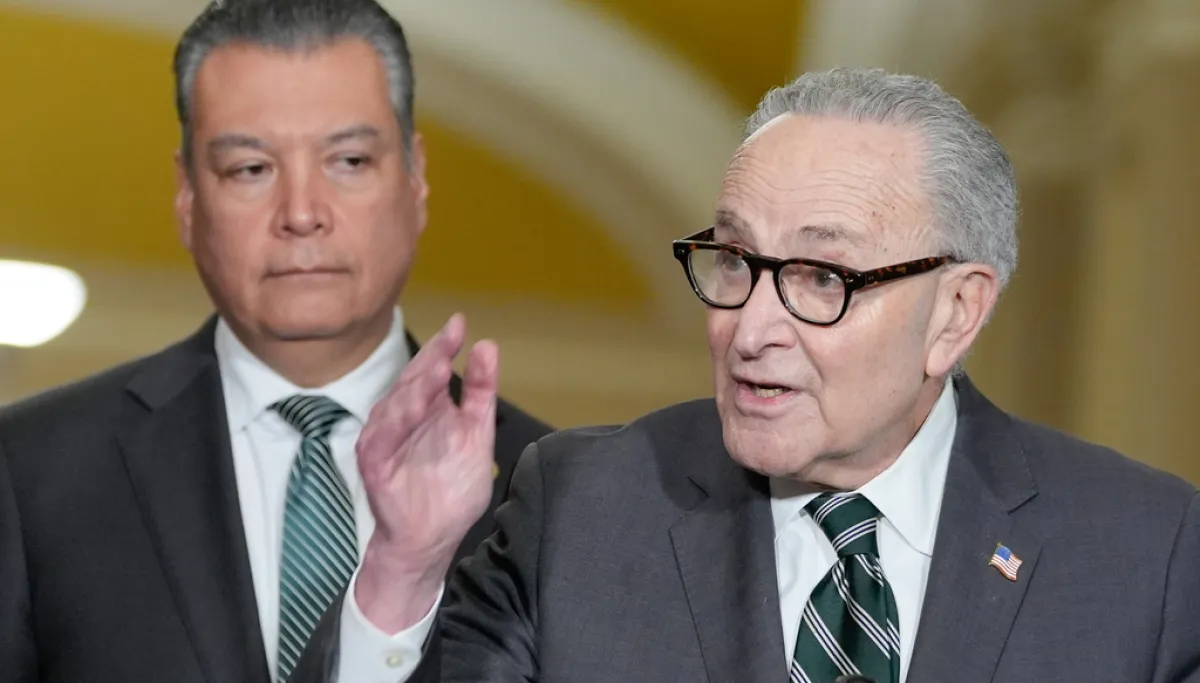
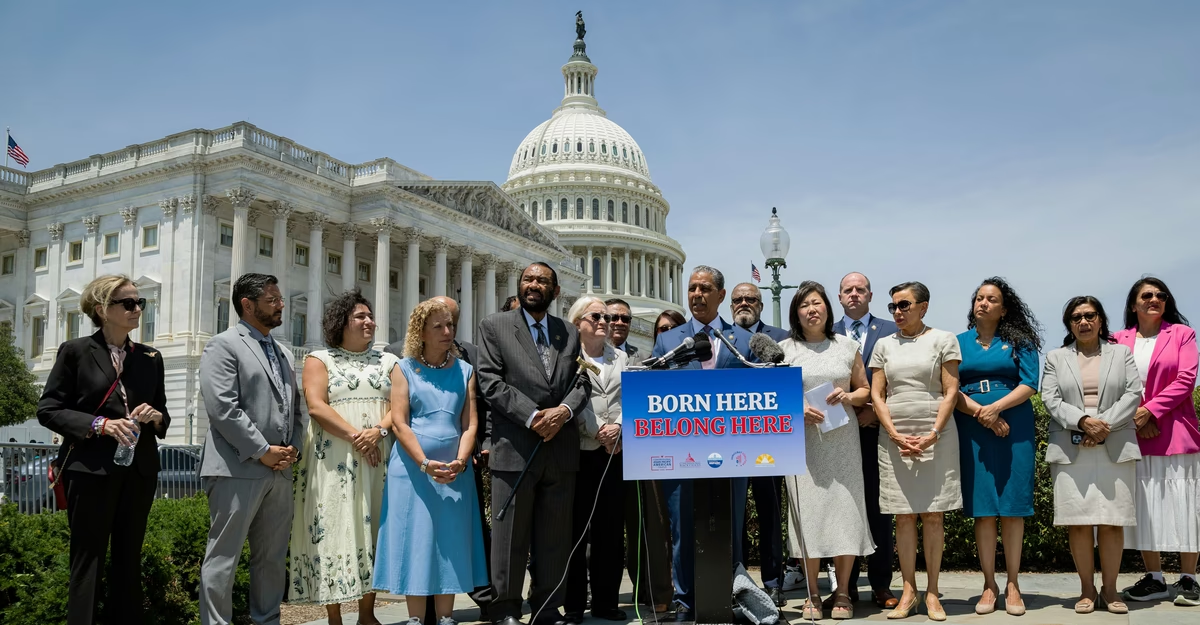
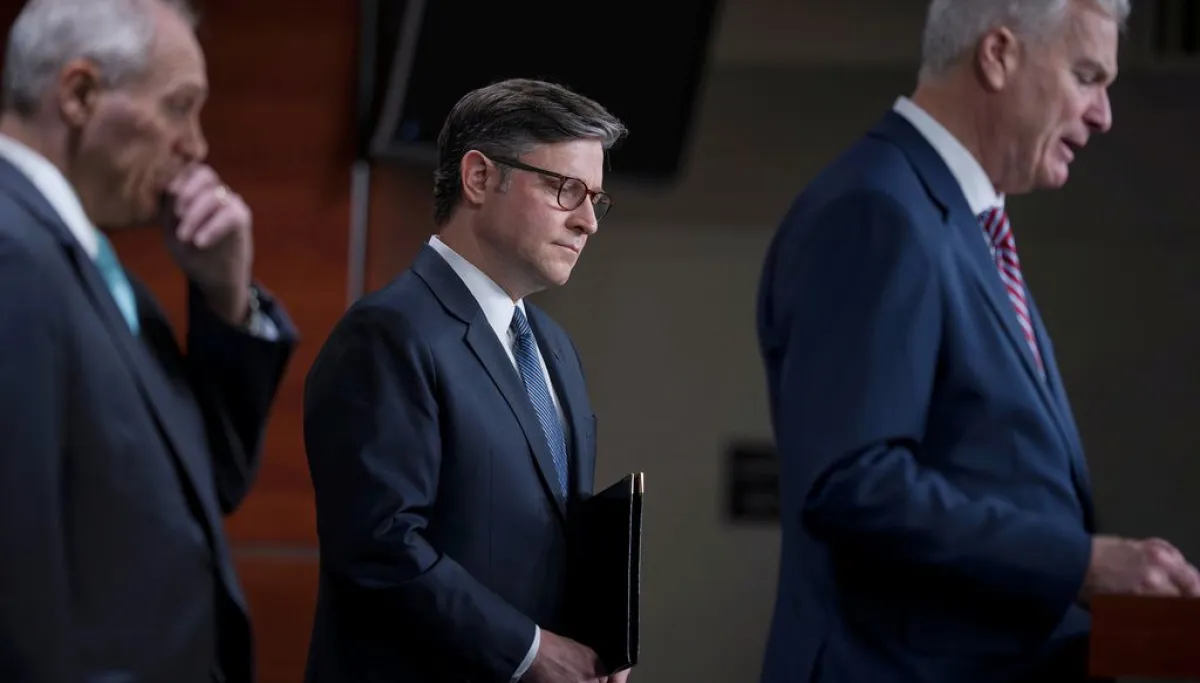
Democratic lawmakers are urging vigilance, especially as their Republican counterparts vow to end birthright citizenship legislatively.

The 14th Amendment's birthright citizenship clause survived by the skin of its teeth.

The Supreme Court’s decision lets lawmakers off the hook.

The court rejected President Donald Trump’s proposal, but four justices said it was lawful under the 14th Amendment’s citizenship clause.

Every member of Congress emoting and grandstanding on social media should be building momentum to pass laws that mitigate problems with the 14th Amendment.

Right-wing outrage over a decision that affirms the 14th Amendment is 150 years too late, Alex Woodward writes