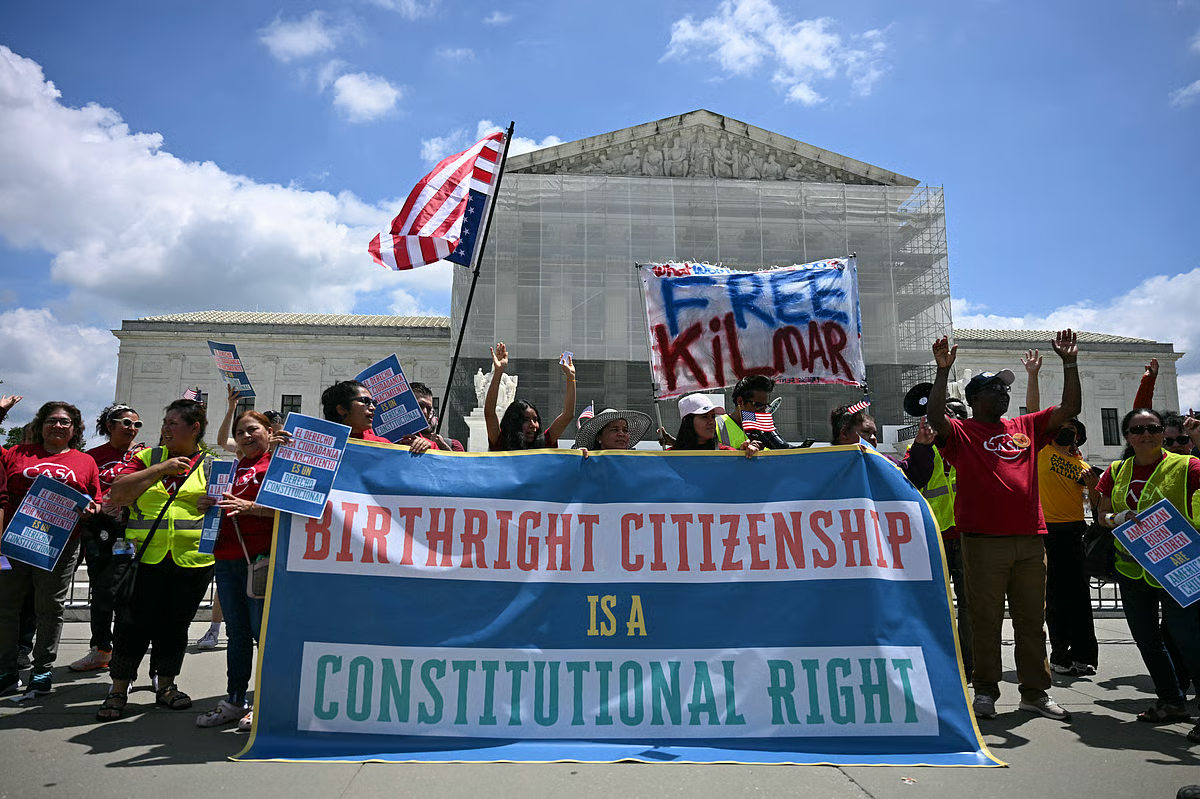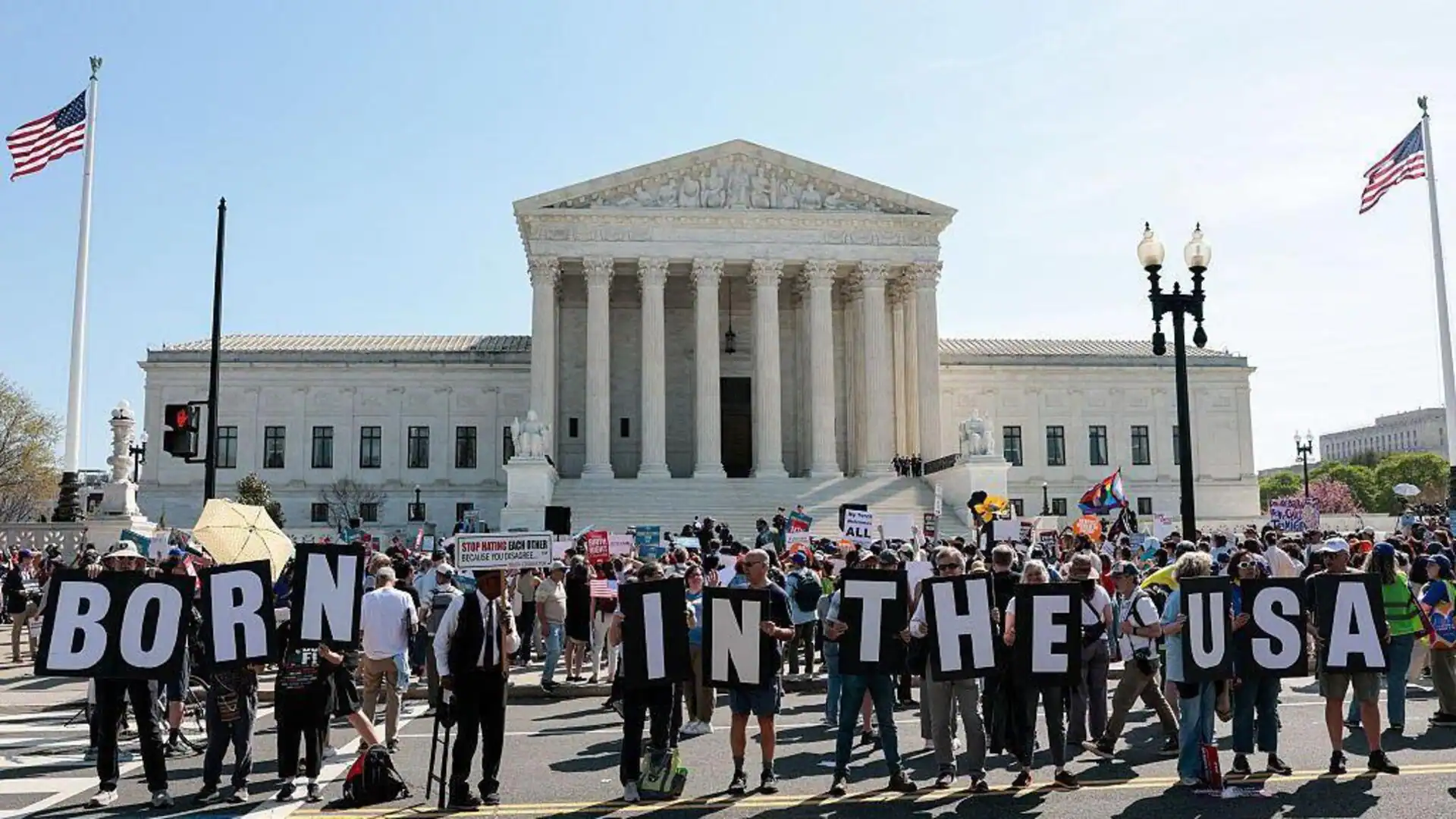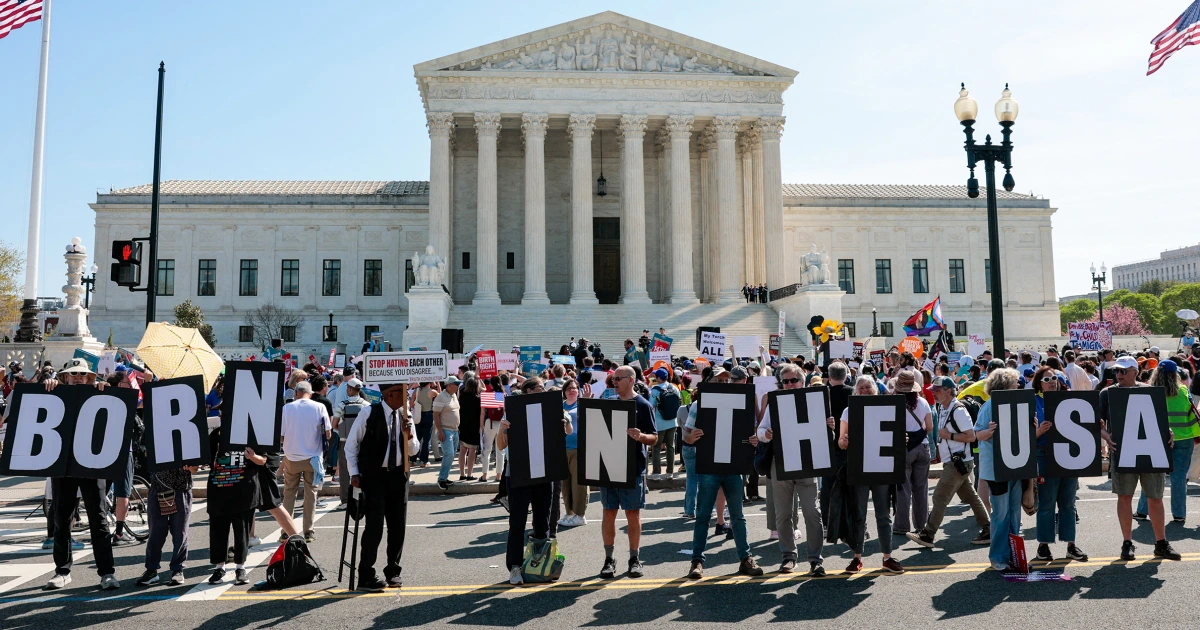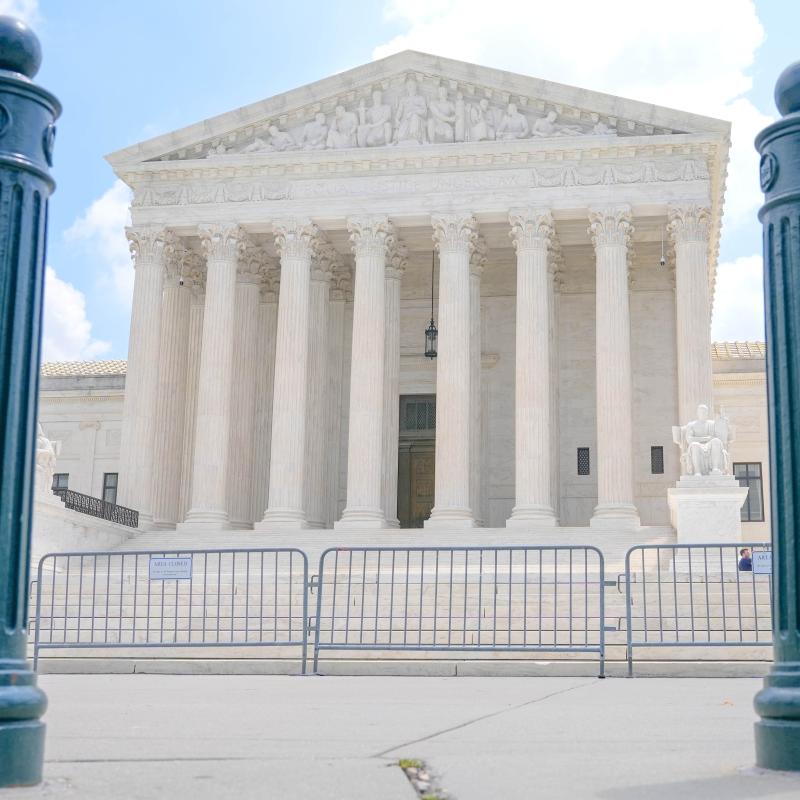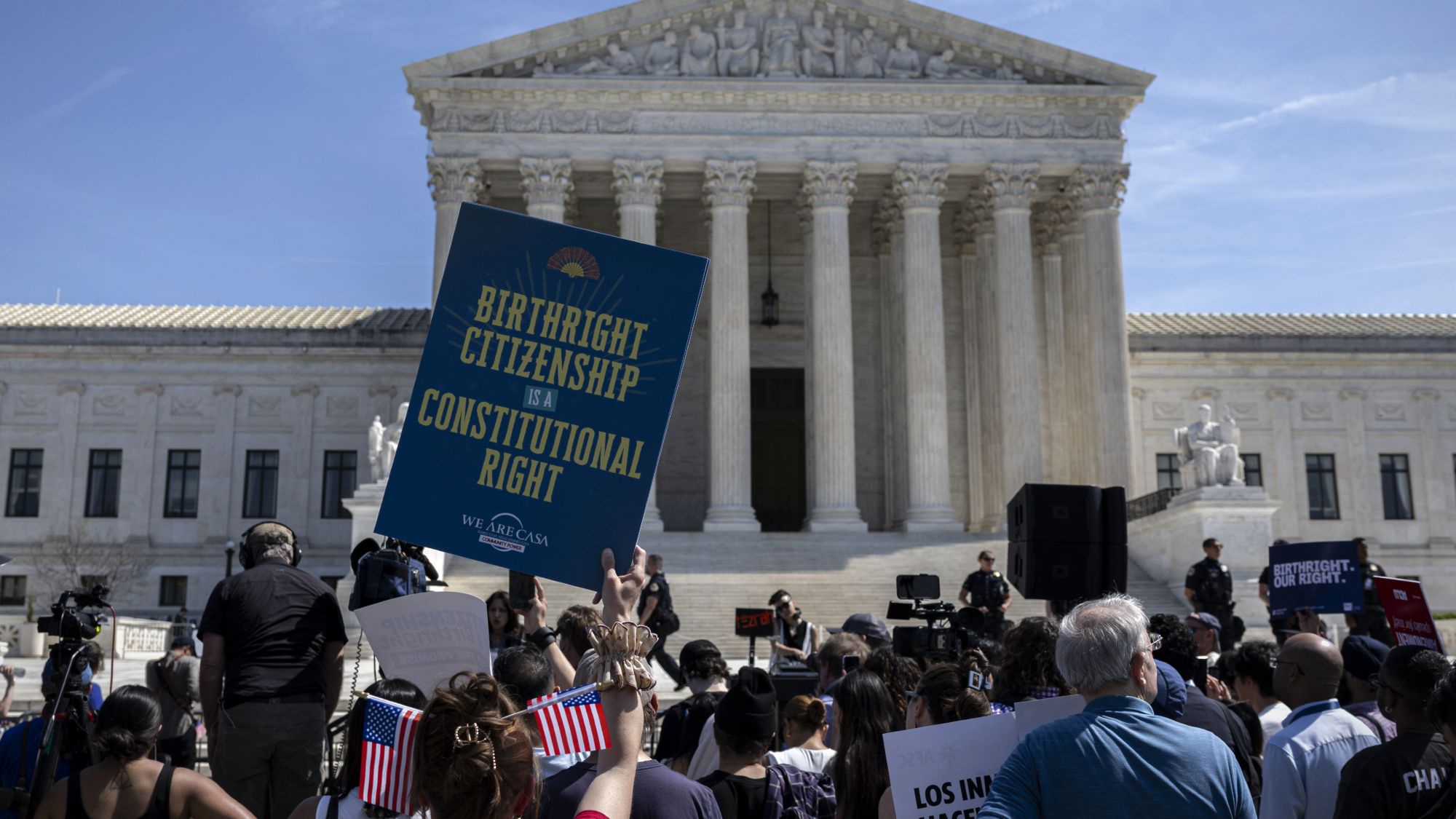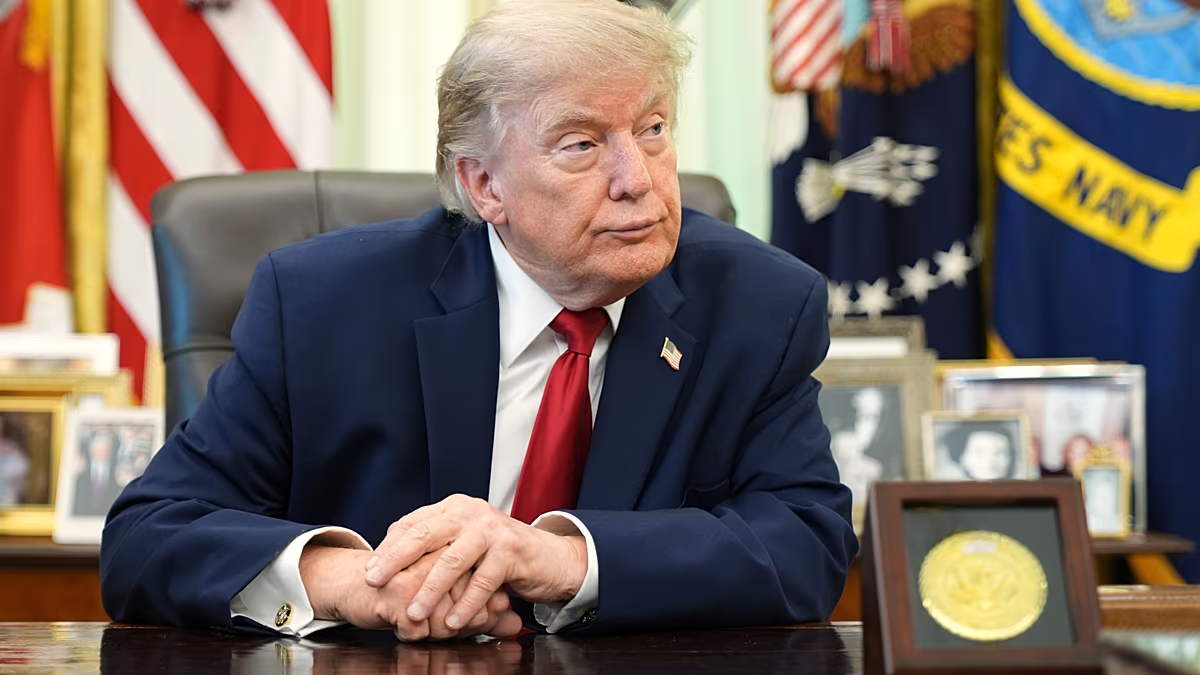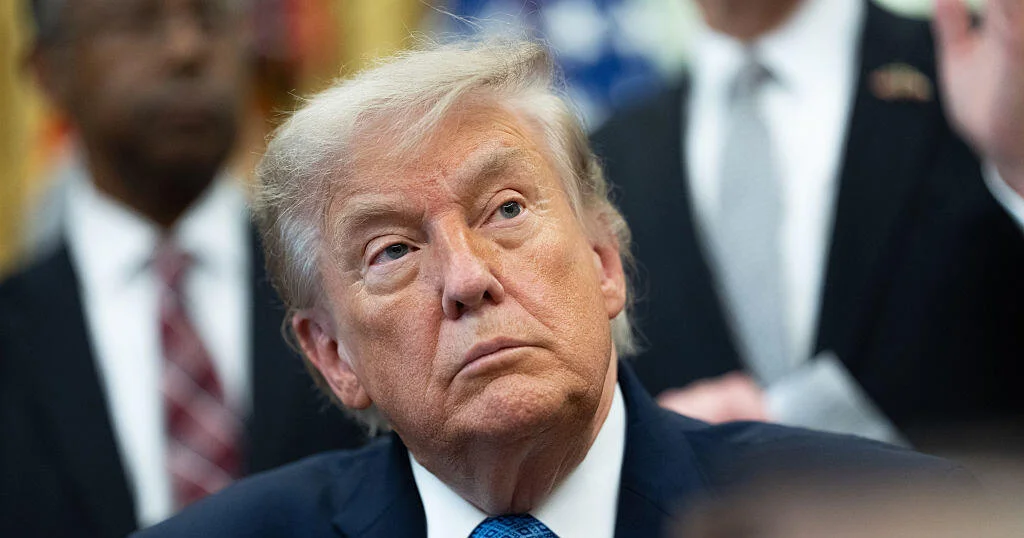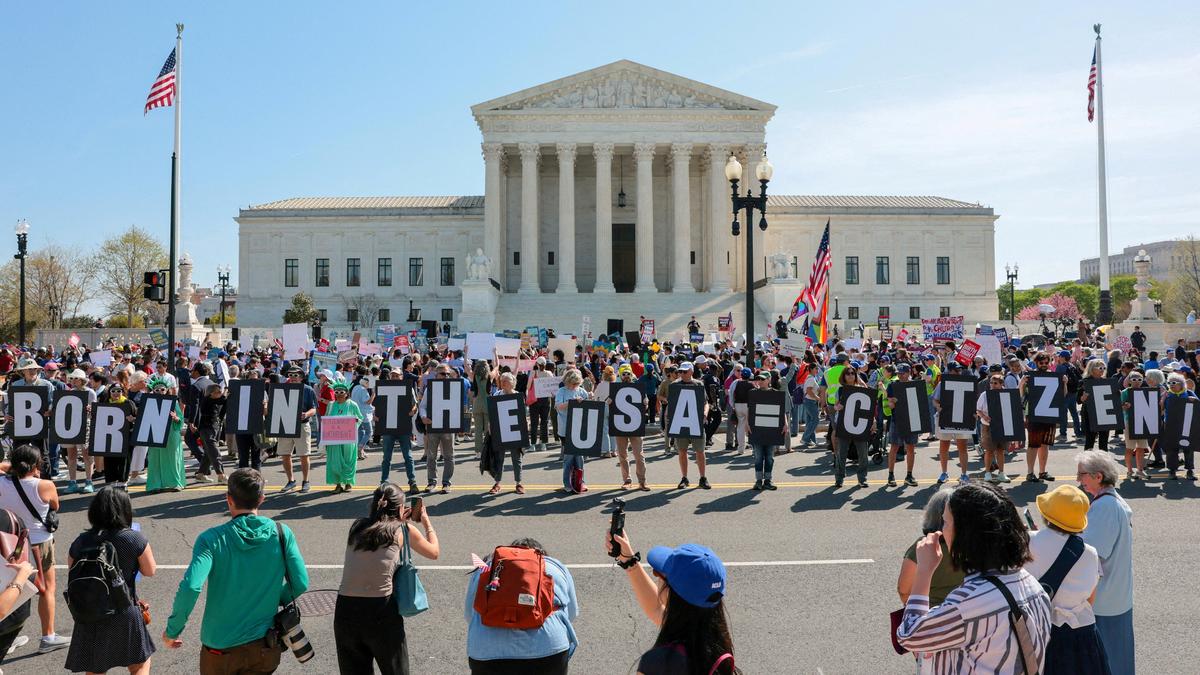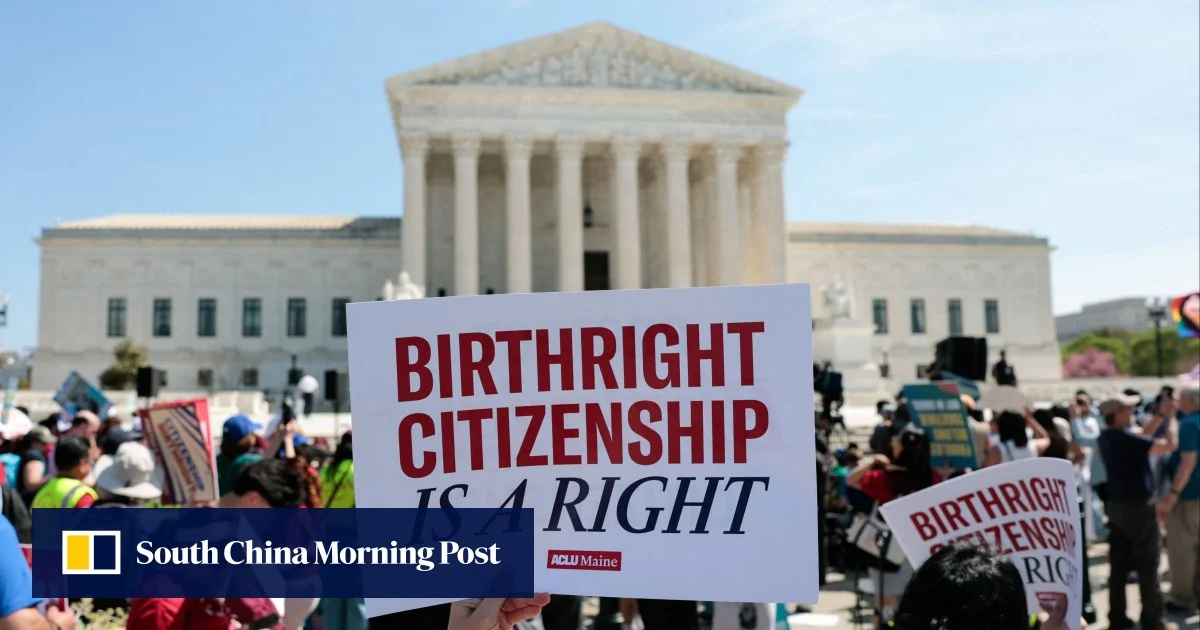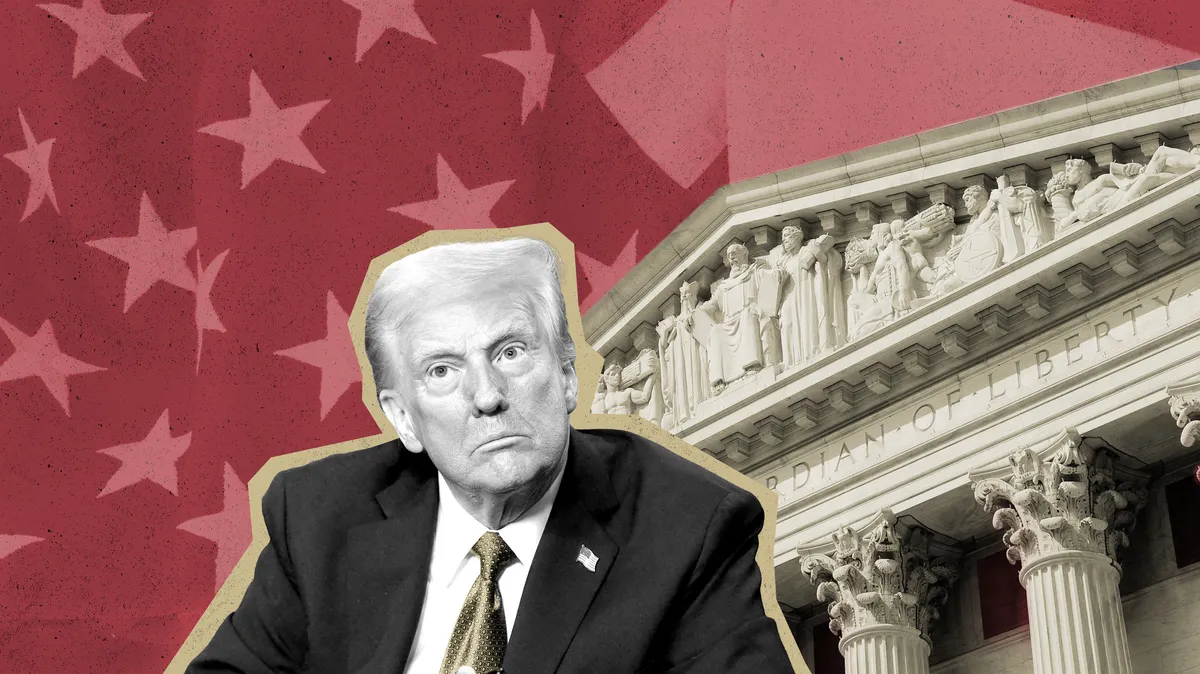
The U.S. Supreme Court rejected President Donald Trump’s executive order that would have denied citizenship to children born in the United States whose parents were not citizens or lawful permanent residents.The court’s June 30 ruling on Trump v. Barbara was one of the most highly anticipated of the session. It ended Trump’s order that limited the 14th Amendment’s birthright-citizenship guarantee that gives citizenship to nearly anyone born in the United States.That includes children born in the United States to foreign nationals living legally in the country, or unauthorized immigrants.The executive order would have denied birthright citizenship to infants under two circumstances:The mother was lawfully but temporarily present, including being on a tourist, student or work visa, and the father was not a citizen or green card holder.The mother was unlawfully present in the country, and the father was not a citizen or green card holder.The U.S. has a large foreign-born population in addition to international students and those here on work visas. According to 2024 data from the U.S. Census, there are more than 25 million naturalized citizens and about 14 million unauthorized immigrants, according to Pew Research Center estimates in 2023.Trump's efforts to strike down birthright citizenshipIn a May 10 post on Truth Social, Trump predicted the justices would strike down his effort to limit who qualifies for automatic U.S. citizenship: "They will be ruling against us on Birthright Citizenship, making us the only Country in the World that practices this unsustainable, unsafe, and incredibly costly DISASTER," he wrote.Chief Justice John Roberts wrote the opinion, joined by Justices Sonia Sotomayor, Elena Kagan, Amy Coney Barrett, Ketanji Brown Jackson. Justice Brett Kavanaugh concurred.Kavanaugh was part of the court’s majority, but said that he based his vote on a federal law, not the Constitution.Three of the court's other conservatives, Justices Samuel Alito, Clarence Thomas and Neil M. Gorsuch, dissented.Trump, who signed the order shortly after taking office in January 2025, attended the Trump v. Barbara hearing on April 1, the first time a sitting president has been present for oral arguments.April's hearing was the second time the Supreme Court has considered Trump's citizenship order. On June 27, 2025, the justices voted 6-3 to partially stay temporary restraints by district courts that blocked Trump's order from taking effect. The court said the district courts had likely exceeded their authority.How many people gain citizenship through birthright?According to estimates from the Migration Policy Institute and Penn State’s Population Research Institute, ending birthright citizenship would result in an average of 255,000 children being born in the United States without citizenship each year and would increase the number of unauthorized migrants living in the United States by 2.7 million by 2045 and 5.4 million by 2075.Can't see our graphics? Click here to reload the page.The Pew Research Center found in 2022 that about 4.4 million U.S.-born children under 18 live with an unauthorized immigrant parent.How many unauthorized immigrants live in the U.S.?The number of unauthorized immigrants in the United States has increased since the 1990s, peaking at 12.2 million in 2007, according to estimates from the Pew Research Center.Where does the foreign-born population live in the United States?In 2022, nearly a quarter of the U.S. foreign-born population lived in California. Foreign-born populations made up more than 20% of New Jersey, New York, California and Florida's total populations, according to the Census Bureau.Foreign-born residents are anyone born outside the United States, including naturalized U.S. citizens, lawful permanent residents, temporary migrants, such as international students, humanitarian migrants, such as refugees, and unauthorized migrants.In almost every state, the foreign-born population was larger in 2022 compared with 2010. Delaware,North Dakota, South Dakota and West Virginia experienced the largest increases in foreign-born populations from 2010 to 2022, a bump of 40% or more in each state.The foreign-born population in the United States has increased over the past five decades. In 1970, 4.7% of the U.S. population was born outside the country. By 2022, that number grew to 13.9%.Where are foreign-born U.S. residents immigrating from?More than half of foreign-born residents in the United States immigrated from Latin American countries, according to the Census Bureau. Close to a third of residents immigrated from Asia.What is naturalization?The Council on Foreign Relations describes naturalization as a process in which a non-U.S. citizen can apply for citizenship after meeting specific requirements, such as passing a civics test, demonstrating basic English proficiency and living in the United States over a continuous period of time.Which countries grant birthright citizenship?According to a Pew Research Center analysis, 32 other countries, most of them in the Western Hemisphere, have birthright citizenship laws that are substantially similar to those of the United States.Read more:Countries in the Americas grant birthright citizenship. What happens if they revoke it?Key takeaways from the historic Supreme Court debate on birthright citizenshipNOTE: This story updates a previous report with new information.CONTRIBUTING: Sara Chernikoff, Lauren Villagran, Maureen Groppe and Bart JansenSOURCE: USA TODAY Network reporting and research; Reuters; U.S. Census Bureau
Supreme Court rejects Trump order limiting US birthright citizenship
The Supreme Court's decision upheld a 14th Amendment provision. Here's a look at how many people gain citizenship through birthright in the U.S.
825 words~4 min read