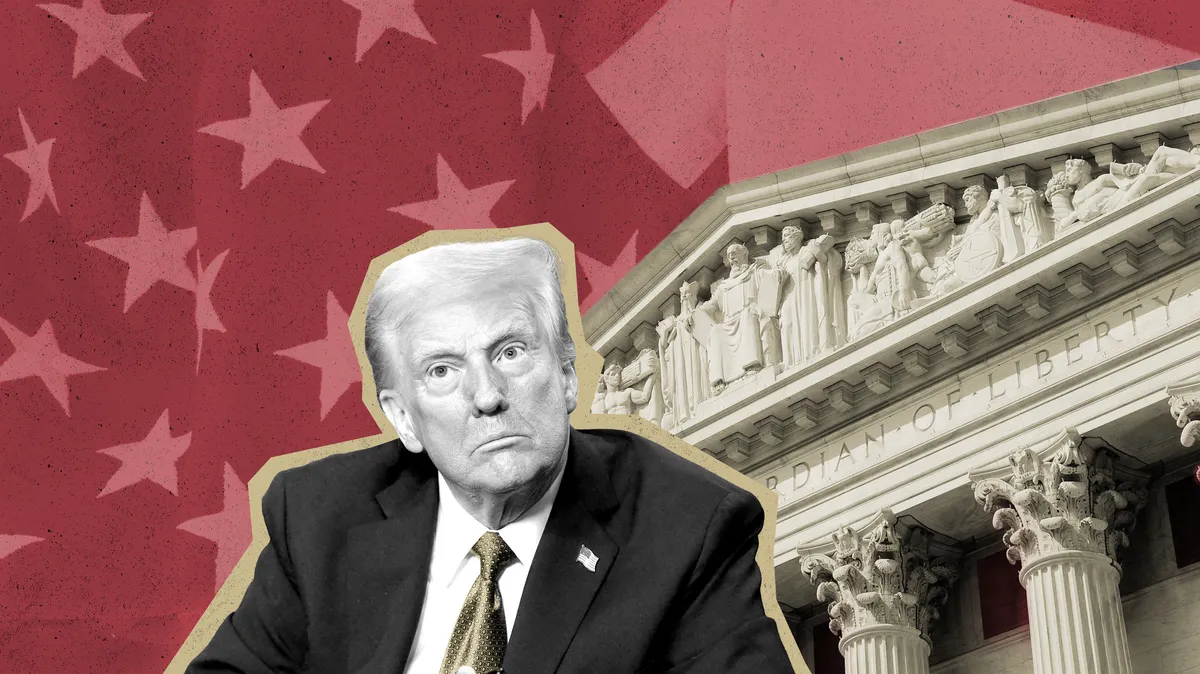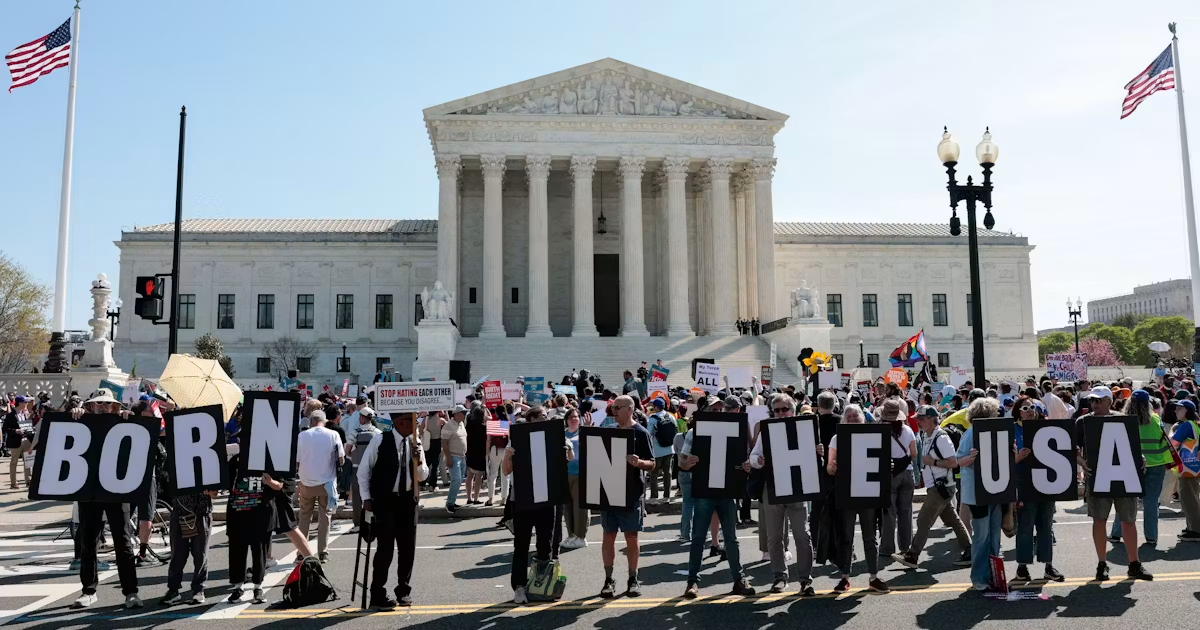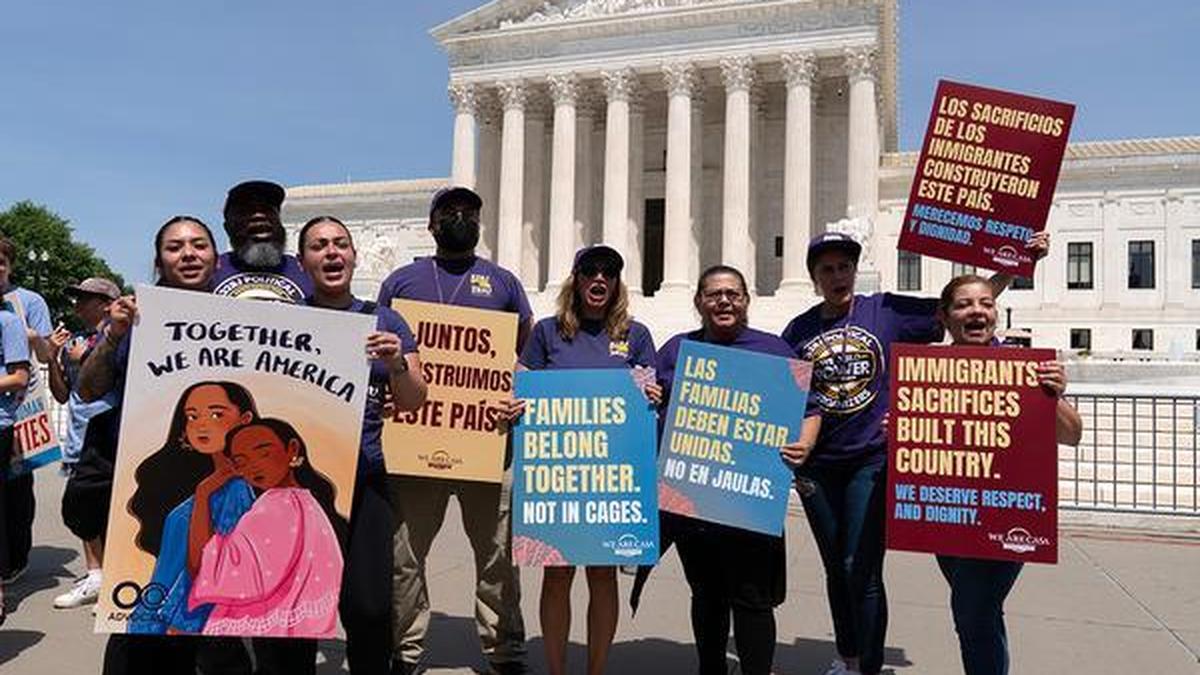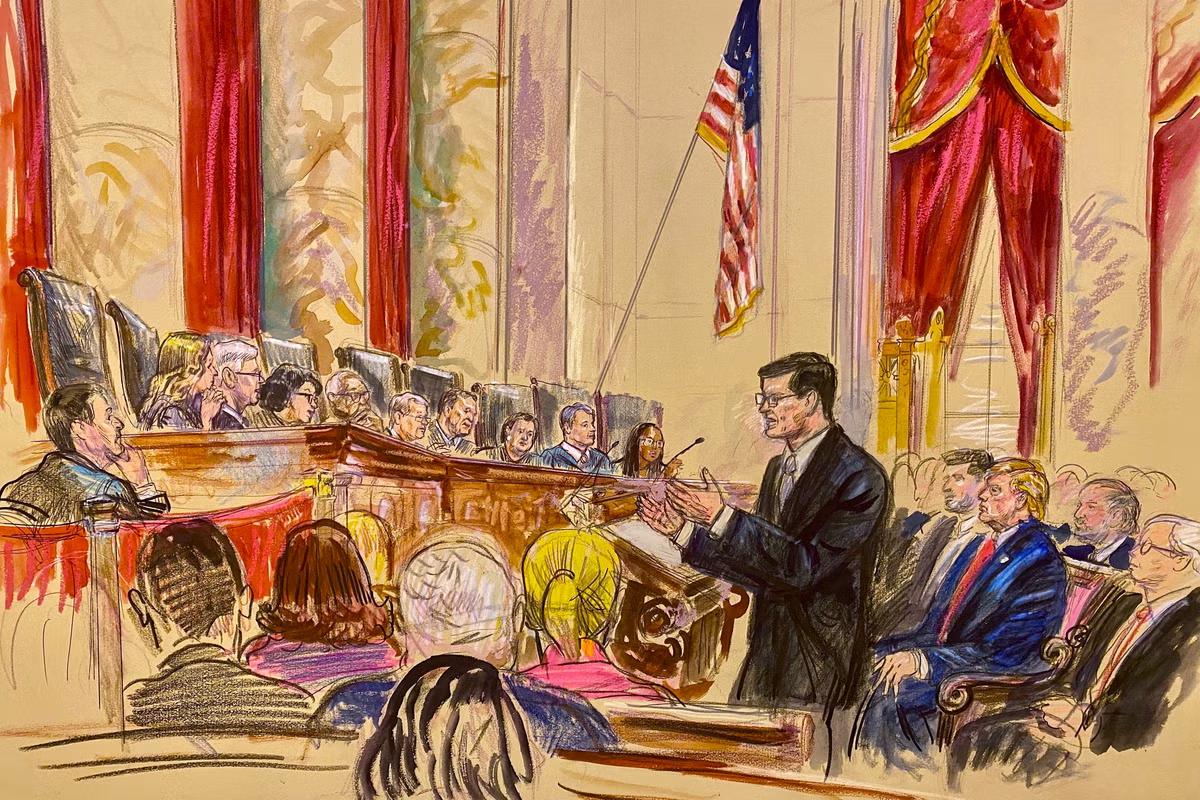
The Supreme Court decision in Trump v. Barbara does more than uphold a broad view of birthright citizenship. It reads into the Fourteenth Amendment a sweeping right for foreign nationals that the text, history, and purpose of that provision never supported. In the process, the majority transforms a targeted constitutional fix for one of the darkest chapters in our nation’s story into something far cheaper and less meaningful than the framers of the amendment intended.The citizenship clause was never meant to function as a weekend pass or an overnight guarantee. It was a direct response to the moral and legal catastrophe of Dred Scott v. Sandford. That 1857 ruling declared that black people — whether enslaved or free — could never be citizens of the United States. The Reconstruction Congress responded with the Civil Rights Act of 1866 and then the Fourteenth Amendment to overrule that abomination and to secure citizenship for freed slaves and their descendants.These were people born and domiciled here, who owed their primary allegiance to this country and had no other homeland. They had fought and bled in its wars and built its economy under the lash. The amendment ensured they could not be stripped of the dignity of citizenship on account of race or ancestry.
Supreme Court cheapens citizenship: Misreading 14th Amendment’s purpose
Trump v. Barbara reads into the Fourteenth Amendment a right for foreign nationals that the text, history, and purpose of that provision never supported.
882 words~4 min read