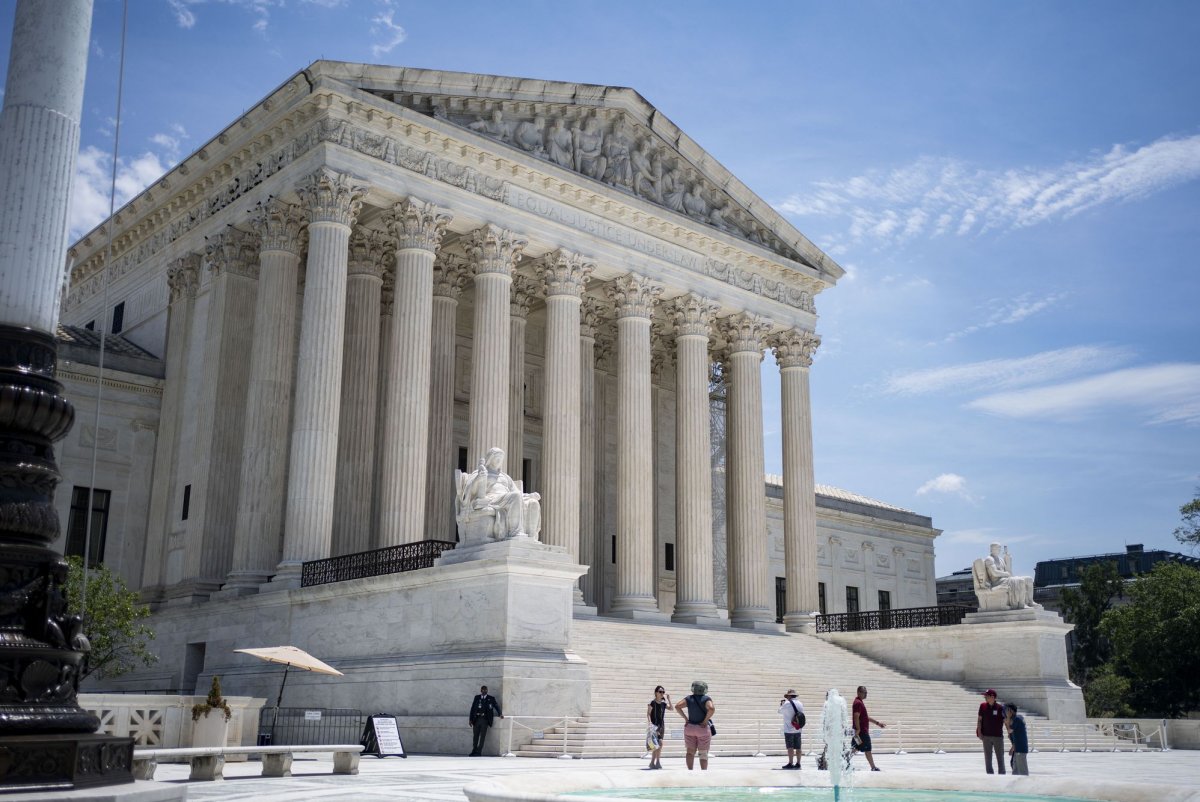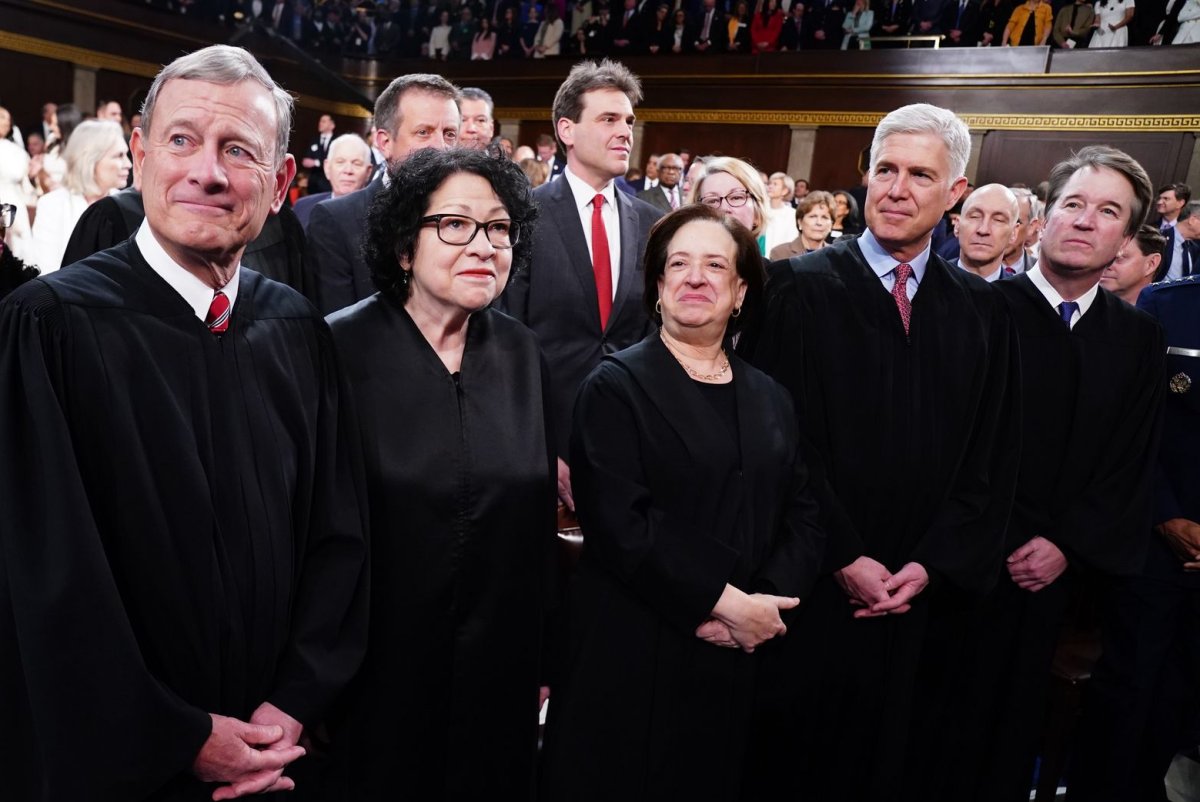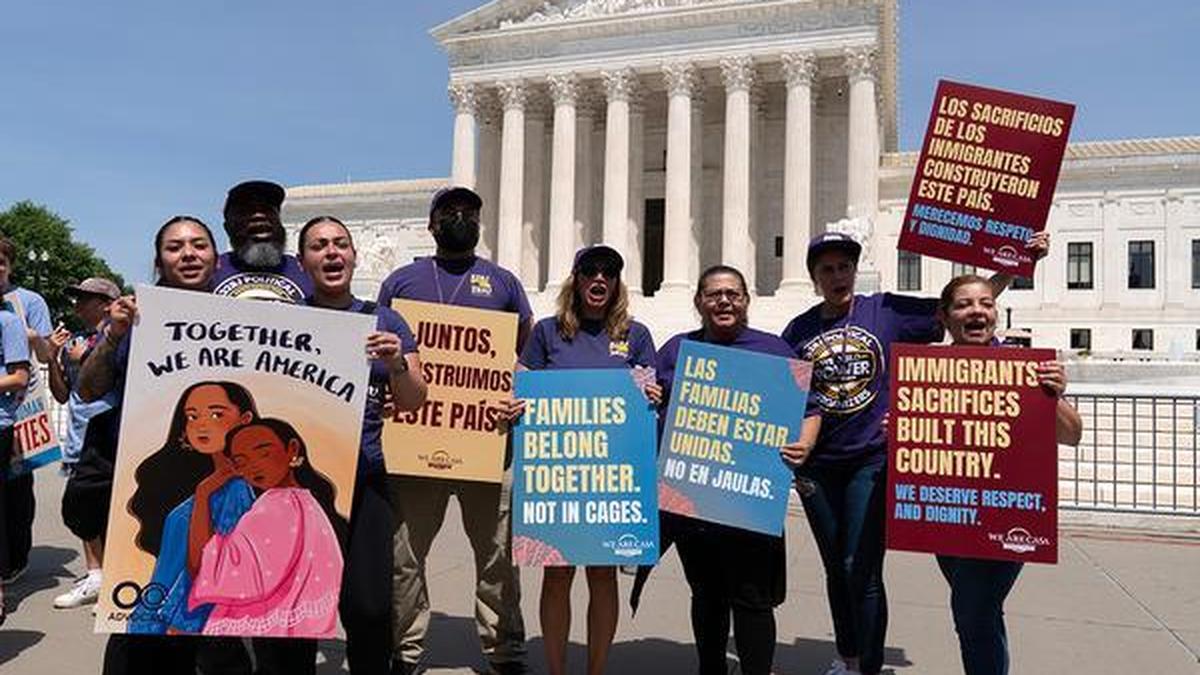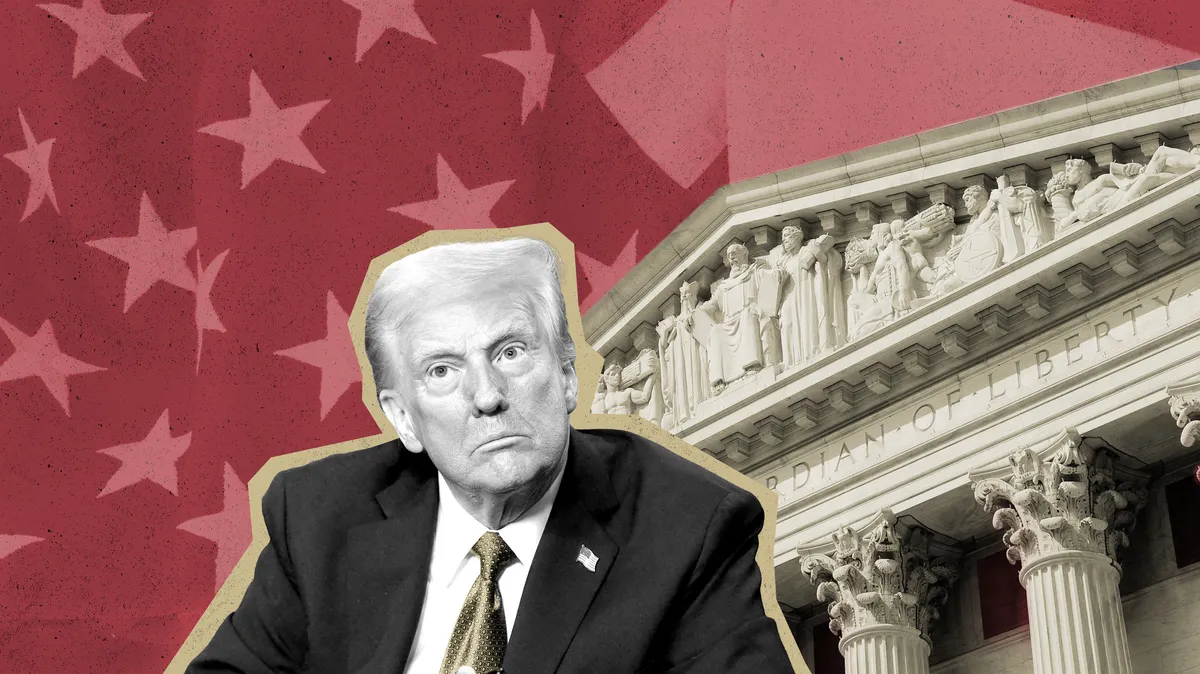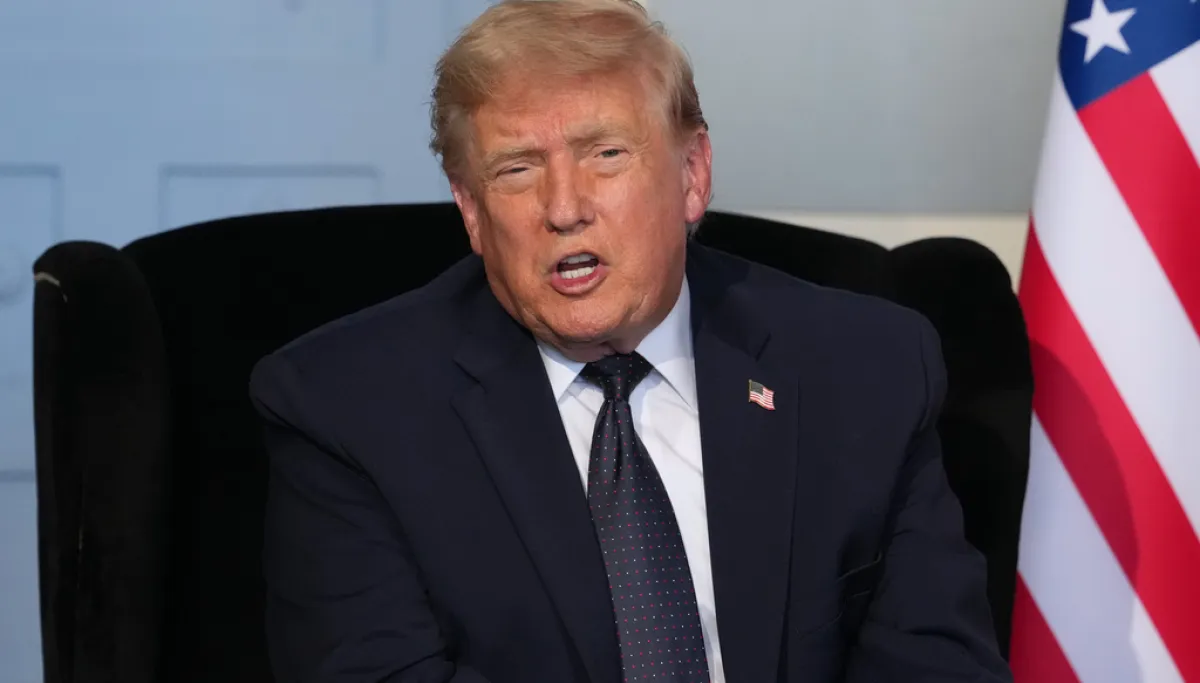
Twenty-eight words. That’s the full length of the 14th Amendment’s first sentence — the one that has generated more litigation, more legislation, and more political heat than almost anything else in the Constitution. Of those 28 words, five have been contested since 1866: “subject to the jurisdiction thereof.”The Supreme Court is poised to rule on their meaning in Trump v. Barbara, a case that will define who is an American citizen by birth. Whatever the court decides, the argument won’t end. It never does when the text is this compressed and the stakes are this high.President Donald Trump signed an executive order on his first day back in office directing agencies to refuse citizenship for children born on U.S. soil where neither parent is a citizen or lawful permanent resident. Courts blocked it immediately. Every district court that considered the merits found the order likely unconstitutional. Trump v. CASA, decided on June 27, 2025, resolved only the procedural question of nationwide injunctions — Justice Amy Coney Barrett’s 6-3 majority curtailed universal court orders but did not touch the constitutional merits. Barbara now presents those merits directly.
The controlling precedent is United States v. Wong Kim Ark (1898). Wong was born in San Francisco to Chinese parents who held permanent lawful domicile for two decades. The Supreme Court, 6-2, held that birth on American soil to parents with permanent domicile conferred citizenship. Justice Horace Gray’s majority opinion was broad — but specifically grounded in parents who had established lawful permanent residence. The administration’s argument is that the holding doesn’t extend to children of people here unlawfully or temporarily, and that on this precise question, Wong Kim Ark has never been definitively answered.