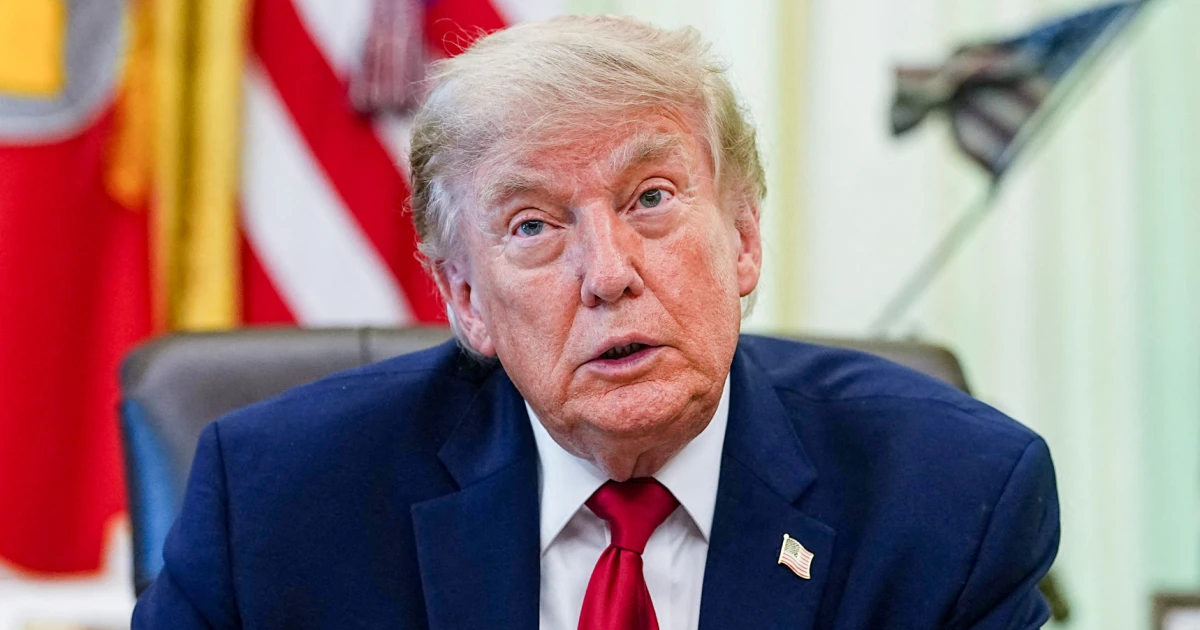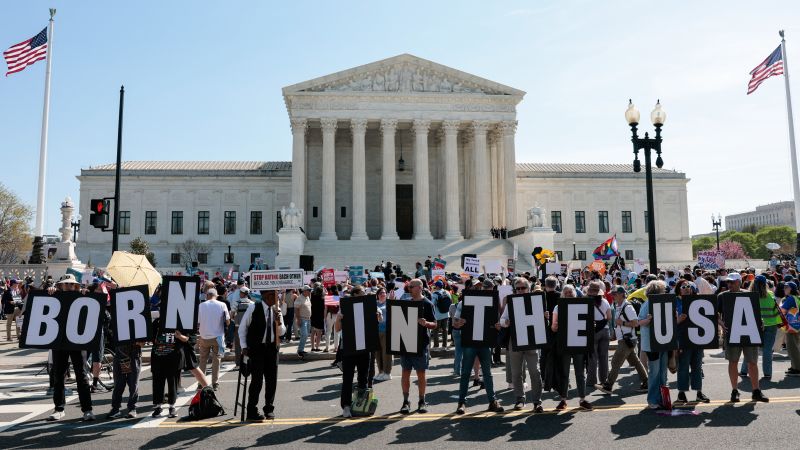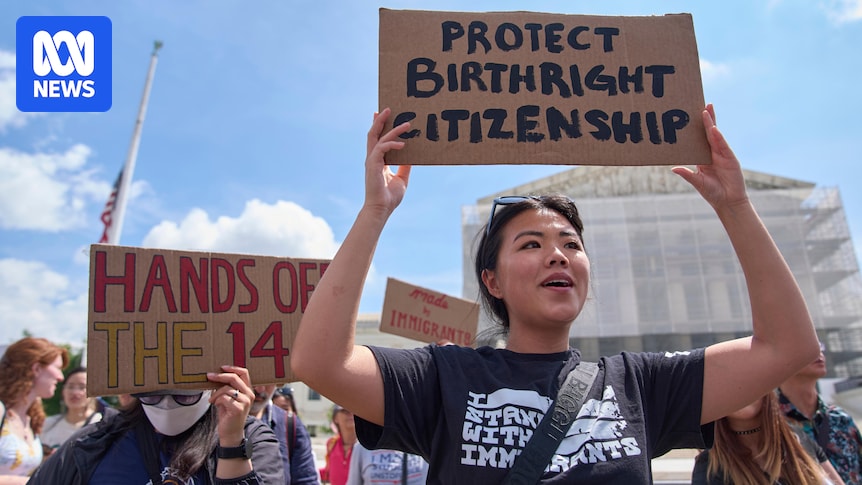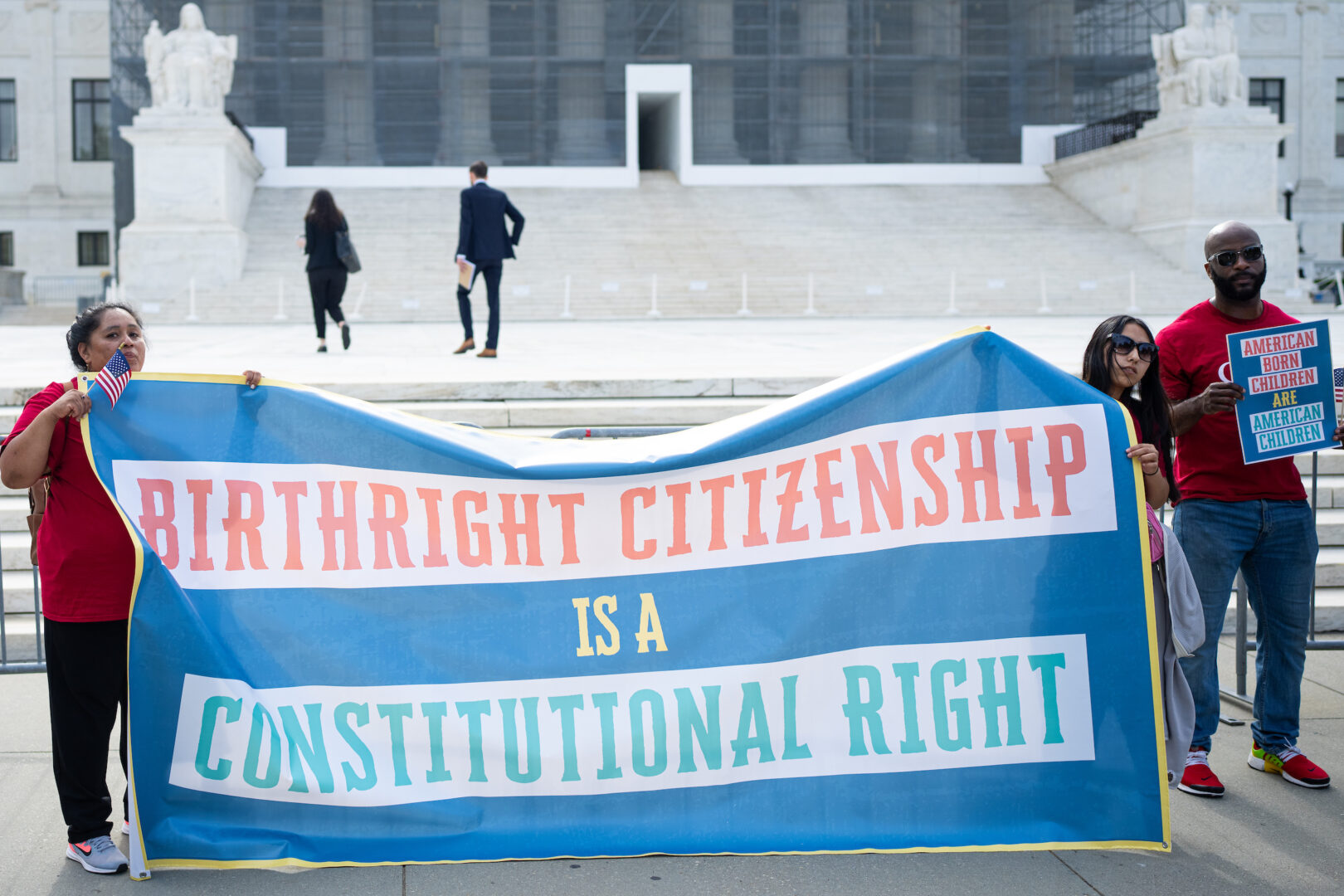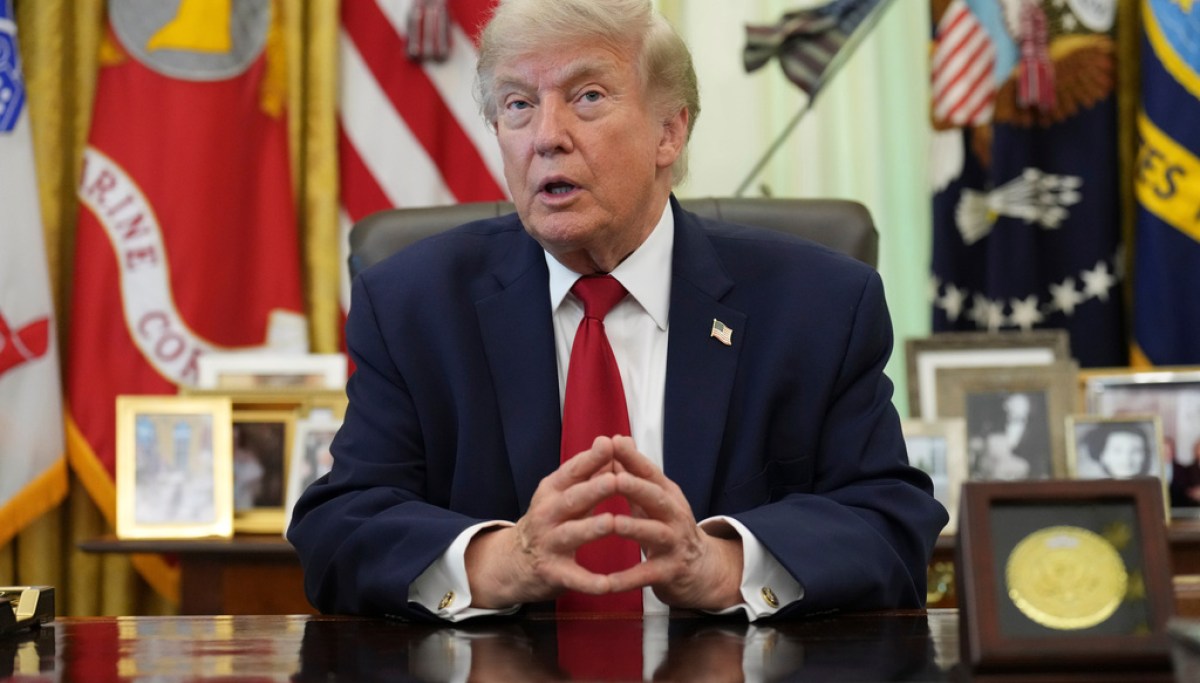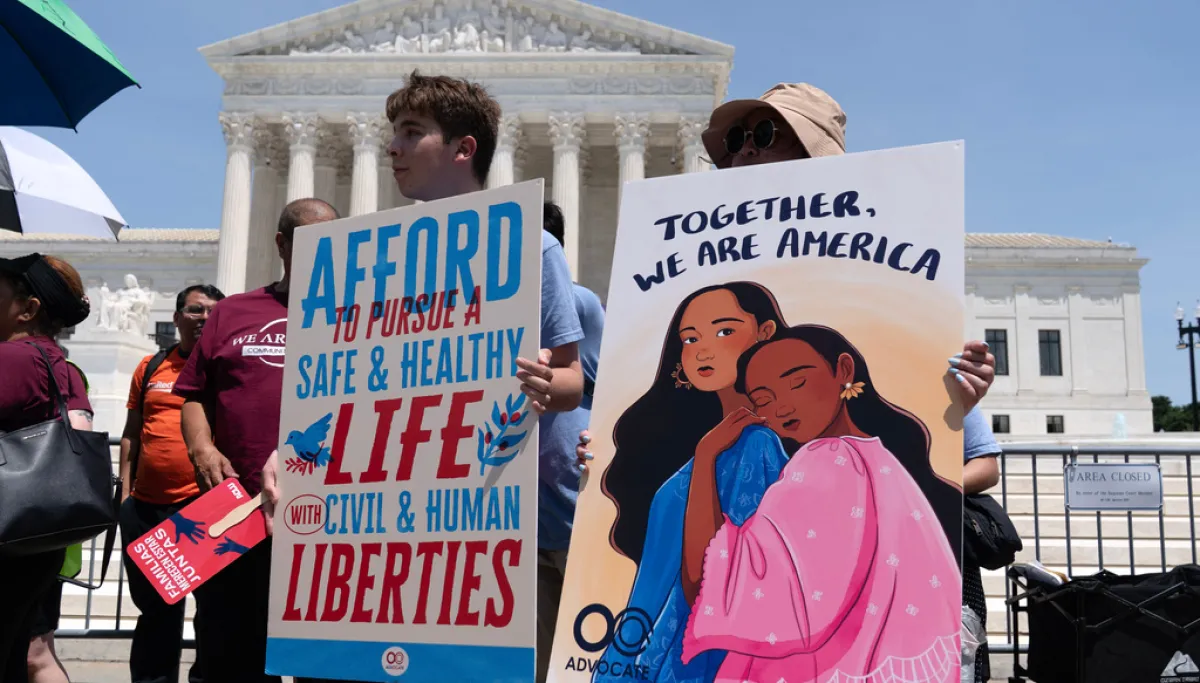
The Supreme Court’s decision striking down President Donald Trump’s birthright citizenship executive order has forced Republicans to rethink how, or whether, they can still achieve one of the administration’s top immigration priorities.The high court ruled Tuesday in Trump v. Barbara that the president could not use executive authority to deny citizenship to children born in the United States to parents who are in the country illegally or temporarily. While his executive order was invalidated by a 6-3 decision, only a 5-4 majority reached the constitutional question, holding that the 14th Amendment protects birthright citizenship in those circumstances.That split has sparked debate among Republicans over whether Congress still has any viable path forward to restrict birthright citizenship, or whether only a constitutional amendment could accomplish Trump’s goal.
What did the Supreme Court decide?
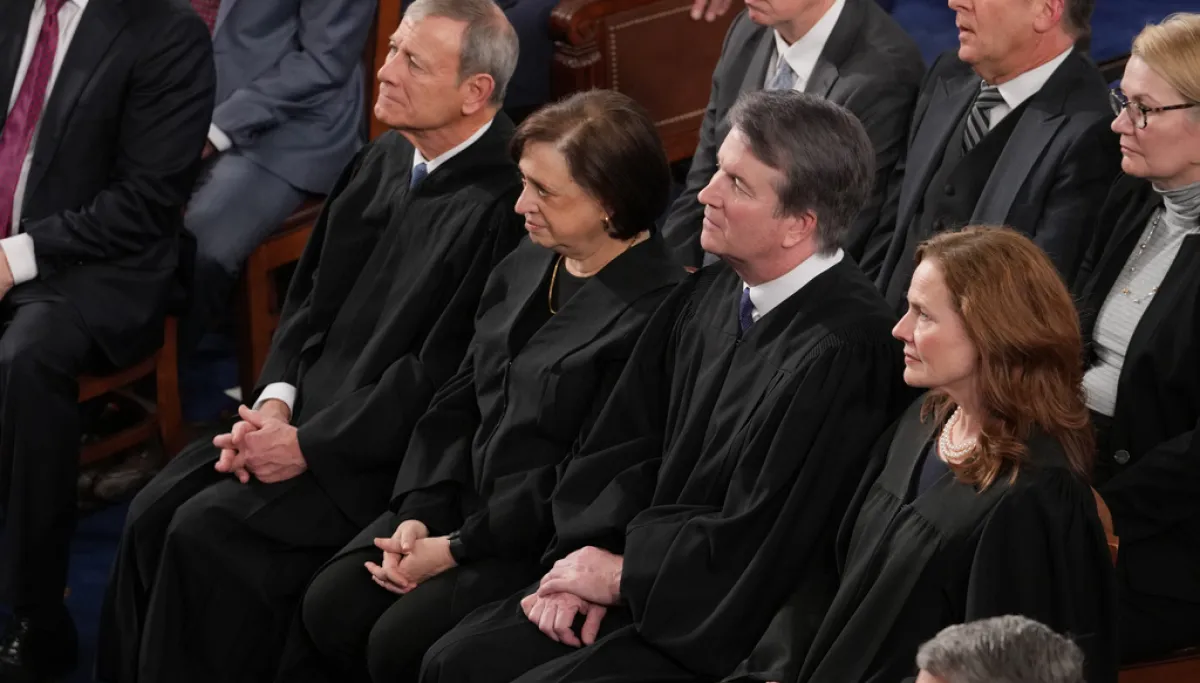
Chief Justice John Roberts wrote for the five-justice majority on the constitutional issue, joined by Justices Sonia Sotomayor, Elena Kagan, Amy Coney Barrett, and Ketanji Brown Jackson.The majority concluded that the citizenship clause of the 14th Amendment extends citizenship to children born in the U.S., including those whose parents are in the country unlawfully or temporarily.Justice Brett Kavanaugh agreed Trump’s executive order should be struck down but would have resolved the case on statutory rather than constitutional grounds. He argued Congress could amend the federal citizenship statute, 8 U.S.C. § 1401(a), to establish exceptions for children born to foreign nationals who are in the country illegally or temporarily.Justices Clarence Thomas, Samuel Alito, and Neil Gorsuch dissented, arguing the Constitution does not require such a broad interpretation of birthright citizenship.Has the Supreme Court completely shut the door?