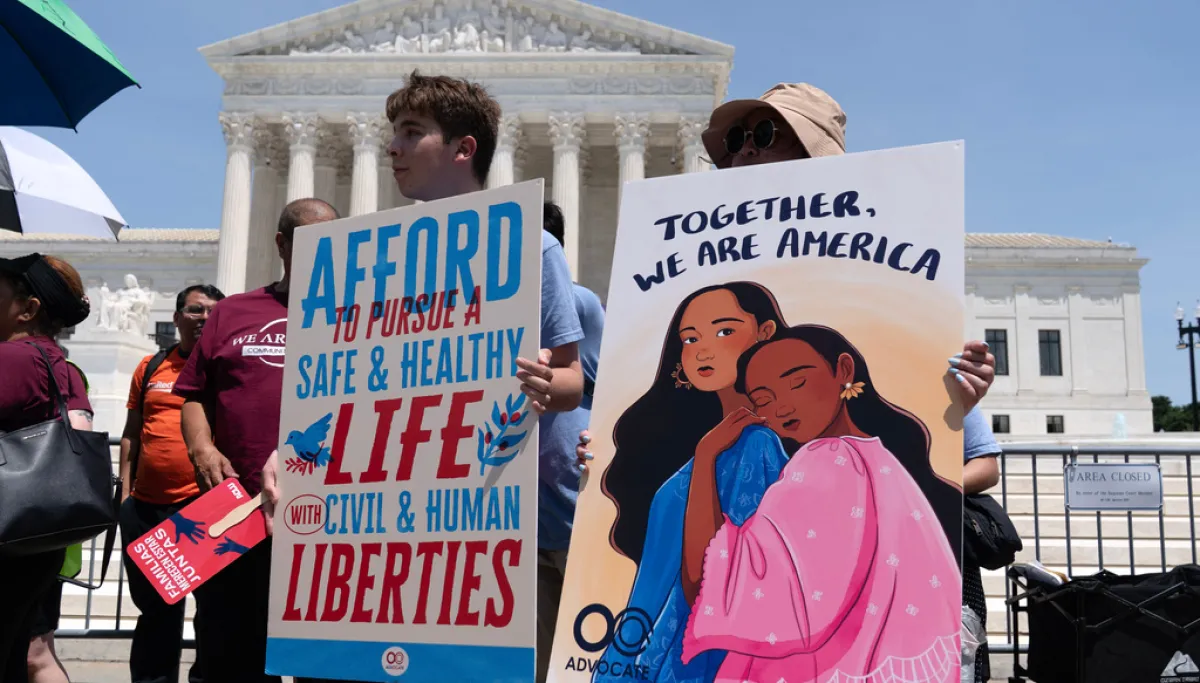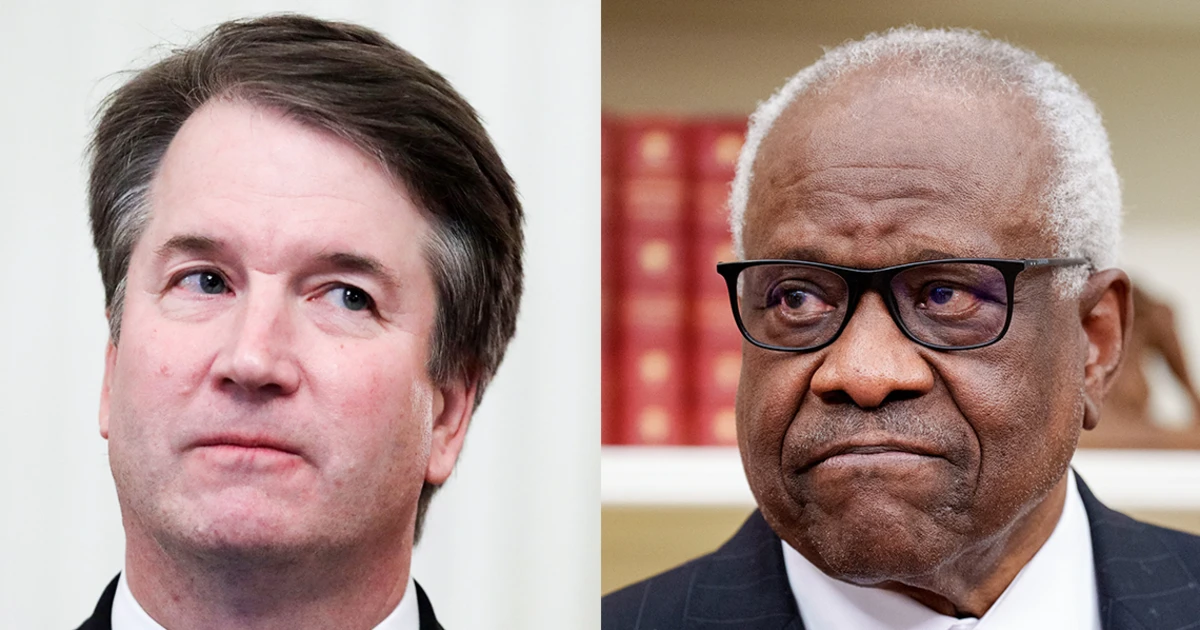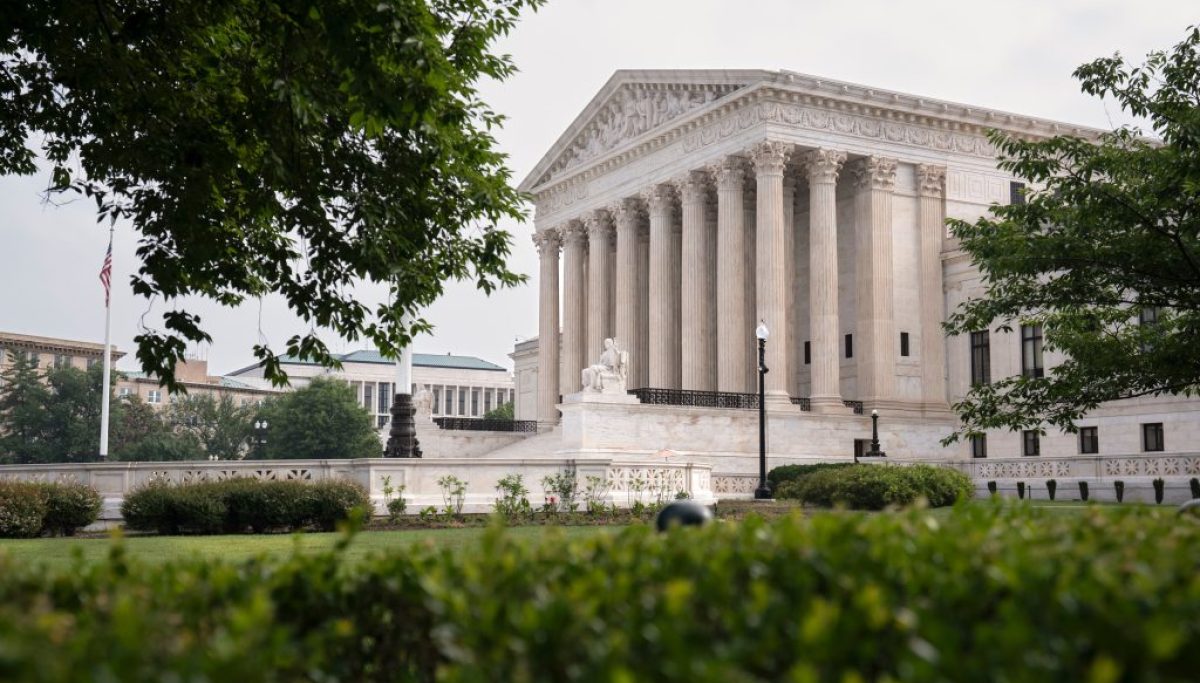
As a political matter, it’s understandable that Republicans are angered by the outcome of Trump v. Barbara, which finds that children born in the United States are entitled to birthright citizenship under the 14th Amendment even if they aren’t citizens. The policy cheapens American citizenship.The legal debate centers on the 14th Amendment’s citizenship clause — “All persons born or naturalized in the United States, and subject to the jurisdiction thereof” — which, for over a century, was understood to exclude children of foreign diplomats and invading armies but not those born to visa holders and illegal immigrants.The language is vague, which is why the Supreme Court justices are compelled to excavate the history. My non-scholarly reading of the evidence is that the amendment probably included noncitizens who intended to stay in the country. After all, not even Justice Clarence Thomas’s 94-page dissent makes the case that all illegal immigrants who have made homes here should automatically be barred from citizenship under the 14th Amendment. His argument focuses on birth tourism.
The most plausible and frustrating answer for why we find ourselves in this spot is that the 19th-century authors of the 14th Amendment didn’t very much care about the ambiguity in their amendment because they never foresaw birth tourism becoming a problem in a vast country, which was still largely empty and predominantly attracting Europeans newcomers who were never leaving. Perhaps if the authors, who were focused on freed slaves, had anticipated how the world would evolve in an age of airplanes and globalism, they would have written an amendment explicitly excluding noncitizens. But trying to divine an alternative history isn’t the job of the Supreme Court. It’s a tactic that reminds me of liberals who contend that courts should uphold gun bans because the founders could never have foreseen modern weaponry (though, in that case, the Left is explicitly wrong on both the law and history).Moreover, those who believe that President Donald Trump could unilaterally overturn long-standing precedent and practice via an executive order might not have the fidelity to the constitutional order they claim.There is good news, though. We have remedies for fixing antiquated laws. First, we can amend the Constitution. That’s a heavy lift, to say the least, and highly unlikely to happen in our lifetimes. Second, Trump can try amending the Constitution via a post, as then-President Joe Biden did with the Equal Rights Amendment in January 2025. But that too seems unlikely to work.Third, pass laws. The Constitution specifically tasks Congress with this job. Every “conservative” dissent mentions statutory changes. Justice Brett Kavanaugh, who joined the dissent on the constitutional question but the majority on whether the president can simply write an executive order to change existing law, wrote: “Congress could—consistent with the Fourteenth Amendment—amend §1401(a) or otherwise enact new legislation establishing exceptions to birthright citizenship for children born to foreign citizens unlawfully or temporarily in the country.” Justice Samuel Alito also notes that “Congress can and should address their situation.”Every member of Congress emoting and grandstanding on social media should be writing bills, making arguments, and building momentum to pass laws that mitigate the problems with the 14th Amendment. That’s their job. Congress, for instance, can pass legislation more tightly regulating who gets visas and for how long. It can pass a law clarifying what “subject to the jurisdiction thereof” means, and then wait to see what the court does. You can’t because of Democrats? I’m sorry, that’s how the system works.DAVID HARSANYI: THE UNITED STATES HAS ALWAYS BEEN AT WARThe idea that the court’s decision portends the end of days, however, as many conservatives are now claiming, amounts to scaremongering. In effect, nothing has changed. Most Western European nations have highly limited “jus soli,” the principle that one is automatically granted citizenship to anyone born within a country, and yet they have far worse migrant problems than we do. Underlying issues are rarely fixed or transformed by one decision. Trump v. Barbara merely clarifies the way forward.