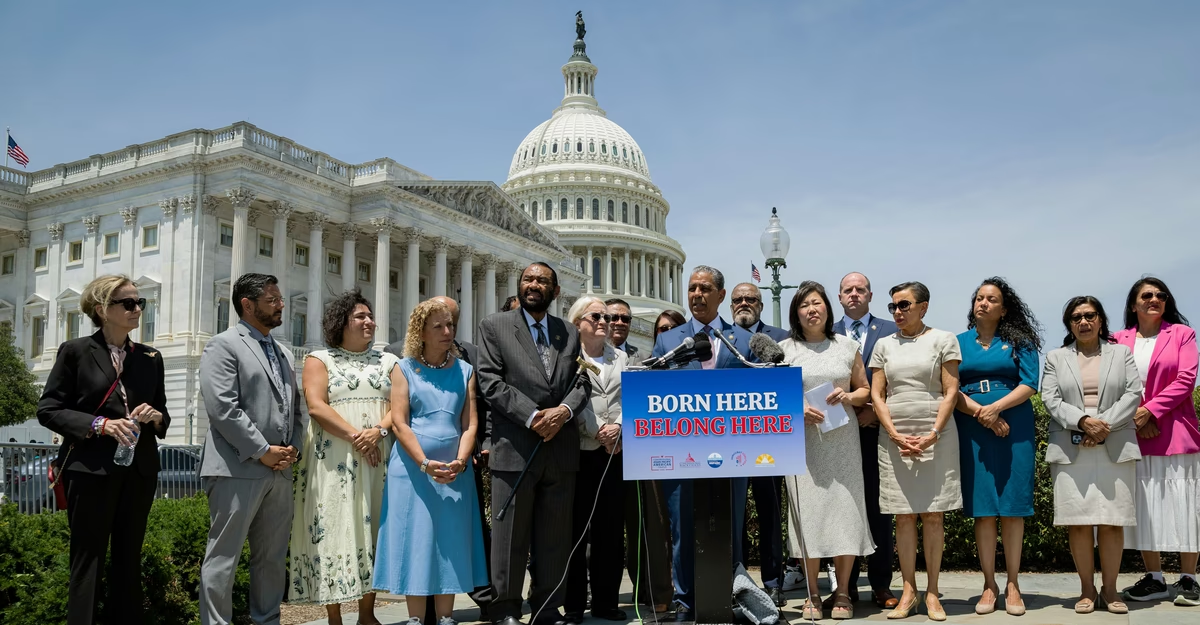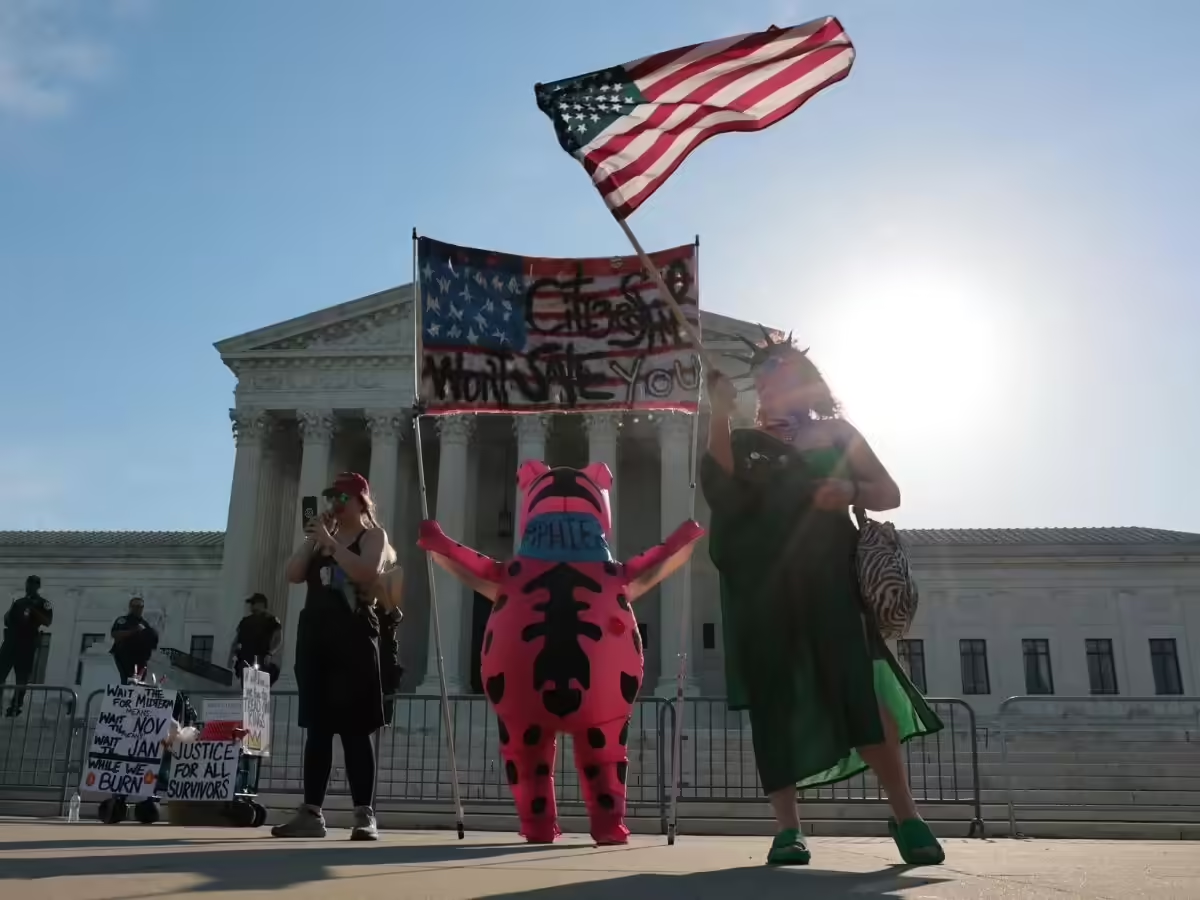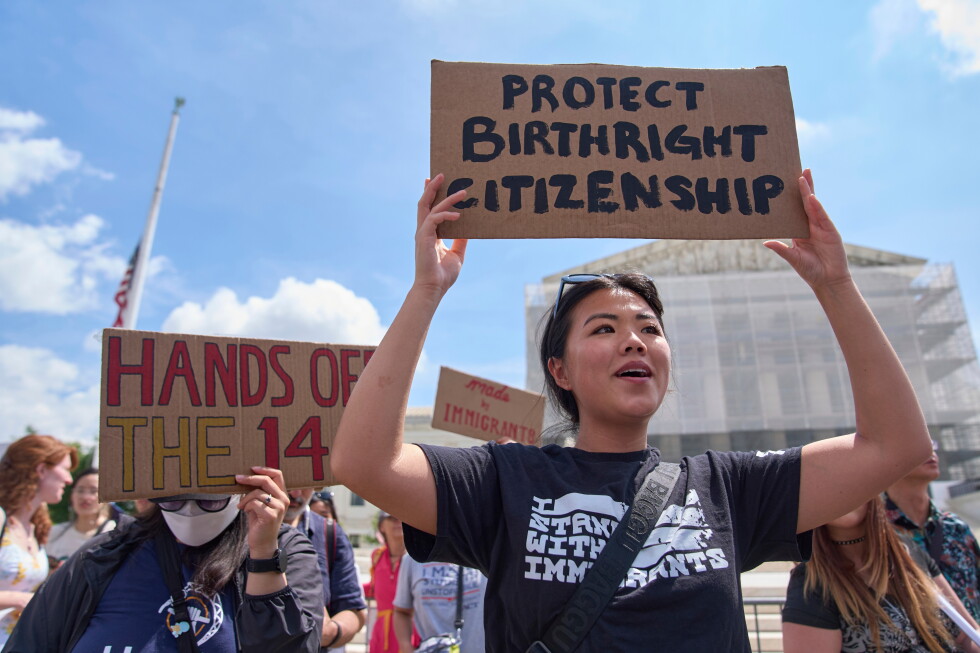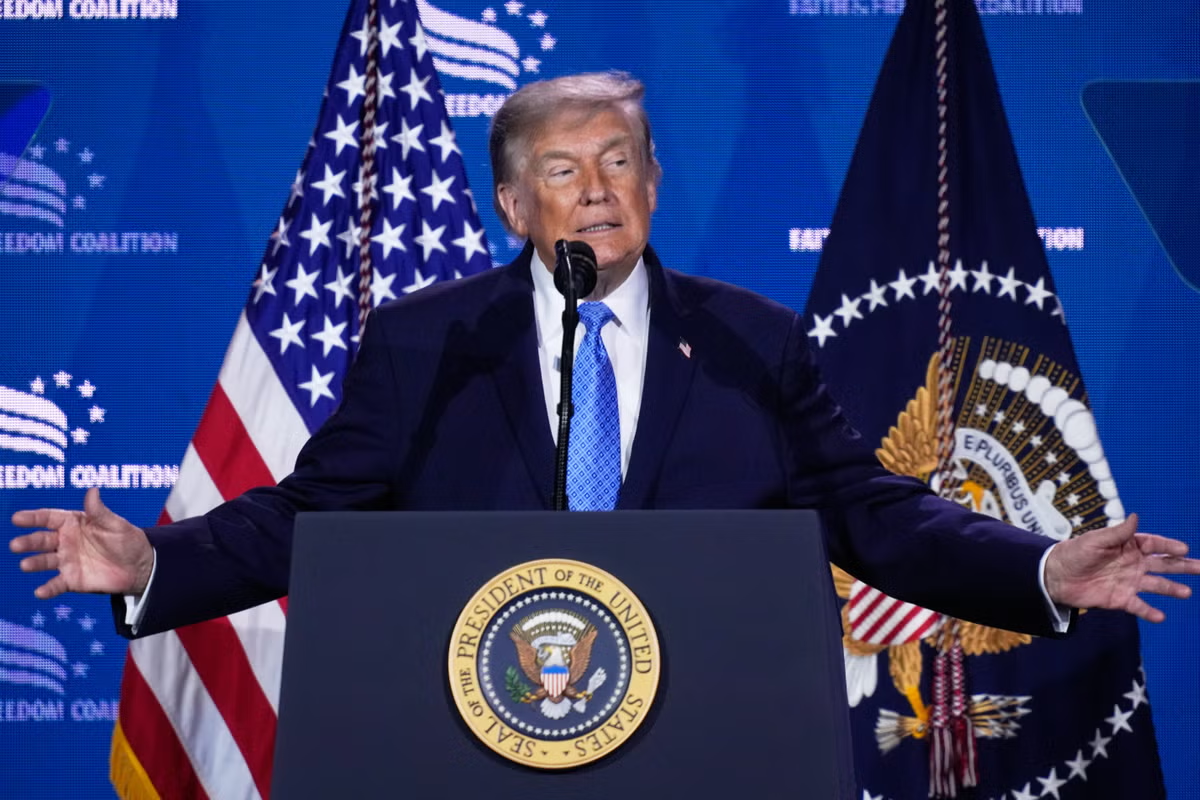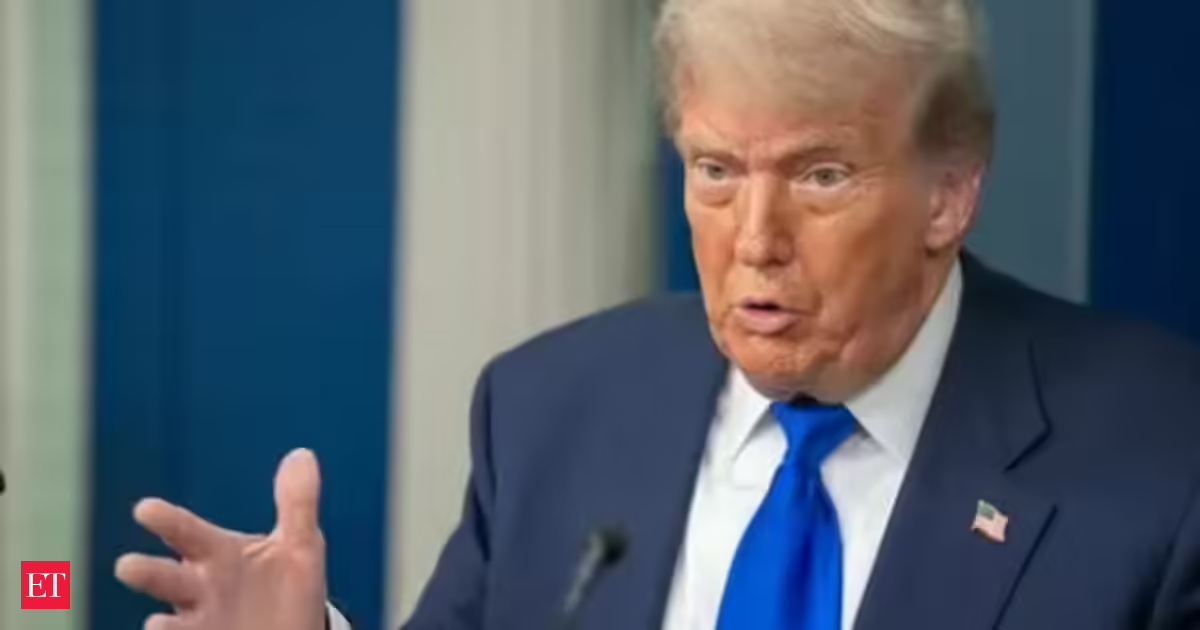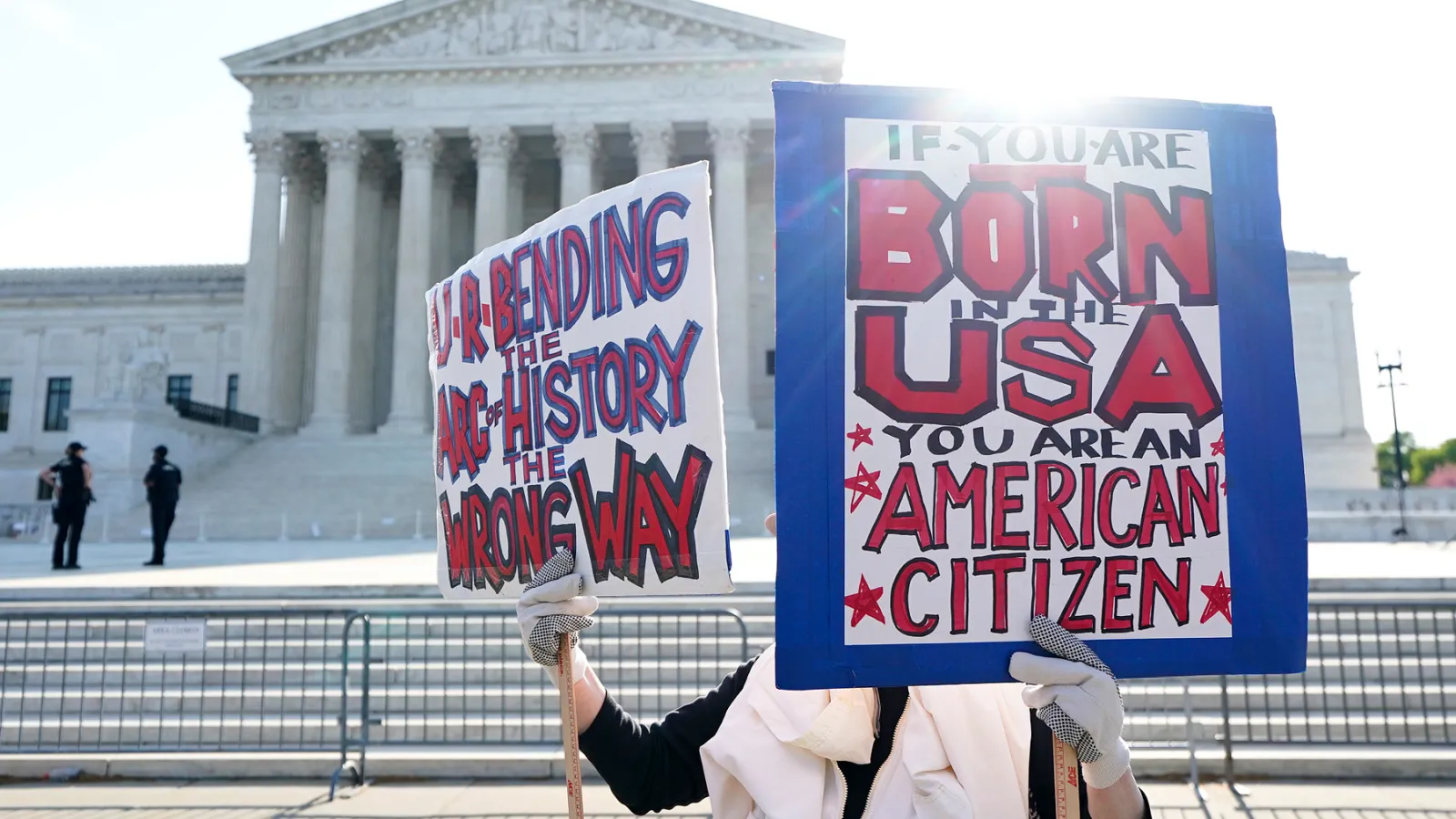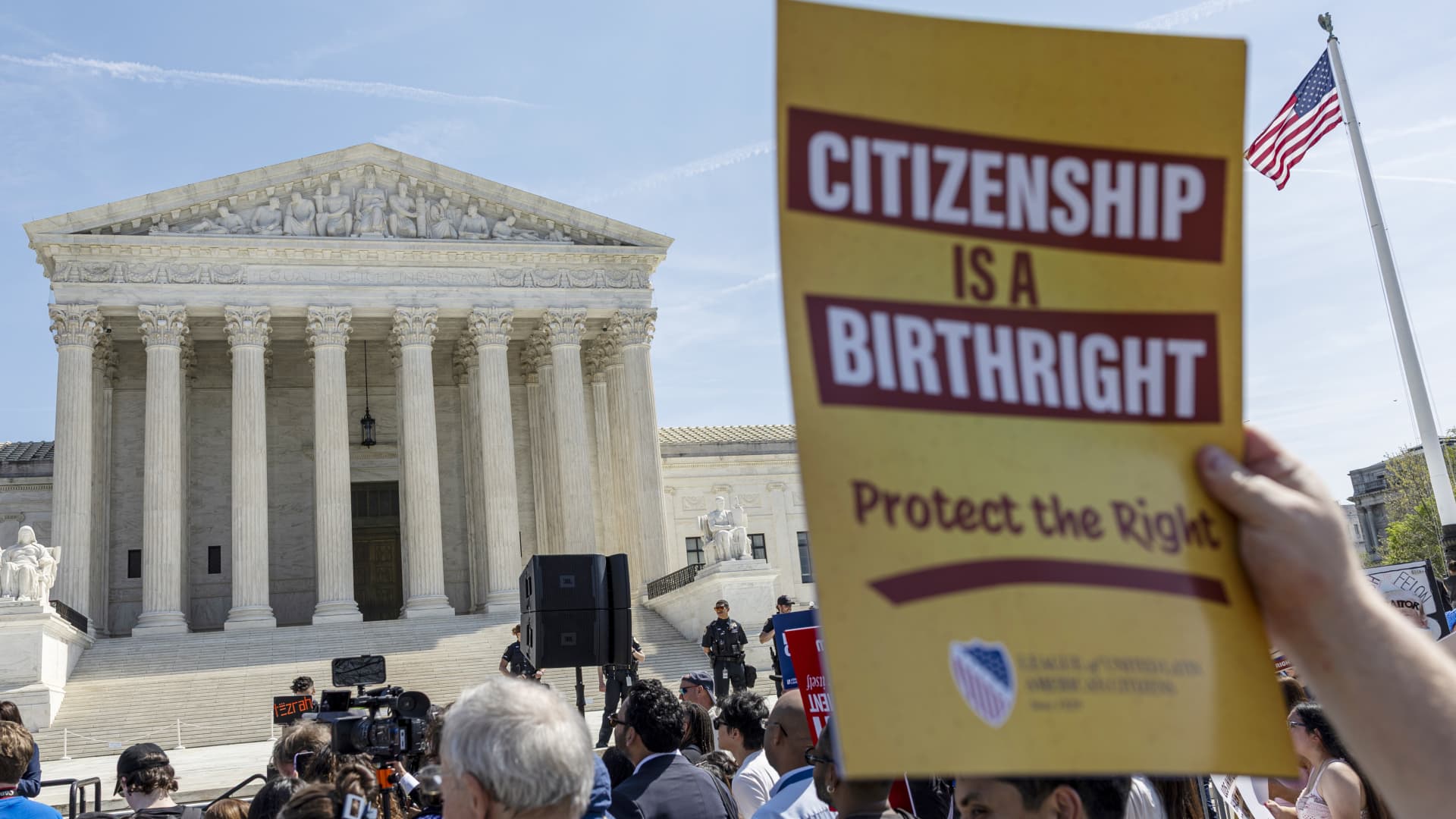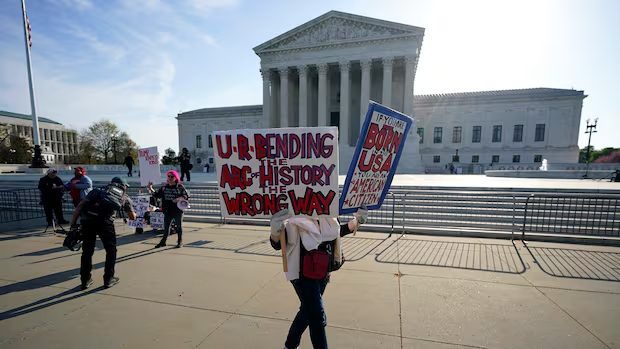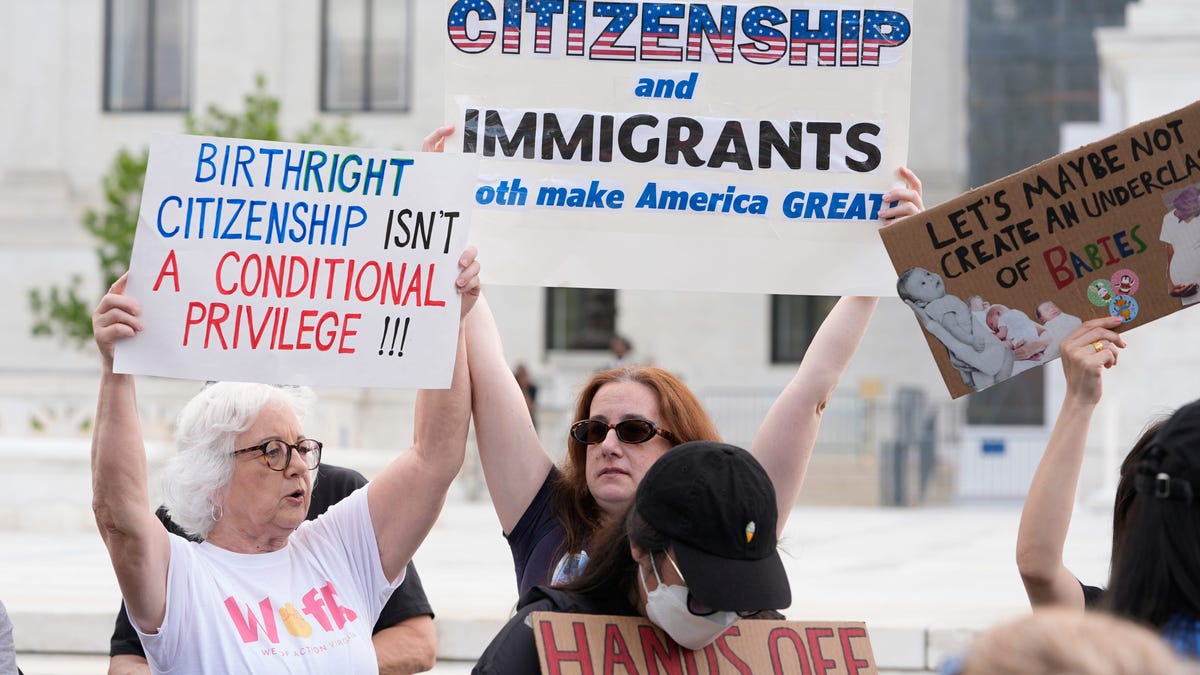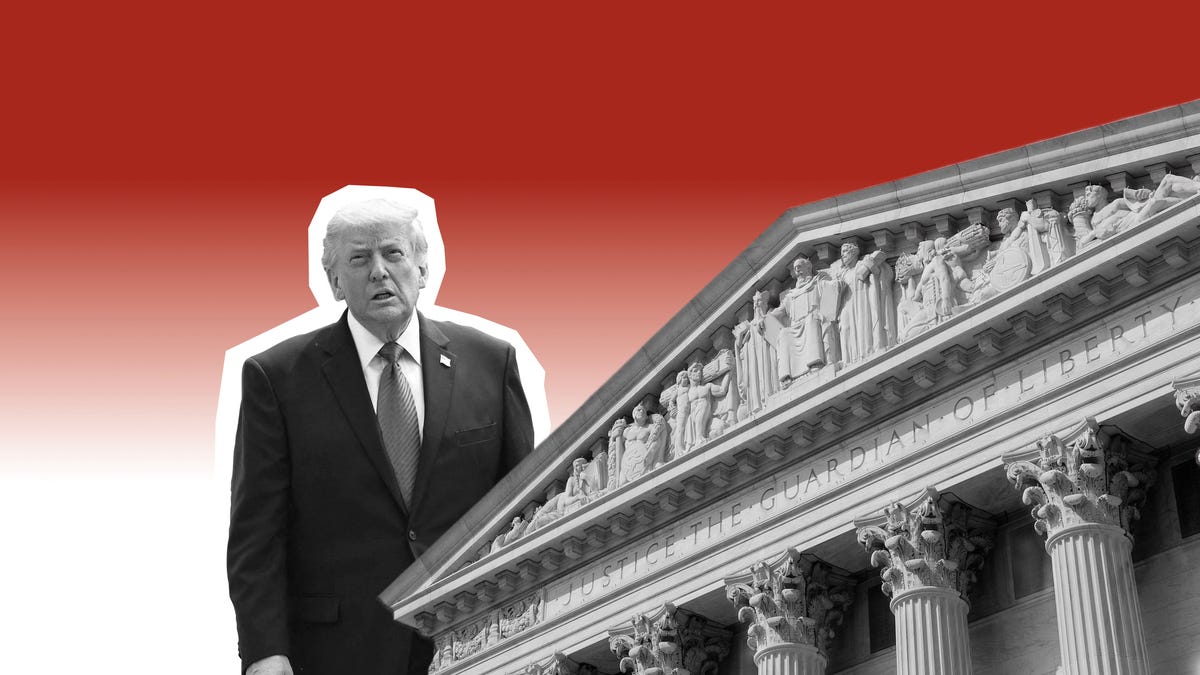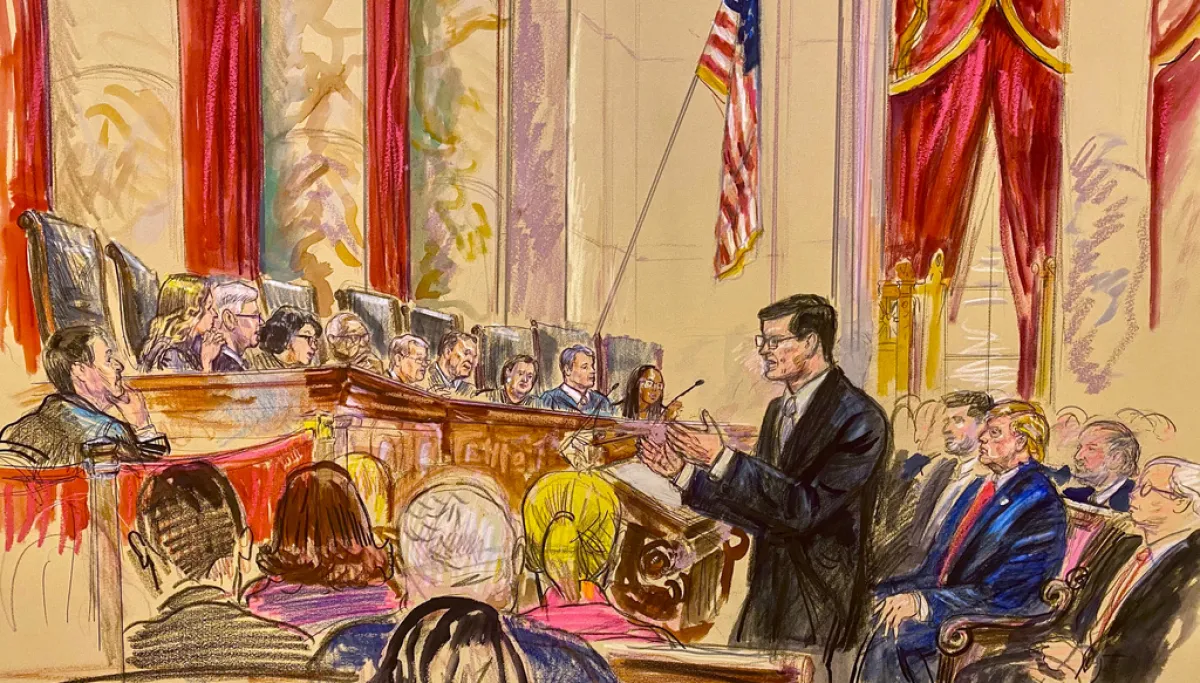
The Supreme Court will soon rule on the citizenship status of the roughly 260,000 babies born on U.S. soil each year to illegal immigrants and visa holders — children who would no longer qualify for automatic citizenship under President Donald Trump’s executive order. Trump v. Barbara has been hotly contested by the public and pundits — a whole cast of self-appointed constitutional scholars has sprung up over recent cases — but far too few, I believe, have examined the math.The dispute is over an executive order — to be upheld or, more likely, struck down — that Trump signed on his first day back in office. Since the Fourteenth Amendment, the rule has been simple: Born on U.S. soil? Congratulations, you’re a citizen, irrespective of your parents’ status. Trump’s order seeks to change that, directing federal agencies to cease recognizing citizenship for a child born here if the mother is either unlawfully present or only temporarily present on a visa, and if the father is not a citizen or green-card holder.
If upheld, this would affect the aforementioned 260,000 babies a year, according to the Pew Research Center. The composition is notable: Contrary to popular narratives, the overwhelming majority — roughly 240,000 — are children of mothers living here illegally. Only about 20,000 are children of mothers with legal temporary status. So the visa families who dominate the headlines are a small share, under 10% of the total. By raw count, then, this is overwhelmingly a policy affecting Hispanic migration: in fact, Latinos would be 80% of affected births today.