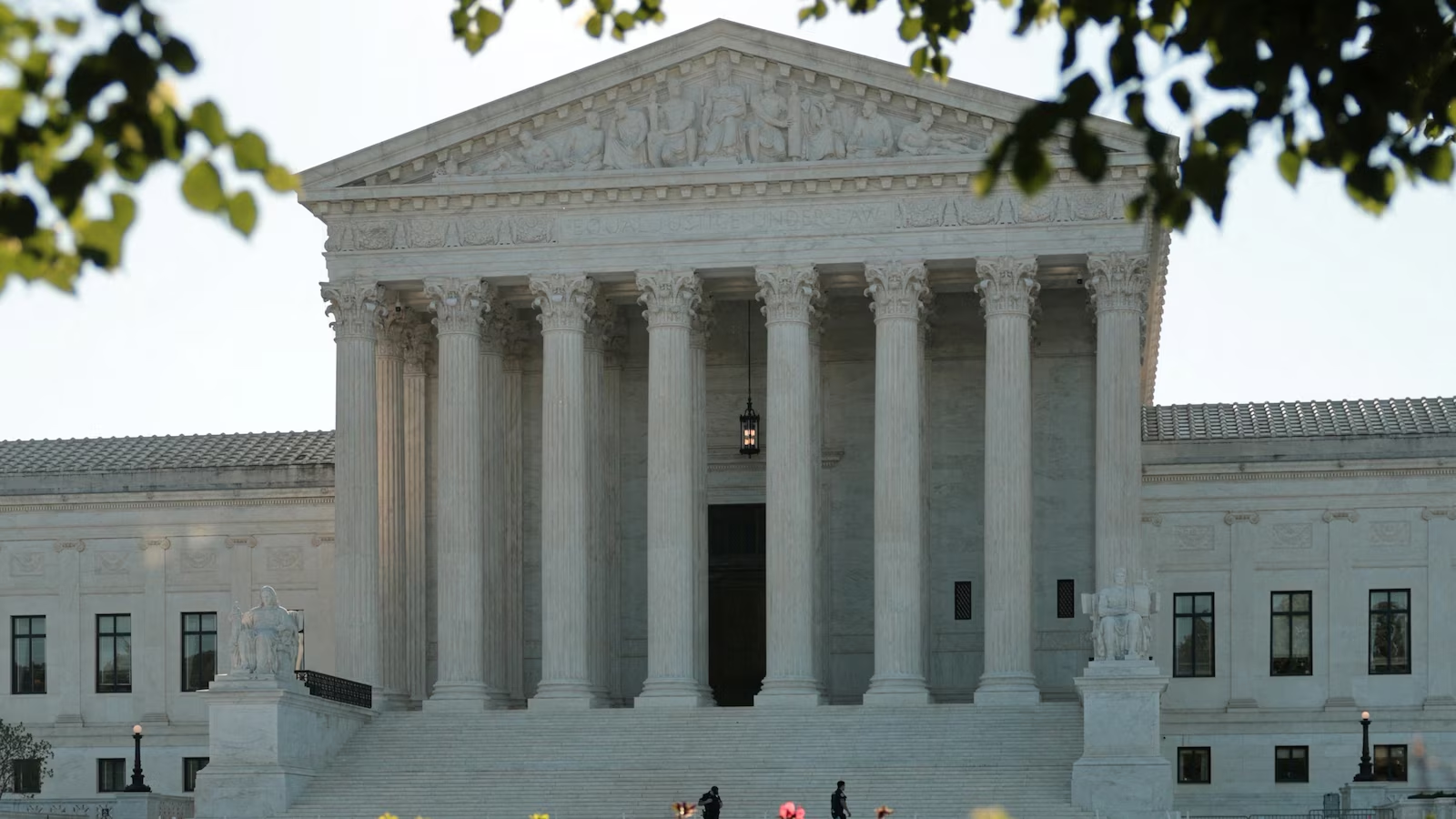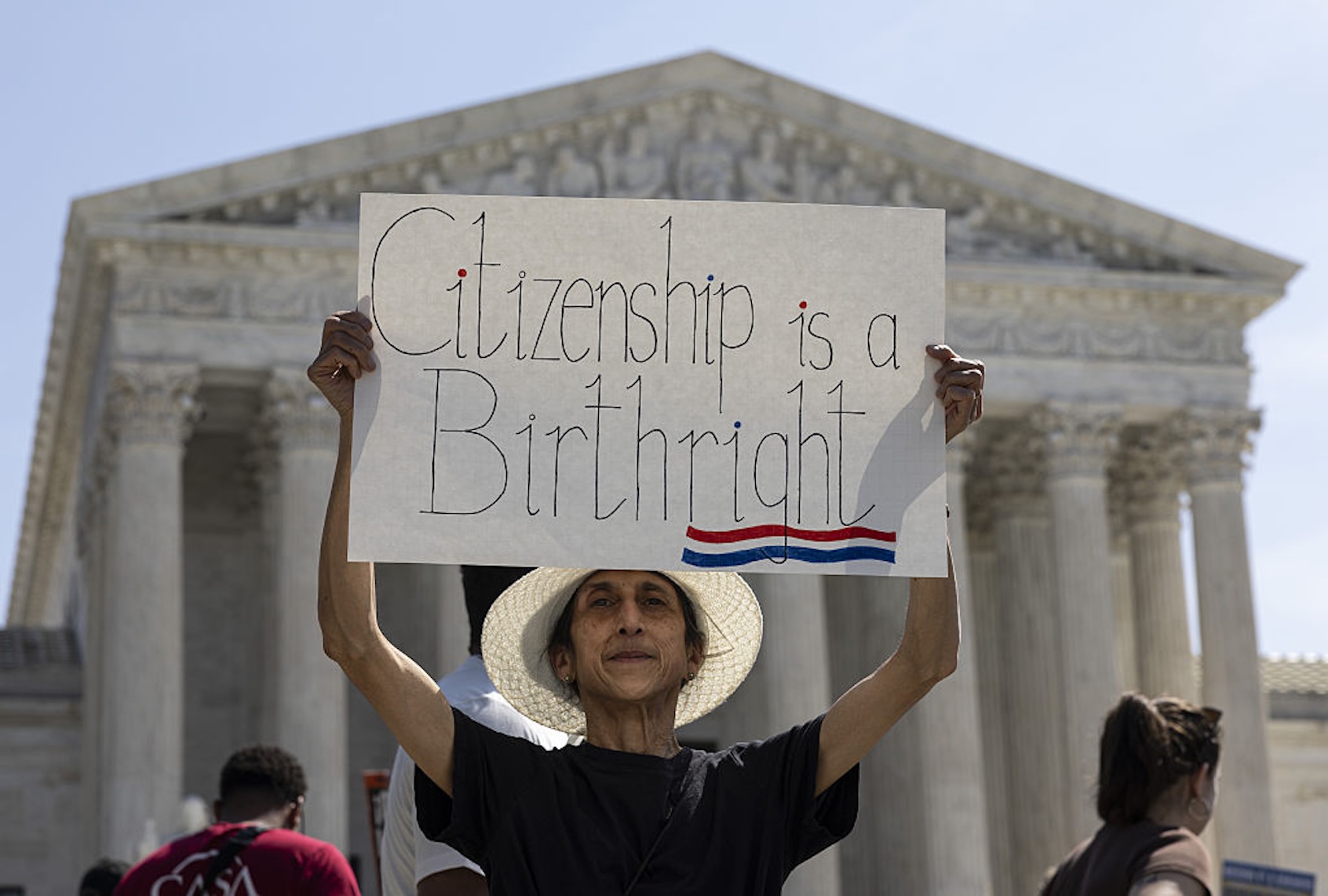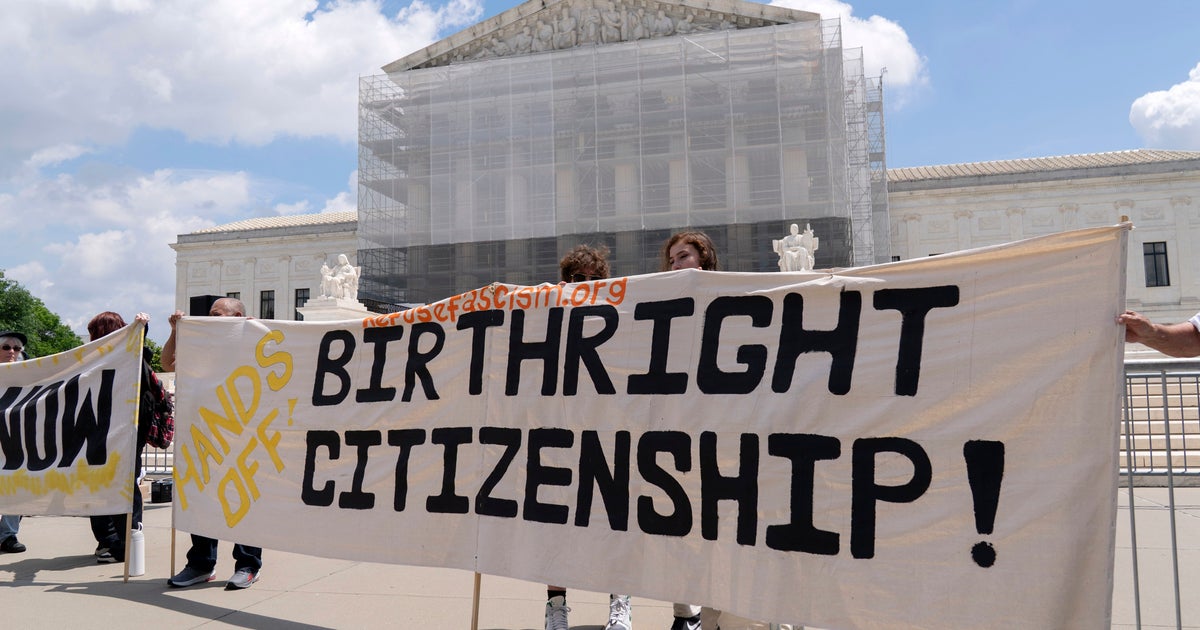
Sometime before the end of June, the Supreme Court is expected to deliver its opinion in Trump v. Barbara, the case challenging President Trump’s executive order seeking to end birthright citizenship in the United States. At stake is the long-standing interpretation of the Citizenship Clause of the 14th Amendment, which for more than a century has been understood and affirmed to mean that any child born in the United States, regardless of their parents’ citizenship status, is a U.S. citizen (with a remarkably narrow exception carved out for the children of diplomats).
Ending the guarantee of birthright citizenship would dramatically increase the size of the undocumented population in the U.S. and could invite a future executive to nullify the citizenship of countless American-born children of immigrants. It would also have stark consequences at the intersection of bioethics and public health.
During oral arguments in April, several Supreme Court justices briefly raised but quickly set aside the logistical challenges that changing who qualifies for U.S. citizenship would create: Will a parent’s citizenship be determined by requesting documentation in the delivery room? And what would this rule mean for “foundlings” of uncertain parentage? While it’s understandable that the justices were more focused on constitutional questions, the public health implications are not trivial.